

Why Some Chanel Bags Receive Stronger Consignment Interest Than Others
TL;DR
Chanel consignment interest is strongest when a bag combines recognizable design, desirable configuration, well-preserved condition, transparent authentication, and market-aligned pricing. Classic models in versatile sizes and neutral colours often appeal to a broader buyer pool, while clean corners, retained structure, clear hardware, and complete accessories can strengthen confidence. Rarity may support demand when the bag remains wearable and easy to recognize, but scarcity alone does not guarantee a stronger resale result. Sellers can improve a listing by documenting the bag accurately, disclosing wear or repairs, providing detailed photography, and working with a trusted luxury resale specialist that understands the appropriate audience.
Check out our Chanel collection!
Not every Chanel bag attracts the same level of attention when it enters the resale market. Two bags of a similar age and original retail position can receive very different responses from buyers.
In most cases, stronger Chanel consignment interest comes down to a specific combination of factors. Model recognition, condition, size, colour, material, documentation, and pricing all shape how confident buyers feel about a listing. The Chanel name creates awareness, but the individual bag determines whether that awareness turns into serious demand.
Understanding these details helps sellers establish realistic expectations and present their bags in a way that connects with today’s luxury resale buyers. This guide explains what strong consignment interest means, which characteristics support it, and how thoughtful preparation can improve a Chanel bag’s resale position.
Key Takeaways
- Condition, structure, configuration, and documentation influence buyer confidence as much as the Chanel name.
- Recognizable models in practical sizes and versatile colours generally reach a broader resale audience.
- Accurate authentication, transparent disclosure, detailed presentation, and realistic pricing help reduce buyer hesitation.
Featured Products


What Strong Chanel Consignment Interest Actually Means
Strong consignment interest is not defined by views or casual attention alone. It reflects meaningful buyer engagement, confidence in the listing, and a realistic relationship between the bag’s market position and its asking price.
Buyer Demand Versus the Asking Price
A desirable Chanel bag may receive several inquiries, but the quality of those inquiries matters. Serious demand appears when qualified buyers request additional details, compare the listing with similar pieces, or move forward without requiring substantial price reductions.
A bag priced appropriately for its model, condition, colour, material, and included accessories is more likely to attract confident engagement. When a listing is positioned well above comparable market options, even a desirable bag may remain available because buyers do not see sufficient value.
Useful indicators of genuine interest include the number of serious inquiries, the frequency of price negotiations, and the performance of comparable bags with similar specifications. These signals provide more insight than page views alone.
Liquidity and Ease of Sale
Liquidity describes how easily a bag can be sold without requiring an excessive price reduction. Recognizable Chanel styles in versatile colours and practical sizes often have stronger liquidity because more buyers understand the model and can imagine using it.
A highly distinctive seasonal piece may still be valuable, but it may require a more specific buyer. This does not necessarily make it less desirable. It means the seller may need greater patience or access to a resale audience that appreciates that particular configuration.
Speed of sale should not be confused with maximum value. A fast transaction may reflect competitive pricing, while a longer sale may be appropriate for a rare piece that requires targeted exposure.
Why Retail Price Does Not Determine Resale Price
Chanel’s original retail price provides context, but it does not set the secondary-market value of an individual bag. Resale pricing depends on current buyer demand, available supply, condition, model recognition, accessories, and the number of comparable bags already available.
A bag with a high original price may receive limited resale interest if the configuration is difficult to wear or the condition requires compromise. Conversely, a recognizable older model in excellent condition may remain appealing because buyers understand its design and can compare it confidently with other listings.
Resale value should therefore be based on relevant market evidence rather than the original receipt alone.
Chanel Models With Broad Buyer Appeal
Certain Chanel models reach a wider audience because they combine recognizable design with practical wearability. The strongest result still depends on the individual bag, but model familiarity can reduce uncertainty and make comparisons easier for buyers.
Classic Flap and Enduring Recognition
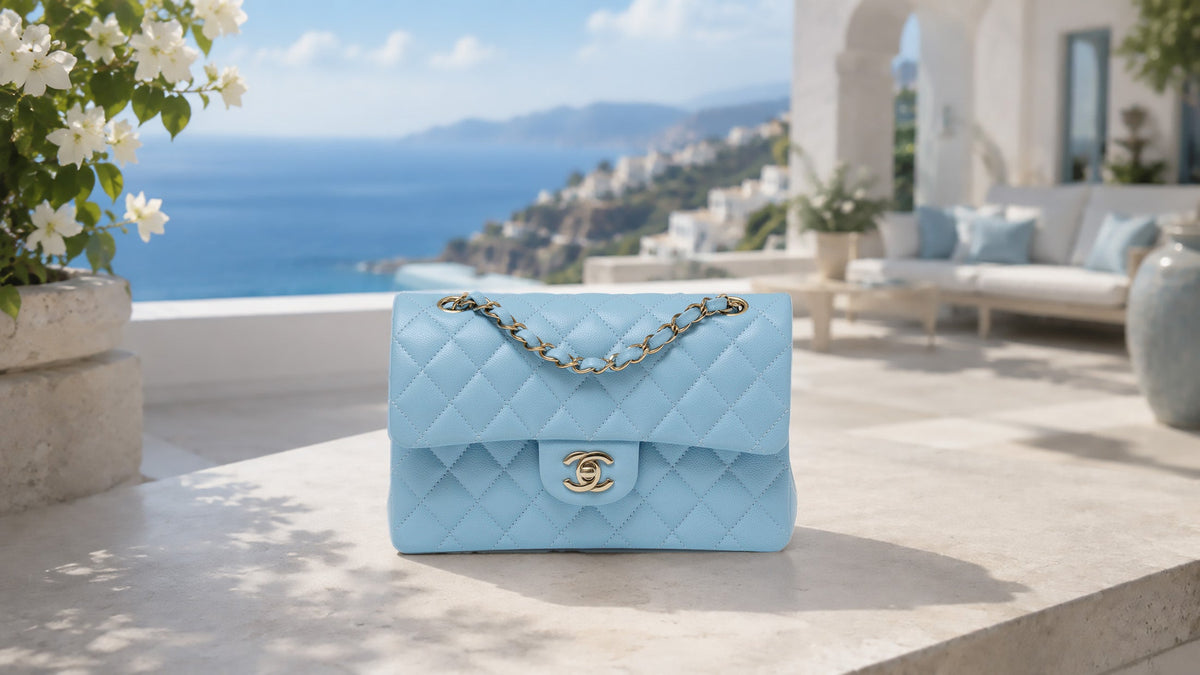
The Classic Flap remains one of Chanel’s most recognizable handbag designs. Its quilted body, interlocking turn-lock closure, and leather-woven chain strap create an identity that is familiar even to buyers who are relatively new to luxury resale.
This recognition can support buyer confidence because the model is easy to research and compare. Buyers can evaluate size, leather, hardware, colour, production era, and condition against other available examples.
Small and medium configurations often balance capacity with versatility, while larger versions may appeal to buyers who prefer more room. Demand varies by market and styling preferences, so no single size should be treated as universally superior.
2.55 Reissue and Collector-Focused Demand
The 2.55 Reissue often appeals to buyers who value Chanel’s design history and prefer details that distinguish it from the Classic Flap. Its rectangular Mademoiselle-style lock, chain strap, and aged finishes create a quieter and more heritage-focused appearance.
Reissue buyers may examine details such as hardware patina, leather texture, interior condition, and structural wear particularly closely. As a result, these listings benefit from precise photography and an accurate condition description.
A well-preserved Reissue in a wearable size can attract steady interest, especially among experienced Chanel buyers looking for an alternative to the more immediately recognizable Classic Flap.
Mini Flaps and Compact Wearability
Mini Flap styles and the Wallet on Chain attract buyers who want a compact Chanel piece that works for everyday essentials, evening use, or travel. Their smaller proportions can also make them approachable for buyers entering the Chanel resale market.
Configuration plays an important role. Neutral colours, practical strap lengths, clean interiors, and well-preserved corners can make a compact bag easier to incorporate into an existing wardrobe.
Although smaller bags have broad appeal, buyers still consider capacity carefully. Accurate dimensions and photographs showing the interior help prevent unrealistic expectations.
Chanel 19 and Gabrielle
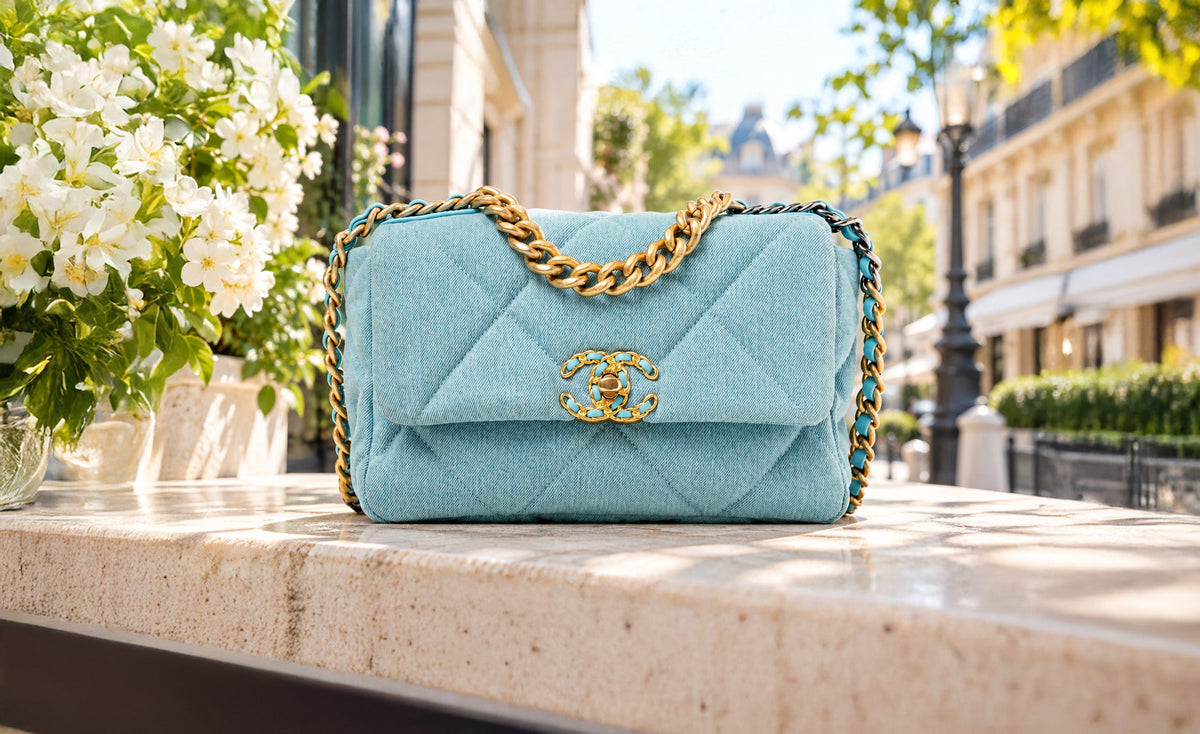
The Chanel 19 offers a more relaxed interpretation of recognizable house codes. Its quilting, chain details, and softer structure appeal to buyers seeking something modern that remains visibly associated with Chanel.
The Gabrielle has a more distinctive shape and may attract a narrower audience. Its consignment performance often depends on size, material, colour, and how clearly the listing communicates its functionality.
Both models can perform well when the configuration suits current buyer preferences, but demand may be more selective than it is for established flap styles.
Condition, Materials, and Structural Integrity
Condition is one of the clearest influences on Chanel consignment interest. Buyers assess not only visible wear but also what that wear may suggest about storage, handling, repairs, and the bag’s future usability.
Why Shape Retention Builds Confidence
A bag that retains its intended structure often suggests careful storage and limited strain. A flap bag that stands evenly, closes correctly, and shows minimal distortion may feel easier for buyers to evaluate.
Loss of shape can create questions about stretched seams, weakened panels, overfilling, or long-term storage. Even when the bag remains functional, visible slouching may lead buyers to examine it more carefully or adjust their offers.
Storing a Chanel bag with appropriate support, without overstuffing it, can help protect its shape. Chains and straps should also be positioned carefully to reduce pressure marks on the leather.
Caviar Leather, Lambskin, and Visible Wear
Caviar leather and lambskin develop wear differently. Caviar leather has a textured surface that can make light scratches less visible, while lambskin has a smooth, soft finish that may show surface marks more readily.
| Leather Type | General Character | Common Visible Wear |
|---|---|---|
| Caviar leather | Textured and structured | Corner rubbing, edge wear, softened grain |
| Lambskin | Smooth and soft | Fine scratches, impressions, surface rubbing |
Neither leather is automatically more valuable in every situation. Buyers consider the material together with the bag’s model, production era, colour, condition, and intended use.
Hardware, Corners, Interiors, and Odour
Small condition details can significantly influence a buyer’s impression. Hardware scratches, plating wear, corner rubbing, interior stains, handle darkening, and lingering odours are among the first areas buyers may examine.
Clean hardware and well-preserved corners often suggest careful handling. Interior condition is equally important because stains, loose stitching, or cosmetic residue may be difficult to address without affecting originality.
Odours from smoke, perfume, moisture, or storage environments can reduce interest even when the exterior appears attractive. Sellers should disclose noticeable odours clearly rather than attempting to conceal them.
Professional Care and Transparent Disclosure
Appropriate professional care may improve presentation by addressing surface dirt or minor buildup. However, restoration, recolouring, replaced hardware, or structural repairs should be disclosed because they may affect how collectors evaluate originality.
Clear disclosure builds trust and reduces friction during the sale. A detailed condition report allows buyers to understand what is original, what has been repaired, and which signs of wear remain visible.
A bag does not need to be flawless to receive serious interest. It needs to be represented accurately and priced according to its actual condition.
Configuration Details That Influence Demand
Buyers evaluate a Chanel bag as a complete configuration. Colour, size, leather, hardware, and usability work together, and one desirable feature may not compensate for a combination that feels difficult to wear.
Classic Colours Versus Seasonal Shades
Black, beige, and other neutral colours often reach a broad audience because they are easy to style across seasons. Their versatility can make demand more consistent, particularly when paired with familiar hardware finishes.
Seasonal colours may appeal strongly to buyers seeking something distinctive or difficult to find. However, the audience for a bright or highly specific shade may be smaller than the audience for a neutral bag.
Rarity can strengthen interest when a colour remains wearable and complements a recognized model. Scarcity alone does not guarantee a higher resale result.
Size and Everyday Practicality
Size influences how easily buyers can integrate a bag into daily life. Small and medium bags often provide a balance between visual impact and practical capacity, while larger bags may suit work, travel, or buyers who carry more essentials.
Very small or oversized designs can still generate attention, but their use cases are more specific. Listings should provide accurate dimensions, strap-drop information, and interior photographs so buyers can assess functionality before purchasing.
Leather and Hardware Combinations
Caviar leather may appeal to buyers who prioritize structure and ease of care. Lambskin may attract buyers who value softness, richness of colour, and a more refined surface.
Gold-tone and silver-tone hardware are both established Chanel choices. The preferred finish depends on the bag’s colour, model, production era, and the buyer’s personal style.
Configurations with a classic colour, recognizable silhouette, and versatile hardware often have broad appeal because buyers can imagine using them over a long period.
When Rarity Supports Resale Interest
Rarity is most helpful when it adds distinction without limiting practicality. A discontinued colour, unusual material, or less common hardware finish may strengthen a listing when the underlying model remains recognizable and wearable.
By contrast, an unconventional shape or highly specific seasonal theme may reduce the number of suitable buyers. Such pieces can still be important to collectors, but they require more targeted presentation.
The strongest rare configurations often combine scarcity with recognizable Chanel design codes and practical proportions.
Provenance and Authentication Signals
Secondary-market buyers want evidence that supports a listing. Documentation, accurate product details, repair history, and professional authentication all help buyers evaluate a Chanel bag with greater confidence.
Receipts, Dust Bags, Boxes, and Accessories
Original receipts, dust bags, boxes, care materials, and authenticity-related accessories can make a listing feel more complete. These items do not authenticate a bag by themselves, but they may support provenance and indicate careful ownership.
A Chanel bag can still be suitable for consignment without every original accessory. The listing should simply identify what is included and avoid implying that packaging alone confirms authenticity.
Accurate Production-Era Details
Chanel has used different identification methods and design details across production periods. Accurate descriptions should identify the relevant serial sticker, authenticity card, or microchip information where applicable without relying on a single feature as proof.
Important details may include the leather type, hardware finish, interior markings, closure style, measurements, and identification elements associated with the bag. These characteristics should be evaluated together.
Incorrect dating or mismatched details can create unnecessary concern, even when the error is unintentional.
Repair History and Ownership Transparency
Known repairs should be included in the condition report. Hardware replacement, corner work, recolouring, lining repairs, and structural restoration may influence how buyers assess originality and value.
Ownership information, previous purchase documentation, or records of professional service can also provide useful context. The goal is not to create an elaborate history for every bag, but to disclose information that could affect the purchasing decision.
How Authentication Reduces Buyer Friction
Professional authentication allows buyers to focus on condition, configuration, and price rather than resolving authenticity concerns independently.
A thorough evaluation considers multiple construction and identification details rather than relying on packaging, a receipt, or one visible marking. Clear authentication standards are especially important when selling high-value Chanel pieces through the secondary market.
Rome Station supports buyer confidence through expert evaluation and a lifetime authenticity guarantee on the luxury pieces it sells.
Pricing and Consignment Strategy
A strong consignment result requires more than selecting an ambitious asking price. Market evidence, seller priorities, audience fit, and listing quality must work together.
Use Comparable Sales, Not Aspirational Listings
Current asking prices show how sellers are positioning their bags, but they do not confirm what buyers are willing to pay. A more reliable valuation considers relevant completed sales and current competition for the same or similar model.
The closest comparisons should account for model, size, leather, colour, hardware, production era, condition, accessories, and repair history. A comparison becomes less useful when too many of these characteristics differ.
Balance Price With the Seller’s Priorities
Every seller has a different objective. Some prioritize a faster transaction, while others are comfortable waiting for a buyer who values a particular configuration.
A more competitive price may increase engagement, while a firmer price may be appropriate for a scarce bag with limited comparable availability. The strategy should reflect both the market and the seller’s preferred timeline.
No resale specialist can guarantee a specific price or sale date. A credible strategy should communicate the opportunities and limitations clearly.
Select the Right Consignment Audience
Not every resale channel attracts the same buyer. Recognizable Chanel models may benefit from broad luxury exposure, while vintage, seasonal, or collector-focused pieces may require a more specialized audience.
Before consigning, sellers should consider the reseller’s authentication standards, audience, commission structure, presentation quality, communication process, and experience with the relevant brand.
Rome Station offers consignment, buyouts, and trade-ins for luxury sellers seeking a customer-first process supported by established authentication expertise.
Prepare Photography and Descriptions Carefully
Online buyers cannot inspect the bag in person, so photographs and written details carry much of the responsibility for building confidence.
Useful images should show the front, back, base, sides, interior, corners, handles, chain, hardware, closure, identification details, and included accessories. Any visible wear should be photographed clearly rather than hidden through lighting or editing.
The description should identify the model, approximate size, leather, colour, hardware, condition, accessories, and known repairs. Straightforward information helps qualified buyers make decisions with fewer unanswered questions.
Setting Realistic Expectations for Long-Term Value
Strong resale demand does not mean every Chanel bag will appreciate. Sellers and buyers make better decisions when they distinguish value retention from guaranteed financial growth.
Value Retention Is Not Appreciation
Value retention means a bag preserves a meaningful portion of its value over time. Appreciation means it later sells for more than its original purchase price.
Recognizable Chanel models in desirable configurations may retain value more effectively than less established or heavily worn pieces. However, resale performance remains influenced by condition, supply, demand, retail pricing, and changing preferences.
A Chanel bag should not be presented as a guaranteed investment. Its strongest value often comes from the combination of ownership enjoyment, enduring design, and future resale potential.
Buy for Use While Protecting Future Resale Potential
Buyers who may eventually resell their Chanel bag can protect its future appeal through careful use and storage.
- Choose a material and colour that suit the intended frequency of wear.
- Store the bag with appropriate support and protect the leather from chain impressions.
- Keep original packaging, receipts, care materials, and accessories when available.
- Address spills or damage carefully and document any professional repairs.
- Avoid undisclosed recolouring or alterations that may affect originality.
These steps cannot prevent normal wear or market changes, but they can help preserve condition and make the bag easier to evaluate when it is eventually offered for resale.
Final Thoughts
Chanel bags receive stronger consignment interest when recognizable design, wearable configuration, preserved condition, transparent authentication, and realistic pricing come together. Sellers seeking a trusted evaluation can speak with Rome Station about consignment, trade-in, or direct buyout options for eligible luxury pieces.
Fact Check and Data Sources
This article separates established Chanel product characteristics from observations about secondary-market buyer behaviour. Resale statements are presented as general market tendencies rather than guaranteed outcomes, and precise pricing, appreciation, resale percentages, and sale timelines have intentionally been avoided. Model details, identification features, and condition factors should always be evaluated together by an experienced luxury authentication and resale specialist.
Frequently Asked Questions
Which Chanel bags tend to receive the strongest consignment interest?
Does a Chanel Classic Flap automatically have strong resale demand?
How much does condition affect Chanel consignment interest?
Can a Chanel bag be consigned without its receipt or authenticity card?
Do rare Chanel colours always perform better on consignment?
Should a Chanel bag be restored before it is consigned?
How does Rome Station support Chanel consignment sellers?
Love Hermès? See More from Rome Station
Add us to your Preferred Sources on Google to see our newest Hermès guides and insider tips first.