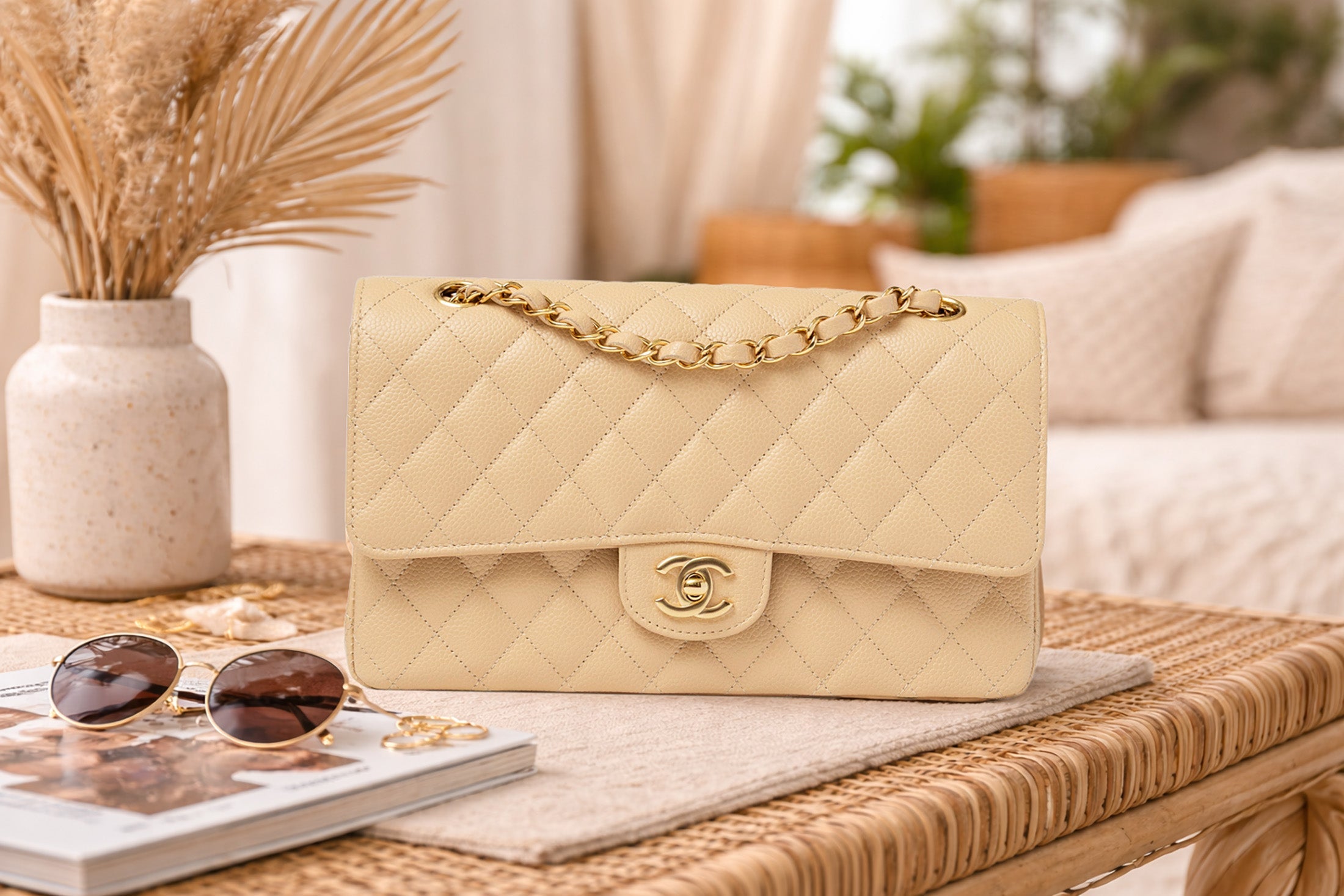
Why Older Chanel Models Still Attract Modern Buyers
Check out our Chanel collection!
Chanel bags from decades past still turn heads in today’s luxury scene, often outshining newer releases in both desirability and resale value. While other brands seem to fade after a season or two, vintage Chanel just keeps climbing in worth and cultural status. Why? It’s a mix of top-notch craftsmanship, intentional scarcity, and design codes that seem immune to trends.
Older Chanel models attract modern buyers because they offer timeless design, limited availability, and proven value retention that newer mass-produced luxury items simply cannot match.
These bags connect us to the house’s most creative eras, especially the Karl Lagerfeld years, when innovation and accessibility found a better balance than what we see now. For collectors who care about luxury beyond just flashy logos, vintage Chanel delivers both style and smart investment.
Over the last decade, the market’s changed a lot. As prices for new Chanel bags keep soaring, more buyers turn to pre-loved options and discover models with richer leather, more interesting hardware, and silhouettes that have already stood the test of time. Chasing down a discontinued Diana bag or a flawless 1990s Medallion Tote feels like a real adventure, way more satisfying than sitting on a boutique waiting list, and you end up with something genuinely rare.
Key Takeaways
- Vintage Chanel bags usually keep 70-90% of their value thanks to better craftsmanship and limited production
- Discontinued models from the Lagerfeld era have unique design details and often superior leather compared to many new releases
- The rarity and heritage of older Chanel pieces make them smart investments and unmistakable style choices
What Makes Older Chanel Models Irresistible Today
Vintage Chanel draws us in with real differences in quality, authentic design heritage, and a proven knack for holding value in ways most newer bags just don’t.
Superior Craftsmanship and Materials
If you ever get your hands on a vintage Chanel from the ‘80s or ‘90s, the hardware tells the story right away. Back then, they used heavy 24k gold plating, at least 10% gold by weight. Modern bags? The gold plating’s thinner, and chips or fades with normal use.
You really feel it in the chain straps and CC clasps. Vintage hardware develops a deep patina over time, but still feels solid and substantial.
The leather’s another giveaway. Chanel once sourced thicker, higher-quality lambskin and caviar leather, and treated it with more care than what you find on most current bags. Stitching on older pieces is tighter, with more consistent quilting.
Timeless Design Codes
Coco Chanel’s 2.55, launched in February 1955, introduced design elements that still work, rectangular shape, quilted pattern, chain strap. You can carry these bags with jeans or a dress, and they just fit.
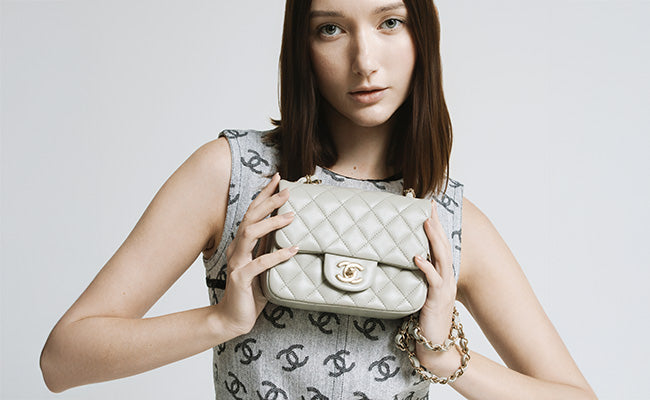
The Classic Flap’s proportions haven’t really needed changes. There’s no trace of dated details or trend-chasing. A 1990s Classic Flap still looks right in 2025. The mademoiselle lock, burgundy lining, and back pocket are practical and elegant. These aren’t just nostalgia pieces, they’re bags you’ll actually want to carry.
Authenticity and Storytelling
Every vintage Chanel bag comes with a traceable history, serial numbers, hardware stamps, construction quirks. You can often pinpoint the exact year and check authenticity in ways that matter to collectors.
Bags from Coco Chanel’s or early Karl Lagerfeld’s eras feel connected to the brand’s roots, before mass-market expansion changed things. Owning one means holding a piece of that original vision.
And let’s not forget: vintage bags come with their own stories. Past owners, decades of use, and survival through shifting trends give them a soul that’s hard to replicate. You’re not just buying leather and metal.
Investment Potential and Brand Equity
Vintage Chanel bags from the ‘80s and ‘90s have steadily risen in value. A Classic Flap bought for $2,000 in 1995 might sell for $5,000 to $8,000 today if it’s in good shape, outperforming inflation and plenty of other investments.
There just aren’t that many authentic vintage pieces left, so collectors compete fiercely. Chanel doesn’t make them to these specs anymore, so real vintage bags are basically irreplaceable.
And of course, there’s the brand name. Chanel is one of the most recognized names in luxury, and vintage pieces ride on that prestige. You’re buying proven equity, not gambling on a new design that might not last.
Signature Features and Iconic Details of Vintage Chanel
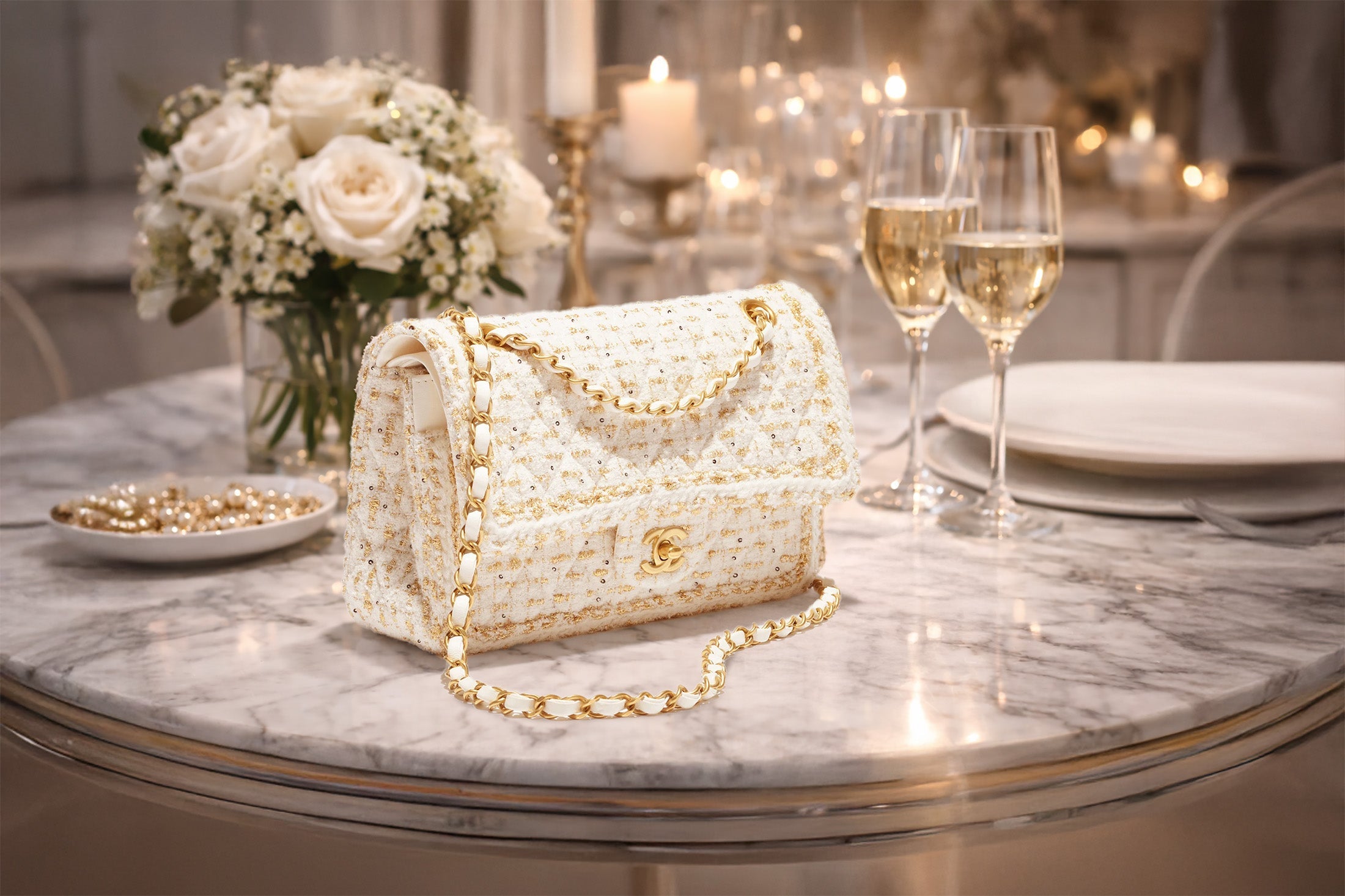
Vintage Chanel bags have design details you just don’t see as much today. The original 24-karat gold-plated hardware, hand-stitched quilting, and signature motifs like camellias and pearls give them a look collectors spot instantly.
Hardware and Gold-Filled Accents
Until about 2008, Chanel used 24-karat gold-plated hardware, giving vintage bags a richer tone and heavier feel. That gold develops a mellow patina over time, which many of us find more charming than the shiny, untouched look of modern hardware. The weight alone gives away the age and quality.
After the switch to gold-toned alloys, there was a clear drop in material luxury. Bags with real gold-plated chains, clasps, and CC logos now fetch premium prices. You can see the difference in photos, but once you hold a pre-2008 bag, it’s obvious.
Quilted Leather and Chain Strap
The quilted pattern started with the 2.55 and has become Chanel’s signature. Those diamond stitches aren’t just for looks, they add structure and durability, and cast beautiful shadows in any light.
Lambskin versions develop a characterful patina over time. The leather softens and shapes itself to your things. Caviar leather, which came later, resists scratches but doesn’t quite develop the same lived-in charm.
The chain strap was a game-changer. Women could finally go hands-free. Original chains were woven with leather, making them more comfortable. You can wear the classic flap on your shoulder or crossbody, depending on how you thread the chain.
Pearls, Camellia, and Visual Identity
Coco Chanel loved pearls, and you’ll spot them in chain details or special-edition embellishments. They’re rarer on bags than in Chanel jewelry, but when they appear, it’s a direct nod to the founder’s own style.
The camellia flower shows up as quilting, appliqué, or even on closures. Chanel picked it for its pure, scentless beauty. You’ll see camellias more on evening bags or minaudières, definitely a marker of something special.
These details, pearls, camellias, tie the bags to Chanel’s wider aesthetic world. Spot a camellia clasp or a pearl chain and you’re looking at something that goes right back to Coco herself.
Double C Turn-Lock and Trademark Elements
Karl Lagerfeld brought in the interlocking CC lock when he revived the Classic Flap in the ‘80s. That hardware became the brand’s most recognizable symbol, showing up on bags, belts, everything. The original 2.55 had the Mademoiselle lock, named for Coco’s unmarried status.
Bags with the CC turn-lock from the ‘80s and ‘90s hit a sweet spot for collectors: Lagerfeld’s reinvention meets old-school craftsmanship. The locks from this era just feel heftier.
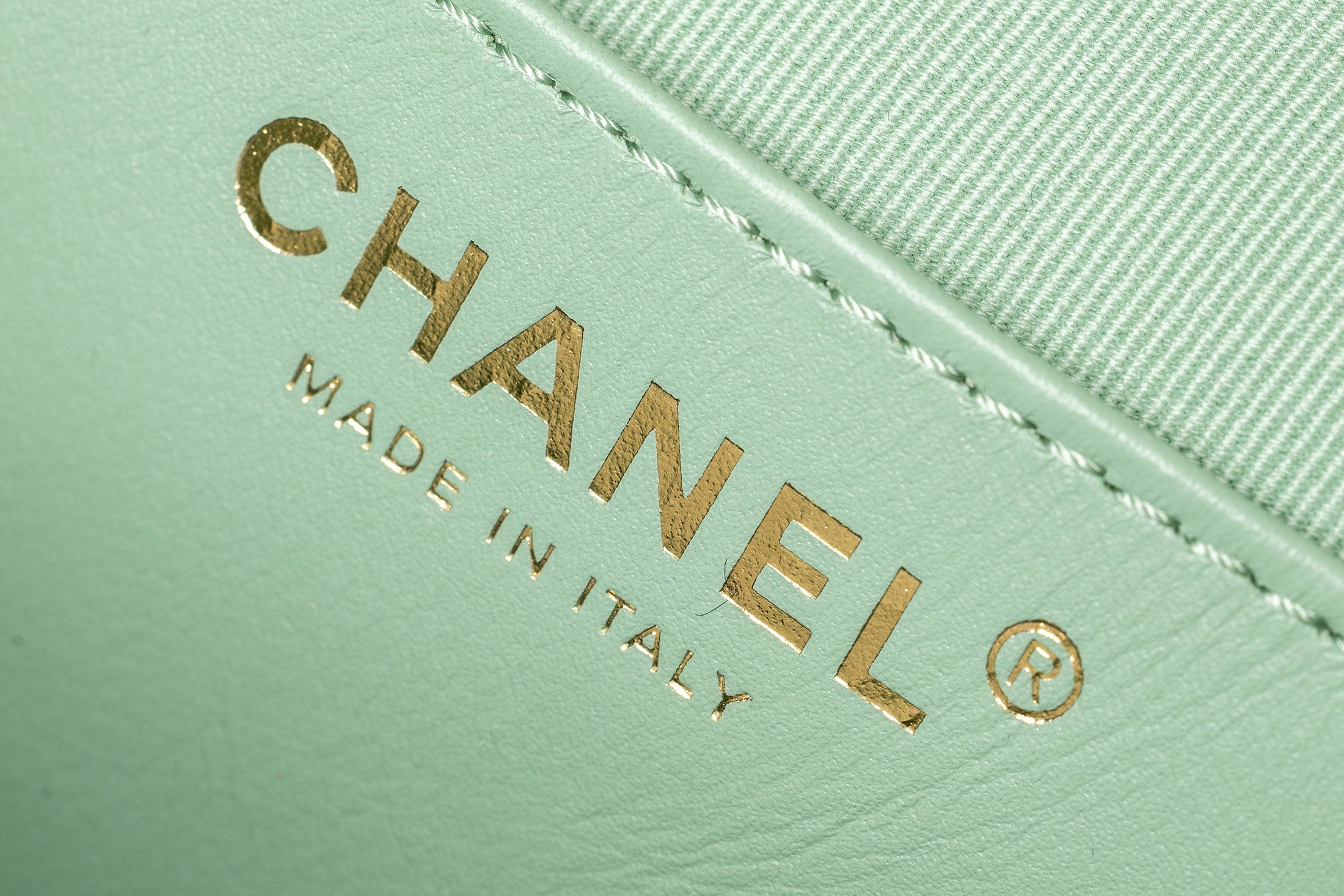
Inside, the burgundy lining nods to the uniforms at the convent where Coco grew up. The exact shade changes a bit over the years, but it’s one of those details we check when authenticating vintage Chanel, along with chain weight and leather quality.
The Evolution of Chanel: Heritage to Modernity
Chanel’s journey from a small Parisian hat shop in 1910 to a global luxury powerhouse comes down to three creative eras and a dedication to revolutionary fabrics and real craftsmanship. The brand’s ability to honor its founder’s vision while still moving forward is why vintage pieces stay so relevant.
Coco Chanel's Vision and Revolution
Gabrielle "Coco" Chanel changed women’s fashion by ditching the corsets and heavy decoration of early 20th-century style. She made comfort and simplicity into the new luxury.
Her 1920s designs gave women freedom, physically and socially. The Little Black Dress made elegance accessible, and Chanel No. 5 became the first designer perfume. In 1955, she launched the 2.55 bag: quilted leather inspired by her convent childhood, chain straps borrowed from caretakers’ key chains.
After closing her house during WWII, Chanel came back in 1954 at 71. Her comeback featured the iconic tweed suit with braid trim and chain-weighted hem, made to hang perfectly. These 1950s and ‘60s pieces are prized by collectors for their history and construction.
Influence of Karl Lagerfeld and Virginie Viard
Karl Lagerfeld took over in 1983, when Chanel had faded a bit after Coco’s death. He brought the brand back by reworking classic codes with a modern twist.
He reintroduced the Classic Flap, adding the interlocking CC and leather-woven chain. Lagerfeld turned runway shows into spectacles and wasn’t afraid to mix tweed jackets with denim or sneakers. His 36-year run built an archive that now fuels the resale market, with certain ‘90s and early 2000s collections fetching serious money.
Virginie Viard, Lagerfeld’s longtime right hand, became Creative Director in 2019. Her approach is subtler and more wearable, focusing on the craftsmanship and everyday luxury that Coco championed. Viard’s also nudged Chanel toward sustainability and easier silhouettes, but she keeps the signature codes alive.
Tweed, Jersey, and Signature Fabrics
Chanel’s fabric choices broke all the old rules. Coco borrowed jersey from men’s underwear, turning it into fluid dresses and separates that moved with you.
Tweed, once just for Scottish hunting became high fashion in her hands. She worked directly with Scottish mills to create softer, more refined tweeds in endless colorways. Each jacket could take up to 18 hours and had chain weights sewn in for perfect drape.
These fabrics define vintage Chanel. A 1960s tweed suit in good shape isn’t just fashion history, it’s a testament to fabric innovation and tailoring. The house still works with the same mills and techniques, so there’s a real thread connecting past and present.
Haute Couture and Métiers d'Art Specialties
Chanel’s haute couture atelier is one of the last standing, presenting two couture collections every year in Paris. These pieces take hundreds of hours and require master artisans.
Chanel owns several métiers d'art workshops, Lesage (embroidery), Lemarié (feathers and flowers), Massaro (shoes), Goossens (jewelry), all under its Paraffection subsidiary. These workshops keep old techniques alive.
The annual Métiers d’Art collection, started by Lagerfeld in 2002, puts these skills front and center. You see intricate embroidery, hand-painted buttons, wild textile tricks, proof that Chanel pieces, vintage or new, really do earn their price tags. Vintage haute couture and Métiers d’Art items from decades past are especially valuable because they show Chanel at its absolute best.
Exclusivity, Limited Releases, and the Thrill of the Hunt
Chanel’s grip on desire is no accident. The brand engineers scarcity with tightly controlled distribution, flagship-only experiences, and waitlists that turn shopping into a quest.
Controlled and Selective Distribution
Chanel doesn’t follow the usual retail script. You won’t find their iconic handbags or ready-to-wear on third-party e-commerce or discount sites. Sales happen only in their boutiques or a few carefully chosen department stores, like Holt Renfrew or Harrods.
This approach does a few things. It keeps counterfeits at bay, protects pricing, and makes sure every customer gets the full Chanel experience. Even chanel.com is limited, fragrances and beauty, sure, but if you want a Classic Flap, you’ll have to go in person.
For vintage and older models, this tight control means they never flooded the market. Bags from the ‘90s or early 2000s were already rare, which makes them even more valuable now. The vintage market thrives because of this built-in scarcity.
Honestly, when you can’t just click and buy something at 2 a.m., it somehow feels more desirable. Isn’t that funny?
Flagship Boutiques and Omnichannel Experience
Chanel's flagship boutiques feel almost sacred, more than just stores, they're immersive brand experiences. Stepping into the Rue Cambon shop in Paris or the Bloor Street spot in Toronto isn't just about picking out a bag; it's a ritual steeped in tradition.
Inside, you'll find things you can't get online: private viewing rooms, one-on-one consultations, and even access to pieces kept off the main floor. Touching a vintage 2.55 or a new reissue in person? That tactile moment really makes the difference.
Chanel doesn't flood every channel with the same inventory. Instead, the brand orchestrates every touchpoint with care. Select retail partners get a curated selection and must uphold the same atmosphere and service you'd expect from a Chanel boutique.
You'll notice that older models, whether they're part of vintage programs or special archive events, still get the full Chanel treatment.
Waitlists, Scarcity, and Limited Editions
The Chanel waitlist has taken on a life of its own. For certain models, especially seasonal editions or anniversary releases, people wait months, sometimes years. Strangely, this scarcity doesn't drive customers away; it makes them want the bags even more.
Limited editions really ramp up the frenzy. Bags produced in specific colors for one season, or numbered pieces marking milestones, immediately become collector bait. Vintage limited editions from decades ago? Their prices have skyrocketed, and collectors know exactly why.
Scarcity indicators that fuel demand:
- Seasonal color exclusives (just 3-6 months in production)
- Numbered anniversary runs (sometimes fewer than 1,000 worldwide)
- Métiers d'Art pieces (showcasing artisan skills)
- Regional exclusives (tied to certain markets)
Waitlists do double duty as market research. Chanel keeps an eye on which styles rack up the longest waits, quietly shaping future production and never flooding the market. Vintage hunters, take note: knowing which models were once waitlisted can help you spot the next big thing.
Chanel's Lasting Influence on Modern Buyers and Culture
Chanel's reach goes way beyond craftsmanship. The brand shapes its image through carefully chosen celebrity partnerships, a powerful resale presence, and a cultural influence that honestly sets the tone for luxury fashion.
Ambassadors, Celebrity Endorsements, and Cinematic Campaigns
Chanel doesn't just slap its name on whoever's trending. The brand picks ambassadors who really channel that timeless elegance vibe.
Current and Recent Brand Ambassadors:
- Margot Robbie
- Kristen Stewart
- Penélope Cruz
- Lily-Rose Depp
- Whitney Peak
These aren't just endorsements. Chanel rolls out cinematic campaigns that feel more like short films than ads, artsy, evocative, and a bit mysterious.
The brand's film connections run deep. Marilyn Monroe famously declared her love for Chanel No. 5, and more recently, directors have crafted fragrance campaigns that blur the line between marketing and art. It's a strategy that resonates with buyers who appreciate storytelling and substance over hype.
When celebrities show up at Chanel events, the brand gets plenty of buzz, but it never comes off as desperate. That careful selectivity keeps Chanel exclusive.
Resale Market and Secondary Value
Vintage Chanel bags fetch impressive sums on the resale market. Discontinued models and unique seasonal releases often outpace their original retail prices.
What drives value:
- Limited runs scarcity always wins
- Retail price hikes older pieces look like bargains in comparison
- Discontinued leathers or hardware collectors love the rare stuff
- Authentication hurdles trusted sellers matter more than ever
The Classic Flap, for example, consistently performs as a top investment. Some 1990s and early 2000s pieces now sell for two or three times what they once cost.
Cultural Icons and Fashion House Status
Chanel stands apart in the fashion world. It's not just about luxury; it's about a philosophy rooted in Coco Chanel's original vision, liberating, not constraining.
The brand manages to stay relevant across generations. Younger shoppers chase vintage finds, while seasoned collectors still go for the latest releases. This broad appeal? It comes down to Chanel's unwavering design and quality.
Chanel's influence pops up everywhere; art, music, film. That iconic CC logo? You can't miss it. It's become shorthand for cultural capital in the luxury world.
Chanel doesn't sell online or discount its products, and honestly, that stubbornness keeps its aura intact. Some buyers might find it frustrating, but it cements Chanel's status as a fashion house, not just another retailer.
Beyond Bags: Chanel's Expanding Global Luxury Appeal
Chanel's world goes way beyond handbags, think legendary perfumes, beauty innovations, high jewelry, and even sustainability efforts. The brand keeps finding new ways to stay relevant in the luxury space.
Fragrance and Perfume Icons
Chanel No. 5 is legendary, launched in 1921, still a juggernaut today. It brings in huge revenue and draws in customers who might never buy a Chanel bag.
But it's not just No. 5. Scents like Coco Mademoiselle, Chance, and Bleu de Chanel have become standouts, especially with younger buyers. They manage to feel fresh without losing that signature Chanel sophistication.
The perfume division kind of runs on its own, yet it always circles back to the brand's prestige. A bottle of No. 5 is often someone's first step into the Chanel universe.
Beauty, Accessories, Watches, and Fine Jewelry
Chanel's beauty line, foundations, lipsticks, skincare, sells worldwide, both in boutiques and department stores. It's on par with the biggest names in beauty.
Their fine jewelry starts in the thousands and can hit six figures. Coco Crush and Camélia lines use 18k gold and diamonds, putting Chanel in direct competition with Cartier and Van Cleef. The J12 ceramic watch, launched in 2000, has become a modern classic.
Accessories go beyond bags: sunglasses, belts, small leather goods. These let more people experience Chanel's style at different price points, but the attention to detail stays consistent.
Sustainability and Modern Luxury
Chanel kicked off Mission 1.5°, aiming to cut greenhouse gas emissions by 2030. They're investing in regenerative agriculture and have scaled back on exotic skins.
More and more, luxury buyers want brands to show real environmental responsibility. Chanel's stepping up with transparency reports and partnerships with eco groups. They're also dipping into circular economy ideas, though their resale and repair programs could use some work compared to others.
Today's luxury crowd expects brands to address climate issues without sacrificing quality. Chanel's trying to walk that line, holding onto tradition, but adapting where it counts.
Frequently Asked Questions
Vintage Chanel continues to draw in modern buyers. The unique design, solid build, and investment angle often outshine what's on offer from other luxury brands today.
What design elements make vintage Chanel bags a timeless accessory for high fashion enthusiasts?
That quilted leather? Instantly recognizable. Coco Chanel drew inspiration from jockeys' jackets, and the diamond pattern gives the bags both style and structure.
The interlocking CC logo, around since the 1920s, is a bold visual signature. Many vintage bags have 24-karat gold-plated hardware that develops a gorgeous patina, something you don't always find on newer models, which use lighter gold tones.
Coco Chanel's chain-and-leather strap was a game changer. It freed up women's hands while still looking elegant, and it's influenced bag design ever since.
How do the quality and craftsmanship of classic Chanel compare to today's luxury handbag market?
Older Chanel bags usually got more hand-finishing and attention to detail. The vintage lambskin leather is often softer and more supple than what's used now, though it does need gentle care.
Caviar leather, which showed up in the '90s, set a new standard for durability. Its pebbled texture shrugs off scratches but still looks refined.
We've noticed vintage bags tend to have sturdier hardware and heavier chains. That solid feel really shows the investment in materials back then.
Can you explain the appeal of heritage Chanel pieces in the contemporary trend cycle?
Right now, fashion's love affair with archival pieces has made vintage Chanel the perfect blend of history and style. These bags offer authenticity in a sea of lookalike luxury.
The Y2K trend, in particular, has revived interest in Chanel from the '90s and early 2000s. What was cutting-edge back then now feels nostalgic and still totally wearable.
Vintage Chanel gives you access to designs you just can't find anymore. That scarcity makes them stand out in today's crowded market.
What role does the rarity and exclusivity of older Chanel models play in their continued desirability?
Short production runs mean some vintage Chanel bags are genuinely rare. Unlike today's mass-produced luxury, finding a specific vintage model, especially in great shape, takes patience and a bit of luck.
Discontinued styles become instant collectibles because Chanel rarely brings them back. That decision to retire certain designs only adds to their mystique.
Some vintage pieces were made in a color or style for just one season. That kind of exclusivity turns them into conversation starters, something you don't get from current-season bags.
Why do collectors and fashion aficionados see vintage Chanel as a smart investment?
Chanel bags typically hold 70 to 90 percent of their value, and some vintage or limited editions actually go up in price. That's better than a lot of traditional investments, and you get to enjoy wearing them.
When Chanel raises prices on new bags, it pushes up the value of older ones. Well-kept vintage models often cost less than new, but still keep their resale strength.
Bags with 24-karat gold hardware are especially prized by collectors. Since Chanel now uses lighter gold tones, those older finishes have become even more rare, and valuable.
How does Chanel's storied brand history influence the allure of their earlier creations?
Coco Chanel shook up women's fashion, insisting that comfort and elegance could go hand in hand. When you carry a vintage Chanel bag, you feel that spirit of innovation and empowerment, there's something personal about it, almost like you're part of the story.
Chanel's kept its identity strong for more than a hundred years, which is honestly pretty rare in luxury fashion. That’s probably why a vintage Chanel bag never really feels old-fashioned; it just feels timeless.
Every era of Chanel production brings its own vibe and craftsmanship quirks. A bag from the 1980s? Totally different details than one from the 2000s. Collectors love tracing these subtle shifts, it’s like holding a little piece of fashion history in your hands.