

Why Chanel Condition Details Can Matter More Than the Model Name
TL;DR
Chanel condition details can matter more than the model name when two pre-owned bags share the same style, size, leather, and hardware. The model identifies the bag, but condition explains how it has been used, stored, maintained, and presented. Corner wear, leather structure, hardware finish, interior marks, odour, repairs, and included accessories can all change buyer confidence and resale positioning. A popular model may attract attention, but significant wear can limit its appeal. By contrast, a less common Chanel bag in exceptional condition may stand out because well-preserved examples are harder to find. Buyers and consignors should compare the complete physical condition of each bag rather than relying on the model name or a broad grade alone.
Check out our Chanel collection!
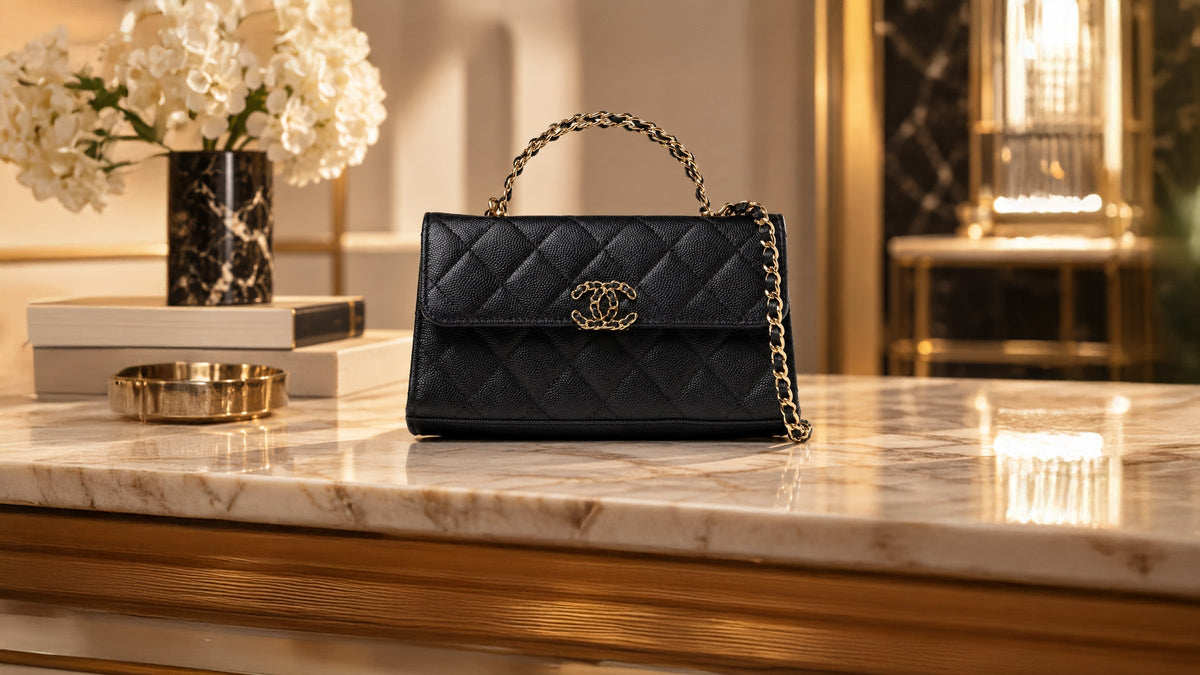
Two Chanel Classic Flaps can share the same size, leather, colour, and hardware yet receive very different reactions from buyers. The model name tells you what you are looking at, but it does not reveal how the bag has been treated, stored, repaired, or maintained over the years.
That is why Chanel condition details often become the deciding factor when comparing otherwise similar bags. A well-cared-for example with clear documentation can inspire more confidence than the same model with softened corners, dull hardware, interior marks, or undisclosed repairs.
This guide explains how condition and model interact, which areas buyers inspect first, how condition affects resale positioning, and what to review before buying or consigning a pre-owned Chanel bag.
Key Takeaways
- The model name identifies the style, but condition often explains the price difference between comparable Chanel bags.
- Leather, corners, hardware, interior condition, repairs, and completeness shape buyer confidence.
- Detailed condition notes and clear photography are more useful than broad labels such as “excellent” or “good.”
Featured Products


Condition Versus Model: What Each Tells Buyers
The model name and the condition report answer different questions. One establishes the bag’s identity and general market appeal. The other shows the quality of the individual piece being offered.
| Factor | Model Name | Condition Details |
|---|---|---|
| What it confirms | Style, size, design, and material combination | Wear, structure, maintenance, repairs, and completeness |
| Buyer confidence | Creates initial interest and familiarity | Helps determine whether the individual bag meets expectations |
| Resale positioning | Provides a general market reference | Helps explain why similar bags may be priced differently |
| Ease of comparison | Usually straightforward | Requires close inspection and detailed disclosure |
Why Similar Chanel Models Can Receive Different Offers
Two Classic Flaps from a similar period do not always receive comparable offers once you look past the model name. Corner wear, chain tarnishing, interior stains, colour transfer, altered structure, and missing accessories can all affect how buyers evaluate the bag.
Even small details such as loose stitching, softened edges, or faded hardware can separate one listing from another. A full set, including the box, dust bag, care booklet, or authenticity card where applicable, may improve completeness, but it does not replace the need to evaluate the physical bag itself.
The Condition Details Buyers Check First
Before comparing seasonal releases or production periods, buyers usually focus on the areas that reveal how a bag has aged. Leather, corners, hardware, and interior condition provide a more complete picture than the model name alone.
Leather Type, Structure, and Surface Wear
Caviar, lambskin, and patent leather do not age in the same way. Caviar leather can make minor scuffs less visible because of its textured surface. Lambskin feels softer and smoother, but fine scratches, creasing, and dents may appear more readily.
Structure matters as well. A Classic Flap should retain a balanced shape. Sagging, collapsed sides, or a softened base may reflect frequent use, storage pressure, or age. Buyers also check for dryness, cracking, discolouration, and wear where the bag flexes most, including the flap closure and strap attachment points.
Corner Wear, Edge Rubbing, and Colour Transfer
Corners often show wear first because they absorb repeated contact. Rounded edges, exposed piping, darkening, rubbing, and surface loss can indicate how heavily the bag has been carried.
Colour transfer is especially noticeable on pale shades such as white, beige, and light pink. Dark denim, car seats, and dyed fabrics may leave marks that are difficult to remove. Comparing all four corners can also reveal uneven wear that may not be obvious in a single front-facing photo.
Hardware Finish, Scratches, and Function
The CC turn-lock, chain links, zipper pulls, and other metal components should be viewed under even lighting. Buyers look for surface scratches, dullness, tarnishing, colour loss, and uneven finishes.
| Hardware Condition | Typical Signs |
|---|---|
| Excellent | Bright finish with little or no visible scratching |
| Very good | Light surface marks or mild dulling from normal handling |
| Worn | Noticeable tarnishing, plating loss, discolouration, or stiffness |
Function is as important as appearance. A stiff turn-lock, snagging chain, or difficult zipper may point to wear that photographs do not fully show.
Interior Condition, Odour, and Lining Wear
The interior often reveals how carefully a bag was used and stored. Buyers check for pen marks, stains, residue, peeling, frayed pocket edges, and loose seams.
Odour also matters. Strong perfume, smoke, or mustiness can be difficult to address and may reduce buyer confidence. A clean, well-kept interior generally supports the impression that the bag received consistent care.
How Condition Changes Chanel Resale Pricing
Condition does not operate separately from model demand, rarity, colour, size, or material. It works alongside those factors and helps determine where an individual bag fits within the market for comparable pieces.
Understanding Common Condition Grades
Resale businesses may use different grading systems, so buyers should always read the supporting description. The following framework shows how common labels are typically interpreted.
| Grade | What It Generally Describes | Likely Market Effect |
|---|---|---|
| Pristine | Little to no visible wear and an unused or nearly unused presentation | Often positioned at the top of comparable listings |
| Excellent | Minimal handling with limited corner, leather, or hardware wear | Supports strong buyer confidence |
| Very good | Visible but controlled wear, such as light fading or softened corners | Usually priced below cleaner comparable examples |
| Good | Clear signs of use, possible repairs, or structural change | May appeal to value-focused buyers when accurately disclosed |
When a Popular Model Cannot Offset Significant Wear
A sought-after model can attract attention, but popularity does not hide cracked piping, dull hardware, a tired lining, or weakened structure. Buyers still expect closures, chains, stitching, and interior components to function properly.
For that reason, a heavily worn Classic Flap may be positioned below a less recognisable Chanel style in exceptional condition. The name creates interest, but the individual bag still has to justify the asking price.
When Exceptional Preservation Helps a Less Common Model
A less common Chanel style can become more compelling when its condition is unusually strong. Crisp corners, a clean interior, balanced structure, and well-preserved hardware may appeal to buyers who value quality and scarcity of condition.
Discontinued or less frequently seen styles may also interest collectors when well-preserved examples are difficult to source. In these cases, condition can become a central part of the bag’s appeal.
Condition Notes That Build Buyer Confidence
Clear condition reporting helps buyers understand exactly what they are considering. It reduces uncertainty and allows comparable listings to be judged more fairly.
Specific Descriptions Versus Broad Labels
A phrase such as “excellent condition” does not explain whether the corners are softened, the hardware is scratched, or the lining has marks. Specific descriptions are more useful because they identify where wear appears and whether it affects appearance, function, or structure.
| Broad Label | More Useful Description |
|---|---|
| Good condition | Light corner softening, faint hardware scuffing, and no visible interior stains |
| Gently used | Minor creasing on the flap, clean lining, and original shape retained |
| Well maintained | Light handling sheen, no noticeable odour, and only minimal hardware marks |
Photography That Documents Wear Clearly
Strong listings show the front, back, base, interior, corners, hardware, stitching, and identifying details. Close-up images should document visible wear directly rather than relying on flattering angles or heavy lighting.
Soft, even lighting is useful because harsh light can either exaggerate or conceal flaws. When written notes and photographs match, buyers can evaluate the bag with greater confidence.
Authenticity, Identifying Details, and Accessories
Condition assessment should come after authenticity review. Stitching, hardware engraving, stamp placement, construction, and identifying details should be evaluated by qualified specialists.
Accessories such as a box, dust bag, care booklet, receipt, or authenticity card may improve completeness, but they do not authenticate a bag on their own. Rome Station provides professional authentication and a lifetime authenticity guarantee, helping buyers focus on the individual piece with greater confidence.
How to Compare Two Chanel Bags With the Same Model Name
Two bags that appear identical on paper can differ considerably in age, repair history, leather wear, structure, and completeness. A side-by-side review makes those differences easier to understand.
| Factor | Listing A | Listing B |
|---|---|---|
| Corners | Sharp with minimal rounding | Softened with visible rubbing |
| Hardware | Consistent finish with light marks | Noticeable dulling or colour loss |
| Interior | Clean with no noticeable odour | Faint discolouration and storage odour |
| Chain | Moves smoothly and retains shape | Slight looseness or snagging |
| Accessories | Dust bag and box included | No original accessories included |
| Repairs | No repairs disclosed | Corner restitching disclosed |
Age, Repairs, and Maintenance History
Age does not decide value by itself. An older bag with honest, professionally documented maintenance may be more reassuring than a newer bag with unexplained alterations.
Disclosure matters most. Sellers should identify restitching, hardware replacement, recolouring, cleaning, or structural work where known. Hidden repairs create more concern than repairs that are clearly described and reflected in the price.
Lambskin and Caviar Wear Patterns
Lambskin and caviar leather can show the same amount of use differently. Lambskin may reveal fine scratches and dents quickly, while caviar texture can make minor scuffs less obvious at first glance.
Neither leather should be assumed to be in better condition without inspection. Corners, base edges, flap creases, strap attachment points, and overall structure should be checked on both.
How to Assess Condition Before Buying or Consigning
A reliable Chanel condition assessment combines close inspection, direct questions, and realistic expectations about intended use. Buyers and consignors should evaluate the entire bag rather than one attractive photograph or a single condition grade.
A Practical Inspection Checklist
| Area | What to Review |
|---|---|
| Corners and edges | Darkening, rubbing, cracking, compression, or exposed piping |
| Hardware | Scratches, tarnishing, colour loss, stiffness, and smooth chain movement |
| Structure | Shape retention, base sagging, side collapse, and flap alignment |
| Interior | Stains, odour, peeling, residue, loose seams, and pocket wear |
| Stitching | Loose threads, uneven seams, and signs of previous repair |
| Completeness | Included box, dust bag, booklet, card, or receipt where applicable |
Questions to Ask a Reseller or Consignment Specialist
- Can you provide close-up photos of the corners, hardware, interior, and identifying details?
- Has the bag been repaired, cleaned, recoloured, or had hardware replaced?
- Does the bag retain its shape when empty?
- Are there any noticeable odours or interior residue?
- Which original accessories or documents are included?
- How was the bag stored?
Matching Condition to Price and Intended Use
Condition expectations should reflect how the bag will be used. A daily-use bag may reasonably show light corner wear or hardware marks. A collector may prioritise stronger structure, cleaner surfaces, and greater completeness.
| Intended Use | Reasonable Priority |
|---|---|
| Daily use | Sound structure and function, with acceptable cosmetic wear |
| Occasional wear | Clean presentation with limited visible flaws |
| Collecting or future resale | Strong preservation, clear history, and completeness where possible |
The asking price should reflect those differences. A visibly worn bag priced like a pristine comparable example deserves closer review.
Final Thoughts
The model name may attract attention, but condition determines how an individual Chanel bag presents, functions, and compares with similar listings. For expert guidance on buying, selling, trading, or consigning authenticated luxury pieces, learn more about Rome Station’s customer-first approach.
Fact Check and Data Sources
This article separates widely recognised Chanel product characteristics from secondary market observations. Condition grades and resale positioning can vary by seller, so every bag should be evaluated individually. Rome Station’s guidance is informed by hands-on authentication, condition review, market experience, and the company’s work with collectors, private clients, and resellers. No unsupported resale percentages, fixed price ranges, or guaranteed timing claims are used.
Frequently Asked Questions
Why can two Chanel Classic Flaps with the same specifications have different resale prices?
Which Chanel condition details should I inspect before buying?
Can an older Chanel bag be more desirable than a newer one?
Does caviar leather always hold its condition better than lambskin?
Do the box, dust bag, receipt, or authenticity card increase a Chanel bag’s value?
Should I avoid a Chanel bag that has been repaired?
How does Rome Station evaluate Chanel condition for resale?
Love Hermès? See More from Rome Station
Add us to your Preferred Sources on Google to see our newest Hermès guides and insider tips first.