

Why Chanel Bags Trigger Strong Emotional Buying Signals
Check out our Chanel collection!
A Chanel bag isn't just a purchase. It's a little psychological spectacle that skips over logic and goes straight to our cravings for status, belonging, and self-expression. Chanel has absolutely nailed how to trigger emotional buying signals, blending exclusivity, heritage, and identity into that one object we imagine will make us more ourselves, or at least the version we want to show off.
You've seen it. Someone walks in with a Classic Flap, and suddenly, the vibe in the room shifts. That's not random. Chanel's been perfecting the psychology of desire for over a century, think scarcity games, celebrity ties, and obsessive craftsmanship. Their bags end up functioning as investments and, just as much, as emotional anchors.
So why do these bags inspire such devotion and command those wild prices? It comes down to how luxury brands play with our psychology. From FOMO-filled limited runs to that dopamine rush when you finally unbox, Chanel knows they're not selling leather and metal. They're selling a feeling: exclusivity, transformation, and maybe even a little bit of magic.
Key Takeaways
- Chanel bags spark emotional purchases by fusing scarcity, status, and personal identity into one highly coveted thing
- The brand pulls on psychological levers like exclusivity and heritage storytelling to create desire that goes way beyond the bag itself
- Spotting these buying triggers can help us see the line between smart investments and those emotionally fueled splurges
The Emotional Allure of Chanel Bags
Chanel bags hit us on a level way deeper than “nice accessory.” They stir up emotional responses through their ties to social status, personal meaning, and how we show the world who we are (or want to be).
Status Symbol and Social Standing
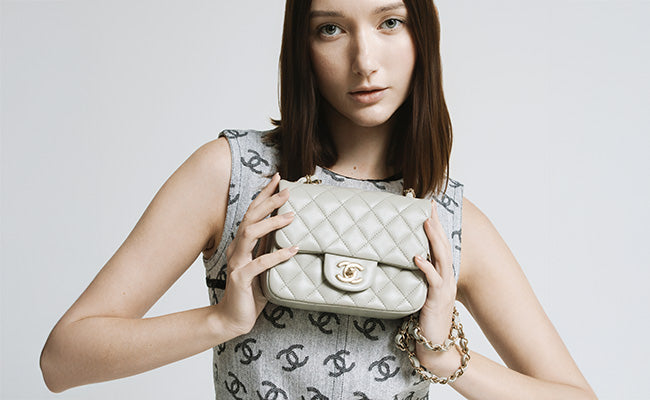
A Chanel bag is like a badge, membership in a club that's not open to everyone. The Classic Flap, with its quilted leather and those unmistakable CCs, signals wealth and taste without saying a word.
Not everyone can just grab one. The price alone keeps it exclusive. When you see someone with a real Chanel, you probably make snap judgments about their money and their style.
But it's not just about the bag. Carrying Chanel shows you get the rules of luxury fashion and can play the game. The brand's tight distribution and limited availability make every purchase feel like an initiation.
Emotional Attachment and Connection
For a lot of buyers, a Chanel bag is less about the wardrobe and more about emotional well-being. These bags get tied to moments, achievements, milestones, big life changes, that give them meaning way beyond their materials.
Some folks save for ages or get one as a gift to mark a major occasion. Others link the bag to a time of personal growth or success.
That's why owners often keep their Chanels for decades. The bag becomes a physical link to memories and feelings, making it tough to let go even if trends shift or the bag shows its age.
Self-Expression Through Luxury
Chanel bags are tools for self-definition. Choosing between a Boy Bag, Classic Flap, or 19 Bag says something about your vibe and personality.
Each style has its own associations. Classic Flap? Timeless, elegant. Boy Bag? Edgy, modern. The choice lets you broadcast your values and self-image, no words needed.
They're also aspirational. Buying a Chanel can mark a turning point, a new job, a shift in status. It's both a reward and a little nudge to keep pushing forward.
Exclusivity, Scarcity, and the Power of FOMO
Chanel keeps many bags hard to get on purpose, limited quantities, seasonal releases, and uneven boutique availability. It's not just about supply. It's about making every purchase feel like a win, not a transaction. This taps straight into our fear of missing out and turns shopping into a chase.
Exclusivity and Boutique Availability
When you can't just walk in and buy exactly what you want, the bag shifts from product to trophy. That “not always available” dynamic builds mystique, and it makes finally landing the right piece feel like a personal victory.
Whether someone experiences this as a wait, a hunt across boutiques, or simply missing a seasonal color, the effect is the same: difficulty becomes part of the desirability.
The Role of FOMO in Driving Demand
FOMO, fear of missing out, drives luxury buying in ways that quality alone just can't. When you see people unboxing the latest Chanel or friends flaunting theirs, it triggers that little voice: "Why not me?"
Research from the University of Portsmouth has linked FOMO to stronger brand passion and higher risk of compulsive brand buying, based on survey findings with consumers.
Chanel leans into urgency with:
- Boutique-first availability before wider visibility
- Client previews that get social media buzzing
- Seasonal drops that disappear fast
- Price increases that nudge buyers to act before it costs more
Scarcity makes things seem more valuable. Chanel knows hesitation can feel like a loss. When you buy, you're not just getting a bag, you're dodging the regret of missing out or getting priced out.
Limited Editions and the Thrill of the Hunt
Chanel releases special variations through seasonal collections, including unique colors, materials, and hardware that may not return. That turns certain pieces into collector targets.
If you miss a specific seasonal version, it may not come back in the same form. That urgency can override logic.
People refresh websites, call boutiques, and search the resale market for a shot at the “one.” The hunt itself can get addictive. When you finally land it, the effort makes the reward feel bigger, and the price easier to swallow.
Resale prices often reflect this. Some limited or hard-to-find Chanels can sell at a premium compared to their original retail price, especially when demand stays high and supply stays tight.
Craftsmanship and Timeless Elegance
Chanel's obsession with detail and classic design draws people in on a gut level. The brand's commitment to quality and timeless looks speaks to buyers who want something permanent in a world that changes fast.
Chanel's Commitment to Quality
Chanel’s reputation is closely tied to construction, materials, and finishing. Authentic pieces are known for consistent stitching, aligned quilting, and hardware designed to feel substantial and wear well over time.
Some finishing steps can be time-intensive, and the overall build quality is a big part of why many buyers view these bags as long-term pieces, not disposable fashion.
The Appeal of Timeless Design
The Classic Flap has stayed remarkably consistent since 1955, and honestly, why mess with a good thing?
Chanel keeps things classic by avoiding overly trendy extras and sticking to recognizable proportions. The quilting, the closure, the chain strap, they work now just as they did decades ago. Buying a Chanel isn't just about today. It's about plugging into a visual history.
The brand often leans on core neutrals like black and beige because those shades don’t really “expire.” When Chanel does release bolder colors, they’re often tied to a specific season.
Influence of Marketing and Celebrity Culture
Chanel's marketing isn't just about splashy ads. It's about picking the right ambassadors, crafting a tight brand story, and using social media to build desire that transcends the product. The result? Chanel bags become cultural icons, not just accessories.
Celebrity Endorsements
Chanel is known for selecting ambassadors and building longer-term brand relationships, rather than swapping faces constantly. That consistency reinforces the brand identity and keeps the image cohesive.
In interviews, Chanel leadership has also emphasized emotional connection and authentic fit, not just reach, as a priority in who represents the house.
Brand Storytelling in Luxury Fashion
Chanel weaves stories around heritage, craftsmanship, and exclusivity. They control details across the full experience, from boutique design to packaging.
When Chanel launched the Gabrielle bag in 2017, the campaign emphasized Coco Chanel's legacy, not just product specs.
Buying Chanel often feels like a rite of passage. Many people mark big moments, first job, milestone birthday, new chapter, with their first Chanel item, whether it's a fragrance or the iconic 2.55. Framing it this way turns shopping into a life event, not just a spend.
The Impact of Social Media
Social media has forced Chanel to walk a tightrope: stay cool for younger buyers, but don’t lose that aura of exclusivity.
Chanel’s own content, runway moments, and real customer excitement can drive massive attention, even without heavy reliance on paid influencer campaigns. The cult of Chanel is, at this point, bigger than any one person.
Purchase Motivations and Psychological Drivers
People buy Chanel bags because of three main psychological pulls: celebrating milestones, nostalgia, and the mental gymnastics we do to justify splurging on luxury.
Self-Reward and Personal Achievement
A lot of us buy Chanel bags to mark a win. Promotion? Big deal closed? Personal goal smashed? Suddenly, a Chanel feels like the perfect reward.
When luxury purchases are tied to achievement, people often report feeling more satisfied than when the buy is purely impulsive. The bag becomes a physical reminder of what you’ve pulled off, turning the purchase into a mini celebration.
Common achievement triggers:
- Career wins (promotions, raises, launching something big)
- Personal milestones (graduating, overcoming a hurdle)
- Life changes (birthdays, anniversaries, new chapters)
- Financial goals (saving up, hitting a target)
The Classic Flap doesn’t just carry stuff. It tells the world you’ve made it to a place where you can afford this level of luxury. That reward loop can cement a long-term bond between you and the bag.
Nostalgia and Brand Loyalty
A lot of us have seen older Chanel bags still looking sharp decades later. That kind of longevity can create emotional connections across generations.
Nostalgia shapes buying decisions more than we admit. Maybe a Chanel reminds you of a relative’s elegance or a moment when you first glimpsed luxury. Those memories can trigger that same reward feeling all over again.
Because Chanel’s design language hasn’t changed much since the mid-20th century, a vintage piece can feel right at home next to the latest collection. Buying into Chanel isn’t just about today’s trend. It’s about joining a style legacy. And honestly, who doesn't crave a little permanence in a world full of throwaways?
Cognitive Dissonance and Value Rationalization
After dropping thousands on a handbag, our brains scramble to explain it away. We say it’s an investment, that the craftsmanship is worth it, or that we’ll use it forever, even if deep down, we’re not totally convinced.
This urge to justify is classic cognitive dissonance reduction. We focus on resale value, materials, and “timeless” design to make the splurge feel smart, not reckless.
Common rationalization strategies:
| Justification | Mental Framework |
|---|---|
| Investment piece | “It tends to hold value well” |
| Cost per wear | “Divided by years of use, it’s reasonable” |
| Quality argument | “I won’t need to replace it” |
| Heirloom logic | “I can pass it down someday” |
Some of these points can check out, especially if you buy thoughtfully and maintain the bag well. But the way we pile on these arguments shows just how much mental energy goes into feeling okay about buying luxury.
Chanel Bags in the Broader Luxury Handbag Landscape
Chanel sits in a strong position in luxury handbags, with high demand, frequent price increases, and active resale interest. It’s often seen as a top-tier brand that still feels attainable compared to the most ultra-exclusive end of the market.
Chanel Bag Investment and Resale Value
Luxury handbags as a category have been tracked as a “passion investment” in reports like Knight Frank’s Wealth Report, which noted handbag performance of 2.8% over one year and 85.5% over a ten-year period.
When retail prices rise, resale pricing often follows, especially for iconic models in strong condition. Classic styles and certain seasonal pieces can retain value well, with demand driven by scarcity, brand recognition, and collector behavior.
Key investment factors:
- Condition: Cleaner bags fetch higher prices
- Rarity: Limited runs and discontinued details can boost demand
- Authentication: Buyers want clear verification the bag’s real
- Timing: Buying before a price jump can protect value
The secondary market is active, and pricing varies widely based on size, leather, year, and overall condition. The most in-demand pieces can command significant premiums, while more common configurations may trade closer to retail.
Frequently Asked Questions
Chanel bags hit all the right psychological notes: status, gorgeous materials, history, and that tactile thrill of actually holding one. Authentication and condition checks add another layer of emotional investment, especially on the resale side. Even the hunt for a consignment deal has its own kind of excitement.
What psychological factors contribute to the allure of owning a Chanel bag?
Chanel bags are status symbols, plain and simple. The brand’s prestige rubs off on every bag, even if you’ve never set foot in a boutique.
But it’s more than that. These bags become part of your identity, a statement about who you are (or wish you were). Limited availability creates scarcity, which makes them feel even more desirable. Who doesn’t want what’s hard to get?
Buying one can light up the reward system in your brain. That dopamine rush is real, and it’s why buying a Chanel feels worlds apart from picking up a regular bag.
How does the craftsmanship and material quality of Chanel bags affect their desirability?
Chanel’s materials and construction are a big part of the appeal. Lambskin is known for its softness and how it wears over time, while caviar leather is often chosen for its durability. The quilting and assembly require detailed work, and finishing choices like hardware and edge work affect how the bag looks and wears long-term.
Because of this, many buyers feel more confident spending serious money on a bag they expect to keep, carry, and maintain for years.
Can the emotional appeal of Chanel bags be traced back to their iconic status in fashion history?
Coco Chanel introduced the 2.55 in 1955, bringing a quilted handbag with a chain strap that helped free up women’s hands. Knowing that history adds depth, it’s not just an accessory, it’s a piece of fashion lore.
Some details are also wrapped in brand storytelling and long-repeated lore. You’ll often hear interpretations of design elements that connect back to Coco Chanel’s life, whether or not every story can be verified the same way.
What role does the experience of purchasing and unboxing a Chanel bag play in creating attachment?
Buying a Chanel isn’t just a transaction, it’s a whole production. Sales associates present items in a way that makes it feel like an event.
Unboxing is its own thrill. The box, tissue, dust bag, and all those layers build anticipation. Depending on the item’s era, authentication details may include older card-based materials or newer embedded authentication technology. By the time you actually touch the bag, you’re already emotionally invested.
It’s not an accident. It’s designed to make you remember the moment and feel good about what you just did.
How do condition and authenticity checks influence the emotional value of Chanel bags on the resale market?
Authentication matters, a lot. Nobody wants to worry their bag’s fake, so buyers often seek professional verification. It’s peace of mind, and it makes the whole experience better.
Condition also shapes how we feel. Wear to corners, scratches, tarnish, stains, and interior marks affect both market value and buyer confidence. The more certain you feel about authenticity and condition, the more enjoyable (and less stressful) the purchase becomes.
In what ways does consignment shopping for Chanel bags offer a unique thrill compared to buying new?
Consignment shopping taps into that treasure-hunting urge we all get sometimes. You’re scrolling through listings or shelves, never quite sure what you’ll find next, maybe a discontinued style or a rare seasonal version that’s vanished from boutiques. Each bag has its own quirks, a bit of history, and honestly, that can make the hunt even more addictive.
There’s something about the pricing, too. Instead of just swallowing the sticker shock at a boutique, you start comparing numbers. Finding a configuration you love for less than current retail can feel like a win, and it turns the purchase into a “smart find,” or so we tell ourselves.
And hey, consignment can reduce some of that luxury-buying guilt. You’re giving a bag a second life, keeping things circulating instead of only buying new. That feels better, right?
Love Hermès? See More from Rome Station
Add us to your Preferred Sources on Google to see our newest Hermès guides and insider tips first.