
Why Chanel Bags Are Becoming Investment Assets for Luxury Collectors
Check out our Chanel collection!
Luxury handbags have quietly shifted from wardrobe staples to serious financial assets, and Chanel bags are leading this transformation.
According to the Knight Frank Wealth Report 2025, handbag investments appreciated by 2.8% over the past year and an impressive 85.5% over the past decade, outperforming many traditional collectibles like art and wine.
Chanel bags, especially iconic styles like the Classic Flap and Boy Bag, have become sought-after investment pieces thanks to limited production, steady price hikes, and strong performance in the resale market.
We've watched ultra-high-net-worth collectors treat these bags with the same strategic thinking they'd apply to stocks or real estate. The difference? You can actually wear your investment to dinner.
Hermès bags retain an average of 103% of their retail value, and certain Chanel styles often exceed their original retail prices on resale platforms, making them attractive to collectors who want both beauty and financial returns.
Chanel's biannual price increases, strict production quotas, and decades of brand heritage create a perfect storm of scarcity and demand.
For collectors who focus on condition, provenance, and timing, a well-chosen Chanel bag offers something rare: an asset you can enjoy while it appreciates.
Key Takeaways
- Chanel bags have appreciated 85.5% over the past decade, outperforming traditional luxury collectibles
- Limited production and biannual price increases drive strong resale value and long-term appreciation
- Condition, authenticity documentation, and iconic styles determine investment quality and returns
Why Chanel Bags Attract Luxury Investors
We're seeing a shift in how collectors view luxury handbags. Chanel leads as investors recognize these pieces as legitimate alternative assets that can deliver measurable returns alongside traditional portfolios.
Rise of Fashion Investment
The luxury handbag market has grown into a serious investment category, projected to hit nearly $51 billion by 2026, with handbags representing about 40% of all transactions. This transformation really picked up speed between 2020 and 2025, as luxury fashion pieces began consistently outperforming more conventional investments.
Research tracking 20 luxury fashion items found that seven of the top ten performers were handbags. The Chanel Classic Flap bag topped the list with 93% value growth, jumping from $5,850 in 2020 to $11,300 in 2025.
These aren’t just accessories anymore. Investment-grade handbags now compete directly with stocks, bonds, and precious metals in diversified portfolios. The numbers show that luxury investment returns from fashion pieces have matched or even beaten traditional markets during periods of economic uncertainty, making them appealing as hedges against volatility.
Unique Allure of Chanel Handbags
Chanel's investment appeal comes from deliberate scarcity and exceptional craftsmanship. The brand controls production quantities and distribution, creating intense competition among collectors when pieces become hard to obtain through official retail channels.
Limited-production pieces can generate exceptional returns. The Chanel Graffiti Backpack from 2014, for example, appreciated 67%, rising from $9,000 to $15,000, showing how discontinued designs command premium pricing in secondary markets.
Quality matters a lot in resale performance. Each Chanel bag goes through meticulous construction processes that ensure longevity, so these pieces maintain their structure decades after purchase. This durability directly impacts investment potential because condition largely determines resale values.
Status Symbols and Global Recognition
Chanel's brand power gives it universal desirability that crosses geographic and cultural boundaries. The interlocking CC logo sparks instant recognition across markets, creating steady demand that supports price appreciation no matter what’s happening in the economy.
This global appeal helps protect investment values during market fluctuations. Unlike regional luxury brands, which can be hot in one place and cold in another, Chanel keeps strong collector interest in Paris, Tokyo, New York, and even emerging luxury markets at the same time.
We've noticed this status factor drives value in both directions. Retail price increases immediately impact secondary market valuations, as seen when Chanel's biannual pricing strategies consistently trigger jumps in resale platforms. Styles like the Deauville Tote and 22 Chain Hobo often exceed their initial retail prices, showing how brand prestige creates premium pricing power that benefits collectors holding these pieces.
How Chanel Bags Appreciate in Value
Chanel bags have shown remarkable price appreciation thanks to strategic pricing adjustments, steady demand for signature styles, and tightly controlled production. The brand’s approach to value retention centers on exclusivity and decades of fashion heritage.
Consistent Price Increases
Chanel regularly implements biannual price increases that impact both retail and resale values. The Classic Flap bag is a perfect example, rising from about $1,000 in the 1980s to a range of $3,350 to $11,500 by November 2023. More recently, the Classic Flap jumped from $5,850 in 2020 to $11,300 in 2025, a 93% increase in just five years.
The Medium Classic Flap doubled from $4,400 in 2012 to $8,800 in 2022. These systematic hikes reflect rising material and labor costs, but also Chanel’s strategy to position handbags as investment-grade luxury goods. When retail prices go up, resale values usually follow, creating appreciation opportunities for existing owners.
Demand for Iconic Models
The Classic Flap and 2.55 Reissue consistently see higher demand than supply in both primary and secondary markets. These signature styles benefit from their connection to Chanel's heritage and their status as recognizable symbols of luxury fashion. Limited quantities create competition among buyers, especially through Chanel's private boutiques for elite clientele.
Certain models regularly exceed their original retail prices on the resale market. The Deauville Tote, 22 Chain Hobo, and Coco Top Handle often sell above their initial purchase price. The resale value of pre-owned Chanel bags has appreciated by 132% over the past decade, driven by demand for these iconic styles. Vintage pieces from the 1990s have shown exceptional appreciation, with Medium Classic Flaps that originally cost $1,200 now commanding over $6,000.
Limited Editions and Rarity
Chanel keeps handbag production limited to preserve exclusivity and drive value appreciation. Limited edition pieces feature unique designs produced in small batches, making them especially desirable among collectors. Special editions might celebrate milestones or collaborations with artisans like embroidery house Lesage.
These rare pieces command premium prices in the resale market because of their scarcity and distinctive features. The strategy prevents oversaturation and creates urgency among buyers. Collectors actively hunt for limited editions and vintage options for their investment potential and sustainability appeal, knowing future availability will stay tight.
Chanel Handbags That Drive Top Returns
Certain Chanel styles consistently outperform others in the resale market, with the Classic Flap and 2.55 Reissue leading the pack through price appreciation exceeding 100% over the past decade. Newer models and discontinued pieces are also emerging as strong contenders for collectors seeking both style and financial returns.
Classic Flap and Variants
The Classic Flap is still the undisputed champion of Chanel investment pieces. Since its debut in 1955 by Gabrielle Chanel, this bag’s retail prices have soared by over 100% in the past ten years, and resale values have followed.
The medium Classic Flap in caviar leather is the sweet spot for investors. Its versatile size and durable material make it a hot commodity on the secondary market. Limited colorways and seasonal fabrics can command even higher premiums, often selling for 20-30% above retail if they're in pristine condition.
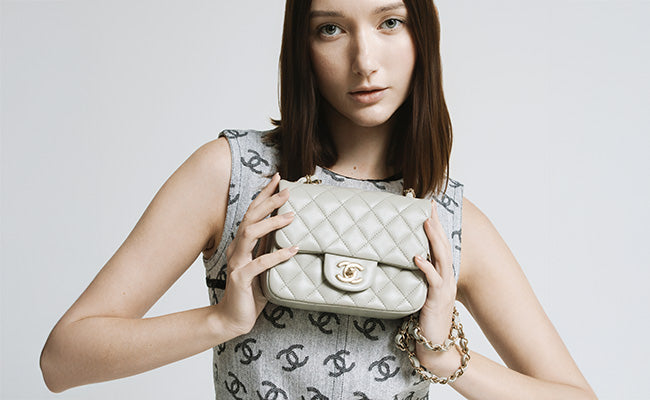
Double flap versions with original hardware usually outperform single flap variants. The quilted design, signature CC turn-lock, and woven leather chain create an instantly recognizable silhouette that never really goes out of style. Black and beige remain the most liquid colors for resale, though rare shades can fetch exceptional returns.
2.55 Reissue Collectibility
The 2.55 Reissue means a lot to serious collectors because of its historical importance. Named for its February 1955 launch, this bag features the original mademoiselle lock and chain strap without leather interweaving, setting it apart from the Classic Flap.
Value appreciation for the 2.55 Reissue has topped 100% in the last decade. The bag’s minimalist look appeals to purists who appreciate its link to Gabrielle Chanel’s original vision. Vintage Chanel bags from the Karl Lagerfeld era, especially 2.55 Reissues, have become even more coveted since his passing in 2019.
Collectors love the burgundy lining and exterior back pocket, details that nod to the bag's heritage. Limited edition releases and anniversary versions command significant premiums on resale platforms.
Emerging Must-Have Styles
The Chanel 25, launched in 2025, has quickly become this year's breakout investment piece. Resale prices are already soaring 80% above retail, thanks to high demand and limited availability. Its classic design language with contemporary proportions makes it instantly desirable.
The Boy Bag, introduced in 2011, keeps gaining traction among investors. Its edgy look and chunky chain have helped it achieve over 100% value appreciation. We're also seeing strong performance from the Deauville Tote and 22 Chain Hobo, both exceeding their original retail values.
The now-discontinued Grand Shopping Tote (GST) is a textbook example of how scarcity drives value. Since Chanel stopped making it, resale prices have climbed over 100%, making it a sought-after piece for practical luxury.
Rising Stars: Vintage and Pre-Owned Bags
Pre-owned Chanel bags have experienced a major resurgence, especially since the pandemic. The secondary market now offers chances to snag pieces that have already appreciated, with potential for even more growth.
Vintage Chanel bags from the 1990s and early 2000s are attracting real collector attention. The discontinued Medallion Tote and Diana Flap Bag, both showing 100%+ appreciation, stand out as strong vintage investments. They benefit from both their discontinued status and association with Chanel’s storied history.
The Camera Bag has emerged as a sleeper hit, with prices increasing 75-100% over the past decade. Its compact, vintage-inspired look resonates with younger collectors entering the market. Even the Wallet on Chain (WOC), despite its more accessible price, has doubled in value, proving that even entry-level Chanel handbags can deliver real returns.
Condition is everything in the pre-owned market. Bags in pristine or excellent shape with original packaging and authenticity cards command the highest premiums.
Factors That Influence Chanel Bag Investment Quality
Several factors determine whether a Chanel handbag will appreciate over time, from authentic provenance and the brand's history to the quality of materials and how well the piece has been maintained.
Authenticity and Brand Heritage
Authenticity is absolutely crucial when considering a Chanel bag as an investment. Counterfeit bags flood the market, but only genuine pieces carry real value.
The legacy established by Coco Chanel still drives demand for authentic pieces. When she introduced the first quilted handbag in 1955, she changed luxury accessories by combining practical design with timeless elegance. That legacy still affects resale values today.
Documentation matters a lot for investment-grade Chanel handbags. We always recommend keeping original receipts, authenticity cards, and dust bags. These items help verify provenance and can bump up resale value by 10-15%.
Limited editions and vintage pieces from specific collections often command premium prices. Bags made in rare colorways or unique materials typically perform better in the secondary market than standard offerings.
Materials and Craftsmanship
Chanel’s commitment to quality materials directly influences investment potential. The brand uses premium lambskin, caviar leather, and exotic skins like python and alligator. Caviar leather tends to retain value better than lambskin because it’s more durable and scratch-resistant.
Hardware quality plays a big role in long-term value. Chanel uses high-grade metals that resist tarnishing, and we’ve noticed bags with gold or ruthenium hardware often keep stronger resale values. The interlocking CC logo and chain straps are hand-assembled, requiring hours of skilled labor.
Construction techniques matter too. Each Chanel handbag involves multiple artisans who hand-stitch and assemble components using methods passed down through generations. This careful craftsmanship means bags can last for decades, which directly relates to investment value.
Bag Condition and Preservation
Condition can make or break investment returns on Chanel handbags. Bags in pristine or excellent condition fetch much higher prices in the secondary market. Even minor wear on corners, handles, or hardware can knock resale value down by 20-30%.
Proper storage protects your investment. We recommend keeping Chanel bags in their original dust bags, stuffed with acid-free tissue paper to keep their shape. Store them in climate-controlled spaces away from direct sunlight, which can fade colors and damage leather.
Regular maintenance preserves value over time. Professional cleaning and conditioning should happen annually for bags you use often. Avoid exposing lambskin to rain or moisture, and deal with scratches or stains right away. Hardware should be polished gently with the right products to prevent tarnishing.
Where Luxury Collectors Buy and Sell Chanel Bags
The secondary market for Chanel bags has grown into a pretty sophisticated ecosystem where collectors buy, sell, and trade iconic pieces. Established auction houses, dedicated resale platforms, and specialized boutiques now offer authenticated inventory that often rivals what you’ll find in retail stores.
Resale Platforms for Chanel
We’ve seen major platforms become go-to destinations for pre-owned Chanel bags. Sotheby’s runs both auctions and Buy Now options, with prices ranging from $3,000 for Micro Mini Flap bags to over $30,000 for limited editions. Their specialists authenticate every piece and provide market valuations backed by their global network.
The RealReal and Vestiaire Collective have built strong reputations in the luxury handbag world. Both platforms authenticate items before listing and offer buyer protection policies. The RealReal even has physical stores in major cities where you can check out bags in person, while Vestiaire Collective connects buyers directly with sellers worldwide.
Christie’s and other auction houses regularly feature Chanel in their handbag sales across New York, Paris, London, and Hong Kong. These auctions often showcase rare vintage pieces and limited editions that can fetch prices well above current retail.
Evaluating Marketplaces
Authentication standards swing wildly between platforms. It makes sense to pick sellers who work with third-party authentication services or have in-house experts you can actually verify. Sotheby's and the big auction houses typically hand over condition reports and provenance docs with every sale.
Commission structures, well, they hit both buyers and sellers. Most sites take a seller's commission of 15-30%, then tack on a buyer's premium of 10-25% to the final price. Peer-to-peer platforms like Vestiaire Collective usually have lower fees, but you’ll need to do more homework yourself.
Return policies and buyer protections are a big deal, especially when you’re dropping thousands on a bag. Aim for platforms that promise authentication and offer at least a 7-14 day return window.
Tips for Maximizing Resale Value
Keeping the original packaging, authenticity cards, and receipts really pays off. Bags with all their documentation often sell for 10-20% more than those missing the paperwork.
Condition is everything. Getting a bag professionally cleaned or lightly restored before selling can bump up the price, but too much restoration? That just raises red flags about authenticity. Classic colours, think black, beige, navy, especially in caviar or lambskin, tend to beat out the seasonal ones every time.
Timing matters more than most folks realize. Listing right after Chanel bumps up retail prices often attracts buyers looking for a deal on pre-owned pieces. Limited editions and discontinued styles? They can fetch serious premiums when collectors are on the hunt.
Incorporating Chanel Bags into an Investment Portfolio
Chanel bags can actually pull their weight as alternative assets in a bigger investment strategy. They offer tangible value and shake up the usual portfolio mix. If we're looking at these bags as financial tools, we need to think strategically, just like we would with any high-end asset.
Diversification Benefits
Adding Chanel bags to your portfolio brings in an asset class that doesn't really dance to the same tune as stocks or bonds. While markets bounce around, luxury handbags react to things like brand scarcity, collector hype, and fashion cycles.
Some Chanel styles have gone up in value even when the markets tanked. That kind of counter-cyclical action is rare, and it can be comforting to actually hold a valuable object instead of just staring at numbers on a screen.
Why bother diversifying with Chanel?
- You own something physical with real value
- Their prices don’t swing with the stock market
- Tangible goods can shield you from currency swings
- Global demand keeps them relevant no matter where you live
Most experts say luxury investments shouldn’t take up more than 5-10% of your portfolio. Treat Chanel bags as a side play, not a substitute for real estate or stocks. That way, you get the perks of luxury without going all-in on a single asset.
Long-Term Strategies for Collectors
Building a solid Chanel collection takes patience and a bit of strategy. It’s not about grabbing every new release. We zero in on classics that have shown they can appreciate over time.
The savviest collectors chase limited editions, discontinued models, and icons like the Classic Flap. These consistently pull in higher prices on the resale market. Proper storage and regular maintenance are non-negotiable, since condition is king.
We keep an eye on resale trends to spot which styles are heating up. Some, like the Deauville Tote and the 22 Chain Hobo, sometimes sell for more than their original price tags. Holding onto a bag for three to five years usually gives scarcity and demand time to do their thing.
Documentation and original packaging do wonders for resale value. We keep thorough records and condition reports for each piece, treating our Chanel bags with the same care we’d give any serious investment.
Frequently Asked Questions
Chanel bags get a lot of buzz among investors, and for good reason. Their prices keep climbing, supply is tight, and the resale performance often rivals more traditional assets. Understanding what drives that value can help you make smarter moves with your luxury portfolio.
What's the secret behind a Chanel bag's value skyrocketing over the years?
Chanel’s frequent price hikes build in appreciation that’s tough to match. The Classic Medium Flap, for example, jumped from $10,800 to $11,300 between 2024 and 2025. So, even a bag bought last year is already worth more at retail.
Chanel sticks to old-school craftsmanship and top-tier materials, which helps justify those prices. Every bag is hand-stitched, with hardware that’s basically jewellery, and techniques passed down through generations.
Chanel never makes enough to meet demand for their most wanted styles. That deliberate shortage keeps buyers scrambling, which pushes up both retail and resale prices.
How does the rarity and exclusivity of certain Chanel models influence their asset potential?
Limited editions and discontinued styles can become investment goldmines. When Chanel stops making a particular design or colour, whatever’s left instantly becomes more desirable to collectors, and that means higher prices.
The Classic Flap and 2.55 keep their status because they’re iconic, but Chanel still limits how many hit the market. They don’t flood stores with these, so exclusivity stays intact.
Seasonal and runway-only pieces? Those can shoot up in value fast, especially when produced in tiny numbers. We’ve seen some limited editions go for several times their original retail price within months.
Could you break down the historical appreciation rates of Chanel bags for us collectors?
The numbers are pretty wild. The Classic Flap bag saw 93% value growth over five years, beating out a lot of traditional investments.
Between May 2020 and November 2021, Chanel pushed through multiple price hikes, anywhere from 5% to 17% depending on the style. The Classic Flap and 2.55 jumped 12-15% in just three months in 2021. The Chanel 19 was up 10%, and some Flap styles rose 15% in that same window.
This isn’t a one-off thing. Since the pandemic, Chanel’s raised prices again and again, with no signs of stopping. That steady appreciation makes it easier for collectors to predict future value.
What pointers should collectors consider when picking a Chanel bag for long-term investment?
Stick with classics over fleeting trends. The Classic Flap, 2.55, and Boy bags have decades of solid performance behind them, making them safer bets.
Condition can make or break a resale. Keep the original packaging, authenticity cards, and receipts, these boost resale value, sometimes dramatically. Buyers will pay more for a bag that’s well-kept and comes with all the extras.
Neutral shades like black, beige, and navy tend to appreciate more reliably than bold or seasonal colours. Sure, rare colours might sell high, but they appeal to a smaller crowd, so it’s a gamble.
Timing matters. Buying right before a price increase gives you an instant bump in value. Watching Chanel’s pricing patterns can help you get ahead of the curve.
Why do Chanel bags outperform traditional investments like stocks and bonds in some portfolios?
Chanel bags offer something you can actually use and enjoy while they gain value. Stocks just sit there on paper, but a Chanel bag can be worn, admired, and still appreciate.
The luxury handbag market has shown surprising strength during economic downturns. While stocks might nosedive, Chanel keeps its prices firm and demand steady, even in recessions, wealthy buyers keep collecting.
Luxury handbags also help diversify your portfolio. Their value doesn’t move in lockstep with stocks or bonds, so they can cushion your investments from market swings. When equities drop, luxury goods often hold steady or even climb.
How does the secondary market for Chanel bags impact their status as collectible investments?
The resale market gives Chanel bags a kind of liquidity you just don’t get with most luxury purchases. Instead of letting a bag sit on a shelf, buyers know they can usually turn it back into cash pretty quickly. That takes some of the risk out of the equation.
Demand for Chanel on the secondary market is strong enough that resale prices often stay high. In fact, plenty of pre-loved Chanel bags sell for as much or even more than their original retail price. Some limited editions and vintage finds? Those can go for several times what they originally cost. It’s proof that these bags aren’t just for show, they can actually hold real investment potential.
Trusted resale platforms and authentication services have made the whole process feel more legitimate. Auction houses like Sotheby’s now run Chanel handbag sales, bringing a level of expertise and credibility that wasn’t always there. Their teams vet the bags, so buyers get some peace of mind about authenticity and fair pricing.
These days, resale premiums for certain Chanel styles are catching up to those legendary Hermès bags. That’s saying something. It feels like the market is starting to treat Chanel as a serious investment option, not just a fashion statement.
Love Hermès? See More from Rome Station
Add us to your Preferred Sources on Google to see our newest Hermès guides and insider tips first.

