
When Holding a Hermès Bag Longer Can Increase Returns
TL;DR
Holding a Hermès bag longer can support stronger resale outcomes when the bag has the right mix of model, size, leather, colour, condition, and documentation. In the Hermès bag resale value market, Birkin and Kelly bags often benefit from patience because scarcity, boutique access limits, and shifting buyer demand can make well-preserved pieces more desirable over time. Compact sizes, neutral colours, rare configurations, and exotic leathers may perform especially well when released into the market at the right moment. The key is not simply waiting. It is holding the right bag, storing it properly, maintaining provenance, and selling through a trusted authenticated resale channel when buyer demand is strong.
Check out our Hermès collection and Birkin bags!
Some luxury bags are bought to enjoy. Others are bought to collect, preserve, and eventually resell with care. Hermès sits in a rare position because certain Birkin and Kelly bags can remain highly desirable long after their original boutique purchase.
For collectors, the question is not always whether to sell. It is when to sell. Understanding Hermès bag resale value means looking beyond retail price and focusing on scarcity, model demand, leather choice, condition, and timing. A bag listed too quickly can compete with similar recent releases, while a carefully held piece may benefit from reduced availability and stronger collector interest.
This market insight explains when holding a Hermès bag longer can increase returns, which models tend to benefit most from patience, and how Canadian sellers can protect long-term value before consigning or selling.
Key Takeaways
- Holding a Hermès bag for several years can support stronger resale when scarcity, condition, and buyer demand align.
- Birkin 25, Kelly 25, Mini Kelly, neutral colours, classic leathers, and rare configurations often attract the strongest collector attention.
- Documentation, careful storage, and authenticated resale channels are essential for protecting buyer confidence and long-term value.
Why Hermès Bags Can Reward Longer Holding Periods
Hermès bags perform differently from most luxury accessories because demand is not driven only by fashion cycles. Limited availability, brand heritage, craftsmanship, and buyer psychology all influence how a bag performs in the secondary market. This is why some collectors prefer to hold carefully chosen pieces instead of selling immediately.
Scarcity Creates Long-Term Buyer Interest
Hermès does not follow the usual fashion house rhythm of heavy seasonal output. Birkin and Kelly bags are not simply available in every colour, size, and leather at any boutique. This built-in scarcity shapes resale demand because buyers often turn to the secondary market when they want immediate access to a specific configuration.
Some sizes, including the Birkin 25, Kelly 25, and Mini Kelly, tend to appear in smaller quantities and attract strong attention when they are in excellent condition. Rare colours, discontinued shades, special-order combinations, and harder-to-find leathers can become more desirable once fewer examples are available.
Waiting can help when the first wave of market activity settles. If several similar pieces appear shortly after a seasonal release, a seller may face more competition. Holding the bag until supply thins out can give a well-documented piece a stronger chance to stand apart.
Craftsmanship and Heritage Support Resale Confidence
Hermès bags are made to last, and that matters in the resale market. The house began in 1837 as a harness maker, and its leatherworking heritage remains central to the way buyers view the brand. A well-preserved Birkin or Kelly is not judged only as a fashion item. It is judged as a crafted object with history, structure, and long-term desirability.
Buyers look closely at construction when purchasing pre-owned Hermès. Stitching should appear even and tight. Hardware should align properly. Edges should look clean and sealed. Shape, structure, and leather condition all influence whether a buyer feels confident paying a premium.
The Birkin’s origin story also adds to its reputation. Hermès describes the bag as being created in 1984 after a meeting between Jane Birkin and Jean-Louis Dumas, then Executive Chairman of Hermès. The Kelly has its own history, with Hermès tracing its roots to a Robert Dumas design from the 1930s that later became associated with Grace Kelly. These stories do not replace condition or authenticity, but they reinforce why collectors continue to treat these bags as long-term pieces.
Material Choice Affects Long-Term Desirability
Material choice really matters for performance and buyer taste. Togo leather remains one of the most widely sought-after Hermès leathers because it offers a balance of texture, durability, and everyday usability. It appeals to buyers who want a bag they can use without feeling overly cautious about every mark.
Epsom leather also performs well, especially for structured Kelly Sellier styles. Its embossed finish helps maintain shape, which can be attractive to buyers who prefer sharper lines. Clemence offers a softer look and feel, while Box calf appeals to collectors who appreciate smooth leather and patina, although condition becomes especially important with more delicate finishes.
Exotic leathers can attract serious collectors, but they require greater care and a narrower buyer pool. When stored properly and supported by strong provenance, rare exotic pieces may benefit from longer holding periods because comparable inventory can be limited.
How Hermès Pricing and Access Influence the Secondary Market
Hermès resale demand is shaped by more than the bag itself. Boutique access, regional pricing, currency shifts, and the difficulty of sourcing specific models all influence how buyers behave in the secondary market.
Retail Access Is Limited and Unpredictable
Many collectors describe Birkin and Kelly bags as quota bags because access is often limited through boutique allocation. Buyers cannot usually walk into a boutique and choose any Birkin or Kelly in their preferred size, leather, colour, and hardware. This makes retail buying unpredictable.
There is no simple public shopping path for many of the most sought-after combinations. Buyers often build boutique relationships, purchase across categories, and wait without certainty that the exact bag they want will become available. For some clients, that process is part of the appeal. For others, it makes authenticated resale more attractive.
Because resale offers immediate access, certain bags can command premiums when they are pristine, rare, or difficult to source through traditional retail channels.
Retail Price Changes Can Reset Buyer Expectations
Hermès retail prices can change over time, and those changes influence the secondary market. When boutique prices rise, buyers often reassess the difference between waiting for retail access and purchasing an authenticated resale piece immediately.
Secondary market values do not always move at the same pace as retail prices. Some bags adjust quickly because demand is deep and supply is limited. Others take longer because resale buyers compare condition, provenance, colour, and current market availability before making an offer.
This is where holding can matter. A bag purchased carefully and preserved well may look more attractive after retail pricing, boutique access, and market supply have shifted. However, patience only helps when the underlying model and configuration remain desirable.
Canadian Buyer Behaviour Matters
Canadian luxury resale buyers often look for confidence, convenience, and clarity. They want authentication, transparent condition details, fair market guidance, and a trusted buying experience. For Hermès buyers, the ability to access rare bags without waitlists or pre-spend can be a major advantage.
Regional factors can also affect pricing. Currency fluctuations, taxes, duties, and cross-border buying costs all shape how Canadian buyers compare local resale options against international listings. A bag available through a trusted Canadian reseller can feel more convenient and less uncertain than importing from abroad.
For sellers, this means the best result often comes from presenting the bag clearly, documenting its history, and choosing a resale path that gives buyers confidence.
Which Hermès Bags Benefit Most From Being Held Longer?
Not every Hermès bag performs the same way over time. Long-term value depends on the model, size, leather, colour, hardware, condition, and how many similar pieces are available when the seller decides to list.
Birkin 25 and Birkin 30
The Birkin 25 draws strong attention on the resale market because it fits the current preference for compact, wearable luxury bags. It is practical, elegant, and not always easy to find in stores. When a Birkin 25 appears in a neutral colour, desirable leather, and excellent condition, it often attracts serious interest.
The Birkin 30 still holds its place as a classic. It offers more capacity and a traditional Birkin silhouette, which appeals to buyers who want a slightly more functional everyday size. Demand can be strong when the bag has a timeless colour, clean hardware, and complete accessories.
Togo leather continues to perform well for both sizes because of its soft but structured feel. Epsom can also perform strongly, especially where buyers prefer a more structured look.
Kelly 25 and Mini Kelly
The Kelly bag appeals to buyers who prefer a more formal silhouette. Sellier construction, with its sharp edges and structured profile, often attracts collectors looking for a polished look. Retourne construction feels softer and more relaxed, which can appeal to buyers who want a less rigid everyday bag.
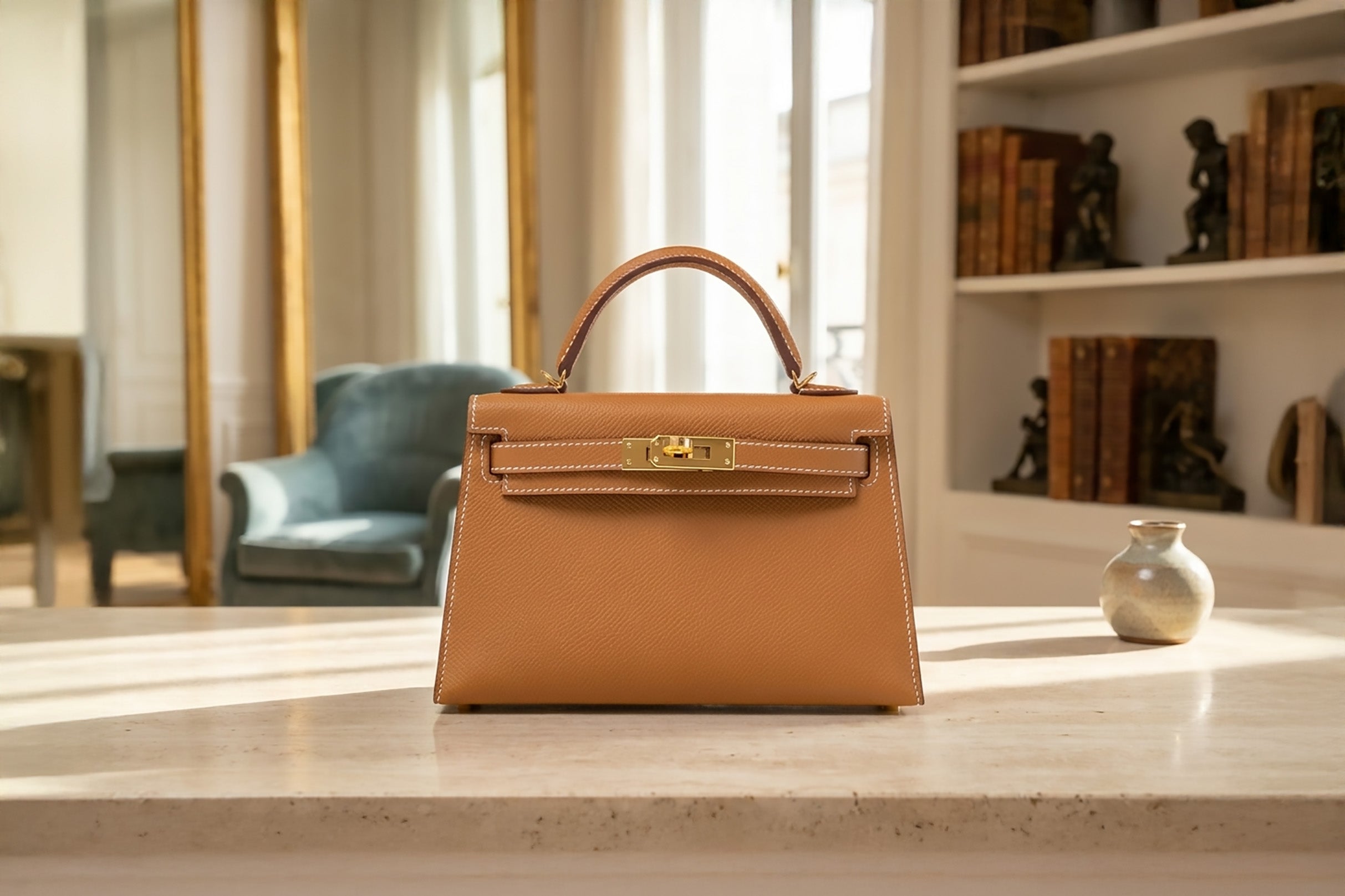
The Kelly 25 and Mini Kelly are especially competitive because they combine compact proportions with strong collector demand. The Mini Kelly, in particular, appeals to buyers who see it as both a statement piece and a difficult-to-source collectible.
These bags may benefit from holding when the colour, leather, and hardware combination remains scarce. A well-preserved Mini Kelly or Kelly 25 in a desirable neutral or soft seasonal shade can become more compelling when fewer comparable listings are available.
Colour, Hardware, and Leather Combinations
Colour separates fast sellers from slower listings. Neutrals tend to attract the widest buyer pool because they work across wardrobes and seasons. Black, Gold, Etoupe, and Etain are often considered safe, versatile choices. Softer shades such as Nata and pale pinks can also perform well when paired with the right leather and hardware.
Bright or seasonal colours can be more complex. They may attract immediate excitement when released, but their audience can narrow over time. Some shades regain interest once they become harder to find, while others remain more niche. This is why timing matters.
Hardware also influences buyer interest. Gold hardware gives a warmer, classic look. Palladium feels cooler and more modern. Special finishes can attract collectors, but they may take longer to sell because the audience is smaller.
Condition, Provenance, and Storage Determine Whether Waiting Helps
Holding a Hermès bag longer only helps if the bag remains desirable while it is being held. Poor storage, missing accessories, or visible wear can weaken resale performance even when the model itself is strong.
Condition Drives Buyer Confidence
Authentication is essential, but condition often drives the final offer. Hermès bags with minimal hardware scratches, clean interiors, strong structure, and well-preserved corners usually inspire more buyer confidence than bags showing heavy wear.
Minor signs of careful use do not necessarily ruin resale potential. Buyers understand that some pre-owned bags have been enjoyed. What matters is whether the wear appears consistent, disclosed, and manageable. Obvious damage, colour transfer, edge wear, collapsed structure, or neglected leather can make buyers hesitate.
For long-term holding, the goal is simple. Preserve shape, protect leather, avoid unnecessary exposure, and keep the bag in a condition that supports premium presentation when it reaches the resale market.
Documentation and Packaging Add Trust
Provenance builds trust. Original receipts, dust bags, boxes, care booklets, rain covers, clochette, lock, and keys can all support buyer confidence. These details do not replace professional authentication, but they help tell a clearer ownership story.
When sellers document accessories with photos and accurate descriptions, buyers hesitate less. Complete packaging can also help a listing stand out when similar bags are available.
For authenticated resale, the strongest presentation usually includes clear condition grading, detailed photography, material and colour identification, accessory notes, and transparent disclosure of wear.
Storage Mistakes Can Reduce Returns
Bad storage habits can hurt a bag’s resale value. A Hermès bag should not be left in direct sunlight, stored in a damp space, or placed somewhere with unstable temperature and humidity. Heat, dryness, moisture, and sunlight can affect leather, colour, structure, and hardware.
Some sellers overstuff their bags or let them collapse, which can change the shape over time. Birkins and Kellys need gentle support while in storage. The bag should keep its natural form without being forced or stretched.
It is also important to check stored bags periodically. Waiting several years without inspection can allow small issues to become larger problems. Careful storage protects the reason for holding the bag in the first place.
When Is the Best Time to Sell a Hermès Bag?
Timing matters because resale is influenced by buyer demand, similar inventory, retail context, and seasonal behaviour. The right listing moment can help a strong bag receive better attention.
Wait When the Market Is Crowded
If many similar bags appear at once, sellers may face more competition. This can happen after a popular release, during a wave of consignments, or when a certain colour or size becomes widely discussed online.
Waiting can help when the bag is desirable but currently surrounded by similar listings. Once the market becomes less crowded, a well-preserved piece with strong documentation can feel more special.
List When Demand Is Clear
Demand often strengthens when buyers are planning wardrobe updates, preparing for major occasions, or comparing resale options after retail price changes. Spring and fall can be active periods for luxury wardrobe decisions, although the best timing depends on the specific bag and current inventory levels.
Instead of relying only on a calendar, sellers should look at comparable listings. If similar bags are scarce, priced strongly, and moving quickly, it may be a good time to consign. If the market is saturated, holding a little longer may be more strategic.
Avoid Holding Without a Plan
Holding is not automatically better. A seller can miss a strong opportunity if demand for a model, colour, or size peaks and then softens. The best approach is to review the market periodically, preserve the bag carefully, and seek expert guidance before deciding whether to list or wait.
For collectors, timing works best when it is tied to actual market signals, not guesswork. The question is not simply how long the bag has been held. It is whether the current market rewards that specific bag.
Why Authenticated Resale Channels Matter
Authentication sets trustworthy luxury resale apart from riskier peer-to-peer deals. Buyers in this category expect professional verification, transparent condition reporting, and a seller they can trust.
Buyers Pay for Certainty
Authenticated resale gives buyers the confidence to consider rare and high-value bags without the uncertainty of private transactions. For Hermès, that confidence is especially important because the secondary market includes many variations, production details, and condition factors.
A trusted resale channel can help present the bag properly, verify its authenticity, explain condition clearly, and connect it with qualified buyers who understand the market.
Rome Station’s Role in the Canadian Hermès Market
Rome Station specializes in rare, investment-grade Hermès handbags, along with select Chanel and other luxury pieces. Founded in 2011, the company offers buyouts, trade-ins, consignment, authentication, and a lifetime authenticity guarantee.
For Canadian sellers, this creates a more convenient path than navigating uncertain private offers or international resale logistics. For buyers, it offers immediate access to coveted bags without waitlists or pre-spend, supported by expertise and a customer-first luxury experience.
Final Thoughts
Holding a Hermès bag longer can increase returns when the bag is rare, desirable, well-preserved, and supported by strong provenance. The best results come from pairing patience with careful storage, market awareness, and trusted authentication.
If you are considering whether to hold, sell, consign, or trade your Hermès bag, Rome Station can help you understand its current market position with confidence.
Fact Check and Data Sources
This article avoids unsupported hard resale percentages and treats market performance as dependent on model, condition, provenance, and demand. Brand history and product context have been checked against official Hermès sources where relevant.
Frequently Asked Questions
Does holding a Hermès bag longer always increase resale value?
Which Hermès bags are most likely to benefit from a longer holding period?
How long should I hold a Hermès bag before selling it?
Do neutral Hermès colours perform better in resale?
What documents should I keep if I plan to resell my Hermès bag later?
Can poor storage reduce the value of a Hermès bag?
Why sell a Hermès bag through Rome Station instead of privately?
Love Hermès? See More from Rome Station
Add us to your Preferred Sources on Google to see our newest Hermès guides and insider tips first.