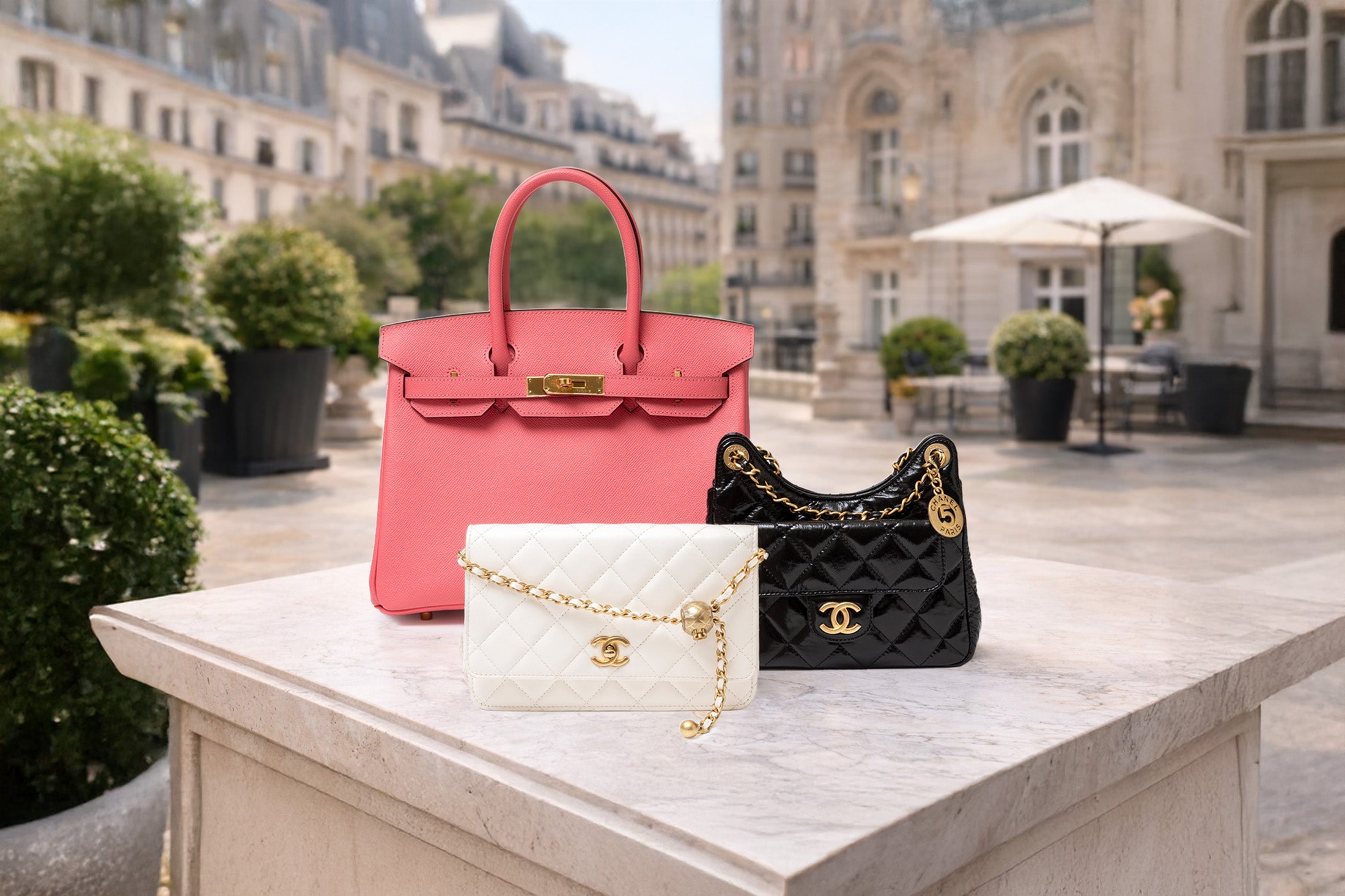
What Makes Chanel Mini Bags More Volatile in the Resale Market
Check out our Chanel collection!
Chanel mini bags have carved out a quirky spot in the luxury resale world. If you've kept an eye on prices, you've probably noticed how wildly they swing compared to the larger, classic flaps.
While a medium flap tends to hover at 70 to 90 percent of retail, minis can dip below retail one month and then shoot above it the next, sometimes for no reason other than a viral Instagram post or a sudden shift in what collectors crave.
Chanel mini bags are more volatile because their small size makes them trend magnets, their lower price draws a bigger, more reactive crowd, and their limited material and color options create sharp supply-demand spikes.
The medium classic flap is like a steady anchor, but minis? They're for folks chasing the latest thing, not necessarily timeless staples. That makes the resale market for minis a lot more jumpy.
If you're thinking about picking up a mini square flap or wondering whether your rectangular mini will hold its value, understanding what drives these price swings can give you a leg up. The market for minis doesn’t sit still for long.
Key Takeaways
- Chanel mini bags swing harder in resale because their size and price attract trend chasers, not just seasoned collectors
- Material, color, and seasonal demand create supply crunches that make prices spike or dip fast
- Rare vintage minis and discontinued styles can outperform retail, while common newer releases often sell below boutique prices
Chanel Mini Bags and Their Role in the Resale Market
Chanel mini bags sit in a weirdly appealing spot in resale, usually fetching $3,000 to $5,400 and drawing in both newbies and old-school collectors. They tend to keep 70-90% of their retail value, but the small size and lower price point make their market behavior totally different from the bigger bags.
Definition and Popularity of Chanel Mini Bags
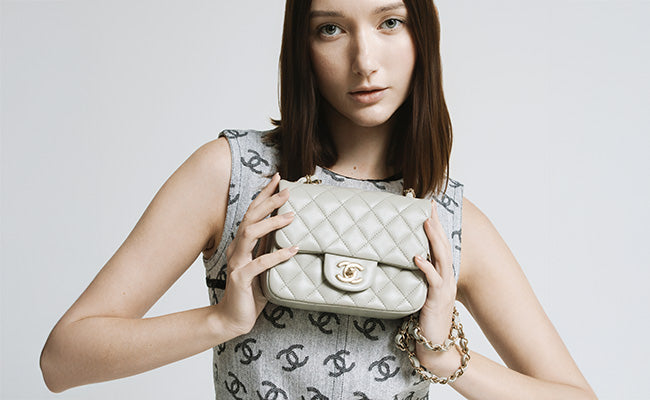
Chanel mini bags are the brand’s tiniest leather handbags, usually under 20 centimeters wide. They really blew up in the 2010s when celebrities and influencers started rocking them, showing you don’t need to carry your whole life in a bag to make a statement. Suddenly, what was once a niche accessory became a must-have for anyone wanting the Chanel vibe without spending $11,300 on a medium classic flap.
And it’s not just about saving money. Minis pack in the same quilted leather, iconic CC clasp, and chain strap as their bigger siblings. They’re practical for evening events but bold enough for daily wear.
The resale market for these minis is surprisingly strong. Pristine examples often sell close to or even above retail. As of 2025, the Classic Mini Square retails for $5,200 and the Classic Mini Rectangular for $5,400, a 4% bump from earlier in the year.
Key Chanel Mini Styles: Square, Rectangular, and Wallet on Chain
Three styles rule the mini scene, each with its own fan base.
Classic Mini Square Flap: Squarish and compact, it holds your phone, cards, and a lipstick. Collectors love it for that instantly recognizable Chanel look, just shrunken down.
Classic Mini Rectangular Flap: A bit longer, so you can squeeze in a little more. This one’s a favorite for people who want more functionality but still crave the mini silhouette. The shape photographs nicely and feels comfy under the arm.
Chanel Wallet on Chain (WOC): The most versatile of the bunch. It works as a clutch or a crossbody, with card slots and compartments, practical if you want style and utility. WOCs haven’t jumped in price as quickly as classic flaps, but they’re always in demand on resale sites.
Rare colors and limited materials can push prices way above retail, especially for seasonal releases that get discontinued.
How Mini Bags Differ from Chanel's Classic Flap
The size difference isn’t just cosmetic, it changes everything. A medium classic flap now costs $11,300 (ouch), over twice as much as a mini square at $5,200. That makes minis a tempting entry point for younger buyers and Chanel first-timers, which widens the resale audience.
Functionality is another big split. The classic flap fits your wallet, sunglasses, and a small makeup bag. Minis force you to pack light. Strangely, this doesn’t seem to bother buyers; most see minis as special-occasion pieces, not everyday bags.
There are mini versions of the 2.55 and Boy Bag too, but the classic flap silhouette still dominates on resale platforms. Older minis, especially in black caviar or lambskin, remain hot at auction houses like Sotheby’s. The smaller size means lower material costs and sometimes higher resale margins, though as retail prices keep climbing, that edge shrinks fast.
Factors Fueling Volatility in Chanel Mini Bag Resale
Mini bags from Chanel swing harder in price than bigger bags because of aggressive retail pricing, limited production, and buyers who are more into trends than long-term collecting.
Frequent Chanel Price Increases
Chanel has bumped up handbag prices at least once a year since 2016, and lately, it’s happening even faster. In August 2025, another round hit the Classic Mini Square and Rectangular Flap by 4%, now at $5,200 and $5,400.
Each time prices jump, the resale market gets thrown off balance. If you bought a mini at Chanel six months ago, it could be worth less than retail now, even if it’s flawless. The gap between what you paid and what the bag costs new can swing a lot depending on timing.
Minis have more than doubled in price over the last decade. But that doesn’t mean resale values always keep up, sometimes you’ll find gently used ones below the latest boutique price. Resale lags behind retail for a while, then catches up when boutique stock dries up.
Discontinuation and Limited Editions
Chanel rotates mini bag styles in and out of production all the time, which creates sudden scarcity and can send prices soaring. A mini that sat at or below retail might jump 30-50% above boutique price as soon as it’s discontinued.
Limited editions are even more extreme. Special drops sell out in days, then pop up on resale platforms at crazy markups. Remember the 2022 CC "In Love" Heart Bag? That one exploded in the secondary market.
The twist is, minis are cheaper, so speculators snap them up, hoping they’ll get discontinued. But Chanel keeps production plans secret. Sometimes a style sticks around for years, sometimes it vanishes overnight. It’s a gamble.
Speculation and Short-Term Hype
Mini bags draw in buyers looking for an easy way into Chanel, not just long-term investors. That means the resale pool is full of people trying to flip bags fast.
Social media can make prices spike for certain minis, colors, or hardware. One influencer post and suddenly everyone wants that bag, until the hype fades, and prices drop again. Classic styles hold steadier, but seasonal pieces are all over the place.
Most Chanel minis resell for 70-90% of retail, but that range can swing based on market mood, not just condition or rarity. When hype is high, the market floods with similar bags, pushing prices down. When a model’s truly scarce, prices jump fast.
Material Choices and Their Impact on Resale Value
The material and paperwork that come with a Chanel mini bag really matter for resale. Buyers look closer at these details with minis because they’re dropping serious cash on something tiny.
Caviar vs Lambskin: Durability and Appeal
Caviar leather wins out on resale, hands down. The pebbled texture shrugs off scratches and keeps its shape, so pre-owned caviar minis often look almost new.
Lambskin feels amazing, super soft and luxe, but it scratches and scuffs easily, especially on corners. Pristine lambskin minis can keep 80-90% of retail, but if they’re worn, that drops to 60-70%.
Lambskin’s touchiness makes prices swing. One scratch can knock off hundreds. Caviar is more forgiving, so prices stay steadier across different conditions.
Trends play a part too. Lambskin gets hot in spring when people want a softer look, while caviar is steady all year.
Hardware Varieties: Gold, Ruthenium, and Silver
Gold hardware is the crowd favorite on resale. It matches Chanel’s classic vibe and appeals to the most buyers.
Silver comes next, still solid. Ruthenium, the dark, gunmetal look, is unpredictable. When it’s in, it sells at a premium, but it can sit unsold when tastes shift.
Limited edition finishes are a wild card. Some become collector grails, others just confuse buyers who want the usual options.
Condition and Completeness: Boxes, Receipts, and Authenticity Card
Having the full set, box, dustbag, authenticity card, can add 10-15% to the price. The authenticity card is huge for buyers worried about fakes.
Receipts help prove when and where the bag was bought, which helps with authentication. Missing paperwork doesn’t kill a sale, but it does shrink your pool of buyers to those who trust third-party authenticators.
Box condition isn’t a dealbreaker, but the authenticity card is. Buyers care more about the card than the dustbag or box, though having everything helps. Authenticity matters more as bags age and wear makes it tough to judge by looks alone.
Key Chanel Mini Bag Styles and Their Resale Performance
Wallet on Chain bags usually hold 75-85% of retail, while the Chanel 19 and 22 hang around 60-70%. Boy Bag minis can be all over the place, from 65-80%, and Coco Handles sometimes even sell above retail if discontinued.
Wallet on Chain (WOC)
The Chanel Wallet on Chain is a rock-solid performer in the mini category. Black caviar with gold hardware regularly fetches 80-85% of retail on resale.
Pastel colors and lambskin versions are more up and down. A pink lambskin WOC might get 70-75% of retail, while a black caviar from the same year sells at 80%.
The WOC stands out for being versatile and relatively affordable. As of December 2025, retail’s about $3,800, so it’s often the first Chanel for new collectors.
Top performers:
- Black caviar, gold hardware
- Navy and burgundy caviar
- Classic color patent leathers
Limited edition WOCs with special hardware or rare materials sometimes sell above retail, especially older ones from the early 2010s.
Chanel 19 and Chanel 22
The Chanel 19 is a rollercoaster. Mini 19s can go for 60-70% of retail just a year after buying.
That’s partly because the style is newer and appeals more to trend-focused buyers than traditional collectors, so demand is less predictable.
The Chanel 22, being even newer, acts the same. Mini versions usually drop 30-35% in value right away, though discontinued colors can bounce back over time.
Structured leathers like calfskin do better than the soft, aged quilted versions. Black and beige are safer bets for resale.
Boy Bag Variants
Boy Bag minis are a mixed bag. Chevron quilting with ruthenium hardware tends to hold 70-75% of retail.
Metallics and seasonal colors can plummet to 60-65% fast. Limited edition Boy Bags in tweed or exotics either soar or stall, no in-between.
The Boy’s boxy shape makes minis practical, so they resell better than some super-tiny novelty bags. Light pink and navy do surprisingly well; neon shades, not so much.
Vintage Boy Bags from 2011-2015 can command premiums if they’re in great shape, since collectors chase the earlier quality.
Coco Handle and Coco Top Handle
The Coco Handle is a bit of an oddball. Mini versions often sell at or above current retail, especially in vintage lizard or python from previous eras.
That’s mostly because Chanel discontinued a bunch of Coco Handles, making them rare. We’ve seen minis bought for $4,500 in 2022 go for $5,200-5,800 now.
The Coco Top Handle is newer, so its pattern isn’t set yet. Right now, resale is 65-75% of retail for regular leathers.
Both styles appeal to folks who want something different from the Classic Flap. The structured shape and top handle make them practical, not just pretty.
Resale Market Dynamics for Chanel Mini Bags
Chanel mini bags follow their own rhythm in the resale world. Prices and demand bounce around more than with larger bags. The way resale platforms, global buyers, and rapid price changes all interact makes mini bag trading a fast-moving, unpredictable game.
Secondary Market Prices and Trends
The Chanel Mini Square and Mini Rectangular Flap bags now retail at $5,200 and $5,400 after the August 2025 price bump. On the resale market, these often fetch 85-110% of retail, depending on condition and how tricky they are to find.
Pre-owned Minis in top shape can sell right at, or even above, retail, especially if a certain color or hardware gets tough to find. Limited seasonal runs sometimes go for 20-30% more than retail just months after launch. Chanel’s habit of raising prices several times a year means bags bought even half a year ago might resell for what you paid, or a bit more.
What shakes up prices:
- How long since purchase and any price hikes
- Which colors are in season
- Hardware choice (gold, silver, ruthenium)
- Leather type and finish
Oddly enough, the Mini’s small size makes it both easier to snag and riskier as an investment than the classic medium or jumbo flaps.
Global Demand and Market Shifts
Asian buyers, especially in China and South Korea, fuel a lot of demand for Chanel Minis on the resale scene. Boutique price gaps and buying limits drive collectors to online platforms that ship internationally.
Travel trends shift availability, too. When borders open up, cross-border selling picks up as buyers hunt for deals in other regions. The Mini’s size makes it a go-to for travelers who want an investment piece without eating up suitcase space.
Currency swings create odd windows for arbitrage. If the dollar weakens against the euro or yen, sellers will time their listings to catch buyers looking to get more for their money. Demand can spike fast, and prices follow.
Brand Influence and Collector Behaviour
Chanel’s branding shapes how people buy, hold, and flip Minis, which leads to some weird swings in resale value. That CC logo is instantly recognizable, demand can explode overnight, while creative changes at Chanel can rattle collectors and send prices all over the map.
Influence of Chanel's Branding and Celebrity Appeal
Chanel’s brand cachet isn’t quite like other luxury labels. It’s exclusive, but everyone knows it. When a celebrity carries a Mini at a big event, prices for that model can jump overnight.
Chanel keeps distribution tight, only letting select retailers sell their bags and capping production. That makes Minis especially tough to get at retail, so collectors turn to resale, where prices can swing wildly depending on what’s available.
Celebrity moments create what I’d call “flash demand.” A Mini seen on the red carpet might see resale jump 15-20% in weeks, but these spikes rarely last. The volatility is real.
Since Chanel won’t sell bags online (unlike Louis Vuitton), demand piles up in the secondary market. Collectors who can’t get to boutiques have no choice but to hunt resale, where prices react quickly to trends.
The Legacy of the Interlocking CC Logo
That interlocking CC isn’t just a logo, it’s a status symbol collectors chase. Minis show it off front and center, which makes them a shortcut for brand signaling.
Bags with big, bold CC hardware usually get premiums on the resale market. The instantly recognizable logo means you get max brand impact for less money than a jumbo. That’s part of why new luxury buyers love Minis, it’s a lower-stakes entry point, but still feels special.
The logo’s been around over a century, so it doesn’t fade like trendier designs. Whether it’s Gen Z or longtime collectors, the CC keeps drawing people in.
Impact of Creative Direction Changes
When Virginie Viard took over as artistic director in 2019, Chanel’s style shifted, less drama, more subtlety. That’s changed which Minis collectors chase.
Under Viard, classic Mini flaps have stayed pretty stable in value, but the riskier, more experimental styles can swing a lot. Collectors seem to prefer her stripped-back takes on Chanel classics, they feel safer to hold long term.
Whenever creative leadership changes, there’s a window where prices get jumpy. People argue over which new designs will become classics, so you see more speculative buying and selling. Minis from these transition periods can be especially volatile.
Other Influencing Factors: Rarity, Vintage, and Value Retention
Rarity drives up prices in unexpected ways, and vintage pieces have a logic all their own. Economic cycles and time of year add more wrinkles that savvy sellers learn to work with.
Vintage Chanel Bags and Collector Demand
The 2.55 reissue still gets attention like nothing else. Collectors will pay 20-30% premiums for real vintage Chanel from the ’80s and ’90s, especially Mini versions of the classic flap. The original 2.55, with its Mademoiselle lock and burgundy lining, is nearly mythic.
Vintage is unpredictable. A rare color or hardware combo can spike in value if a celebrity is spotted with something similar. Certain decades develop cult followings, and the hype moves with fashion and nostalgia cycles.
Condition is everything with vintage. A pristine Mini from 1995 can go for twice what a worn 2020 model gets, while a damaged vintage bag is almost impossible to move at a good price.
Vintage value drivers:
- Original hardware and real patina
- Provenance or receipts
- Rare colors or limited materials
- Serial numbers and authenticity stamps intact
Value Retention Compared to Other Chanel Styles
Chanel Minis usually keep about 60-75% of retail in their first year, while classic medium and jumbo flaps hold 70-85%. Medium flaps have wider appeal and steadier demand, so the gap grows over time.
Resale data shows a Classic Medium Flap might lose 15% in year one, but a Mini can drop 25-40%, depending on style. The Chanel reissue Mini does better, holding closer to 70%.
Rectangular Minis hold value better than square ones, probably because they look more like the iconic classic flap. Seasonal Minis in novelty colors or materials can lose half their value in months if the trend fades.
When I’ve sold Chanel bags, the larger classics always move faster and fetch higher prices relative to retail.
Timing the Buy and Sell: Seasonal and Economic Effects
November to January is the sweet spot for selling pre-owned Chanel, holiday shoppers are out in force, and prices climb 10-15% compared to the slow summer months.
Economic downturns shake things up. When money’s tight, sellers flood the market with Minis for quick cash, which can push prices down 15-25%. If you’re patient, these dips are great buying opportunities, but you’ve got to watch out for fakes as desperation rises.
Quarterly price patterns:
- Q4 (Oct-Dec): Highest prices, 10-20% premium
- Q1 (Jan-Mar): Post-holiday dip, 5-10% below peak
- Q2-Q3 (Apr-Sep): Softest market, best deals for buyers
Currency swings matter more than most sellers think. When the euro gets stronger against the dollar, North American buyers jump to pre-owned markets, driving up prices for U.S. sellers.
Frequently Asked Questions
Chanel Mini Bags can be a wild ride in the resale world, their size, trendiness, and sensitivity to fashion cycles make them tricky to predict. If you want to navigate this niche, you’ve got to understand what drives price swings and collector behavior.
Why do Chanel Mini Bags often experience significant price fluctuations on the secondary market?
Minis react fast to fashion trends. If big bags hit the runway, Minis fall out of favor quickly. But let a celeb or influencer pick up a Mini, and prices rebound.
Lower price points attract newer luxury buyers, who tend to resell when their tastes change. This churn makes turnover higher than with investment pieces like the Classic Flap in medium or large.
Supply’s another factor. Chanel makes fewer Minis than other sizes, so when demand spikes, prices jump. But if interest drops, the market floods with used Minis, and values fall faster than with mainstay sizes.
What luxury market trends impact the resale value of Chanel Mini Bags?
The push toward casual luxury has helped Minis. As dress codes relaxed after 2020, these bags became the go-to for everything from suits to sweats, and resale values shot up.
Social media can make or break a Mini’s value. If a style trends on Instagram or TikTok, prices spike, often more sharply than with classic bags. Minis photograph well and content creators love them.
Economic uncertainty pushes buyers toward entry-level luxury. Minis fill that role, still Chanel, but more affordable, which can temporarily boost their resale.
How does limited edition or seasonal release affect the Chanel Mini Bag's demand among collectors?
Limited runs create instant hype. When Chanel drops a Mini in a special color or with unique hardware, resale can double, or more, within weeks.
Seasonal collections work differently. A themed Mini might spike at launch, then fade as the season passes. We’ve seen this over and over with holiday and collab pieces.
But scarcity doesn’t always mean lasting value. Some limited Minis catch the trend crowd, not serious collectors. Without ongoing interest, prices often correct back down within a year or two.
In what ways do collaborations or special materials influence the resale market for Chanel Mini Bags?
Special materials drive up prices in the Mini format. Exotic skins like python or alligator can double or triple resale versus lambskin or caviar. Minis make these luxe touches more accessible (well, relatively).
Collaborations with artists or other brands create their own collector buzz. These bags attract buyers outside the usual Chanel crowd, art fans, crossover collectors. Prices can get weirdly volatile since these buyers play by different rules.
Seasonal materials like tweed or patent leather are hit or miss. A tweed Mini might soar in autumn, then sit unsold by spring. So, seasonality adds another twist to Mini values.
Can we track how often Chanel Mini Bags outperform other luxury accessories in the resale arena?
Minis don’t usually beat classic Chanel styles for long-term value. They hold about 70-90% of retail, which is a bit weaker than medium Classic Flaps or Boy Bags, those can hold up even better.
Compared to wallets or small leather goods, Minis are stronger. A Chanel cardholder might keep 60-70% of its value, but a Mini does better since it’s a full handbag, not just an accessory.
Against other brands, Chanel Minis do pretty well. Louis Vuitton’s Minis drop in value faster thanks to higher production. Hermès Minis and a few limited Bottega Veneta styles can outperform Chanel in the right market, but it’s not the norm.
What insider knowledge should one have to predict the resale performance of Chanel Mini Bags?
Keeping an eye on Chanel's price increase schedule can give you a real edge. When the brand signals a price hike, resale values often climb, sometimes even before the change hits stores. Buyers who jump on pre-owned pieces before retail prices go up can spark a short-lived surge in the secondary market.
Authentication is a big deal for mini bags. Counterfeiters love to target these popular styles, so buyers get picky. If a bag comes with all its paperwork and a solid backstory, it might fetch 10 to 15 percent more than a similar one without documentation.
Condition is everything when it comes to minis. Their small size means any wear, especially on corners or hardware, stands out. A mini in near-perfect shape could sell for about 85 percent of retail, but if it shows moderate wear, you’re probably looking at closer to 65 percent. We always scrutinize hardware scratches and leather wear at the corners before making a decision.
It’s also worth tracking how crowded the market is. If you suddenly see a bunch of the same mini bag pop up on resale sites, prices can drop fast. This tends to hit the classic colors like black or beige hardest, while rare seasonal shades don’t flood the market as often.