

What Makes a Hermès Bag Strong Enough for Premium Consignment Placement
TL;DR
A Hermès bag is premium consignment ready when it combines verified authenticity, honest condition, strong buyer appeal, and a defensible market position. Model, size, leather, colour, hardware, provenance, and included accessories all influence how confidently a bag can be presented and priced. Rare or highly requested configurations may attract stronger interest, but rarity alone is not enough. Buyers also expect accurate disclosures, clear photography, and evidence that the bag has been properly assessed. At Rome Station, premium Hermès consignment begins with trust, then considers demand, completeness, and current resale conditions to determine the most appropriate placement.
Check out our Hermès collection and Birkin bags!
Not every Hermès bag holds the same resale value, even within the same model. Some attract eager buyers quickly, while others need more careful positioning or price adjustments. A strong Hermès bag premium consignment placement comes down to documented authenticity, honest condition, and how well the bag matches what buyers are seeking.
At Rome Station, we work with Hermès handbags regularly and see clear patterns in the configurations that generate buyer interest. Certain sizes, leathers, colours, and hardware finishes tend to be more versatile, while rare pieces require a more specialized review. Knowing these patterns helps sellers set realistic expectations and helps buyers feel confident in their purchase.
This guide explains the main factors considered before placing a Hermès bag for premium consignment, including model demand, materials, condition, provenance, pricing, and presentation.
Key Takeaways
- Premium placement begins with verified authenticity, accurate condition reporting, and clear provenance.
- Model, size, leather, colour, hardware, and completeness shape buyer demand and resale positioning.
- Realistic pricing, transparent presentation, and the right selling channel support a stronger consignment outcome.
Featured Products


The Core Signals of Premium Consignment Placement
A few signals indicate when a Hermès bag is suitable for premium placement. Buyer confidence sets the baseline, while scarcity, demand, craftsmanship, and configuration determine how the bag should be positioned within the resale market.
Why Buyer Confidence Comes First
Buyer confidence comes first. Before pricing is considered, the bag must be able to earn trust through its construction, condition, documentation, and overall presentation.
Specialists review stitching, proportions, leather, hardware engravings, production markings, and whether the components are consistent with the style and period. Buyers want evidence, not empty promises. If questions remain about authenticity, repairs, or undisclosed wear, even a rare model may struggle.
How Scarcity and Market Demand Affect Positioning
Scarcity shapes a bag's place in the market because some Hermès models, sizes, colours, and materials are less commonly available than others. Smaller Birkin and Kelly sizes, versatile neutrals, and distinctive collector configurations often receive focused attention, although demand can change over time.
When a style shows sustained buyer interest, it may have stronger placement potential than a configuration with a narrower audience. More widely available bags can still sell well, but they compete in a different tier. Rarity without an interested audience does not automatically create a premium opportunity.
The Role of Craftsmanship, Configuration, and Completeness
Hermès craftsmanship underpins the appeal of each bag. Stitching, edges, structure, and finishing contribute to the quality buyers expect, while the specific configuration influences versatility and demand.
Leather, hardware, colour, size, and construction work together. A balanced combination may appeal broadly, while an unusual configuration may suit collectors. Original dust bags, boxes, straps, locks, keys, clochettes, felt protectors, and care materials can also support a more complete presentation, although they do not replace authentication.
Hermès Models and Sizes With Consistent Buyer Interest
Some Hermès models and sizes maintain broad resale visibility, while others attract a more specific audience. When assessing a bag for consignment, the goal is not simply to identify a famous name, but to understand how the format fits current buyer preferences and practical use.
Birkin Sizes and Everyday Versatility
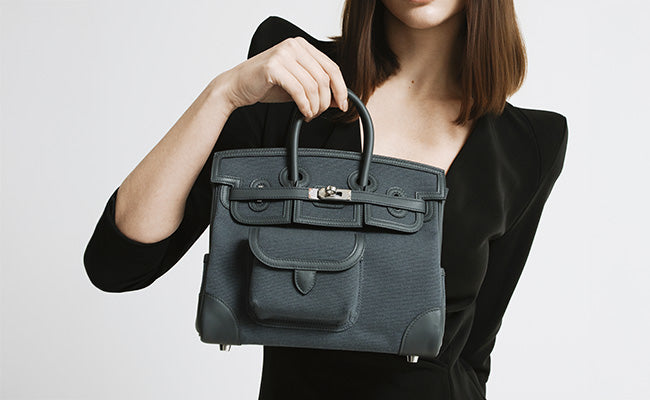
The Hermès Birkin remains one of the house's most recognized handbags, and resale demand often centres on a few key sizes. The Birkin 30 offers a practical balance. It is spacious enough for regular use while retaining a refined profile, which keeps it relevant to a wide range of buyers.
The Birkin 25 appeals to buyers who prefer compact proportions, while the Birkin 35 suits those who need more capacity for work or travel. Final placement still depends on leather, colour, hardware, condition, and availability.
Kelly Formats and Structured Appeal
The Kelly offers a more formal and structured profile than the Birkin. The Kelly 25 receives strong attention for its compact proportions and classic lines, while larger formats can appeal to buyers looking for greater everyday capacity.
Construction also influences demand. The Kelly Sellier has a defined, architectural shape, while the Kelly Retourne presents a softer profile. Neither is universally better. Each speaks to a different preference in structure, finish, and use.
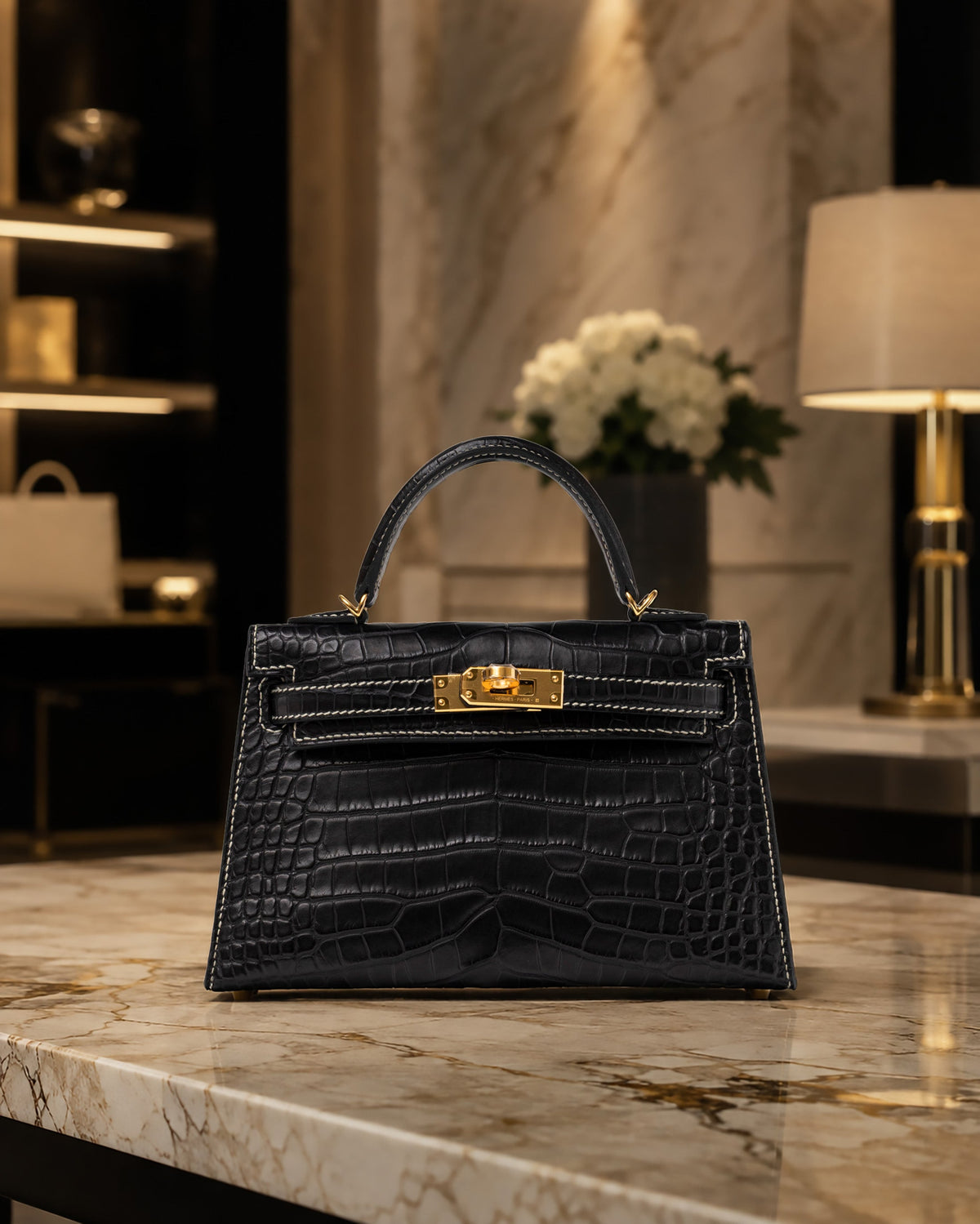
Collector-focused formats, including the Mini Kelly, Kelly Pochette, and Kelly Doll, require individual assessment based on colour, material, condition, and completeness.
Other Hermès Styles in the Resale Conversation
Beyond the Birkin and Kelly, several Hermès styles maintain a meaningful place in resale. The Constance, with its structured silhouette and H clasp, appeals to buyers who want a recognizable shoulder or crossbody option.
The Lindy and Picotin attract buyers who prioritize practicality and a softer, more relaxed profile. The Garden Party offers a spacious tote format, while the Evelyne remains relevant to buyers seeking a casual crossbody design.
These styles can still support premium placement when configuration, condition, and asking price align with the right buyer audience.
Materials, Colour, and Hardware That Shape Demand
Leather, colour, and hardware are central to resale positioning. Together, these details influence how the bag wears, how easily it fits into a wardrobe, and how strongly it may appeal to either a broad audience or a specialized collector.
Durable Everyday Leathers
Leather type affects how a bag ages and how buyers interpret its condition. Togo is widely appreciated for its visible grain and relatively forgiving surface. Its texture can make light signs of use less prominent than they might appear on a smoother leather.
Epsom has an embossed grain and structured finish that helps maintain defined edges. Swift is smooth and shows colour beautifully, but wear may appear more visibly. Chèvre is valued for its fine grain and lightweight feel. Less commonly seen leathers can also attract informed buyers when condition and identification are clear.
Exotic Skins, Rarity, and Documentation
Exotic materials require additional scrutiny. Crocodile, alligator, ostrich, and lizard should be evaluated individually because material, finish, scale pattern, colour, age, and condition can all influence buyer interest.
Documentation is especially important for regulated materials. Requirements vary by material and jurisdiction, so eligibility for consignment, transport, or sale should be reviewed before listing. Rare materials still require careful authentication and transparent disclosure.
Neutral Colours and Collector Configurations
Colour plays a major role in how broadly a bag appeals. Neutral shades such as Black, Gold, Etoupe, Etain, and Craie are frequently considered versatile because they work across wardrobes and seasons.
Collector colours can attract concentrated interest, but may have a narrower audience than neutrals. Gold and palladium hardware are familiar choices, while less common finishes can increase collector appeal. Each combination should be evaluated through market evidence, condition, documentation, and completeness.
Exceptional releases, including Himalaya and So Black configurations, do not always follow standard demand patterns. These pieces require case-by-case review because authenticity, provenance, condition, and precise specifications carry more weight than general category trends.
Condition, Authenticity, and Provenance Review
Before a Hermès bag is accepted for premium consignment, specialists assess how it has aged, whether its construction is consistent with the model, and what records support its history. These factors determine both buyer confidence and the accuracy of the final listing.
Wear Points That Influence Condition Grading
The same high-contact areas are reviewed on every bag because they reveal use most clearly:
- Handles and corners: Colour change, softening, rubbing, glazing wear, and surface loss often appear here first.
- Base and feet: Metal feet may show scratches or dulling, while the base can flatten, mark, or darken.
- Hardware: Locks, keys, clasps, plates, and closures are checked for scratching, tarnishing, plating wear, and replacement.
- Interior: Ink marks, odour, staining, stretching, and residue can materially affect the condition assessment.
Wear should be considered in relation to the bag's age, material, and construction. A well-kept older bag with light, even wear may present more strongly than a newer example with concentrated damage or poorly executed repairs.
Authentication Details Specialists Assess
Authentication involves the complete bag rather than one isolated marker. Specialists examine production markings, stitch quality, leather characteristics, proportions, hardware engravings, screw placement, finishing, and the relationship between all components.
Measurements are compared with the expected proportions of the style and size. Hardware, lining, structure, and workmanship should form a consistent whole. Repairs or replaced components should be disclosed. Online checklists can help, but they are not a substitute for specialist review.
Supporting Records and Original Accessories
Provenance and included items help explain a bag's history and strengthen the listing. An original receipt may support purchase details when it is available, but it should be considered alongside the physical authentication of the bag.
| Item | How It Supports the Listing |
|---|---|
| Dust bag | Supports careful storage and a more complete presentation |
| Hermès box | Protects the bag and adds appeal for buyers seeking a fuller set |
| Care materials | Provide additional context when original to the purchase |
| Keys, lock, and clochette | Help complete the configuration when correct for the bag |
| Strap or felt protector | Supports completeness for models originally supplied with these pieces |
A complete set can support a stronger presentation, but missing accessories do not automatically disqualify a genuine bag. Their effect depends on the model, rarity, condition, and expectations of the likely buyer.
Pricing and Channel Selection for Consignment
A fair consignment price should reflect current market evidence rather than reputation alone. The selling channel should also match the bag's rarity, condition, expected audience, and the level of service required to present it properly.
Setting a Defensible Consignment Price
A defensible price begins with comparable market evidence. The most relevant comparisons match the bag as closely as possible by model, size, leather, colour, hardware, age, condition, and completeness.
Active asking prices provide context, but they do not confirm what buyers accepted. Pricing too high may delay a sale, while pricing too low can fail to reflect rarity or condition.
A well-supported asking price considers:
- Relevant completed sales and current market context
- Condition, repairs, and originality
- Included accessories and supporting records
- Current buyer interest in the exact configuration
- The seller's priorities, including speed, convenience, and desired return
Choosing the Right Resale Channel
Standard consignment can suit many Hermès bags because it allows for detailed presentation, controlled pricing, and direct communication with qualified buyers. Buyouts may be preferable when a seller prioritizes speed and certainty, while trade-ins can support a move into another luxury piece.
Exceptionally rare or highly specialized bags may require a different sales strategy. The best route depends on the buyer pool, documentation, and whether fixed-price placement or competitive bidding is more appropriate. The channel should serve the bag.
Presentation and Transparent Disclosures
Presentation can shape buyer confidence as much as price. Clear, well-lit photography should show the full bag, hardware, stitching, corners, handles, base, interior, production details, accessories, and any visible wear.
Full disclosure is essential in luxury resale. Repairs, colour touch-ups, replaced components, odours, missing accessories, and condition concerns should be identified before listing. Transparency protects both seller and buyer while supporting a more credible transaction.
Timing may influence attention, but accurate positioning and realistic pricing are more dependable than trying to predict a perfect listing moment.
Final Thoughts
A Hermès bag becomes premium consignment ready when authenticity, condition, provenance, configuration, pricing, and presentation work together to create buyer confidence. Rome Station evaluates each piece individually and offers consignment, buyouts, and trade-ins for clients seeking a trusted, customer-first luxury resale experience in Canada.
Fact Check and Data Sources
This article reflects Rome Station's experience assessing Hermès bags for resale and general practices used in premium luxury consignment. Model, leather, colour, and hardware references are descriptive and do not guarantee demand, price, or sale timing. Market interest changes, and exotic material requirements can vary by jurisdiction, so each bag should be authenticated, documented, and evaluated individually before placement.
Frequently Asked Questions
What makes a Hermès bag suitable for premium consignment?
Which Hermès bag characteristics tend to attract stronger resale interest?
Do original boxes, receipts, and accessories increase consignment value?
How does condition affect the consignment price of a Hermès bag?
Are smaller Birkin and Kelly sizes always better for resale?
Can a Hermès bag be consigned without its original receipt?
Why consign a Hermès bag with Rome Station?
Love Hermès? See More from Rome Station
Add us to your Preferred Sources on Google to see our newest Hermès guides and insider tips first.