
What Makes a Chanel Bag “Store Fresh” in the Consignment World
Check out our Chanel collection!
When you're about to spend real money on a Chanel bag in the consignment market, you’ll notice sellers love to toss around the term "store fresh." It sounds like a golden ticket, but what’s actually behind it? "
Store fresh" means a Chanel bag hasn’t been carried or used by an owner, though it might’ve been on display in a boutique or handled a bit, and sits just below "new" in terms of value and desirability. It might seem like splitting hairs, but in luxury consignment, those details can mean the difference between a smart buy and dropping way too much cash.
You’ve probably seen sellers label bags as "store fresh" even when they’ve clearly spent years in someone’s closet, or they swap the term with "new" when, honestly, they’re not the same thing. Knowing what actually counts as store fresh, from the shine on the hardware to how crisp the packaging is, helps you spot the real deals and avoid paying top dollar for something that’s already had a life. Whether you’re buying your very first Chanel or adding another to your lineup, these details matter if you want to protect your investment.
The Chanel consignment world moves fast, and bags in true store fresh condition don’t last long. Collectors who get the nuances of condition grading snap up the best pieces and usually get better returns when they sell. So what actually qualifies as store fresh, how do you check, and why does it matter for your collection?
Key Takeaways
- Store fresh Chanel bags show zero signs of use but might have minor boutique handling, and they usually sell at a premium between new and excellent conditions
- Authentication means checking hardware shine, protective films, leather, and making sure all original packaging and accessories are there
- Storing your bag properly and understanding these condition terms can protect your investment and help with resale in the luxury market
Defining 'Store Fresh' in the Consignment World
Store fresh means a Chanel bag hasn’t been used or carried but could show tiny hints of boutique handling. The difference from brand new is subtle but matters a lot for pricing and what collectors want.
Key Characteristics of a Store Fresh Chanel Bag
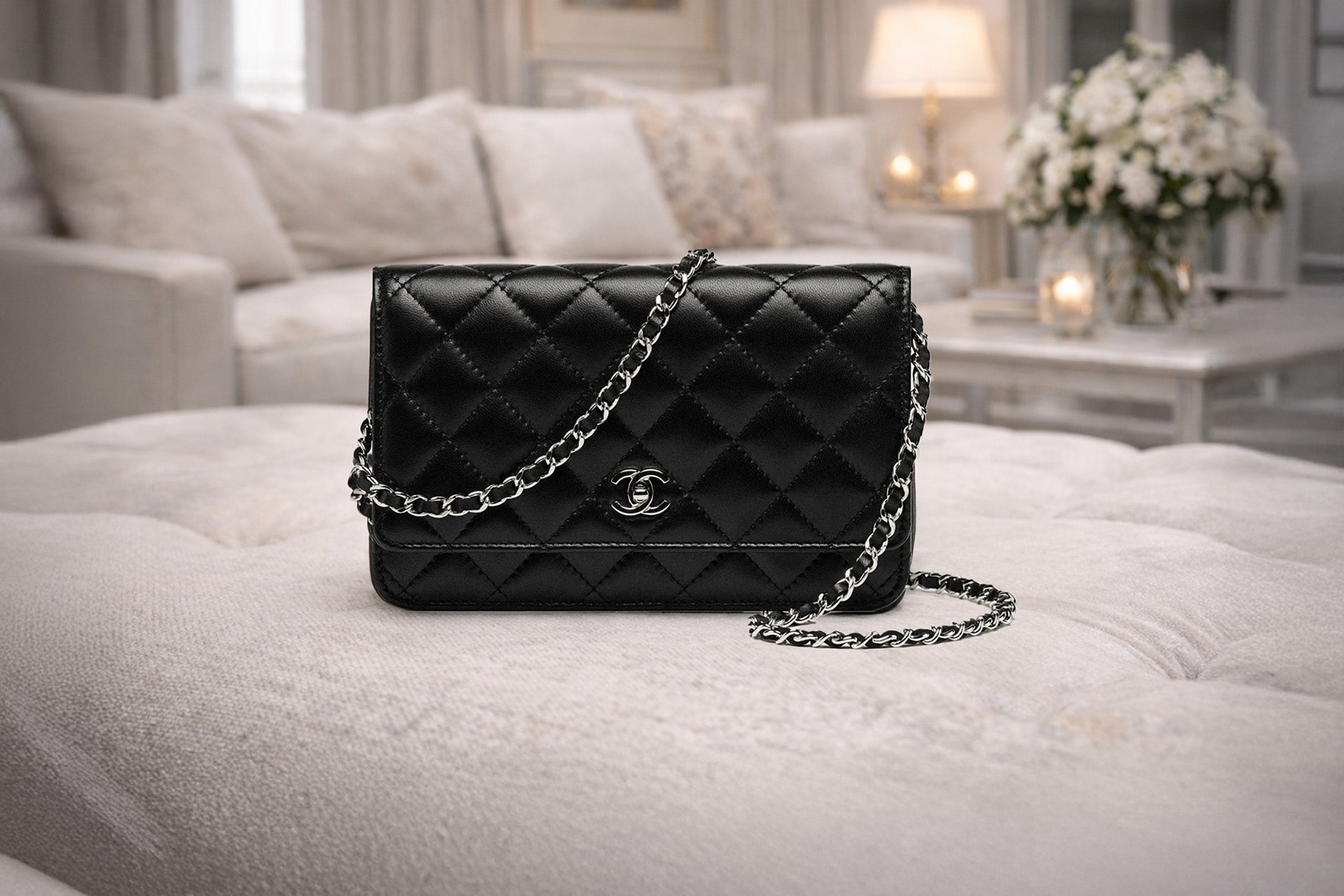
A store fresh Chanel bag looks basically untouched. The leather is flawless, the hardware shines without a scratch, and the quilting is still puffy. Chain straps haven’t dulled or tarnished. The turnlock feels a little stiff, just like it does fresh from the boutique.
What sets a store fresh piece apart:
- Hardware’s protective films are still on, or only just peeled off
- Leather is supple but doesn’t show any sign of being broken in
- Inside is spotless, no pen marks, dust, or fabric wear
- Dust bag is crisp and unstained
- All cards, booklets, and packaging are included
Maybe the bag sat behind glass or was tried on a couple times, but it never left the boutique as someone’s purchase. Sometimes you’ll spot a faint fingerprint or a little dust, but nothing that affects the leather or the bag’s structure.
While seasonal store fresh pieces may sell for 15-20% below boutique prices, ultra-classic styles (like the Black Caviar Flap) in store fresh condition often command a premium above retail due to high demand and boutique scarcity.
How 'Store Fresh' Differs from 'Brand New'
Brand new means only Hermès craftspeople (or Chanel, in this case) have touched it. Every bit of hardware is still covered in protective plastic, the box is untouched, and you get that hit of fresh leather and cardboard when you open it.
Store fresh bags? They’ve been handled a bit. Maybe a boutique associate peeled off some protective films to show the hardware, or the box has tiny wear from being moved around. The bag itself hasn’t been used, but it’s not straight-from-the-factory sealed.
| Condition | Hardware Protection | Packaging State | Handling |
|---|---|---|---|
| Brand New | All films intact | Pristine, sealed | None |
| Store Fresh | Some films removed | Minor shelf wear | Minimal boutique handling |
Brand new bags get the highest prices, there’s no question about their history. Collectors who want investment pieces will pay for that. Store fresh pieces look nearly identical but cost a bit less, and they might not appreciate in value quite as quickly.
Visual and Physical Condition Requirements
Store fresh Chanel bags need flawless leather, perfect hardware, and barely any signs of boutique handling. These are bags that might’ve been displayed or tried on, but never actually used.
Signs of Handling or Display in Boutiques
Store fresh doesn’t mean the bag’s lived in a vault since the atelier. Boutique staff might’ve shown it to clients, moved it around, or put it behind glass for a while.
What you might notice:
- Light dust in corners or crevices from display
- Slight fingerprints on chain straps or turnlocks
- Minor creasing on the dust bag from storage
- Faint marks on the bottom from being set down
The leather should still look untouched. No darkening on handles, no scuffs on corners, no signs it’s been stuffed or carried. If someone took it for a spin around the boutique, that’s usually fine as long as nothing changed.
Protective films might be missing on spots that get handled a lot, like clasps. Some boutiques pull them off to show the hardware. Missing film isn’t always a dealbreaker, but it can affect how the bag gets graded.
Leather and Stitching Integrity
Chanel uses lambskin, caviar, and aged calfskin. Each one reacts differently to handling. Lambskin, for example, scratches super easily, so store fresh lambskin needs to be basically perfect.
The leather should feel soft but not broken in. Store fresh caviar has that pebbled texture with no smoothing from use. Lambskin should be soft but still have some structure, not that melty, buttery feel you get after months of carrying.
Stitching should look factory-new. No loose threads, no pulled stitches, and the diamond quilting should be totally even. The edges where the panels meet are worth checking, since that’s where wear shows up first.
Corners matter. Even a little use rounds them out, so store fresh corners should be sharp. The leather at stress points like the top of the flap shouldn’t show creasing or color changes.
Hardware Appearance and Protection
Hardware is where you really see if a bag’s store fresh. Chanel’s gold and silver-tone hardware should shine, no scratches, no tarnish, no worn-down plating.
The chain straps are a giveaway. Store fresh chains have no kinks, no twisted links, and the leather woven through the chain shouldn’t be marked. If the chain’s been wrapped around the bag or handled a lot, you’ll spot it.
| Hardware Element | Store Fresh Condition | Signs of Use |
|---|---|---|
| CC Turnlock | Crisp edges, no scratches | Rounded edges, surface wear |
| Chain Links | Perfectly aligned, no kinks | Twisted or misaligned |
| Zipper Pulls | Sharp engraving, no rubbing | Faded logo, smooth edges |
| Internal Hardware | Shiny, no tarnish | Dull finish, oxidation |
Ideally, the protective plastic films are still on the main hardware, like the CC lock. Some boutiques do take them off, but if they’re still there, it’s a great sign the bag hasn’t been used.
There’s even a distinct new hardware smell, odd, but true. Mint condition metal has a scent that fades once the bag’s been carried or exposed to air, perfume, and skin oils.
Essential Accessories and Documentation
Store fresh status hinges on having all original documentation and accessories in perfect shape. Missing even one thing can lower a bag’s value and make buyers suspicious.
Original Packaging and Protective Elements
Chanel packaging tells you a lot about how a bag’s been treated. The dust bag should be black with white branding, free from stains or heavy creasing.
The box is more important than most people realize. Authentic Chanel boxes are sturdy, either white or black depending on the year, with the logo perfectly placed. Store fresh bags come with boxes that aren’t dented, watermarked, or torn. The tissue inside should be crisp and neatly folded.
Protective films on hardware are a must. Chanel protects hardware with specialized films, often blue or clear, on the CC lock, interior zipper pulls, and metal feet. If that film’s gone, the bag’s been handled more than just in the boutique. We look for hardware that’s untouched, films still on is a strong sign.
Ribbons and camellias, if included, should look fresh. Wilted flowers or crushed ribbons suggest storage issues or too much handling.
Importance of Receipts and Authenticity Cards
Receipts are your proof of purchase and help confirm the bag’s origin. A real boutique receipt lists the store, date, style number, and price. These details should match the authenticity card and serial sticker.
For bags produced before 2021, the authenticity card is a must. However, for newer 'Store Fresh' pieces, look for the integrated NFC microchip embedded in the lining, which has replaced the traditional card and serial sticker.
Recent purchase dates help prove store fresh claims. A bag bought last month with a crisp receipt is a lot more convincing than one from five years ago, even if both look unused. We always check that serial numbers haven’t been flagged as stolen or duplicated, counterfeiters are getting pretty creative.
Missing receipts don’t always mean a bag’s fake, but they do lower the value. Sometimes boutiques skip receipts for privacy, especially with high-profile clients. Still, having that paper trail makes things easier for authentication and resale.
Full Set: What Collectors Expect
Collectors want everything that came with the bag at purchase: bag, dust bag, box, authenticity card, receipt, care booklet, and any ribbons or camellias.
A "full set" gets higher prices. Store fresh bags with all packaging can sell for 15-20% more than identical bags missing just the box or receipt. For rare or limited editions, the gap gets even bigger.
Here’s what a full set includes:
- Dust bag in perfect shape
- Original box, undamaged
- Authenticity card matching the serial number
- Boutique receipt (if available)
- Care booklet and material guide
- Protective films on hardware
- Original ribbons or decorative extras
Some boutiques throw in branded shopping bags, but those aren’t essential for authentication. If the bag came with extra chain straps or twilly scarves, those should be unused and included too.
Collectors check for consistency. If a bag claims to be from 2024 but the packaging is from 2020, that’s a red flag. We cross-check packaging details with Chanel’s actual practices from that year to spot anything off.
Authentication and Collector Perceptions
Professional authentication shapes how collectors value store fresh Chanel bags, and community standards set the bar for what really counts as store fresh.
Role of Professional Authentication in the Consignment Process
Authentication services are the gatekeepers in consignment, especially for store fresh claims. When you’re talking about high-value Chanel bags, authenticators look at more than just real or fake.
They check for protective plastics, feel the leather, and look at packaging for signs of home storage versus boutique handling. Store fresh bags need documentation backing up their pristine status, and authenticators call out anything that doesn’t add up.
Authenticators check for:
- Hardware films and coverings still in place
- Serial numbers matching the claimed production year
- Leather free of oils or handling marks
- Stitching with factory-perfect tension
Resellers who skip authentication risk losing big when collectors spot something off. The best consignment sites require third-party authentication for high-value pieces, and buyers increasingly want to see those reports before making an offer.
Community Standards on 'Store Fresh' Status
The Chanel collector community has its own tough standards for what counts as store fresh. You’ll see heated debates online about whether a slightly wrinkled dust bag disqualifies a bag, and those conversations shape what buyers expect.
Collectors only call a bag store fresh if corners are sharp, chain straps show zero scratches, and the leather is as stiff as it was new. Even a little softening from someone trying it on at home usually knocks a bag out of store fresh status.
Community red flags:
- Missing or swapped-out protective films
- Dust bag with storage creases
- Packaging that’s been opened and resealed
- Authentication cards that look handled or smudged
Authenticity isn’t just about fakes in these circles. It’s the whole story of the bag, and collectors who consistently score genuine store fresh pieces build a reputation that gets them access to the best inventory. Resellers know this, so they’re careful with condition language, a single exaggerated claim can tank their credibility.
Market Value and Investment Considerations
Store fresh Chanel bags usually fetch premium prices in the resale market, sometimes selling at or above retail. The untouched condition and complete set of documentation make these bags especially appealing to collectors who want both style and a solid investment.
How Store Fresh Status Affects Resale Value
Store fresh Chanel bags tend to bring in 20-40% more than gently used ones. Collectors especially want bags with original plastic on the hardware, untouched stickers, and sealed packaging.
Complete provenance really makes a difference. Original receipts, authenticity cards, dust bags, boxes, and even those shopping bags all boost the price. We’ve seen Classic Flaps with the full set sell for $1,500-3,000 more than otherwise identical bags missing those extras.
Color and hardware play into premiums in their own way. Black with gold hardware is the safest bet for resale, but some limited seasonal colors can trigger bidding wars if they’re untouched. Caviar leather usually holds value better than lambskin, but when lambskin is store fresh, buyers often let go of their usual worries about wear.
Timing doesn’t hurt either. Chanel’s regular price hikes mean even bags bought recently can sell for more than you paid, especially if there’s been a price bump since. Store fresh status basically removes arguments about condition, buyers know what they’re getting.
Investment Potential for Collectors
Store fresh Chanel bags genuinely offer investment potential, especially with iconic styles like the Classic Flap, Boy Bag, and 19. These have steadily appreciated, sometimes even outpacing inflation or matching traditional investments.
Limited editions and runway pieces in untouched condition can double or triple in value within 5-10 years. Discontinued seasonal colors become instant collector bait, especially if they never left the dust bag.
But not every store fresh Chanel is a guaranteed win. Trendy or experimental designs might not age well financially. We focus on classics in versatile sizes; Medium and Small are especially hot right now, and proven colorways.
The investment angle works best if you actually keep the bag store fresh. That means leaving everything sealed, watching the climate, and resisting the urge to take it out. It’s a trade-off: less fun, more appreciation. But for serious collectors, the payoff is usually worth the restraint.
Care, Storage, and Long-Term Preservation
Keeping a Chanel bag in store fresh condition takes some planning and consistent routines to protect the leather, hardware, and structure over time.
Optimal Storage Practices
We keep our Chanel bags in their original dust bags. Those let the leather breathe and block dust and light. The dust bag works as a barrier but doesn’t trap moisture, so you avoid mildew or leather breakdown.
Climate control is more important than most people think. We store bags where the temperature stays between 15-21°C and humidity hovers around 50-55%. Extreme temperature swings or high humidity can warp leather, tarnish hardware, and mess up adhesives.
Never hang Chanel bags by their chains for long stretches, it stretches the leather at the chain and warps the shape. We stuff bags lightly with acid-free tissue to help them hold their shape. Skip newspaper; the ink and chemicals can transfer.
Store bags upright on shelves instead of stacking them. Weight can cause permanent creases and flatten quilting. Sunlight is a killer too, keep bags away from direct sun, which fades colors and dries out leather for good.
Routine Maintenance for Preserving Store Fresh Condition
We condition Chanel’s lambskin and calfskin every 6-8 months with products just for luxury bags. Caviar leather needs less frequent conditioning since it’s tougher.
Before putting a bag away, we wipe it gently with a soft, dry cloth to get rid of oils and residue. For patent leather, a slightly damp microfiber cloth followed by a quick dry does the trick.
Don’t forget the hardware. We polish chains and clasps with a jewelry cloth once a month to keep tarnish away. It’s a small step, but it keeps things looking mint.
Rotating which bags get used keeps any one from wearing out too fast, and it keeps everything in active preservation mode rather than just sitting forgotten.
Comparisons with Other Iconic Bags
Store fresh standards stretch across luxury handbags, but Hermès really set the bar for what pristine means. Their approach has shaped how we judge untouched Chanel pieces. Limited edition releases from both brands fetch top prices if they’re truly untouched.
Hermès and Birkin: The Gold Standard in Store Fresh Evaluation
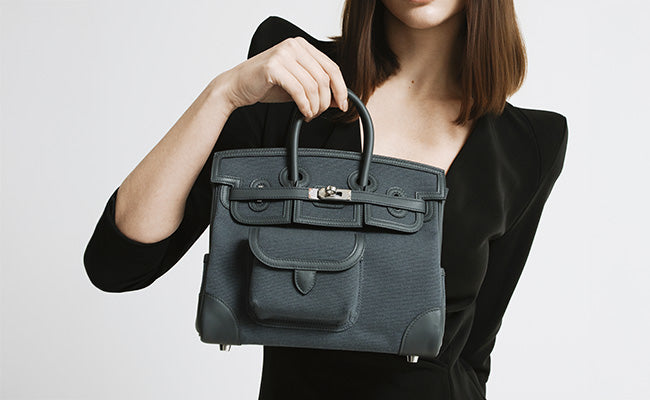
The Hermès collection, especially Birkin bags, pretty much defined “store fresh” in the luxury resale world. These bags draw the highest premiums when they come with all original packaging, plastic still on the hardware, and no signs of handling.
A few differences between Hermès and Chanel store fresh standards:
- Hermès wants everything: dust bag, box, ribbon, care booklet, raincoat, all perfectly intact
- Store fresh Birkins often sell for 20-30% more than pre-loved ones
- Hermès uses leathers like Epsom and Box Calf that show handling instantly
- Chanel’s caviar leather is tougher, so pristine condition isn’t quite as rare
Hermès collectors seem more strict about store fresh rules. A Birkin with even slightly dull hardware loses its “store fresh” label. Chanel buyers are a bit more relaxed, but truly untouched pieces still command much higher prices.
Neutral colors in store fresh condition, think Black, Gold, Étoupe, become investment pieces in the Hermès world, not just handbags.
Limited Edition Releases and Cross-Brand Demand
Limited editions from both Chanel and Hermès make store fresh condition even more important. These are bags that were hard to get even at retail, so untouched ones are extremely rare on the resale market.
Special Chanel releases, like seasonal metallics or collaborations, can grab 40-50% premiums if they’re store fresh. Same goes for limited color Birkins or Hermès special orders.
Collectors who buy across brands often judge everything by Hermès standards. If they’re used to paying top dollar for a flawless Birkin, they want the same from a store fresh Chanel. That’s pushed the whole consignment world toward stricter grading.
The rivalry between brands also fuels demand. When Hermès raises prices or makes boutiques harder to access, collectors turn to store fresh Chanel as an alternative, pushing prices up across the board.
Frequently Asked Questions
Store fresh Chanel bags command higher prices on consignment, and buyers want to know what really sets them apart from bags that are just in excellent condition. The little details can change value by thousands and make authentication easier, or harder.
What characteristics define a Chanel bag as 'store fresh' when browsing consignment finds?
Store fresh Chanel bags show no signs of use or wear. The leather should look flawless, no corner scuffs, no darkening on the handles, no marks from handling.
Hardware is a big deal. Look for shiny metal with no scratches or tarnish, ideally still covered by protective film. The chain straps should feel stiff, not loose at the attachment points.
The quilting should still be puffy and structured. If someone’s carried the bag even a couple of times, you’ll usually see some flattening where it’s been held or set down.
Inside, the lining should be spotless. No pen marks, no makeup stains, no fabric pilling in the pockets. Store fresh bags smell like leather, not perfume or closet must.
All original extras should be there and unused: dust bag with no wrinkles, authenticity card in perfect shape, crisp care booklet, and any protective coverings still on.
How can one verify the condition of a Chanel bag before making a consignment purchase?
Ask for detailed photos of every potential wear spot before you buy. We always request close-ups of the four bottom corners, the chain attachments, the clasp, and the inside lining.
The seller should send photos in natural light that show the real color and any flaws. Be wary if they only use filtered shots or avoid certain angles.
Check the hardware for micro-scratches that might not show up in photos. Ask the seller to describe the hardware’s condition in writing, and whether any protective films are still there.
If you’re buying online, reputable consignment platforms usually offer authentication guarantees. Still, for big purchases, we recommend independent authentication, especially if you’re paying store fresh prices.
Ask about the bag’s backstory. Where was it kept? How long has the owner had it? Store fresh bags usually have short, clear histories.
What are the insider tips for spotting a 'store fresh' Chanel bag among pre-loved treasures?
Check the leather’s grain. Store fresh Chanel caviar leather has a strong, even texture. If it’s smoothed out or looks flat in spots, someone has carried it.
The chain strap’s weight distribution can tell you a lot. Lift the bag by its chain and see if one side hangs differently. Store fresh chains should feel balanced and a bit stiff.
Try the turnlock. It should turn smoothly but with a little resistance, not loose or too easy. Frequent use loosens it up.
Give it a sniff. Store fresh bags smell like leather, not perfume, must, or storage.
Look at the dust bag. If it’s worn but the purse looks perfect, something doesn’t add up. They should match in terms of apparent age and handling.
Check the serial sticker inside. It should be intact and in the right spot. If it’s been removed or replaced, even a perfect-looking bag has probably seen some use.
What impact does the term 'store fresh' have on the value of a Chanel bag in the secondary market?
Store fresh Chanel bags usually sell for 15-25% more than the same model in excellent condition. That gap gets bigger with discontinued styles or limited editions.
Classic Flaps in store fresh condition can go for 30-50% above retail on the resale market. Some seasonal colors in pristine shape fetch even higher premiums when demand spikes.
These bags also sell much faster. Store fresh pieces can move within days on top consignment sites, while excellent condition bags might sit for weeks or months.
Buyers see store fresh as low risk, no mystery wear patterns, no hidden damage, and authentication’s easier.
Collectors looking for investments specifically chase store fresh bags, since they hold value better long-term. If you store it right, a store fresh bag today will still look nearly perfect years from now.
Could you explain the process of authenticating a 'store fresh' Chanel bag acquired through consignment?
Professional authentication starts with checking the serial sticker and authenticity card. Experts confirm the serial number matches Chanel’s format for that year, and that the font and placement are right.
They examine the hardware, engraving depth, font style, metal composition. Store fresh bags make this part easier since the hardware hasn’t been worn or polished.
Next up is stitching. Chanel uses certain stitch counts per inch for each model and year. Authenticators count stitches in several spots and check for consistency.
The leather gets a close look for grain, feel, and scent. Each leather type has its own quirks that experts recognize.
Interior stamps and markings need to match Chanel’s standards for that year and model, the logo font, stamp depth, placement, all of it.
We always recommend using authentication services that physically inspect the bag. For store fresh condition, in-person checks catch things that photos just can’t.
Are there specific models of Chanel bags that are more likely to be found in 'store fresh' condition on consignment platforms?
Classic Flaps pop up in store fresh condition more often than you’d guess. Some folks buy them thinking they’ll be great investments, stash them away, and end up consigning them years later still untouched.
Seasonal WOC styles show up unworn pretty frequently. People sometimes grab them for a particular event, then realize they just don’t reach for that bag and let it go, tags still on.
Limited edition pieces occasionally appear store fresh. Collectors, honestly, sometimes just want to own them, not use them. They’ll keep everything sealed up, never actually planning to carry the bag.
Boy Bags in offbeat colors or with unusual hardware often sit untouched. Maybe the bold look seemed right at first, but then it just doesn’t fit the rest of someone’s closet, so off it goes to consignment, barely (or never) used.
Vintage reissues sometimes turn up store fresh when collectors decide to thin out their stash. Some of these bags went straight from boutique to storage, never seeing daylight.
Mini bags and quirky shapes like the Vanity Case? Those are tougher to find in store fresh condition. People either use them right away for their specific purpose or skip them altogether, there’s not much in-between.
Love Hermès? See More from Rome Station
Add us to your Preferred Sources on Google to see our newest Hermès guides and insider tips first.