
What Happens When a Hermès Bag Is Too Rare for a Standard Resale Quote
TL;DR
When a Hermès bag is too rare to quote through standard pricing, the valuation has to be built case by case. Specialists look beyond simple averages and examine the closest documented sales, material scarcity, model and size, colour, hardware, construction, condition, completeness, provenance, and current buyer demand. A rare Hermès bag valuation is therefore less formulaic than a quote for a familiar configuration. Rarity can support value, but it does not automatically guarantee a higher price or a faster sale. The most credible estimate explains the evidence, acknowledges uncertainty, and matches the bag with the right selling route.
Check out our Hermès collection and Birkin bags!
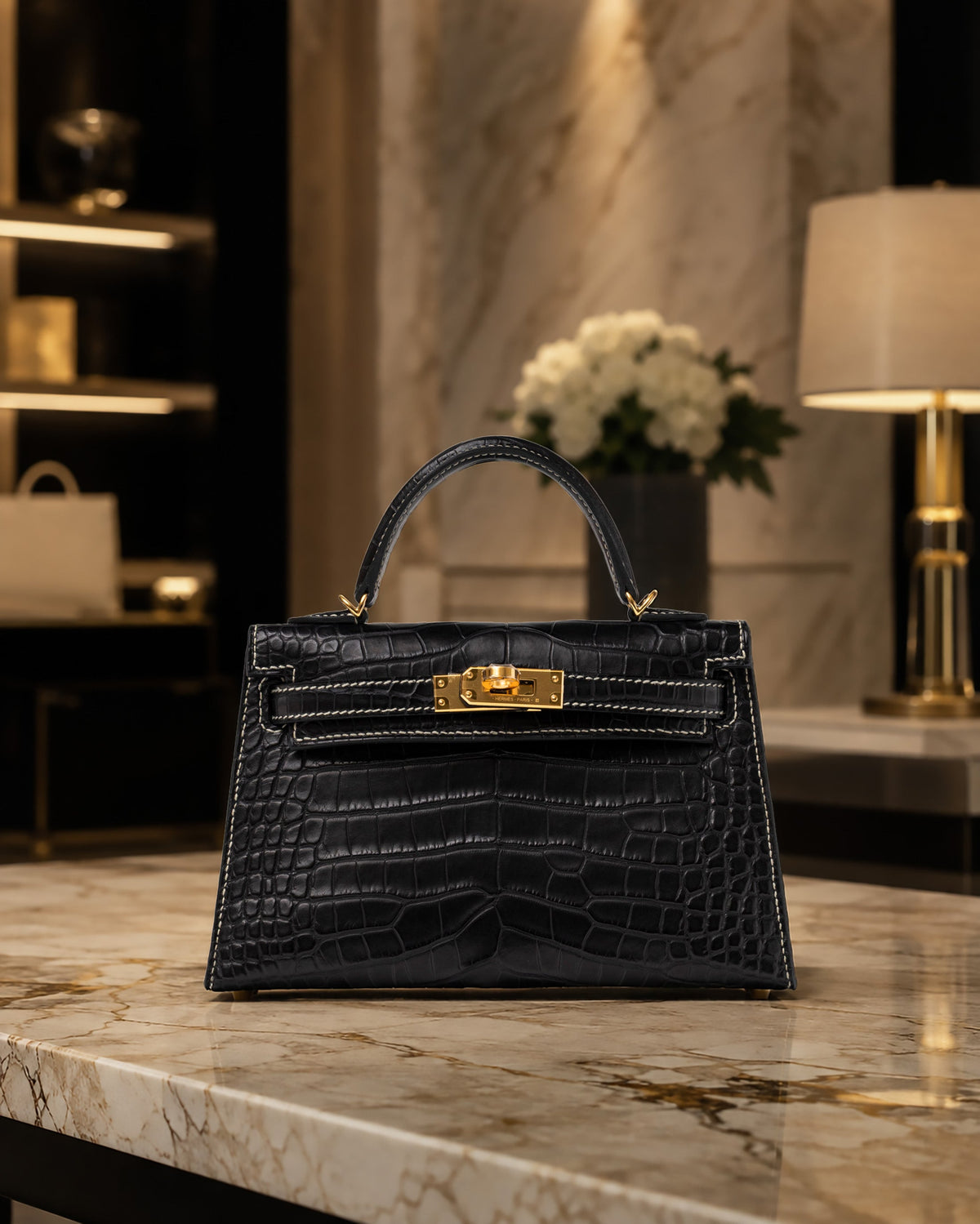
Most Hermès bags fit into recognizable resale patterns. A familiar Birkin or Kelly in a widely traded leather and colour may have enough recent market evidence to support a prompt estimate. Add an unusual exotic skin, discontinued colour, special order combination, rare hardware, or limited production history, and those comparables can disappear quickly.
When a Hermès bag is too rare to quote using standard pricing, specialists must build the valuation from the available evidence rather than force the bag into an unsuitable range. This article explains why some pieces fall outside standard pricing, which details create exceptional rarity, how a defensible valuation is developed, and which selling route may be best for a highly collectible bag.
Key Takeaways
- Rare Hermès bags may require case-by-case valuation because too few verified comparable sales exist.
- Rarity must be weighed alongside condition, documentation, buyer demand, and liquidity.
- The right sales strategy can protect value by presenting the bag to an informed and relevant buyer audience.
Featured Products


Why Some Hermès Bags Fall Outside Standard Pricing
Standard resale pricing works best when there is a reliable pool of recent, verifiable transactions for closely matched bags. Exceptional pieces sit outside that framework because defining characteristics may have little direct sales history.
The Limits of Comparable Sales Data
Comparable sales normally provide the starting point for a resale quote. The strongest comparison matches the same model, size, leather, colour, hardware, construction, age, and general condition.
The process becomes more difficult when a bag has an exotic skin, discontinued colour, unusual hardware, or special order configuration. If there is nothing close enough to compare, averaging loosely related prices can create a misleading result.
Specialists then examine adjacent sales, documented auction outcomes, internal consignment history, and related categories. The goal is to assemble the most relevant evidence and explain how each difference affects the estimate.
Rarity Versus Liquidity
Rarity and demand are not the same. A bag can be exceptionally scarce while appealing to a narrow buyer pool. An unusual size, bold colour, distinctive leather, or special order may be difficult to replace and slower to sell.
A familiar neutral configuration may sell more readily because it suits a wider range of collectors. A one-of-a-kind combination may support a strong valuation, but only when the market contains a buyer who values those exact details.
A defensible quote therefore considers both scarcity and marketability. Rarity can strengthen a bag's position, but buyer depth determines how confidently that value can be realized.
The Details That Create Exceptional Rarity
Exceptional rarity usually comes from a combination of characteristics rather than one feature alone. Model, size, leather, colour, hardware, construction, age, condition, and production context all influence where a bag sits in the secondary market.
Size, Colour, and Buyer Preference
Demand varies across sizes and can shift over time. Smaller formats may attract strong interest in certain markets, while larger bags can appeal to buyers who prioritize function and capacity.
Neutrals such as Noir, Gold, Etoupe, Étain, Nata, and Craie often appeal to a broad audience. Statement colours such as Rose Sakura, Bubblegum Pink, or Vert Criquet can attract highly focused interest, especially in compact formats. A rare colour is most valuable when its scarcity aligns with active collector demand.
Leather, Exotic Skins, and Discontinued Materials
Material is a major part of the valuation. Togo and Epsom are well represented in the resale market, which often makes comparable evidence easier to locate. Chèvre, Box calf, and less frequently seen finishes can require closer analysis, particularly in older or unusually preserved pieces.
Exotic skins add another level of complexity. Scale pattern, finish, colour, condition, and documentation all matter. Recognizable exotic configurations may have public sales records, but results vary because condition, provenance, and bidding competition differ.
Discontinued status alone does not establish demand. Specialists still need to assess whether collectors actively seek that specific material or finish.
Hardware, Special Orders, and Construction
Hardware can materially change a bag's rarity. Less common finishes, unusual combinations, or gem-set details may place a piece outside ordinary handbag pricing. A Horseshoe Stamp identifies a special order, meaning the original client selected a particular combination of colour, leather, and hardware. Some combinations are highly desirable, while others require a targeted buyer.
Construction also affects comparison. Sellier construction creates a more structured silhouette, while Retourne construction has a softer profile. Two bags of the same model and size may not be directly comparable when their leather and construction differ.
How Specialists Build a Defensible Valuation
When a bag does not fit normal resale benchmarks, a specialist valuation should follow a structured process. The estimate combines multiple evidence points and adjustments for marketability.
Starting With the Closest Available Comparables
The first step is to locate the most relevant documented sales. Specialists begin with the same model and size, then narrow by leather, colour family, hardware, construction, age, and condition. If no direct match exists, they may compare the same leather across nearby sizes or the same colour and hardware across related models.
A Kelly Sellier in Chèvre is not the same as a Kelly Retourne in Togo, even when the size is shared. The process must identify why each transaction is relevant and where its limitations begin.
Adjusting for Condition, Completeness, and Provenance
Condition can significantly affect value, especially when a rare bag has few substitutes. Corner wear, scratches, colour transfer, loss of structure, hardware marks, dryness, fading, and previous repairs all influence buyer confidence.
Completeness matters as well. The original box, dust bag, clochette, lock, keys, strap, rain cover, and supporting paperwork can strengthen presentation when appropriate to the model. A complete set does not replace authentication, but it can reduce uncertainty.
Provenance may support value when it is clear and relevant. Boutique receipts, documented ownership history, service records, or special order paperwork can help establish the bag's background, but they should not be assumed to create a premium in every case.
Using Auction Results in Context
Auction results can be useful for exceptionally rare pieces, but they should not be treated as fixed retail benchmarks. A headline sale may reflect unique provenance or competition between a small number of determined collectors.
Specialists look at a range of outcomes over time and consider buyer premiums, seller fees, condition differences, and the date of sale. The objective is to understand market behaviour, not to promise that one dramatic result will be repeated.
Why Authentication and Documentation Matter More
When direct market evidence is limited, confidence in the bag itself becomes even more important. Physical verification, supporting documentation, and a complete condition record help buyers understand exactly what they are considering.
Inspecting Craftsmanship, Leather, Stamps, and Hardware
Authentication begins with the bag, not the paperwork. Specialists review construction, stitching, symmetry, edge finishing, leather characteristics, date markings, stamps, engravings, and hardware. Each detail must fit the model, material, and production period.
Rare pieces deserve especially careful review because an incorrect attribution can distort both authenticity and value. If a material, stamp, or hardware detail does not align with the claimed history, the valuation should pause until the inconsistency is resolved.
Why Full Sets and Clear Provenance Reduce Hesitation
Buyers of rare Hermès bags often have fewer comparable listings available to reassure them. Clear photographs, transparent condition reporting, relevant receipts, service records, and original accessories can therefore carry more weight.
Missing paperwork does not automatically prevent a sale, and packaging alone does not prove authenticity. However, a well-documented history can reduce questions and make it easier for a serious buyer to evaluate the piece with confidence.
Additional Considerations for Exotic Skins
Exotic-skin bags require careful inspection of scale pattern, finish, colour consistency, suppleness, and wear. Cross-border sales can also involve documentation and regulatory requirements that vary by material and destination.
These requirements should be confirmed before the bag is marketed internationally. A strong valuation considers not only the bag's rarity, but also whether it can be transferred to the intended buyer without avoidable complications.
Choosing the Right Selling Route for a Rare Bag
The best selling route depends on the bag, the seller's priorities, and the depth of the likely buyer pool. A highly collectible piece may benefit from specialist placement, a discreet private offer, consignment, or carefully selected public exposure.
Specialist Consignment for a Narrow Audience
Consignment can be effective when the bag requires education, detailed presentation, and access to collectors who understand its significance. A specialist can explain why the configuration is unusual, document the condition thoroughly, and position the bag for a relevant audience rather than treating it as standard inventory.
This route may allow time to test buyer response and refine the asking strategy. For a rare piece, patient and informed placement can be more valuable than immediate exposure to a broad but less qualified audience.
Private Offers Versus Public Auction Exposure
A private offer may suit sellers who value discretion, convenience, and a controlled process. It can also work well when a specialist already knows a likely buyer for the exact configuration. The trade-off is that a private transaction does not create open competition.
Public auction exposure may be appropriate when the piece has broad collector recognition and a credible chance of attracting several motivated bidders. Auctions also involve uncertainty, fees, timing considerations, and less control.
How Listing Strategy Protects Buyer Confidence
Rare bags should be presented with evidence rather than hype. A strong listing explains the model, size, leather, colour, hardware, construction, date information, condition, accessories, and provenance clearly. It should distinguish documented facts from informed interpretation.
When comparable sales are limited, transparent presentation becomes part of the valuation. Buyers need to understand why the bag is uncommon and why the asking position is reasonable. The word ""rare"" is not enough on its own.
Setting Realistic Expectations for Rare Hermès Resale
Exceptional rarity can support long-term desirability, but it also introduces uncertainty. Sellers should expect a more analytical valuation process and a sales strategy shaped by the number of credible buyers for the exact piece.
Why Rare Does Not Always Mean Fast-Selling
A rare configuration may take longer to sell because fewer buyers are searching for that exact combination. Classic colours and familiar sizes often have broader appeal, while statement colours, unusual materials, and special orders may depend on a highly specific collector.
This does not mean the rare bag has less significance. It means rarity and liquidity must be evaluated separately. The bag may justify a strong asking position while still requiring patience.
When Patience Matters More Than an Immediate Quote
A quick quote can be useful for a standard configuration, but it may not capture the market for a bag with little transaction history. A thoughtful valuation takes time to verify the bag, review adjacent sales, assess buyer interest, and select the right selling route.
For an exceptional piece, the most responsible answer may begin with a range, a set of assumptions, or a recommendation for specialist consignment rather than a single immediate figure.
Final Thoughts
When a Hermès bag is too rare to quote through standard pricing, the best valuation combines evidence, authentication, condition, provenance, and real buyer demand. Rome Station can help owners evaluate exceptional pieces with a specialist approach and choose a selling route that protects confidence, convenience, and long-term value.
Fact Check and Data Sources
The valuation framework in this article reflects Rome Station's stated approach in the supplied draft: documented market evidence, physical authentication, condition, completeness, provenance, and buyer demand are considered together rather than reduced to a single automated formula.
- Model names, materials, colours, hardware, and production details should be confirmed against the specific bag and reliable Hermès documentation where available.
- Resale estimates should prioritize verified transactions and documented internal sales history over unsold asking prices.
- Claims about rarity, provenance, or exotic-skin eligibility should be verified case by case before a listing is published or a cross-border sale is arranged.
Frequently Asked Questions
What does it mean when a Hermès bag is too rare for a standard quote?
Which details most often make a Hermès bag difficult to price?
How does Rome Station value a rare Hermès bag without a direct comparable?
Does rarity always increase the resale value of a Hermès bag?
How do condition and original accessories affect a rare bag's valuation?
Is consignment or a private buyout better for an exceptionally rare Hermès bag?
What should a seller provide for a specialist valuation?
Love Hermès? See More from Rome Station
Add us to your Preferred Sources on Google to see our newest Hermès guides and insider tips first.