
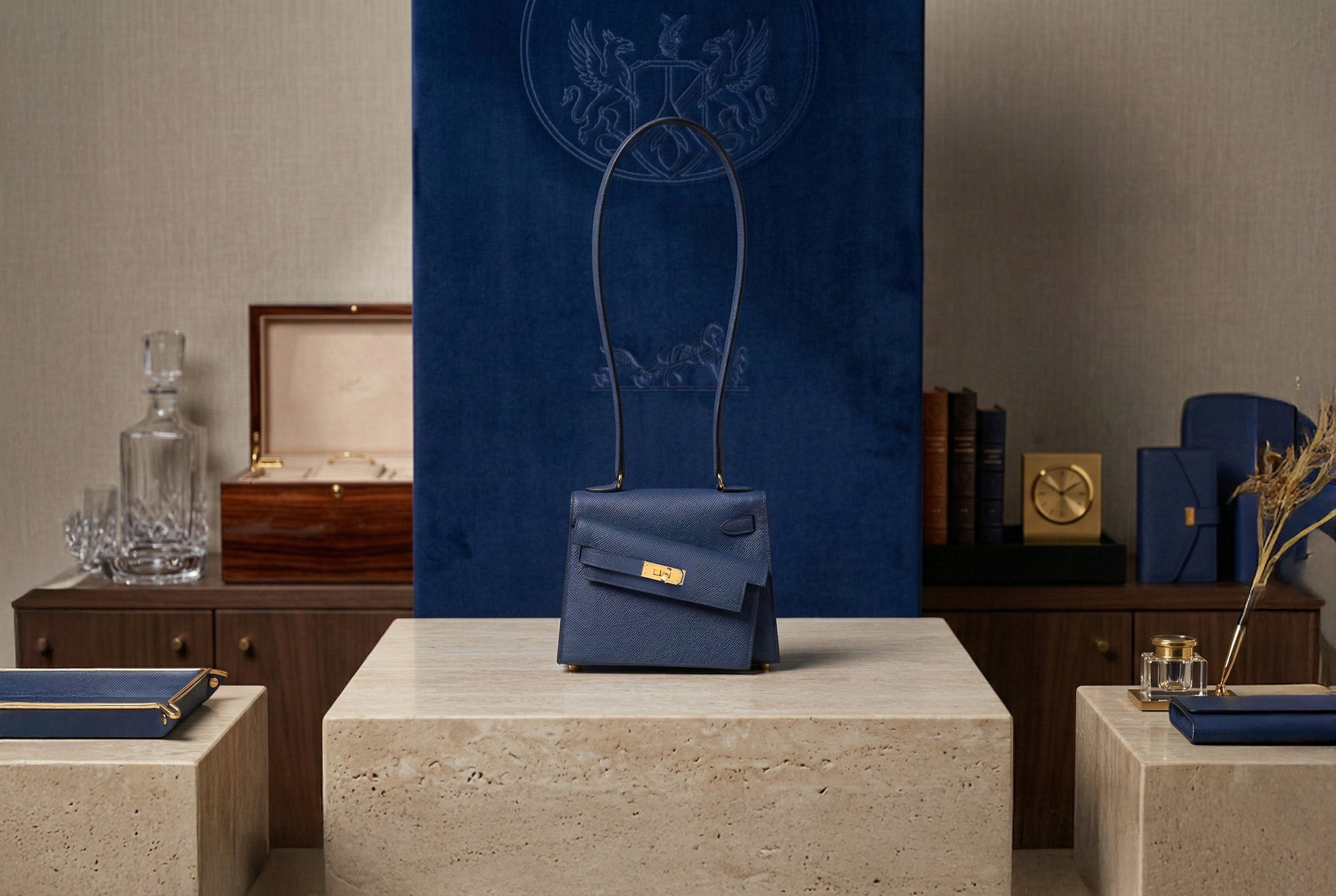
Is Epsom a Good Choice for Rainy Climates?
Check out our Hermès collection and Birkin bags!
Choosing a Hermès bag isn’t just about style, where you live and the weather matter, too. If rain is a regular part of your life, the leather you pick becomes a big deal. Epsom leather has a reputation for being practical, but does it really hold up when the weather turns wet?
Epsom is often considered one of the best Hermès leathers for rainy climates because its embossed, structured surface resists water and dries faster than most other options. The tight grain means moisture doesn’t soak in right away. Water usually beads up and rolls off instead of leaving marks. That’s a relief if you don’t want to fuss over your bag every time clouds roll in.
Let’s see how Epsom stacks up against other leathers like Togo when things get damp, what care it actually needs, and whether it makes sense for your lifestyle. If you want a bag that handles real life and real weather without constant worry, this should help you weigh your options.
Key Takeaways
-
Epsom leather resists water better than most Hermès leathers, thanks to its embossed, structured grain.
-
The leather dries quickly and keeps its shape, even after rain.
-
Quick drying and basic care after getting wet will keep Epsom bags looking sharp for years.
Epsom Leather: The Fundamentals
Epsom stands out for its embossed grain, rigid structure, and bold color. These features shape how it handles daily use and, yep, wet weather.
Texture and Finish
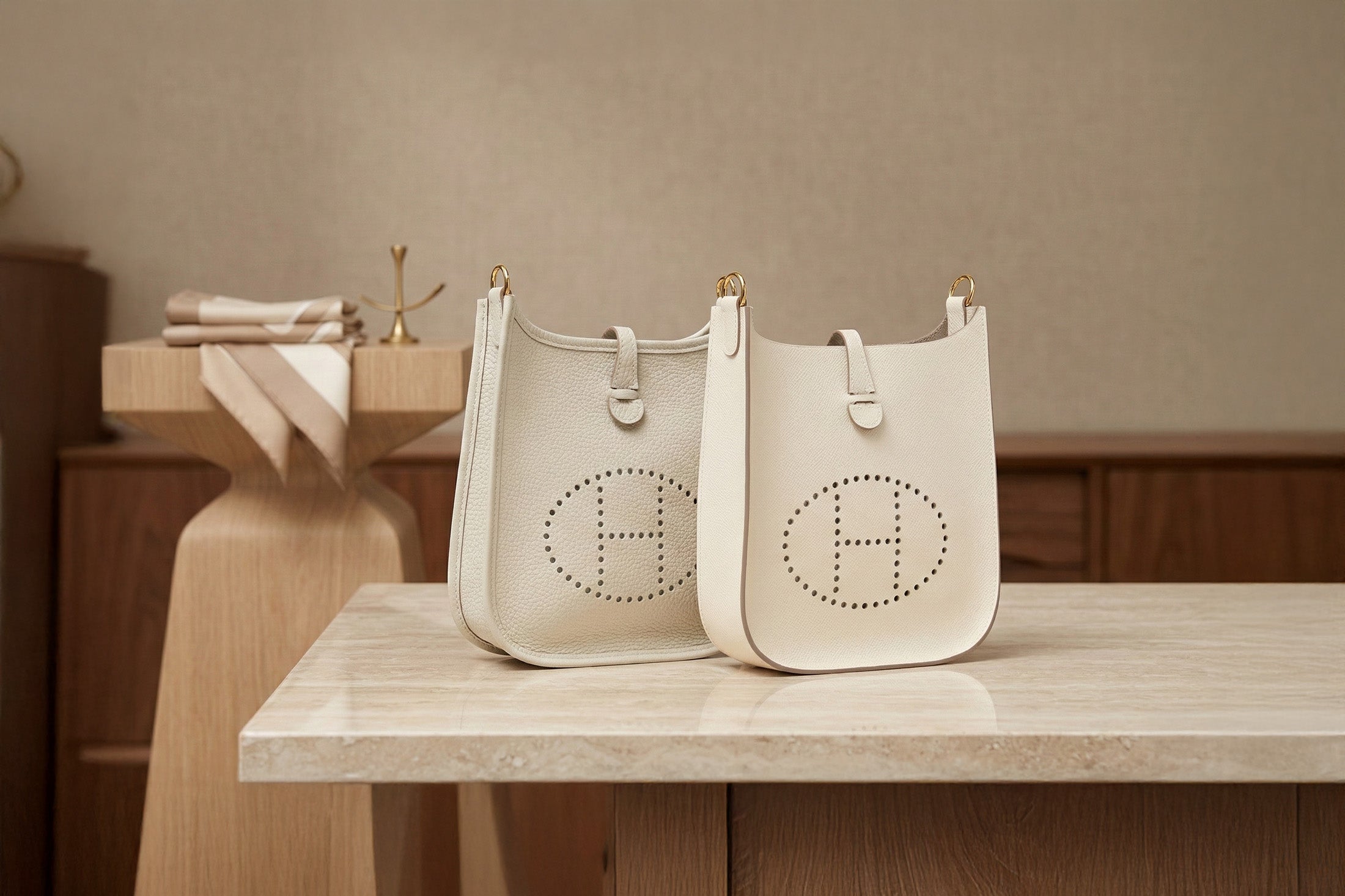
Epsom gets its look from a heat-stamping process that creates a uniform, embossed grain. The result is a smooth, almost polished surface that catches the light differently than natural-grain leathers.
Those tiny, evenly spaced bumps give Epsom its signature rigidity. When you run your hand over it, the leather feels dry and a little textured, not soft or squishy like Togo or Clemence.
That pressed finish isn’t just for looks. It acts as a shield, resisting scratches and helping water bead up instead of soaking in. The tight grain means moisture has fewer chances to sneak in, which really matters when you get caught in a sudden downpour.
Every Hermès leather has its own vibe, but Epsom’s crisp, structured look appeals to anyone who likes that clean, architectural style.
Structure and Weight
Epsom is surprisingly light for how stiff it is. You’ll notice it right away when you pick up an empty bag. It just feels less hefty than Togo or Clemence.
Its rigidity means the bag keeps its shape beautifully. Corners stay sharp, sides don’t cave, and the bag resists the slouching you get with softer leathers. A Kelly or Birkin in Epsom looks almost the same after years as it did when it was new.
Of course, that structure means Epsom doesn’t develop the relaxed, broken-in feel that some collectors love. It won’t mold to your stuff or soften up much with age.
For travel accessories and smaller bags, the lightness is a real plus. For bigger bags, some folks do prefer the weightier feel of thicker leathers.
Colours and Availability
Epsom takes dye really well, giving you some of the boldest, most saturated colors Hermès offers. Brights like Rose Azalée, Blue Électrique, and Vert Criquet look especially punchy in this leather.
The embossed surface holds color evenly, so you don’t get odd fading or uneven tones. Lighter shades stay true longer than they might in other leathers.
You’ll find Epsom in most of Hermès’s standard palette, from classics like Noir, Étoupe, and Gold to the occasional limited edition. It pops up often in Kellys, Birkins, Constances, and small leather goods.
Since Epsom is durable, easy to care for, and looks great in photos, it’s a popular choice for both newbies and seasoned collectors who want color variety.
Water Resistance of Epsom Leather
Epsom’s embossed surface acts as a natural barrier, so water beads up and rolls off instead of soaking in right away. The tight grain and treated finish give it a real edge over softer, more porous leathers when the weather turns wet.
Behaviour in Light Rain
Light rain barely fazes Epsom leather. The embossed grain works like little shields, deflecting droplets before they can get through. Bags caught in a drizzle usually come out looking fine after a quick wipe.
On Epsom, moisture sits on top rather than seeping in. You’ll see water form little beads that you can just blot away with a soft cloth. That gives you some breathing room to get indoors without stressing.
The lightweight construction helps, too. There’s just less leather for moisture to get into. Even lighter colors like Craie or Gris Perle handle quick exposure surprisingly well, though you’ll want to dry them off fast to avoid any temporary darkening.
Performance in Heavy Downpours
Heavy rain is a test for any leather, but Epsom does better than most. The tight, pressed surface keeps water at bay for a few minutes before it starts to soak through. Still, let’s be real. It’s not a raincoat.
If you’re caught in a downpour, cover your bag or get indoors within five to ten minutes. Water will eventually sneak into seams and hardware. The embossed texture helps, but don’t push your luck.
After a heavy soak, Epsom usually dries in 2-4 hours at room temperature. Blot off any extra water right away and let the bag air out upright. The leather bounces back to its original shape once dry, keeping those crisp lines. Skip the hair dryer or radiator. Heat will ruin the grain.
Stain and Spot Resilience
Epsom’s smooth, treated surface shrugs off water spots better than most. Most marks just wipe away once the leather dries. The embossed grain doesn’t have deep crevices where moisture can pool and leave stains.
Light marks might show up on pale Epsom shades at first, but they usually fade as the bag dries. Darker colors like Noir, Étoupe, or Bleu Nuit barely show any spotting. The finish acts as a shield, so water doesn’t get deep enough to cause lasting discoloration.
If you do get stubborn spots, a dry microfiber cloth usually does the trick once the leather is dry. The leather’s rigidity means you don’t have to worry about distorting the grain while cleaning. Conditioning a few times a year keeps the finish strong without softening the leather too much.
Comparing Epsom with Other Hermès Leathers in Wet Conditions
Epsom’s embossed grain handles water differently than Togo’s natural texture, Barenia’s untreated hide, Vache Liegee’s matte finish, and other embossed leathers. Each one brings its own quirks when the skies open up.
Epsom vs. Togo
Epsom comes out ahead of Togo in terms of water resistance. The embossed surface makes water bead up and roll off, while Togo’s natural grain is more porous and lets moisture in faster.
Drying is where Epsom really wins. It usually dries in 2-4 hours, while Togo can take 4-8 hours to let go of all that trapped moisture. Togo’s pebbled surface holds water in those natural creases, so you’ll be waiting a bit longer before your bag feels dry.
| Feature | Epsom | Togo |
|---|---|---|
| Water beading | Excellent | Moderate |
| Dry time | 2-4 hours | 4-8 hours |
| Spot visibility | Low | Very low (hidden by grain) |
| Shape retention when wet | Excellent | Good but softens |
Togo does have a trick up its sleeve: its texture hides water spots really well. Dark Togo shades like Noir or Etain barely show any marks, while Epsom might show some temporary spotting on lighter colors until it dries.
Epsom vs. Barenia
Barenia is natural, untreated calfskin, gorgeous, but not water-friendly. We love Barenia for its patina, but it drinks up water compared to Epsom.
Epsom’s finish keeps moisture on the surface, giving you time to wipe it off. Barenia has almost no water resistance and darkens instantly when wet, sometimes for good if you don’t act fast. The color change can be dramatic, especially on lighter Barenia.
Barenia also takes a lot longer to dry, sometimes 12 to 24 hours, depending on humidity. During that time, it’s more likely to lose its shape or pick up stains. If you live somewhere rainy, Epsom’s the safer bet.
Some collectors like how Barenia ages and gains character, but it’s not for everyone. We wouldn’t recommend it as a daily bag in wet climates unless you’re ready for serious maintenance.
Epsom vs. Vache Liegee
Vache Liegee is a matte, grained cowhide that appears less often today. It lands somewhere between Epsom and Togo for water resistance. The grain isn’t as porous as Togo, but it’s not as protective as Epsom.
Water beads up pretty well on Vache Liegee, but some will soak in over time. Drying takes about 4-6 hours, faster than Togo, slower than Epsom. The matte finish hides water spots fairly well, but not as invisibly as Togo’s deep texture.
Vache Liegee holds its shape when wet, similar to Epsom. The leather is stiffer than Togo, so bags don’t go floppy after rain. Conditioning helps keep its water resistance up, but it’ll never quite match Epsom in a downpour.
Epsom vs. Other Embossed Leathers
Other embossed leathers get compared to Epsom all the time because they share that structured, water-friendly feel.
Like Epsom, they tend to resist water better than softer, open-grain leathers and usually dry quickly. The big difference is in the pattern and finish. Some have wider grooves or a shinier surface, while Epsom’s grain is finer and more uniform.
Epsom is especially light and stiff, which gives Hermès bags that signature sharp look. Plenty of embossed leathers work well in rainy weather, but Epsom still stands out for structure, durability, and low-maintenance wear.
Shape Retention and Durability in Humid Weather
Epsom’s embossed structure gives it a real advantage when things get muggy. It holds its crisp lines while other leathers soften and sag. The heat-pressed grain compacts the fibers, so it stands up to humidity and temperature swings better than most calfskin.
Maintaining Structure During Seasonal Changes
Epsom bags keep their shape through years of seasonal shifts, even in places where humidity jumps from 30% to 80% between winter and summer. The rigid build doesn’t relax or slump when the air gets heavy. Corners stay sharp, edges stay clean, and the bag’s silhouette barely changes, whether it’s August or February.
Why Epsom stays structured:
-
Heat-pressing compacts the leather fibers
-
Embossed grain blocks deep moisture penetration
-
Minimal flexibility means less shifting with weather
Togo and Clemence, by comparison, get that signature slouch partly because their natural grain soaks up and releases moisture over time. Epsom just doesn’t do that. It’s built to resist environmental changes, so your Birkin or Kelly keeps its shape year after year.
Handling Humidity and Temperature Fluctuations
Epsom shrugs off humidity spikes that would soften other Hermès leathers. When the air gets sticky, the embossed surface acts as a barrier. Moisture can’t sneak in the way it does with open-grain leathers.
The downside? Epsom doesn’t breathe or flex with temperature shifts the way Togo does. In really humid weather, you might see condensation on the surface instead of it soaking in. Just wipe it off with a soft cloth. No harm done.
Quick humidity care:
-
Store bags with silica gel packets during rainy seasons
-
Don’t leave Epsom bags in steamy bathrooms or hot cars
-
Keep them in dust bags when not in use to limit moisture
Epsom performs best in places where humidity goes up and down all year. The leather doesn’t dry out or crack in low humidity, and it won’t soak up extra moisture when it’s damp outside.
Care Strategies for Epsom in Rainy Climates
Epsom dries quickly and shrugs off water spots better than most Hermès leathers, but it still needs some attention after getting wet. Fast drying, gentle cleaning, and smart storage keep the structure intact and help prevent long-term issues.
Drying Times and Proper Techniques
Epsom usually dries in about 2 to 4 hours after a light rain, quicker than Togo or Clemence. Its embossed grain keeps water from soaking deep, so moisture just sits on the surface and evaporates.
Temperature and airflow really matter. If it’s 20°C or warmer and there’s a breeze, you might see your bag dry in 90 minutes. High humidity slows everything down, so try for a room with 40 to 60% humidity.
Blot the bag with a lint-free cloth right after it gets wet. Don’t rub or press hard. Stuff the bag with acid-free tissue paper to help it keep its shape as it dries, especially around handles and corners where water can pool.
Don’t use a hair dryer or put the bag near a radiator. Heat will mess up Epsom’s surface, leaving warped or discolored spots that just don’t come out.
Preventing and Managing Water Spots
Epsom’s finish shows water spots on light colors, but those usually fade as the leather dries. Darker colors like Noir or Graphite hide marks better, definitely a plus in rainy places.
Act quickly when water lands on the bag. Dab it with a soft cloth, working from the outside of the spot inward. That helps keep rings from forming as the water dries.
If you see spots after it’s dry, let the leather rest for a day before doing anything. Most marks fade on their own. For stubborn ones, try a leather cleaner made for Hermès leathers, and always test on a hidden spot first.
A leather protector spray can help before rainy season hits. Use it sparingly and follow the instructions. Reapply every few months.
Storage and Daily Maintenance
Store Epsom bags in their dust covers when you’re not using them, even at home. The covers keep out dust and moisture but still let the leather breathe.
Pop some silica gel packets inside to soak up extra humidity. Swap them out every few months or when they feel damp.
Condition Epsom leather only two or three times a year. Too much conditioner softens its structure, which is kind of the whole point of Epsom. Stick to products made for embossed leathers and use a thin layer with gentle, circular motions.
Between uses, stand bags upright on a shelf with good airflow. Skip damp closets or basements, mold is always lurking. If you carry the bag daily in rainy weather, wipe it down each night and let it air out before putting it away.
Bag Models and Epsom Leather Choices for Rainy Environments
Epsom leather behaves differently depending on the Hermès bag style. Structured models like the Birkin and Kelly handle rain better than slouchier ones. The Bolide sits somewhere in the middle. Sometimes it’s worth looking at coated canvas or technical materials for the wettest days, too.
Birkin and Kelly Bags
The Kelly Sellier in Epsom is probably the best rainy-day pick. Its stiff build means water doesn’t collect in corners or seams, and it keeps its shape even when damp. The outer stitching on Sellier styles dries faster than Retourné stitching, which sits inside and can trap moisture.
Birkin bags in Epsom do well in rain, though the open top means you’ll want to watch what’s inside. A 25cm or 30cm Birkin dries faster than a 35cm or 40cm, less surface area. The structured base keeps water from pooling at the bottom.
Best Epsom choices for rain:
-
Kelly 25cm or 28cm Sellier
-
Birkin 25cm or 30cm
-
Darker colours (Noir, Etain, Gold)
Lighter Epsom shades like Craie or Blanc can show water marks, but they usually fade as the leather dries. Hardware finish matters less than wiping and drying the bag promptly.
Bolide and Other Structured Bag Considerations
The Bolide’s rounded shape and zipper closure make it surprisingly handy in wet weather. Epsom Bolides resist water well, and the zip keeps rain out. The 27cm and 31cm sizes are easy to carry when you’re dodging puddles.
Some collectors also look at other structured, embossed leather bags as practical options for rainy climates. Those styles often have a similar balance of structure, easy care, and faster drying.
Bolide handles sit higher than a Birkin’s, so they stay off wet surfaces. We’d skip exotic skin Bolides for rainy days, even if the body is Epsom. All-leather versions are just safer.
Alternative Materials for Rainy Climates
When it comes to protecting luxury items or building in wet places, engineered wood stands up to moisture, and technical materials often beat traditional leather during heavy rain.
Engineered Wood and Fibre Siding
Engineered wood products offer real moisture resistance compared to regular lumber. These materials mix wood fibers with binders and coatings that repel water better than solid wood.
Fibre cement siding is especially tough in wet climates. It resists rot, warping, and bugs, and holds up through years of rain. We’ve seen it do well in coastal areas where it’s always damp.
Key advantages include:
-
Little maintenance (no annual staining)
-
Stays stable even with humidity swings
-
Textures can mimic real wood grain
-
Lower long-term costs than traditional wood siding
Installation does need pros since the material’s heavy. Fibre cement costs more up front than vinyl, but less than top-tier natural wood. For buildings exposed to lots of rain, the investment pays off with fewer repairs and replacements down the line.
Comparing Luxury Leather Versus Technical Materials
Traditional luxury leather needs lots of protection in rainy places, while modern technical fabrics just shrug off moisture. Calfskin and lambskin soak up water fast, leading to stains, color bleed, and sometimes real damage if you don’t act quickly.
Technical materials like coated canvas or synthetic blends naturally repel water. For daily use in wet weather, those are the way to go, especially when you can’t always carry an umbrella. Many luxury houses now offer weather-friendly options that still look polished but don’t have leather’s weaknesses.
Material performance comparison:
| Material Type | Water Resistance | Maintenance | Durability in Rain |
|---|---|---|---|
| Smooth Leather | Low | High | Poor |
| Patent Leather | Moderate | Moderate | Fair |
| Coated Canvas | High | Low | Excellent |
| Technical Nylon | Very High | Very Low | Excellent |
If you’re buying pieces for daily use in rainy spots, technical materials will keep their looks and value better than untreated leather.
Frequently Asked Questions
Moisture, humidity, and rain can all complicate the care of luxury leather goods in damp climates.
How does wet weather affect the durability of high-end leather goods?
Wet weather strips oils and stresses leather fibres. Repeated exposure can cause swelling, warping, spotting, and stiffness as the material dries. Delicate finishes like Box calf or suede-like leathers show marks fastest, while embossed, grained leathers usually handle brief rain better.
Can luxury items maintain their value in areas with high humidity?
Yes, but storage matters. Keep pieces in a climate-controlled space, use breathable dust bags, and add silica gel or a dehumidifier when needed. Resale value follows condition, not city, so humidity damage matters more than location.
What are the top leather care tips for protecting investment-grade accessories from the rain?
Start with prevention. Carry a soft cloth, avoid prolonged exposure, and blot moisture right away instead of rubbing. Let items air dry at room temperature, keep their shape with tissue, and use leather products sparingly, especially on structured embossed leathers.
Is the resale market affected by frequent exposure to damp climates for designer pieces?
The resale market reacts to visible condition issues, not the climate itself. Water stains, mildew, softened structure, and odour can reduce value sharply. Clean, well-stored pieces from rainy places still sell well when they show no signs of moisture damage.
How should I adjust my collector strategy for luxury items in a rainy environment?
In rainy environments, it helps to prioritise more durable finishes for daily use and save delicate pieces for dry days. Rotate bags, photograph condition regularly, and invest in storage that controls humidity. Prevention is cheaper than repair or restoration.
What are some styling approaches to incorporate weather-resistant luxury items into my wardrobe?
Build outfits around structured, weather-tolerant pieces such as embossed leather bags, coated canvas, sturdy footwear, and simple metal jewellery. Scarves and softer accessories can still work in light drizzle, but they should be dried promptly and kept out of heavy rain.
Love Hermès? See More from Rome Station
Add us to your Preferred Sources on Google to see our newest Hermès guides and insider tips first.