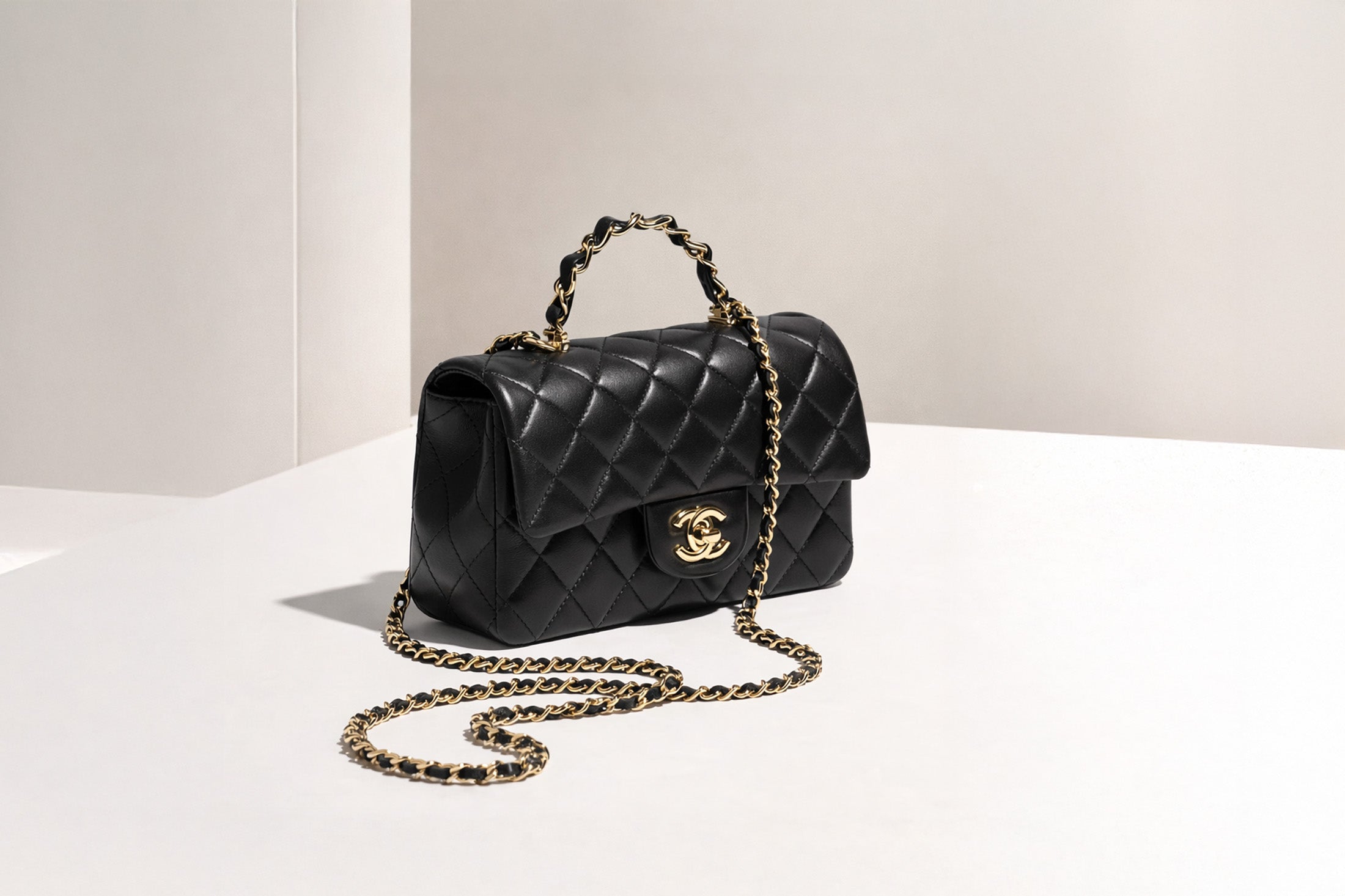


How to Identify Over-Restored Chanel Bags in the Secondary Market
Check out our Chanel collection!
The secondary market for vintage Chanel bags has grown rapidly, but so has a troubling reality, many bags have been altered beyond recognition by both well-meaning restorers and profit-driven resellers.
Over-restoration strips a Chanel bag of its original character, diminishes its collector value, and can mask underlying damage that affects long-term durability. Professional restoration can help preserve a bag’s integrity, but aggressive interventions, like full redyeing, hardware swaps, or interior reconstruction, often do more harm than good.
We’ve come across everything from beautifully aged lambskin stripped of its natural patina to original gold-tone hardware swapped for shiny aftermarket pieces.
Sellers don’t always disclose these modifications, and buyers often discover too late they’ve bought an over-restored bag. The problem’s especially rampant on platforms with inconsistent authentication standards, where sellers may prioritize looks over authenticity.
If you want to spot over-restoration, you’ll need to know what real Chanel craftsmanship looks like, and which alterations cross the line from preservation into destruction.
Here’s what to look for, where these bags turn up most often, and how you can avoid getting burned in the pre-owned market.
Key Takeaways
- Over-restoration reduces collector value by replacing original materials and erasing natural ageing
- Watch for uniform colour saturation, mismatched hardware, and unnaturally pristine interiors on vintage bags
- Authentic preservation keeps original components; over-restoration replaces them with aftermarket parts
Understanding Over-Restoration in Chanel Bags
Over-restoration happens when someone gives a Chanel bag excessive or improper treatments that compromise its original materials and craftsmanship. The worst offenders: full repainting, aggressive colour restoration, and swapping out authentic components for lower-quality materials.
What Constitutes Over-Restoration
Over-restoration crosses the line when treatments fundamentally change the bag’s original state instead of maintaining it.
Full repainting or re-dyeing is the most common culprit. When a seller strips away the original finish and slathers on new paint or dye, the leather’s natural grain and pores get sealed over. The result? A surface that looks uniform but feels artificial, missing the depth and character of real Chanel leather.
Replacing authentic hardware with non-original pieces is a major red flag and significantly diminishes the bag's value. We’ve seen Chanel flap bags in consignment shops with chain straps swapped for aftermarket versions that look close but don’t have the right weight or finish.
Overly aggressive cleaning or conditioning that removes the natural patina isn’t much better. Some restoration services erase all signs of age, which might sound good but actually wipes away the bag’s authenticity. A vintage piece should show its history, not look like it just rolled off the assembly line.
Common Over-Restoration Techniques
Sellers in the secondary market use a handful of restoration tricks to make bags look newer than they are. If you’re buying pre-owned, you’ll want to know these.
Surface repainting means applying leather paint over worn spots or even the whole bag. The paint sits on top, not inside the leather, so the surface feels stiff or plasticky. You’ll notice paint buildup around stitching, edges, and hardware, where it’s hard to apply cleanly.
Chemical stripping and re-dyeing removes the original colour so new dye can go on. This process damages the leather’s natural oils and structure. Caviar leather loses its signature pebbled look, while lambskin comes out thinner and more fragile.
Hardware re-plating or replacement swaps out original Chanel hardware for cheaper alternatives. We see this a lot with turn locks, chain links, and zipper pulls. The replacements often have the wrong tone (too brassy, too silvery) and lack proper hallmarks.
Logo re-stamping covers faded authenticity stamps with new impressions. These look almost too perfect compared to the rest of the bag and often have off fonts or weird positioning.
Why Over-Restoration Affects Value
Over-restoration changes what collectors and serious buyers are looking for in authentic Chanel pieces. The resale market pays a premium for originality, even if there’s some wear.
An over-restored Chanel flap bag can lose 30 to 50 percent of its potential resale value compared to an original in similar shape. Collectors want original leather finishes, authentic hardware, and natural patina. When we buy pre-owned Chanel as part of sustainable fashion, we’re investing in craftsmanship, not just a pretty coverup.
Altered materials don’t last as long, either. Repainted leather can’t breathe and tends to crack or peel much faster. Paint traps moisture and blocks conditioning, so deterioration speeds up instead of slowing down.
Authentication gets tricky, too. Professional authenticators often refuse to verify heavily restored bags, since the alterations hide key construction details and materials. That’s a headache for future resale or insurance.
Key Signs of Over-Restored Chanel Bags
Over-restored bags have physical changes that stand out to a trained eye. We look for stiff leather, mismatched or replacement hardware, off stitching, and altered serial numbers or stamps.
Inconsistent Leather Colour and Texture
Leather that feels “off” is the biggest giveaway. Original Chanel lambskin feels buttery and supple, with visible grain. Caviar leather stays structured and pebbly.
When someone repaints or re-dyes a bag, the leather loses those traits. The surface feels stiff, waxy, or too smooth because paint clogs the pores. The material just doesn’t move or breathe the way it should.
Colour inconsistencies show up around edges, seams, and hardware. Paint tends to collect in these spots, and the finish can look too glossy or too flat compared to Chanel’s usual balanced sheen.
Run your fingers over the quilting. Original leather has depth and dimension. Over-restored bags feel flat and coated, with less definition in the diamond pattern.
Unofficial Hardware Replacements
Chanel hardware has a certain weight, finish, and engraving that’s tough to fake. The brand uses specific metal blends that age in predictable ways.
We always check the chain straps first. Real Chanel chains have a consistent heft. Replacements often feel too light or heavy, with links that just don’t match the original shape.
The CC turnlock should close with a satisfying click and stay shut. Aftermarket turnlocks might feel loose or need too much force. On the back, we look for the correct Chanel stamps, these should be crisp, not fuzzy or bold.
Zippers are another place to check. Chanel uses certain zipper makers (Lampo for vintage, YKK or DMC for newer bags). Over-restored bags sometimes have generic zippers with the wrong pulls or tape colours.
Irregular Stitching and Construction
Chanel’s stitching is famously precise. Each classic flap has about 180 to 200 stitches per quilted diamond, and the consistency is almost scary.
Over-restored bags show stitching oddities. Threads might look sunken or painted over from dye jobs. The thread colour could be off, or the tension might change across the bag.
Quilting alignment matters. If diamonds don’t line up at the seams, or stitching goes crooked, the bag’s probably been taken apart and put back together, maybe after panel replacement or repairs.
We count stitches per inch on straps and edges. Chanel usually does 8 to 10 stitches per inch, depending on the style. Hand repairs rarely match this level.
Altered Authentication Details
Authentication depends on serial numbers, stamps, and hologram stickers that fit the production period. Over-restored bags sometimes have replaced or altered authentication bits that don’t add up.
The interior stamp should show wear that matches the bag’s age. If a “vintage” bag has a crisp, fresh stamp, or the foil looks new, that’s suspicious. Font, spacing, and depth all need to match Chanel’s specs for that year.
Serial number stickers changed over time. White stickers with black text ran from 1986 to 2005, and hologram stickers started in 2005. If someone claims a 1995 bag has a hologram sticker, something’s off.
We check if the serial number format matches the claimed age. Modern bags should have eight digits. The font should be clear but not weirdly perfect, and the sticker edges should show some lifting or wear, if they look brand new on an old bag, that’s a red flag.
Platform-Specific Risks and Red Flags
Different online platforms pose different risks for pre-owned Chanel bags. Some places let over-restored bags slip through more easily. Here’s where to watch your step and how to vet listings. Established resale sites usually offer better protection, but you still need to pay attention.
Secondary Marketplaces to Approach with Caution
Peer-to-peer sites and Facebook Marketplace are riskiest for over-restored bags. These platforms don’t really offer authentication and count on sellers to be honest. We’ve seen tons of heavily restored bags described as “excellent vintage condition,” with no mention of leather treatments or hardware swaps.
Watch out for:
- No returns or buyer protections
- Only 1-2 low-quality photos
- No professional authentication
- Sellers with little history or feedback
Instagram and TikTok sellers are even trickier. Many use filters to hide restoration, and deals happen through payment apps with zero recourse.
Local consignment shops and small boutiques aren’t immune, either. Some lack expertise or skip proper inspection.
How to Evaluate Listings on Popular Platforms
We always start by checking photo quality and quantity. Good sellers post 8-12 clear, unfiltered images from all angles: serial number, hardware close-ups, interior shots. Over-exposed or filtered photos can hide restoration.
Look for:
- Consistent hardware finish across all metal bits
- Leather texture matching on front, back, sides, and base
- Stitching colour that’s the same throughout
- Edge paint condition along seams and corners
Condition descriptions should mention what’s original and what’s been replaced. Vague phrases like “gently used” or “normal wear” deserve extra scrutiny. Ask for more photos of any spots that look too perfect or inconsistent for the bag’s age.
Seller transparency is huge. We avoid sellers who dodge questions about restoration. Check their other listings, do they have a bunch of “perfect” vintage pieces? That’s a red flag.
Best Practices for Authenticating Chanel in the Pre-Owned Market
Professional authentication services are the most reliable way to verify a bag. Detailed documentation and serial number checks help confirm legitimacy before you buy.
Using Professional Authentication Services
We always suggest professional authentication when buying pre-owned Chanel, especially if you’re spending real money. These experts have handled thousands of real and fake bags, so they spot details most buyers miss.
Services like Entrupy use AI and microscopic imaging, while traditional authenticators rely on years of hands-on experience. Real authentication means checking everything at once: leather quality, stitching, hardware weight, serial number formatting, each for the right production period.
Most reputable services charge $30 to $100, which feels fair if you’re spending thousands. Many consignment platforms include authentication, but for rare or pricey pieces, a second opinion never hurts.
Authenticate first, before you finalize the deal. If a seller resists, that’s a warning sign.
Requesting Comprehensive Photos and Documents
Before you commit, ask for detailed photos of areas where counterfeits usually slip up. Start with close-ups of the interlocking CC logo, the interior stamp, and the serial number or microchip plate.
Request shots of the stitching in natural light, both the quilting and interior seams. Hardware should get photographed from multiple angles to show any flaking, discoloration, or lightweight feel. We also ask for dust bag photos, authenticity cards (for pre-2021 bags), and any original packaging.
A legit seller won’t hesitate to provide these. We’ve found that interior lining photos, especially where it meets the leather, often expose bad craftsmanship in fakes.
For bags with microchips (2021 and later), ask for a photo of the metal plate with the alphanumeric code. You can’t scan the chip yourself before buying, but having the code is crucial for future verification.
Cross-Referencing Serial Numbers and Details
Serial numbers give us a window into when and where a Chanel bag came to life, and they're key for checking if everything lines up with the claimed production date. Bags made before 2005 have six-digit codes; those from 2005 to 2021 use seven digits.
We compare these numbers to Chanel’s known production patterns to ensure the bag’s authenticity matches its claimed production year. Usually, the first digit or two signals the year, and the rest hint at season and factory. So if someone says a bag is from 2018 but it has a six-digit serial, that’s a red flag.
Look closely at the serial sticker’s font, size, and placement, does it match authentic bags from the same era? The sticker should look crisp and straight, not blurry or crooked. Always double-check that the sticker’s number matches the authenticity card exactly.
For vintage bags, keep in mind: Chanel only started serial numbers in the late 1980s. Older bags won’t have them, but that’s not an automatic sign of a fake. We also check if the hardware, zipper brands (like Lampo, EP, or Eclair), and leather types make sense for that production period.
Restoration Versus Preservation: What Collectors Should Know
The line between careful conservation and over-restoration can mean a difference of thousands of dollars in a bag’s value. Knowing what’s justified, and what’s not, helps us make smarter buys.
When Restoration is Acceptable
Basic care that keeps a bag sturdy and wearable is fine. Professional leather conditioning, gentle hardware cleaning, and reinforcing weak stitching all fall into the safe zone.
We’re also fine with swapping out things meant to wear out. Adding new protective feet, fresh dust bags, or authentication cards from reputable sellers doesn’t hurt the bag’s character, they’re not the core components.
Sometimes, structural repairs are necessary. If a handle’s about to separate, getting it reattached by Chanel or a trusted specialist keeps the bag usable without hurting authenticity. Using period-appropriate materials and techniques is the trick, match the original construction and you’re good.
But there’s a point where it goes too far. Refinishing leather to hide wear, swapping original hardware for non-Chanel pieces, or dyeing to mask discoloration? That’s not preservation, it’s covering up the bag’s real story.
Signs of Skilled Versus Botched Restoration
Good restoration should blend in so well you barely notice it. We look for stitching that matches the original thread in color, thickness, and spacing. Chanel has a specific stitch count per inch, proper work respects that.
Red flags:
- Uneven or puckered stitches
- Thread color or thickness that’s off
- Hardware that doesn’t match the original finish
- Leather that feels plasticky from heavy conditioning
- Dye that’s bled or changed the leather’s texture
A pro will keep the bag’s patina intact. The leather should still show natural aging, just cleaner and more stable. If you see a “vintage” bag with perfectly uniform color and no wear, something’s fishy.
Repairs should look even. If one handle’s been restitched, the other should match in quality. If not, it probably means someone rushed or cut corners.
Long-Term Impact on Resale Value
Bags in original, wearable condition fetch the highest prices. A bag with its original hardware, untouched leather, and honest patina will always beat a heavily restored one.
Light maintenance doesn’t hurt value. Actually, buyers often prefer a bag that’s been cared for over one that needs work right away. It shows the previous owner paid attention.
Heavy restoration, though, can tank value. Recolored bags can lose 30-50% compared to originals. Replaced hardware drops value by 20-40%, depending on whether it’s genuine Chanel or not.
Documentation is huge. If Chanel or an authorized specialist did the work, receipts and details help reassure buyers and protect value. Undocumented repairs, even if done well, raise questions we can’t always answer.
The market’s shifting: more buyers want authenticity over perfection. Honest wear is winning out over questionable “improvements,” and that’s a good thing for transparency in luxury resale.
Other Notable Brands and Parallels in Over-Restoration
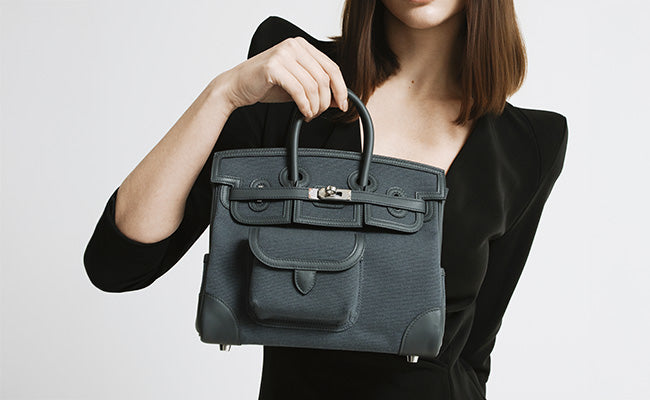
Over-restoration hits luxury brands in different ways, depending on their materials, construction, and what collectors expect. Loewe and Hermès Birkin bags have their own restoration challenges, similar to Chanel in some ways, but each brand has its quirks.
Comparing Loewe and Hermès Birkin with Chanel
Loewe bags, especially the Puzzle and Flamenco, use super-soft calfskin that ages differently than Chanel’s caviar or lambskin. That patina is part of the appeal, but over-restoration can erase it. We’ve seen sellers use heavy dyes or sealants, leaving Loewe leather looking stiff and plastic.
Hermès Birkins face their own risks. Togo, Clemence, and Epsom leathers are supposed to age with grace, not intervention. Over-cleaning strips natural oils, and aggressive corner repair can bring in mismatched leather. The hardware is touchy, too, polishing can strip the protective layer, leading to tarnish.
Both brands, like Chanel, are vulnerable to color mismatches. A poorly restored Birkin might have corners that don’t match the body, and an over-dyed Loewe Puzzle can lose the subtle color shifts that make it special.
Key Differences in Restoration Practices by Brand
Material expectations really matter:
- Hermès: Collectors expect almost no intervention. Even small repairs should use identical leathers and the brand’s own techniques.
- Loewe: Moderate wear is normal, the soft leather shows character over time.
- Chanel: Caviar leather can handle more restoration than lambskin, but hardware swaps raise eyebrows.
Hermès bags lose a lot of value if restored outside official channels, sometimes 30-50% less than those serviced by the brand. Loewe hasn’t set such strict standards, so there’s a bit more leeway. Chanel sits somewhere in the middle.
We’ve noticed Hermès and Loewe restorations focus on leather integrity, while Chanel repairs often zero in on hardware shine and chain fixes. That lines up with what buyers seem to care about most for each brand.
Frequently Asked Questions
Over-restored Chanel bags usually give themselves away in the stitching, hardware, leather texture, shape, finish, and interior, details that just don’t match what came out of the factory.
What subtle stitching details should I look for to spot a Chanel bag that's been over-restored?
Diamond quilting alignment is a big one. Authentic Chanel bags have perfectly even diamonds, and over-restoration often leads to slight misalignments where repairs happened.
Stitch count matters too. Chanel has a set number of stitches per inch. Restoration often brings irregular stitch density or weird spacing.
Watch for paint buildup around stitches. If a bag’s been repainted, extra paint can seep into the thread channels, making stitches look sunken or less crisp than Chanel’s original work.
Are there specific hardware hallmarks that indicate an over-restoration on a Chanel classic?
The CC logo on original hardware should have sharp edges and consistent depth. Replated or replaced hardware can look too sharp or just a bit off.
Check the hardware color. Chanel’s gold, silver, and ruthenium finishes each have a distinct tone. Replated hardware often looks too shiny or a little off-color.
Look at the screws. Chanel uses flathead screws with certain markings. Replacement hardware might have Phillips screws or lack proper Chanel stamps.
How can I tell if the leather on a Chanel bag has been excessively retouched or treated?
Touch tells you a lot. Original lambskin feels buttery and soft; caviar leather is structured but pliable. Over-treated leather feels stiff, waxy, or too smooth, restoration products can seal off the natural grain.
Uniform color that seems “too perfect” is another clue. Vintage Chanel bags naturally develop subtle color shifts, so if the color looks flawless all over, that’s suspicious.
You should still see the natural grain. Too much conditioning or recoloring can blur the pores and texture, giving the leather a plastic look Chanel never intended.
What are the red flags in the bag's overall shape or structure hinting at over-restoration?
A Chanel bag should hold its shape naturally. Over-stuffing or heavy reshaping can make it look puffier or stiffer than it’s supposed to.
Corners and edges are telling. Authentic bags show wear there first, but over-restored bags often have product buildup in the corners, making them look thick or oddly rounded.
Flap alignment matters, too. If the front flap doesn’t sit flush or looks warped, it’s likely someone tried to fix the structure and missed the mark.
Can an overly shiny finish be a giveaway that a Chanel bag isn't in its original state?
Absolutely. Real Chanel leather has depth, not just surface shine. Lambskin offers a gentle luster, caviar a soft sheen, but neither should look glossy or lacquered.
Too matte is also a warning sign. Over-conditioning or harsh cleaning can strip the finish, and attempts to restore shine often leave an unnatural coat.
How the leather reflects light matters. Original Chanel leather reflects light evenly, while over-restored bags show weird shiny spots or dull patches where products settled unevenly.
What interior features should I inspect to verify the authenticity and proper restoration of a pre-loved Chanel?
The interior leather lining should feel supple, never sticky or oddly soft. Sometimes, restorers go overboard with conditioners, and you can actually notice residue that messes with the texture inside.
Take a good look at the stamp. Real Chanel stamps have their own quirks: fonts and placement change depending on the year. If the bag's been over-restored, the logo might look too bold or just... off, maybe a little crooked or in the wrong spot.
Peek around for paint overspray inside. When someone repaints the exterior, it's pretty common to spot hints of color or paint residue along the interior edges, seams, or even tucked into pocket corners. Restorers can't always keep the paint perfectly contained.