
How to Authenticate a Chanel Classic Flap: Signs Experts Look For
Check out our Chanel collection!
The Chanel Classic Flap is one of the most counterfeited luxury bags in the world, and spotting a fake has become increasingly difficult as replicas improve.
Authentic Chanel bags have distinct characteristics in their leather quality, stitching precision, hardware weight, and logo placement that experts use to verify authenticity.
Whether you received one as a gift or are considering a purchase from the resale market, knowing what to look for can save you from an expensive mistake.
Counterfeiters have gotten better at mimicking the obvious details, but they still struggle with the subtle craftsmanship elements that Chanel has perfected over decades.
We've examined the key authentication points that professional authenticators rely on, from the feel of the lambskin to the weight of the chain straps. These are the same methods used by luxury resellers and auction houses to verify genuine Chanel bags.
This guide breaks down the specific signs that separate real from fake, focusing on details that even high quality replicas get wrong.
We'll walk you through the inner metal strap engravings, quilting patterns, hardware nuances, and other critical checkpoints that matter most when authenticating your Chanel Classic Flap.
Key Takeaways
- Check the inner metal strap engraving for letter sharpness and spacing, as this is where many fakes fail
- Examine the quilting pattern and stitching depth on the back and interior, since authentic bags have consistent diamond shapes with deep, neat stitches
- Verify hardware details including chain shine, CC logo proportions, and overall weight, as genuine Chanel uses higher quality metals
Understanding the Chanel Classic Flap
The Chanel Classic Flap stands as one of the most recognizable luxury handbags in the world, with specific design elements that distinguish authentic pieces from counterfeits. The bag's iconic status and high resale value make it a prime target for sophisticated counterfeiters who replicate even minute details.
Key Features Defining the Chanel Classic Flap
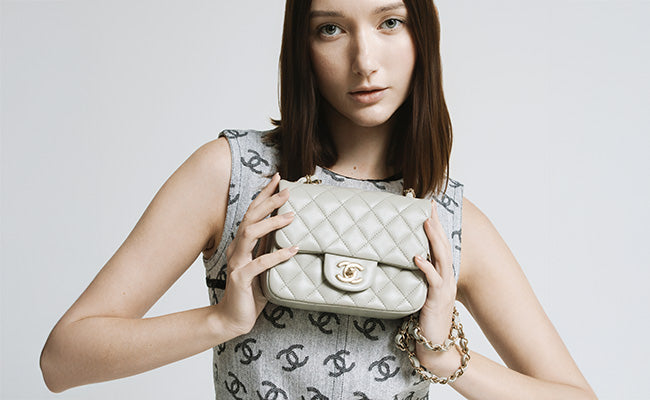
The Classic Flap features diamond quilted lambskin or caviar leather with a signature interlocking CC turn lock closure. The hardware comes in either gold or silver tone metal, maintaining consistent plating quality throughout the chains, turn lock, and zipper pulls.
We notice the bag includes a distinctive chain and leather woven strap that threads through both sides. The interior typically contains burgundy leather lining, though some vintage pieces feature different colours depending on the era of production.
Standard sizes include:
- Mini: perfect for evening events
- Small: the original 1955 size
- Medium/Large: the most popular option
- Jumbo: for those needing extra space
- Maxi: the largest Classic Flap size
The bottom of an authentic Classic Flap has a narrower shape compared to the top. The bag maintains specific proportions that vary by size but remain consistent within each size category.
Why Counterfeiters Target Chanel Handbags
Authentic Chanel bags command prices between $8,000 and $12,000 for new pieces, with vintage and limited editions reaching significantly higher values. This price point creates substantial profit margins for counterfeiters who can produce convincing replicas at a fraction of the cost.
Modern "super fakes" now replicate serial stickers, holograms, authenticity cards, quilting patterns, and even correct stitch counts. These sophisticated counterfeits challenge buyers and resellers who rely solely on basic authentication knowledge.
The robust resale market for Chanel handbags adds to their appeal for counterfeiters. Buyers purchasing from estate sales, online marketplaces, and secondary retailers face higher risks than those buying directly from Chanel boutiques. The combination of high demand, significant resale value, and multiple purchasing channels makes the Classic Flap particularly vulnerable to counterfeiting operations worldwide.
Examining the Leather: Feel, Texture, and Scent
Authentic Chanel leathers have distinct tactile qualities and scents that fakes struggle to replicate. The two main leathers used are caviar and lambskin, each with unique characteristics that help verify authenticity.
Spotting Real Caviar Leather vs. Alternatives
Real caviar leather has a distinctive pebbled texture that feels grainy yet soft to the touch. The small bumps should be uniform in size and evenly distributed across the entire surface. When you run your fingers over it, the texture remains consistent without any flat or smooth patches.
The leather should have some give when pressed gently but spring back into shape immediately. Fake caviar often feels too hard or plasticky, lacking the natural flexibility of genuine leather.
Authentic caviar leather emits a subtle, earthy scent that's slightly sweet. This smell comes from the tanning process and natural oils in the leather. Counterfeits typically smell like chemicals or plastic, particularly near the seams and interior areas.
The texture should feel slightly waxy but not slippery. Real caviar develops a beautiful patina over time while maintaining its structure. Fake versions tend to crack, peel, or lose their texture with regular use.
Telling Lambskin Apart from Fakes
Genuine lambskin feels incredibly soft and supple, almost buttery to the touch. It's thinner than caviar leather but still has substantial weight and quality. The surface should be smooth with a natural grain that's visible under direct light.
When you gently press the leather, it should feel pliable and warm up quickly from your body heat. Fake lambskin often feels stiff, cold, or has an artificial smoothness that lacks depth.
Real lambskin has that same rich, natural leather aroma without any chemical undertones. The scent is more delicate than caviar but still distinctly organic. If it smells like vinyl or has a sharp chemical odour, it's likely not authentic.
The leather should show natural variations in texture rather than appearing perfectly uniform. Authentic Chanel bag lambskin develops a subtle sheen and slight colour changes over time, creating character rather than deterioration.
Inspecting the Diamond Quilting and Stitching
The diamond quilting on a Chanel Classic Flap isn't just decorative. It's a technical achievement that counterfeiters struggle to replicate correctly, making it one of the most reliable authentication checkpoints we can examine.
Aligning Quilting Patterns across Seams
Authentic Chanel bags show precise diamond alignment at every seam, side panel, and edge. When we look at where the front flap meets the body, the diamonds should line up perfectly without interruption. Counterfeit bags often show misaligned quilting where seams meet, or diamonds that don't match up at corners.
The puff level of each diamond should be consistent across the entire bag. We're looking for an even, cushioned appearance that's not too flat or overly puffy. Fake bags tend to have inconsistent puff, with some diamonds appearing deflated while others look overstuffed.
Pay attention to how the quilting wraps around the sides and back of the bag. On genuine Chanel bags, the pattern continues seamlessly without awkward cuts or oddly shaped diamonds near the edges. The symmetry should be mirror perfect on both sides of the bag.
Stitch Count and Construction Quality
Authentic Chanel bags consistently show more than 9 stitches per inch within each diamond, often reaching 10 to 11 stitches. We can count the stitches along one side of a diamond to verify this standard. Counterfeit bags typically have fewer, more visible stitches that look rushed.
The stitching itself should appear tight, even, and slightly sunken into the leather. Thread colour matches the leather precisely, and there should be no loose threads, skipped stitches, or irregular spacing. Each stitch runs at the exact same angle through the quilting.
Vintage Chanel bags from earlier decades may show slight variations in stitch count, but the quality and consistency remain constant. The thread weight and tension should look uniform throughout the entire bag, front to back.
Identifying the Chanel Logo and CC Turn-Lock
The CC turn-lock and logo stamps are among the most revealing authentication checkpoints on a Classic Flap. Counterfeiters struggle to replicate the precise overlap pattern and typography that Chanel has perfected over decades.
Interlocking Cs: Overlap and Spacing
The interlocking CC turn-lock follows a specific pattern that never changes on authentic bags. The right C overlaps the left C at the top, while the left C overlaps the right C at the bottom. This creates a balanced, symmetrical design that fake bags often get wrong.
We've seen counterfeit bags where both Cs overlap in the same direction or where the spacing between the letters looks uneven. The metal itself should feel substantial and weighty in your hand, not hollow or lightweight. Authentic turn-locks use flathead screws on the back plate, never Phillips head screws.
The finish on genuine hardware is smooth and evenly polished, whether it's gold or silver tone. Fake versions often show duller metal, rough edges around the letters, or inconsistent plating that looks too shiny or artificially aged.
Logo Stamp Typography Details
The heat-stamped logo inside your Classic Flap reveals critical authentication clues through its typography. Authentic stamps display crisp, evenly spaced letters spelling "CHANEL" with "MADE IN FRANCE" or "MADE IN ITALY" below in smaller text. The font weight and spacing remain consistent across all genuine bags.
Counterfeit stamps frequently show telltale flaws like bleeding ink, uneven letter heights, or incorrect font styles. We pay special attention to the spacing between letters and the depth of the stamping itself. Genuine stamps are pressed cleanly into the leather without smudging or double impressions.
The stamp colour should match your hardware. Gold hardware pairs with gold stamping, silver hardware with silver. Mismatched combinations are immediate red flags that something isn't right with the bag's authenticity.
Hardware and Chain-Strap Details
The hardware on a Chanel Classic Flap tells you everything about its authenticity if you know where to look. Genuine pieces feature specific weight characteristics, precise engravings, and meticulous construction details that counterfeiters struggle to replicate correctly.
Authentic Hardware Weight and Engravings
We can immediately spot issues when we pick up a bag with lightweight hardware. Authentic Chanel uses solid metal that has substantial heft. The CC turn-lock should feel heavy and perfectly balanced when you flip it open.
The engraving quality matters just as much. Real Chanel hardware shows crisp, evenly spaced letters with consistent depth. The CHANEL text appears centred and proportional on the back of the CC turn-lock. Fake bags often have shallow engravings that look stamped rather than carved, or the spacing looks slightly off.
You'll also notice the CC logo itself has specific proportions. The right C should overlap the left C at the top, and the left C overlaps at the bottom. The curves are smooth and symmetrical. Counterfeit versions frequently get these overlaps wrong or make the Cs too thick or thin.
Flathead Screws and Hardware Finish
Chanel uses flathead screws to secure the CC turn-lock, not Phillips head or other screw types. These screws sit flush with the hardware surface and align perfectly horizontal. If you see misaligned screws or different screw types, that's a red flag.
The hardware finish should be flawless and consistent across all metal parts. Whether it's gold or silver tone, authentic Chanel plating doesn't chip easily or show uneven colouring. We look for smooth, lustrous metal that matches perfectly between the CC turn-lock, chain, and any other hardware elements.
The backplate of the CC turn-lock also deserves attention. It should have clean edges and proper CHANEL stamping with country of origin markings when applicable.
Chain Strap Weaving and Feel
Authentic Chanel chain straps have genuine weight that you can feel when you lift the bag. The metal links are substantial and woven seamlessly through leather sections. Each link should be properly sealed with no visible gaps or rough edges.
The leather interwoven through the chain matches the bag's body leather in both texture and colour. We check that this leather strip maintains consistent width throughout and doesn't show signs of peeling or separation from the chain.
When you run your fingers along the chain, it should feel smooth and fluid with no snags or stiff sections. Counterfeit chains often feel lighter, move awkwardly, or have leather that looks and feels different from the chanel bag itself. The chain links on fakes may also appear duller or have visible seam lines where they were welded together.
Serial Numbers, Microchips, and Authenticity Cards
Chanel's authentication systems have evolved significantly over the decades, with serial numbers serving as the primary identifier since the mid 1980s and microchips replacing stickers in 2021. Understanding how to read these markers and verify authenticity cards helps us spot counterfeit bags before making expensive mistakes.
Reading Serial Code Stickers and Holograms
Chanel introduced serial number stickers in 1984, and the format tells us when a bag was made. Bags produced until 2004 feature 7-digit codes, while those from 2005 onward have 8-digit numbers. If we encounter a 9-digit code, that's an immediate red flag.
The hologram sticker itself contains built-in security features that fakes struggle to replicate. When we shine a UV light on an authentic serial sticker, a red glowing Chanel logo strip appears across it. Counterfeit stickers don't glow under UV light, making this one of the quickest authentication tests we can perform.
The sticker's placement varies by style, but it's typically found inside the bag on a black fabric panel or leather surface. The hologram should shift slightly when viewed from different angles, and the number should match the authenticity card exactly.
Microchip Authentication: Post 2021 Updates
Starting in 2021, Chanel phased out serial stickers entirely in favour of embedded metal microchips. This change makes counterfeiting significantly harder since the technology is more difficult to reproduce than adhesive stickers.
Authentic microchips feature laser engraving executed with precision machinery. When magnified 200 times, we can see detailed patterns within the engraved areas. Counterfeit chips use cheaper laser technology that creates overly white bottom grooves and stiff, mechanical looking engravings.
The microchip contains the same serial information previously found on stickers, but it's now stored digitally. We can't access this information ourselves, but authorized Chanel boutiques and professional authentication services have the equipment to scan and verify these chips.
Authenticity Card Matching and Pitfalls
Every authentic Chanel bag comes with an embossed authenticity card bearing a serial number that matches the bag's internal sticker or microchip. The card stock should feel thick and high quality, with clear embossed numbers that are uniform and properly aligned.
However, authentication cards are easily forged and frequently swapped between bags. We've seen counterfeiters pair fake bags with genuine cards stolen from authentic pieces, making the card alone an unreliable authentication method.
Key warning signs include:
- Serial numbers that don't match between card and bag
- Cards with fonts that look too thin or too bold
- Missing embossing depth or unevenly pressed numbers
- Cards that feel flimsy or use incorrect cardstock texture
Vintage Chanel bags sometimes have missing cards, and that doesn't automatically mean they're fake. Authentication should rely on multiple factors, with the serial number being just one piece of evidence rather than the definitive proof.
Interior and Lining Examination
The interior of a Chanel Classic Flap reveals details that counterfeiters consistently struggle to replicate correctly. Authentic bags feature specific lining materials and precise branding placement that follow strict production standards across different eras.
Lining Materials and Construction
Chanel uses burgundy or black lambskin lining in most Classic Flaps, though the exact shade varies by production year. The leather feels supple and has a natural grain pattern that's consistent but not artificially uniform. Pre-2000s bags often show a slightly different burgundy tone compared to modern versions.
The interior pocket construction follows strict engineering rules. The zipper pocket sits at a specific curved angle that fakes rarely get right. Authentic Chanel zippers glide smoothly with no catching or resistance. The zipper pull should feel substantial and match the era's hardware finish.
Stitching inside authentic Chanel handbags maintains the same 9 to 11 stitches per inch density as the exterior. The thread colour matches the lining precisely. Interior seams lie flat without puckering or gaps. Fakes often use thinner thread or uneven tension that creates visible irregularities.
The interior leather extends seamlessly into corners without bunching. Counterfeit bags frequently show wrinkled corners or poorly glued edges where the lining material doesn't quite fit the structure properly.
Interior Branding and Placement
The stamped CHANEL logo appears centred above the interior zipper pocket. Authentic stamps sit perfectly aligned with even spacing and consistent depth. The foil or debossed lettering should feel tactile when you run your finger across it, never flat or superficial.
Serial sticker placement follows era specific logic. From 1986 to 2005, the sticker appears on the interior left side. Later models may vary slightly but always maintain precise positioning. The sticker should sit completely flat without bubbles, wrinkles, or crooked angles. Even slight misalignment indicates a fake.
The hologram on serial stickers from 1991 onward displays two overlapping Chanel logos with sharp clarity. Counterfeit holograms appear cloudy or show rainbow effects in the wrong lighting conditions. We check that the serial number format matches the bag's production era and model release date.
Comparing with a Verified Authentic Chanel Bag
Having a confirmed authentic Chanel Classic Flap for side by side comparison is one of the most effective authentication methods we can use. This approach lets us spot even subtle differences that might escape notice during a solo inspection.
We recommend sourcing your reference bag from an official Chanel boutique or a reputable authentication service. Borrowing from a trusted collector works too, as long as their bag's authenticity is beyond question.
Key areas to compare directly:
- Quilting pattern alignment and depth of stitching
- Chain weight and shine of the hardware
- Leather texture and grain across similar materials
- Logo font and spacing on both interior and exterior stampings
- Shape and structure when the bag sits empty
The leather quality difference becomes immediately apparent when placing bags next to each other. Authentic Chanel leather has a distinct feel and smell that counterfeits struggle to replicate accurately.
We find that photographing both bags under the same lighting conditions helps document differences. Take close up shots of hardware, stitching, and logos to study later. This creates a personal reference library for future authentication needs.
The interior lining deserves special attention during comparison. Authentic bags maintain consistent logo sizing and positioning across production runs, while fakes often vary wildly. Check how the CC logo sits within its stitched outline and compare the thread quality.
Physical touch matters more than photos here. Run your fingers across both bags' quilting, chains, and leather surfaces. Authentic Chanel maintains superior craftsmanship throughout every element, not just the visible exterior details.
Best Practices: Where and How to Buy Securely
The safest way to buy a Chanel Classic Flap is through channels that prioritize authentication and buyer protection. Knowing which platforms to trust and when to call in the experts can save you from costly mistakes.
Choosing Trusted Sellers and Resale Platforms
Stick with established luxury resale platforms that guarantee authenticity and offer buyer protection policies. Look for sellers who provide detailed photos, complete provenance documentation, and transparent return policies.
We recommend platforms that employ in-house authentication teams rather than relying on seller claims alone. The best resellers will photograph hardware details, interior stamps, serial codes, and stitching quality without you having to ask. They should also disclose any signs of wear honestly.
Avoid marketplaces where anyone can list without vetting. Even if the price seems tempting, unverified sellers on general marketplaces carry significantly higher risk. Check seller reviews carefully and look for consistent positive feedback specifically about Chanel bag authenticity.
When buying directly from individuals, request a meeting at a Chanel boutique for verification. Legitimate sellers won't hesitate. If someone refuses or makes excuses, walk away.
When to Seek Professional Authentication
Use professional authentication services before completing any high value purchase, especially for a Chanel Classic Flap. These services examine bags using proprietary databases, historical references, and material analysis that go far beyond what typical buyers can verify.
Consider authentication essential when buying online without handling the bag first. Many services offer photo-based authentication for around $30 to $50, which is minimal compared to the cost of buying a fake.
If you already own a bag and have doubts, getting it authenticated protects your investment and resale value. Some authentication companies provide certificates you can use when selling later.
Professional authenticators catch details counterfeiters miss, like incorrect thread counts, wrong leather grain patterns, or hardware weight discrepancies. Their expertise becomes invaluable as superfakes continue improving.
Frequently Asked Questions
Authentication comes down to knowing what subtle details separate genuine pieces from convincing replicas. These questions address the specific markers, materials, and verification points that help confirm whether a Classic Flap is authentic.
What telltale markers can I spot on a genuine Chanel Classic Flap's hardware?
The CC lock follows a consistent overlap pattern on authentic bags. The right C always overlaps on top while the left C overlaps on bottom.
Genuine hardware has substantial weight and density that feels similar to luxury watch components. When you handle the clasp, there's no hollow sound or rattling. The metal articulates smoothly without resistance or clicking.
Screw types vary by production era. Pre-2015 bags typically feature flathead screws, while later versions use star-shaped screws. Phillips head screws indicate a counterfeit or unauthorised repair.
Chain straps use specific plating materials including 18K gold plating, palladium, or ruthenium depending on the collection year. Authentic chains feel heavy even when they appear delicate. The leather threading through the chain appears rounded and tight with natural micro creases from wear, not flat or stiff like most replicas.
Wondering about the lining, any distinctive features to help verify its authenticity?
Interior colour coordination follows specific patterns based on model year and regional release. The leather used inside should match documented specifications for that particular bag's production period.
The interior zip pocket has a distinctive curve that counterfeiters frequently get wrong. We check both the curvature and the zipper height against known specifications for each era.
Logo placement inside authentic bags appears perfectly centred above the interior pocket with precise spacing and aligned stitching. Even slight asymmetry suggests counterfeit construction. The stamp depth must be substantial enough to feel with your fingertips, never shallow or flaking.
Stitch count's huge, right? What's the magic number for a real deal Chanel?
Classic Flaps feature 9 to 11 stitches per inch as standard. Mini versions typically range from 8 to 10 stitches, while certain early 2000s lambskin batches contain 11 to 12 stitches per inch.
Any count below 9 stitches indicates lower craftsmanship that doesn't meet Chanel standards. We measure stitch density across multiple sections since consistency matters as much as the actual count.
Quilting alignment follows mathematical precision that's nearly impossible to fake perfectly. Authentic pieces maintain alignment across the flap to body, back pocket to body, and bottom corners to side panels. Even 1 to 2 millimetres of misalignment constitutes a major red flag.
Can the leather's scent actually clue in on a Chanel's authenticity?
Authentic Chanel bags have a clean, subtle, leather forward scent profile. Genuine materials produce a distinctive smell that's impossible to replicate synthetically.
Counterfeit bags often emit chemical odours, synthetic smells, or strong glue scents. Bags marketed as vintage that smell "too new" raise immediate concerns. Real leather patina from the 1990s develops a warm, soft scent that factories cannot reproduce.
Lambskin should smell velvety and natural without waxy or artificial notes. Caviar leather has a similar clean profile with slight natural matte characteristics. Any overpowering or plasticky smell indicates synthetic materials or low quality construction.
How can I tell if the serial sticker inside a Chanel Classic Flap is legit?
Serial number format varies by production era and must match the bag's apparent age. Bags from 1986 to 1991 have no hologram and feature small square stickers. The hologram appeared in 1991 to 2005 bags with two Chanel logos and thick shiny film.
Later bags from 2005 to 2021 display holograms with glitter thread, ultra clean fonts, and laser printed digits. Chanel eliminated authenticity cards in 2021, embedding microchips instead.
Placement matters as much as appearance. Stickers positioned even slightly crooked indicate counterfeits 90% of the time. Cloudy or bubbly holograms suggest mass produced replicas, while excessive wear on the serial itself points to artificial distressing.
We verify that serial numbers align with model release timelines and known serial ranges for specific leather types. A Mini Flap with a 1990 serial number cannot be authentic since that model didn't exist yet. The serial sticker glue also ages in predictable patterns that counterfeiters miss.
Auth cards are a biggie; what details am I supposed to check there?
Authenticity cards can be faked in seconds and serial stickers can be lifted from genuine bags. Cards alone don't confirm authenticity without comprehensive multi point authentication.
When cards are present, we verify that the serial matches the sticker inside the bag exactly. Font weight, spacing, and printing quality must align with Chanel's specifications for that production year. The card stock itself has specific thickness and texture that varies by era.
Card numbers should correspond logically with the bag's apparent age, leather type, and hardware combination. Many superfakes include convincing looking cards that fail when cross referenced against Chanel's actual production records. We recommend focusing authentication efforts on the bag's physical construction, materials, and craftsmanship details rather than relying primarily on accompanying paperwork.
