
How to Assess True Market Value Before Buying a Pre-Owned Hermès Bag
TL;DR
If you want to assess the true market value of a pre-owned Hermès bag, look beyond the asking price. Style, leather, size, colour, condition, hardware, completeness, provenance, and seller credibility all shape what a bag is really worth. The smartest approach is to verify authenticity, compare several closely matched listings and recent sales, and adjust for wear, missing accessories, and liquidity. In other words, buy based on evidence, not hype. A beautiful bag can still be overpriced, and a less perfect listing can still be fair value if the condition, documentation, and seller protections line up.
Check out our Hermès collection and Birkin bags!
Buying a pre-owned Hermès bag is not something to rush. The secondary market opens doors to hard-to-find styles without long waits or uncertain boutique access, but prices can swing sharply depending on authenticity, wear, material, hardware, and who is selling. If you want to understand the true market value of a pre-owned Hermès bag, you need more than a seller’s price tag.
You need to compare real listings, judge condition honestly, and understand what actually drives resale demand. This guide breaks down the factors that matter most, how to evaluate them with a clear head, and how to decide whether a listing is genuinely fair before you commit.
Key Takeaways
- True value comes from the full combination of model demand, leather, colour, size, condition, and completeness, not from rarity claims alone.
- Authenticity comes before pricing, because even a well-priced listing is a bad buy if the bag, documentation, or seller story does not hold up.
- The best way to avoid overpaying is to compare several closely matched listings and recent sales, then adjust for condition, provenance, and seller protections.
What Really Drives the Market Value of a Pre-Owned Hermès Bag
Before you compare prices, it helps to understand why two bags that look similar can trade very differently. The market rewards certain models, sizes, leathers, and colours more consistently than others, but condition and liquidity still decide whether a premium is justified.
| Value Driver | What to Check | Why It Matters |
|---|---|---|
| Model | Birkin, Kelly, Constance, size, structure | Some models and sizes have broader demand and are easier to compare and resell |
| Material and Colour | Leather type, shade, wear visibility, rarity | Some combinations are consistently easier to value and sell than others |
| Condition | Corners, handles, hardware, stitching, shape | Condition often changes value more than small differences in rarity |
| Completeness | Lock, keys, clochette, strap, dust bag, receipt, service history | Functional accessories and clear provenance increase confidence and resale appeal |
| Seller Trust | Authentication process, return policy, reputation, transparency | A strong seller can justify a premium because the risk is lower |
Model demand, access, and collector hierarchy
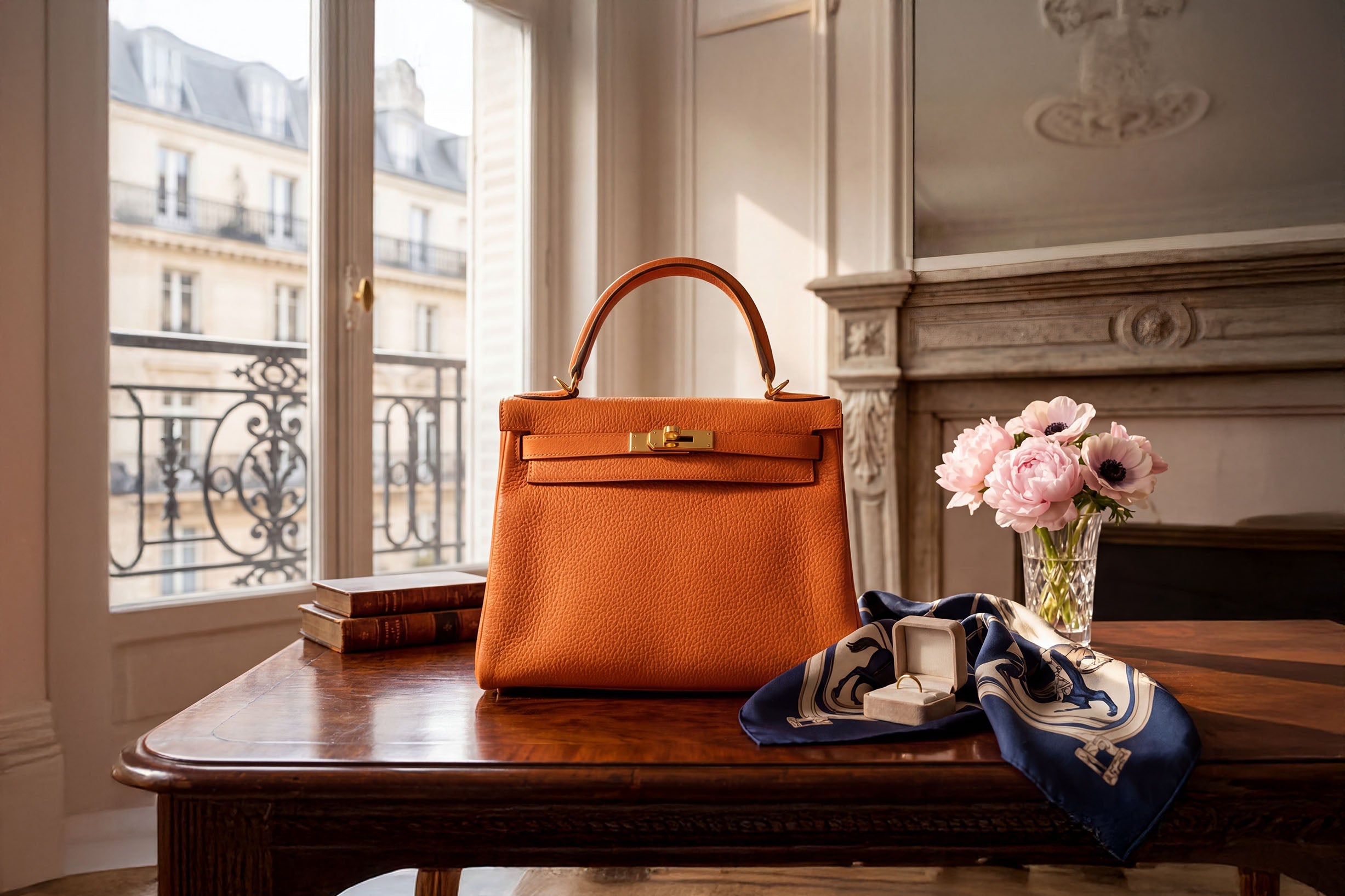
Pre-owned Hermès bags get their value from artisanal production, steady demand, model popularity, and the rarity of certain releases. These factors work together to create meaningful price gaps, especially when the bag is a Birkin, Kelly, or Constance. Hermès itself states that the Kelly, Birkin, and Constance handbags are sold exclusively in Hermès stores, which helps explain why resale demand remains especially strong for desirable configurations.
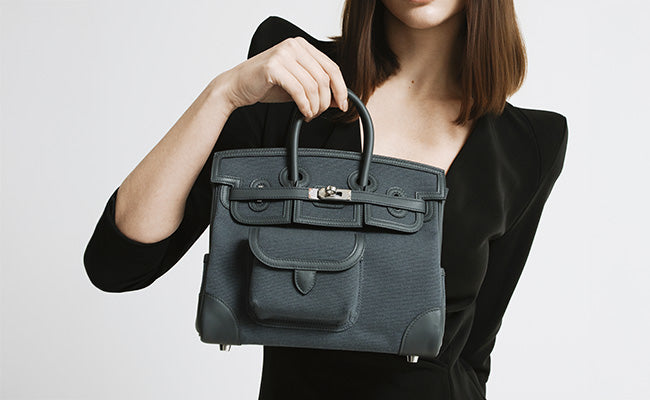
The Birkin is still the icon everyone knows, and highly wearable sizes usually have the broadest buyer pool. The Kelly brings structured elegance and often appeals to buyers who want a more formal silhouette. The Constance offers a different kind of practicality, especially for those who want a recognizable Hermès bag with shoulder or crossbody appeal. In resale, the models with the deepest and most consistent demand are usually the easiest to price and the easiest to move.
Leather, colour, size, and hardware
Size, colour, material, and hardware all play their part in what you will pay for a pre-owned Hermès. Neutral tones and versatile sizes tend to create the broadest demand because they work for more wardrobes and attract more buyers. Core leathers are also easier to value because there is more comparable inventory across the market.
That does not mean every rare combination deserves a premium. A hard-to-find shade or unusual finish can absolutely be valuable, but only if there is real buyer interest behind it. Hardware matters too, although its condition is usually more important than the finish itself. Scratched, dulled, or heavily worn hardware can reduce value faster than a less fashionable finish ever would.
Rarity, provenance, and market liquidity
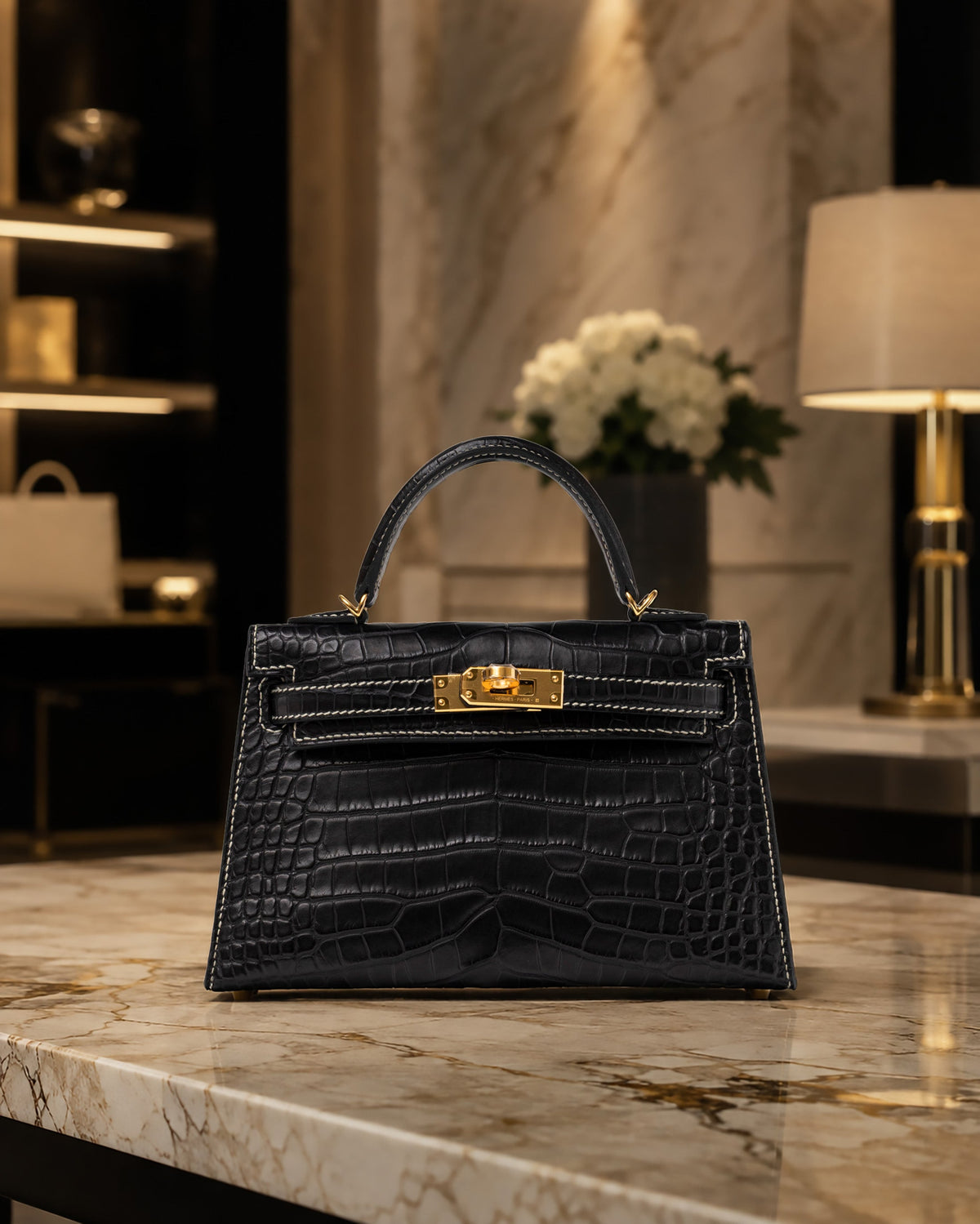
Limited editions, discontinued colours, special-order combinations, and exotic skins can attract serious attention, but rarity alone does not guarantee a stronger market. Some combinations are rare because they are coveted. Others are rare because the buyer pool is small. That distinction matters if you care about paying a fair number today and preserving flexibility later.
Provenance helps bridge that gap. Original receipts, spa history, service records, and a consistent ownership story make a bag easier to trust and easier to compare against the market. When two similar bags are priced close together, the one with clearer provenance often feels safer, which can support stronger value. In practice, true market value is not just about rarity. It is about how easily that rarity converts into real demand.
Authenticity Comes Before Value
Market value only means something if the bag is genuine. Because Hermès says it cannot guarantee or verify the authenticity of an item purchased outside an official Hermès point of sale, pre-owned buyers need to rely on detailed inspection, reputable sellers, and credible third-party review before treating any asking price as fair.
Blind stamps and construction details
You need to verify authenticity to avoid counterfeits and make sure you are getting real Hermès quality. Blind stamps can help confirm era and production consistency, but they should never be read in isolation. Placement, clarity, font, and overall coherence with the bag matter more than memorizing a single chart.
Stamp quality is only one piece of the picture. If the construction, shape, leather, or hardware feels off, a correct-looking stamp does not save the listing. Treat blind stamps as supporting evidence, not the whole answer. The smartest buyers use them to confirm a bag’s story, not to replace a full assessment.
Key craftsmanship markers
Hermès highlights saddle stitching as a house signature, and that makes construction one of the most important areas to inspect. Stitching should look clean, even, and deliberate. The leather should also behave like luxury leather, with a finish that makes sense for the type and with edges that look carefully worked rather than rushed or plastic-like.
Check the hardware closely. Genuine Hermès hardware should feel substantial, with clean finishing and sharp engraving. Inside the bag, look for straight pockets, centered markings, and tidy edge work. Any single issue may not be decisive, but several small inconsistencies together should make you slow down. A fair price only becomes meaningful once the craftsmanship reads correctly across the whole bag.
Professional authentication and documentation
Because Hermès does not authenticate secondhand pieces through unofficial channels, professional authentication and strong seller guarantees become especially important in the secondary market. A serious seller should be comfortable providing detailed photographs, a written authenticity guarantee, and a return policy that gives you real recourse if the bag is not as described.
Original receipts, care booklets, dust bags, and service records add confidence, but their absence does not automatically make a vintage bag suspicious. What matters is whether the overall story makes sense. When the price is high, paying for expert review before you buy is usually far cheaper than discovering later that the listing was never as solid as it looked.
Condition and Completeness Can Change the Number Fast
Condition affects price, desirability, and how comfortable you will feel carrying the bag after purchase. A fair valuation depends on honest grading, close photography, and a realistic view of what wear means for that leather, that structure, and that model.
How to read condition grades
Most luxury resellers use similar grading systems, but terms still vary from seller to seller. One seller’s “Excellent” can be another seller’s “Very Good,” which is why the label matters less than the evidence behind it.
- New or Unused: never carried, often with protective elements still in place
- Excellent or Pristine: minimal signs of handling or wear
- Very Good: light wear, but nothing that changes usability
- Good: visible wear that should be reflected in the price
- Fair: obvious wear, flaws, or repairs that affect value more materially
Do not stop at the headline grade. Read the full description and ask for close-ups of the corners, base, handles, flap, interior, and hardware. One seller’s “Very Good” can still be a better buy than another seller’s “Excellent” if the photos are honest and the pricing is realistic.
Where wear changes value most
Leather type changes how a bag ages. Some leathers hide light scratches and soften attractively, while more delicate finishes show marks faster and can look tired sooner. Structured bags also tend to be judged more strictly because shape loss is easier to spot.
- Corners and base: scuffs, darkening, rubbing, and loss of structure
- Handles: cracks, colour change, glazing wear, and softness from repeated use
- Hardware: scratches, plating wear, tarnish, and missing protective film where relevant
- Stitching and edges: loose thread, separation, bubbling, or sloppy touch-ups
Minor surface wear is often acceptable if the price reflects it. Cracked handles, broken stitching, deep gouges, and serious corner wear are different. Those issues affect both resale confidence and daily use, which means they should change how you judge value.
Completeness, accessories, and provenance
A complete Hermès bag can include a dust bag, box, ribbon, care booklet, receipt if available, clochette, lock, keys, and shoulder strap where the model includes one. Missing items do not automatically destroy value, but they do change how buyers compare one listing with another.
In most cases, condition should carry more weight than packaging. A well-kept bag without every extra can still be a better purchase than a worn bag with the full set. That said, functional pieces such as locks, keys, and straps matter more than presentation extras because replacing them is not simple. Complete sets also attract collectors more easily, which can support stronger resale appeal later on.
Why Seller and Platform Trust Changes the Price
When you are buying pre-owned Hermès, where you buy matters almost as much as what you buy. Trusted platforms, clear policies, and transparent sellers lower risk, and lower risk often supports higher asking prices that may still be fair.
Established channels versus informal listings
Major resale channels and specialist sellers usually offer a level of oversight that individual listings cannot match. Better photography, clearer condition notes, stronger authentication processes, and formal dispute handling all make it easier for buyers to price a bag with confidence.
That does not mean a private seller can never offer good value. It simply means the burden of proof is higher. If the listing is thin, the photographs are weak, or the seller avoids straightforward questions, any apparent discount may be compensating for hidden risk rather than offering real savings.
What strong authentication and return policies look like
Authentication protocols separate safer platforms from riskier ones. Look for physical inspection, detailed condition reporting, clear authenticity guarantees, and a return policy that explains what happens if the item arrives not as described.
The strongest policies do not hide behind vague language. They explain who authenticates the bag, what documentation is available, and what recourse the buyer has if something goes wrong. When a seller refuses returns outright, gives only partial answers, or relies on broad reassurance instead of specifics, the asking price should be viewed much more critically.
How to read seller reputation properly
Seller history gives you a clearer sense of risk than a polished listing ever will. Look for consistency over time, not just a high score. Repeated comments about inaccurate condition, missing accessories, slow communication, or difficult returns matter more than a generic positive rating.
It is also worth checking whether the seller operates as a real business with a traceable presence, clear policies, and identifiable contact information. High-value purchases require accountability. The easier it is to verify who you are buying from, the easier it is to decide whether the premium attached to that listing is justified.
Buyer’s Checklist for Assessing True Market Value
You do not need to predict the whole market to judge a listing well. You just need a disciplined process that keeps emotion from outrunning evidence. This checklist turns the factors above into a practical routine you can actually use.
Start with comparable listings and recent sales
Begin with completed sales when you can find them, not just active listings. Active listings show what sellers hope to get. Completed transactions show what buyers actually accepted. Compare bags that match as closely as possible on model, size, leather, colour, hardware, condition, and completeness.
If exact matches are limited, widen the search carefully. It is better to compare a few slightly broader but honest examples than to anchor yourself to one perfect-looking listing that may simply be overpriced. Looking across several reputable channels also helps you see whether a premium comes from the bag itself or from the service level wrapped around it.
Adjust for condition, completeness, and liquidity
Once you have a baseline, adjust it. A bag with missing keys, visible corner wear, or uncertain provenance should not be priced like a cleaner, more complete example. Likewise, a rare combination should not automatically command a premium if it has a narrow buyer pool or weak resale history.
- Does the condition truly support the asking price once you inspect the photos closely?
- Are key accessories present, especially those tied to function?
- Is the model easy to compare, or is the seller leaning heavily on vague rarity?
- Would the bag still feel fairly priced if you needed to resell it later?
This is where restraint matters most. If the number only makes sense when every assumption goes in the seller’s favour, it probably is not the right buy.
Ask strategic questions before you pay
Ask for detailed photos in natural light, confirmation of the return window, and clarity on any wear not visible in the listing. Request written confirmation of what is included, whether independent authentication has been completed, and whether taxes, duties, or extra fees are already reflected in the final number.
The goal is simple: make the seller close the gaps. The fewer unanswered questions you have, the closer you are to understanding the bag’s true market value instead of just reacting to its desirability.
Final Thoughts
A fair Hermès price is never just about the bag itself. It is about authenticity, condition, completeness, provenance, and how that specific listing compares with the real market. If you are weighing options and want a sharper second look before you buy, Rome Station can help you assess the details with a more disciplined resale lens.
Fact Check and Data Sources
This guide was refined to remove or soften unsupported hard figures and to keep brand-specific references aligned with official Hermès material where possible. Hermès states that the Birkin, Kelly, and Constance are sold exclusively in Hermès stores, notes that it cannot guarantee or verify authenticity for items purchased outside official Hermès channels, and describes key craftsmanship and care standards in its own educational materials.
Helpful official references include Hermès Product Availability FAQ, Hermès Authentication FAQ, Hermès Iconic Bag Lines, Hermès Leather Care Instructions, and Hermès In the Making.
Frequently Asked Questions
Should I trust asking prices or sold prices more?
Sold prices are more useful because they show what buyers actually agreed to pay. Asking prices still matter, but they should be treated as starting points, not proof of true value.
Does a missing box or receipt make a pre-owned Hermès bag a bad buy?
Not necessarily. Missing extras should affect value, but they do not automatically outweigh strong condition, correct details, and a trustworthy seller. Functional accessories matter more than presentation pieces.
Is a newer pre-owned Hermès bag always worth more?
No. Condition, desirability, and market demand usually matter more than age alone. An older bag in stronger condition with better provenance can be a better buy than a newer but weaker example.
How much does hardware finish affect market value?
Usually less than buyers expect. The condition of the hardware tends to matter more than the finish itself, unless the combination is especially sought after and supported by real market demand.
Can a third-party authentication certificate guarantee value?
No. Authentication helps confirm that the bag is genuine, but value still depends on condition, completeness, seller quality, and where the price sits against comparable market data.
What matters more, rarity or wear?
In most cases, wear matters more. Rarity can support a premium, but visible flaws, missing accessories, or weak provenance often pull the number back down very quickly.
Love Hermès? See More from Rome Station
Add us to your Preferred Sources on Google to see our newest Hermès guides and insider tips first.