
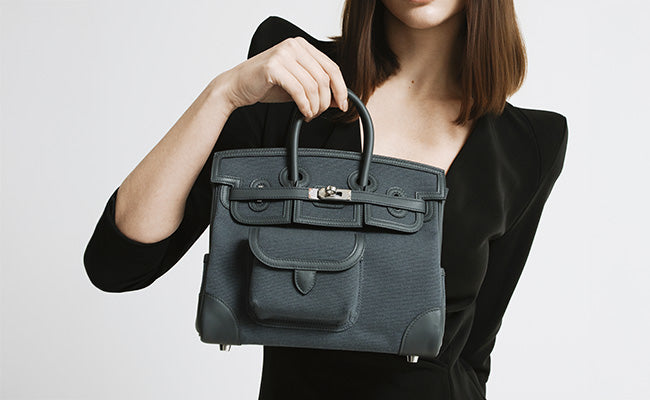


How to Ask About Negotiable Pricing on Authenticated Hermès Bags Without Missing Key Details
TL;DR
If you want to ask about negotiable pricing on authenticated Hermès bags, start by understanding the bag before discussing a discount. Confirm the model, size, leather, colour, hardware, condition, accessories, authentication process, and sale terms. Then compare the listing with genuinely similar bags and connect any price discussion to specific facts, such as visible wear, missing accessories, restoration, or limited documentation. Some rare or highly desirable pieces may have little flexibility, while other listings may allow a respectful conversation. The goal is not simply to pay less. It is to determine whether the asking price accurately reflects the bag, the seller’s expertise, the protections included, and the confidence offered by the purchase.
Check out our Hermès collection and Birkin bags!
A strong Hermès purchase begins before an offer is made. When asking about negotiable pricing on authenticated Hermès bags, informed buyers focus first on value, condition, authenticity, and seller transparency. A lower price is not automatically a better purchase if the bag has unclear provenance, undisclosed wear, incomplete accessories, or weak buyer protection.
The most productive pricing conversations are based on evidence rather than broad discount requests. By reviewing the bag’s exact specifications, authentication, condition, inclusions, comparable listings, and transaction terms, you can approach the seller with questions that are clear, credible, and respectful. This guide explains what influences Hermès resale pricing, how to assess a listing, what to ask before making an offer, and when paying a fair listed price may be the more confident decision.
Key Takeaways
- Confirm authentication, condition, specifications, accessories, and sale terms before discussing price.
- Base any offer on comparable bags and specific differences, not on a general request for a discount.
- Prioritize seller expertise, transparency, and purchase protection over the lowest available price.
Featured Products


What Determines Negotiable Pricing on Authenticated Hermès Bags?
Hermès resale value is shaped by product details and market context. No single feature determines whether a price is fair or flexible, so buyers should consider the complete bag and the protections included in the transaction.
Model, Size, Material, Colour, and Hardware
Birkin, Kelly, and Constance bags are widely recognized in the resale market, but value can vary significantly within each line. Size affects practicality and buyer preference, while leather influences appearance, structure, durability, and collectability. Togo, Epsom, Clemence, Swift, Box calf, and precious leathers each have distinct characteristics that should be reflected accurately in the listing.
Colour and hardware combinations also influence demand. Neutral shades may appeal to a broad audience, while seasonal colours can attract a more specific collector. Before discussing price, confirm the exact colour name, leather, size, and hardware rather than relying on a general description.
Condition and Completeness
A pristine bag with a complete set of original accessories will usually be positioned differently from a comparable bag with corner wear, handle darkening, hardware scratches, structure loss, or missing pieces.
Original inclusions may include the dust bag, box, clochette, lock, keys, strap, raincoat, care materials, and purchase documentation, depending on the model. Missing packaging does not determine authenticity, but it can affect collectability. Functional components deserve particular attention because replacement may not be simple.
Rarity, Demand, and Seller Context
A discontinued colour, special order, unusual material, or limited production detail may support a premium, but rarity alone does not guarantee broad demand. Condition, documentation, and the right buyer still matter.
A specialist may price inventory according to authentication, condition grading, sourcing, service, and buyer protection. A private seller may have more flexibility but offer fewer safeguards. The listed price should therefore be considered alongside everything included in the transaction.
Why Authentication Comes Before Negotiation
Authentication is the foundation of any responsible pricing conversation. Without confidence in the bag’s authenticity and originality, price comparisons become unreliable. A credible seller should explain how the bag was evaluated and what protections apply after purchase.
What a Thorough Review Should Consider
A knowledgeable review may consider construction, stitching, leather, stamps, engravings, hardware, proportions, interior details, and consistency with the stated model and era. No single stamp, receipt, accessory, or photograph should be treated as complete proof on its own.
Ask who performed the authentication, whether the bag was examined in person, and what guarantee supports the conclusion. Rome Station supports authenticated inventory with a lifetime authenticity guarantee, giving buyers confidence beyond the initial transaction.
Blind Stamps and Supporting Documentation
Hermès bags may include production-related markings that help specialists assess whether details are consistent with the stated age and construction. These markings can support an evaluation, but they should not be used as a standalone authentication method.
Original receipts, boutique paperwork, service records, and prior authentication documents can strengthen provenance when available. However, paperwork should always be considered together with the physical bag because it cannot confirm current condition or ownership history by itself.
Repairs, Restoration, and Replaced Components
Ask whether the bag has been recoloured, reshaped, retouched, repaired, or fitted with replacement components. Professional maintenance may be appropriate, but it should be disclosed clearly.
The key question is not whether any repair automatically reduces desirability. It is whether the work is accurately represented and appropriately reflected in the asking price.
How to Assess Condition Before Discussing Price
A detailed condition review helps separate normal use from issues that may affect value. Request clear, current photographs and avoid relying only on styled images or broad labels such as “excellent” or “gently used.”
Inspect the Highest-Wear Areas
Ask for close photographs of all four corners, handles, glazing, base, feet, hardware, interior, flap edges, strap, and closure. Look for scuffs, scratches, discolouration, cracking, peeling, stains, indentations, structure loss, and uneven wear. Smooth and grained leathers can show use differently, so assess wear in relation to the material.
Odour should also be addressed directly because it cannot be evaluated through photographs. Ask whether the bag has been exposed to smoke, strong fragrance, moisture, or prolonged storage.
Confirm Every Included Accessory
Ask the seller to list exactly what is included rather than assuming that “full set” has a universal meaning. Confirm the box, dust bag, clochette, lock, keys, strap, raincoat, booklet, ribbon, and paperwork individually where relevant.
Completeness can strengthen collectability and make future resale easier, but the condition of the bag remains central. A complete set does not compensate for significant undisclosed wear.
Ask About Storage and Service History
Ask whether the bag was stored upright, overfilled, compressed, exposed to sunlight, or kept in a humid environment. For older pieces, service history may provide useful context.
If the bag has been serviced, request details about the work and any supporting records. Clear disclosure helps you understand what is original, what has changed, and whether the asking price reflects the bag accurately.
How to Ask About Price Flexibility Respectfully
Once you understand the bag, you can discuss price with confidence. The most effective approach is specific, courteous, and connected to the listing rather than framed as an attempt to secure a discount at any cost.
Begin With the Seller’s Pricing Rationale
Start with an open question such as, “Can you walk me through how this piece was priced?” or “Which details had the greatest influence on the asking price?” This invites the seller to explain how condition, rarity, authentication, accessories, and market context were considered.
Ask whether the price reflects a complete set, recent servicing, unusual specifications, or a particularly strong condition grade. The answer may show that the listing is already priced carefully or identify a reasonable basis for further discussion.
Connect Your Offer to Specific Facts
Rather than asking only, “Is this negotiable?” explain why you are raising the question. You might ask, “Would there be any flexibility given the visible corner wear?” or “Would you consider an adjustment because the original strap and lock set are not included?”
If you reference another listing, make sure it matches the model, size, leather, colour, hardware, age, condition, accessories, and seller protections as closely as possible.
Keep the Tone Serious and Transaction-Ready
Sellers are more likely to engage when a buyer has reviewed the details and is prepared to proceed. Confirm availability, complete your due diligence, and make a clear, reasonable proposal. Avoid repeated low offers or pressure based on unrelated listings.
A refined approach might be: “I am very interested in this piece and appreciate the authentication and condition details provided. Based on the missing box and the hardware wear shown, would you be open to discussing the listed price?”
When It May Be Better Not to Negotiate
Not every authenticated Hermès bag will have meaningful price flexibility. In some cases, the listed price may already reflect rarity, condition, completeness, and the protections provided by a specialist seller.
Highly Desirable or Difficult-to-Replace Pieces
A rare specification, exceptional condition, or difficult-to-source combination may attract several qualified buyers. Pushing aggressively for a reduction can create the risk of losing a piece that cannot be readily replaced. Weigh the potential saving against the availability of a true alternative.
Transparent Pricing With Strong Buyer Protection
If a seller provides detailed photographs, clear condition disclosure, expert authentication, a meaningful authenticity guarantee, and well-defined transaction terms, those services carry value. A slightly lower price from a less transparent source may introduce greater uncertainty.
Sometimes the better decision is to accept a fair price from a trusted specialist rather than chase a discount from a seller who cannot provide the same level of confidence.
Prices That Appear Unusually Low
A price far below comparable authenticated examples should prompt more due diligence, not immediate enthusiasm. Confirm the seller’s identity, authentication process, return terms, payment method, shipping protection, and condition disclosure.
If the seller avoids close photographs, refuses reasonable verification, or pressures you to bypass secure payment protections, the potential discount is not worth the risk.
How to Compare Listings More Accurately
Comparable listings can help frame a pricing conversation, but only when the bags and transaction terms are closely aligned. Buyers should compare more than the headline price.
Match the Bag Before Matching the Price
Compare the exact model, size, leather, colour, hardware, production period, condition, accessories, and restoration history. Also distinguish between an asking price and a completed sale. An active listing shows what a seller hopes to receive, while a completed transaction may provide stronger evidence of accepted value.
Consider the Total Transaction
Review taxes, shipping, insurance, duties, payment fees, return terms, and authentication protection. A listing that appears less expensive may cost more after checkout or offer limited recourse if the item differs from the description.
For a high-value purchase, confirm that shipping is tracked, insured, and signature-required. Ask who carries responsibility during transit and how a claim would be handled.
Review Return and Final Sale Terms
Before making an offer, ask whether the sale is final and whether any return rights apply to authenticity or condition discrepancies. Understand the inspection period and the process for raising a concern.
Use secure payment methods that provide appropriate documentation and buyer protection. Avoid arrangements designed to bypass established safeguards.
Buying With Confidence Through Rome Station
For buyers who value immediate access, expertise, and a more personal luxury experience, a specialist resale partner can simplify the process. Rome Station has specialized in rare and investment-grade Hermès handbags since 2011, along with select Chanel and other luxury pieces.
Expertise, Authentication, and Transparency
Rome Station evaluates rarity, condition, specifications, and long-term desirability while supporting every purchase with a lifetime authenticity guarantee. Clear product details and a customer-first approach help buyers understand what they are considering before they commit.
Immediate Access Without Waitlists or Pre-Spend
The resale market gives buyers access to coveted Hermès pieces without relying on boutique waitlists or pre-spend expectations. Rome Station serves collectors, private clients, investors, and B2B resellers who want to evaluate available inventory directly and purchase with confidence.
A Full-Service Luxury Resale Experience
In addition to authenticated purchases, Rome Station offers buyouts, trade-ins, consignment, and authentication services. This broader expertise provides useful context around condition, rarity, market positioning, and future resale considerations.
Final Thoughts
Negotiable pricing on authenticated Hermès bags should be approached through due diligence, not guesswork. Confirm the bag, understand the seller’s value proposition, and base any offer on specific facts. For expert guidance and immediate access to authenticated Hermès inventory, explore Rome Station’s current collection with confidence.
Fact Check and Data Sources
This guide avoids unsupported price ranges, resale percentages, and claims about guaranteed future value. Product characteristics, leather care, and after-sales information can be reviewed through Hermès resources, including the official Birkin collection page, the official Kelly collection page, the Hermès leather care guide, and the Hermès maintenance and repair page. Resale pricing and negotiability remain dependent on the individual bag, seller, condition, and transaction terms.
Frequently Asked Questions
What should I confirm before asking whether an authenticated Hermès bag is negotiable?
How can I ask about price flexibility without sounding disrespectful?
Does authentication make an Hermès bag less negotiable?
Do missing accessories justify a lower offer on an Hermès bag?
How should I use comparable Hermès listings when discussing price?
Why might a rare Hermès bag have little room for negotiation?
What does Rome Station offer buyers considering a pre-owned Hermès bag?
Love Hermès? See More from Rome Station
Add us to your Preferred Sources on Google to see our newest Hermès guides and insider tips first.