
How Smart Buyers Reduce Risk When Buying Pre-Owned Chanel
TL;DR
Smart buyers reduce risk when buying pre-owned Chanel by slowing down, vetting the seller, confirming the exact model details, reviewing condition carefully, and comparing prices across similar listings. The safest approach combines trusted sellers, clear condition documentation, authentication support, and disciplined pricing research before committing. A beautiful Chanel bag can be a smart purchase, but only when authenticity, condition, provenance, and buyer protection all work together.
Check out our Chanel collection!
Buying a pre-owned Chanel bag can be a smart move if you approach it carefully. It can also become an expensive mistake if you rush, overlook condition issues, or rely on a seller who cannot clearly support authenticity. The challenge is not just spotting fakes. It is knowing how to judge the seller, the bag’s condition, and whether the price reflects real market value.
The most effective way to reduce risk when buying pre-owned Chanel is to build a simple, repeatable process that evaluates the seller, the bag’s specifics, and the price together. This guide walks you through each step so you can make informed decisions with more confidence and less second-guessing.
Key Takeaways
- Prioritize seller quality, authentication support, and return terms before evaluating the bag itself.
- Check condition in high-wear areas such as corners, straps, interiors, and hardware, and ask about repairs or refinishing.
- Compare the exact model, size, leather, hardware, and condition across multiple listings before deciding if the price is fair.
Identify the Right Chanel Bag Before You Compare Prices
Choosing the right Chanel bag starts with understanding which models have strong resale recognition, how materials and hardware affect durability, and whether a vintage or modern piece fits your needs. A bag that looks similar in photos can vary widely in value once size, leather, condition, and documentation are considered.
Understand Chanel’s Most Recognized Models
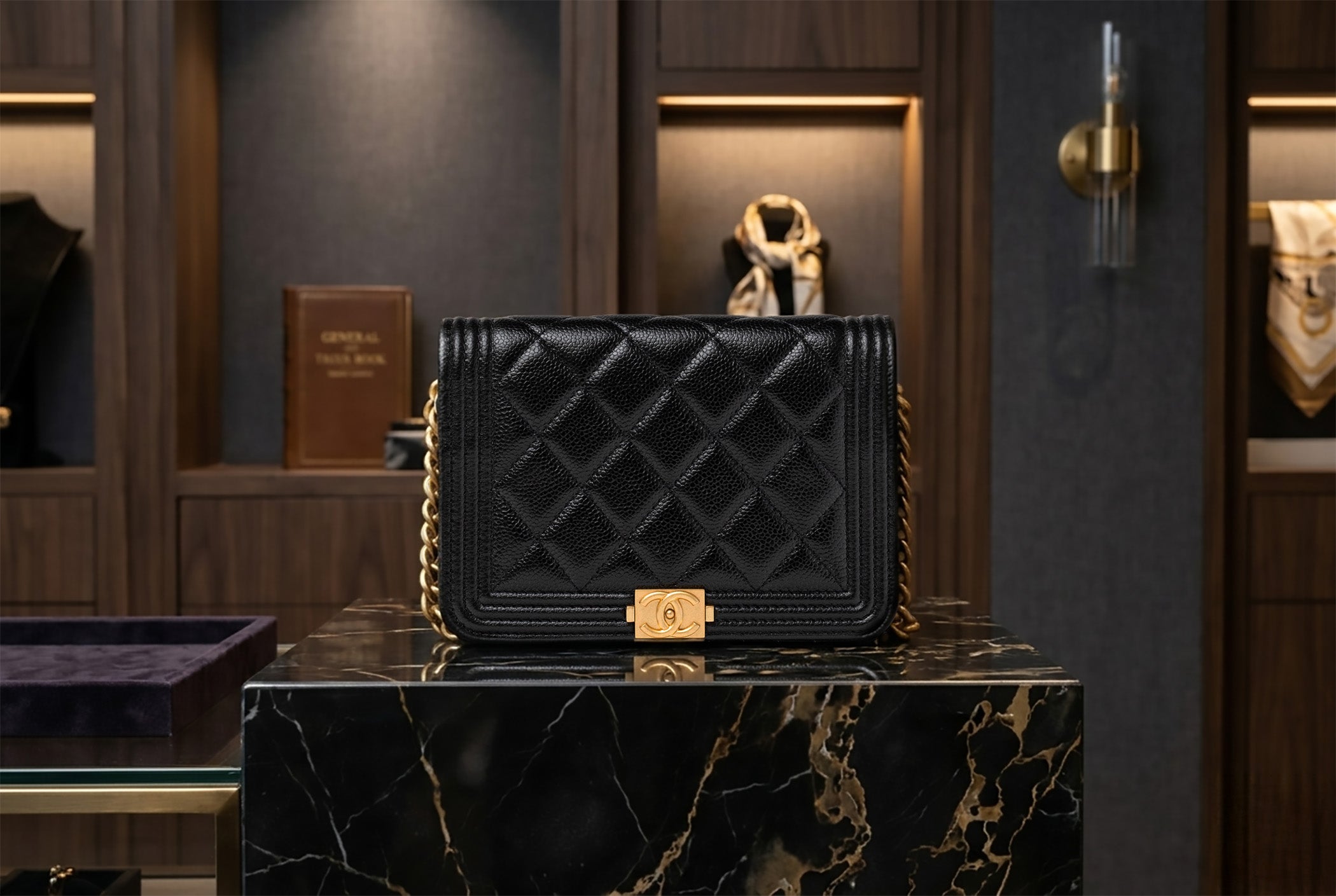
The Classic Flap is one of the most recognizable and consistently sought-after Chanel styles in the resale market. Its quilted pattern, CC turn-lock closure, and woven chain strap define the look many buyers associate with Chanel. Demand is often strongest for wearable sizes and classic colour combinations.
The Chanel 2.55 appeals to buyers who value heritage and a more understated look. It is known for its Mademoiselle lock and chain strap, making it especially appealing to collectors who want a piece closely tied to Chanel’s design history.
The Boy Bag has a more structured silhouette with angular hardware. It holds strong appeal for buyers who prefer a sharper, more contemporary shape, although classic flap styles usually remain easier to compare across the resale market.
Evaluate Size, Leather, and Hardware
Caviar leather is often preferred by buyers who want durability because it resists visible scratches better than softer leathers. Lambskin has a smoother, more delicate finish and can look exceptionally elegant, but it shows use more easily, which can affect both pricing and buyer confidence.
Hardware colour also influences demand. Gold hardware on black leather is one of the most classic combinations, while silver hardware has a cleaner and slightly more modern feel. Seasonal hardware finishes can be beautiful, but they may appeal to a narrower buyer group.
Size choice depends on how you want to use the bag. Smaller sizes are often practical for evening or light daily use, while medium sizes balance presence and wearability. Larger sizes can be useful but may take longer to resell depending on current demand.
| Leather Type | Durability | Buyer Appeal | Care Level |
|---|---|---|---|
| Caviar | High | Strong and practical | Lower maintenance |
| Lambskin | Moderate | Elegant and classic | Requires careful handling |
| Patent | Variable | More style-specific | Needs careful storage |
Decide Between Vintage and Modern Chanel
Vintage Chanel bags can offer character, craftsmanship, and a different price position than newer pieces, but condition matters even more. Look closely at stitching, leather feel, hardware function, corners, and interior lining before considering any vintage piece.
Modern Chanel handbags may come with newer authentication features and newer packaging or purchase history, depending on the year and seller. These bags often show less wear, but they can also sit closer to current retail pricing, leaving less room for a discount.
Vintage Chanel often appeals to experienced collectors who know how to judge condition and originality. First-time buyers may feel more comfortable with a modern piece that includes clearer documentation, strong seller support, and a transparent condition report.
Select Trusted Sellers and Protective Buying Channels
Where you buy matters as much as what you buy. The seller’s reputation, authentication process, return terms, and willingness to answer detailed questions all affect your risk level. A lower price from an uncertain source is not always better value.
Assess Seller Reputation and Track Record
Look for sellers with a documented history of successful luxury transactions. Established resale businesses and consignment boutiques usually provide clearer policies, more detailed product descriptions, and stronger accountability than anonymous private listings.
It also helps to check whether the seller specializes in luxury handbags. Focused expertise usually means better understanding of Chanel construction, documentation, hardware, and condition grading.
Red flags include vague descriptions, limited photos, reluctance to provide extra details, pressure to close quickly, and resistance to third-party authentication. A trustworthy seller should make the buying process clearer, not more confusing.
Review Authentication Standards
Authentication standards vary between sellers. Strong sellers understand Chanel hardware, stitching, serial details, interior stamps, leather quality, and construction. They should be able to explain what has been reviewed and provide clear photos of relevant details.
Key authentication elements to check include hardware engravings, zipper details, serial sticker or microchip plate details when applicable, quilting alignment, interior stamping, stitching consistency, and overall material quality. Documentation such as receipts, dust bags, boxes, and prior authentication reports can add confidence, but documentation should support the bag, not replace proper inspection.
For high-value or unclear purchases, professional third-party authentication can add another layer of protection. This is especially useful when buying vintage Chanel or purchasing from a private seller.
Understand Return Policies Before Paying
Return policies matter when buying a pre-owned Chanel bag remotely. Review the return window, condition rules, authenticity coverage, return shipping terms, and refund method before purchasing.
It is especially helpful when a seller allows time for independent authentication after delivery. If a purchase is final sale, move forward only when the seller has strong credibility, excellent documentation, detailed photos, and clear condition disclosure.
Authenticate the Bag With a Detailed Eye
Authenticating a Chanel bag means checking the whole piece rather than relying on one feature. Genuine details should make sense together across the bag’s era, model, materials, hardware, and documentation.
Check Physical Hallmarks
The interior stamp is an important marker. On an authentic Chanel bag, the logo should look clean, evenly spaced, and refined. It should not appear carelessly pressed, uneven, or poorly aligned.
The interlocking CC logo also needs close inspection. Whether it appears on hardware, stitching, or interior details, the spacing and proportions should look precise. Hardware should feel substantial, and engravings should appear clean rather than shallow, blurry, or overly shiny.
Stitching should be consistent throughout. Thread colour should suit the leather, seams should be even, and quilting should look balanced. Any uneven construction deserves closer review.
Match Authentication Features to the Bag’s Era
Chanel authentication features have changed over time, so the bag’s details should align with its production era. Older bags may have serial stickers and authenticity cards, while newer bags may use different internal identification features.
If a seller provides documentation, make sure the details are consistent with the bag’s age, model, and materials. A card, sticker, receipt, or certificate that does not match the bag should raise questions rather than provide reassurance.
Vintage bags require extra care because older authentication systems, repairs, and age-related wear can make evaluation more complex. For these pieces, condition and originality should be reviewed together.
Know When to Use a Professional Authenticator
Professional authentication is useful when physical details are unclear, the bag is vintage, or the purchase price is significant. A qualified authenticator can review multiple details at once, including leather grain, construction, hardware, stitching, and era consistency.
Third-party authentication is especially valuable when buying from individual sellers or platforms with limited buyer protection. Always check the authenticator’s reputation, process, and reporting standards before relying on the result.
Evaluate Condition, Repairs, and Value Signals
Condition has a direct effect on confidence and resale potential. A well-priced Chanel bag should have condition details that match the photos, description, and market comparison. Hidden wear, undisclosed repairs, or replacement parts can change the value significantly.
Inspect High-Wear Areas
Start by checking the leather or fabric for scratches, colour transfer, corner wear, creasing, and staining. Authentic wear usually develops gradually and appears most clearly on high-contact areas such as corners, handles, flap edges, base corners, and strap areas.
Common wear indicators include handle darkening, scuffed base corners, hardware scratches, sagging interior pockets, loose stitching, and interior staining. These issues do not always make a bag a poor purchase, but they should be reflected in the price.
Ask About Repairs and Restoration
Restoration work may appear as colour differences, changed texture, mismatched hardware, uneven stitching, or refinished areas that do not match the rest of the bag. On vintage Chanel, also check the interior for peeling, staining, or amateur repairs.
Professional restoration should preserve the bag’s structure and use materials that suit the piece. Repairs using generic parts or poor techniques can reduce collector appeal and make future resale harder.
Compare Price Against True Condition
Used Chanel bag prices reflect condition, model desirability, documentation, seller reputation, and buyer protection. Compare asking prices with similar examples of the same model, size, leather, hardware, and condition.
If a bag is much cheaper than comparable listings, look carefully for authenticity concerns, missing documentation, hidden damage, or restoration. Lower prices should reflect transparent condition notes, not undisclosed problems.
Premium pricing should also make sense. A higher price may be reasonable for excellent condition, strong provenance, desirable specifications, or complete accessories, but it should not rely only on vague claims of rarity.
Balance Value, Demand, and Buyer Protection
A smart Chanel purchase is not only about finding the lowest price. It is about knowing whether the price makes sense once all costs, protections, and long-term considerations are included.
Compare Identical Models Across Listings
Review several listings for the same model before deciding. Two Chanel bags may look similar at first but differ in leather, hardware, age, interior condition, accessories, and seller protection.
Photos are essential. Look for clear, well-lit images of corners, straps, interior stamping, hardware, serial details or microchip plate details when relevant, and the full bag from multiple angles. Listings with limited or unclear photos make comparison difficult.
Condition descriptions are not always consistent. One seller’s “excellent” may be another seller’s “very good.” Trust visible evidence, detailed condition notes, and return protection more than vague grading language.
Factor in Fees, Shipping, Duties, and Returns
The listed price rarely tells the full story when buying online. Add shipping, taxes, duties, currency conversion, insurance, and any platform-related costs before deciding whether the purchase is still fair.
Cross-border purchases can be especially important for Canadian buyers because exchange rates and import charges can change the final cost. Some sellers include these costs at checkout, while others leave them to the buyer on delivery.
Shipping insurance and signature confirmation are important for high-value purchases. Confirm who carries responsibility if the item is lost or damaged in transit.
Use Documentation to Support Confidence
Original dust bags, boxes, receipts, authenticity cards for older pieces, and third-party authentication reports can support provenance. These items help tell the story of the bag and may make future resale easier.
Still, documentation should be reviewed carefully. Receipts and cards can be lost, mismatched, or reproduced, so they should never replace physical authentication. The strongest purchases combine credible documentation with a bag that checks out on construction, condition, and seller credibility.
Care for Your Chanel Bag After Purchase
Reducing risk does not stop once the bag arrives. Proper care, storage, and documentation help preserve condition and support long-term enjoyment.
Store the Bag Properly
Store your Chanel bag in a dust bag or soft breathable cover, away from direct sunlight, humidity, and heat. Keep the shape supported with soft, acid-free tissue or appropriate stuffing, and avoid hanging the bag by its strap for long periods.
Humidity and temperature swings can affect leather, structure, and hardware over time. Stable storage conditions help prevent drying, mildew, fading, and shape loss.
Handle Leather and Hardware Carefully
Wipe the bag gently with a soft, dry cloth after use to remove dust and surface oils. Keep perfume, lotions, makeup, and harsh chemicals away from the leather and hardware.
Lambskin should be handled with extra care because it can show scratches more easily. Caviar leather is generally more forgiving, but it still benefits from careful storage and regular light cleaning.
Keep Records for Future Resale
Save receipts, service records, authentication reports, and purchase documents. If you ever repair or restore the bag, keep clear notes so future buyers understand what was done.
Rotating bags in your collection can also help reduce wear. The better the condition remains, the more confidence future buyers will have.
Final Thoughts
Buying pre-owned Chanel with confidence comes down to discipline: verify the seller, inspect the bag, compare the exact specifications, and protect yourself before paying. When authenticity, condition, and value are all reviewed together, the purchase becomes much less uncertain.
For buyers who want trusted expertise and a curated luxury resale experience in Canada, Rome Station offers a more confident way to access rare and coveted designer pieces.
Fact Check and Data Sources
This guide focuses on practical resale evaluation, condition review, and buyer protection rather than unsupported price predictions. Model names, care principles, and Chanel service references should be checked against official Chanel resources when needed.
- Chanel’s official handbag collections can be reviewed through the Classic Handbags, 2.55 Handbags, and Boy Chanel pages.
Frequently Asked Questions
What is the safest way to buy a pre-owned Chanel bag?
What should I check first when evaluating a pre-owned Chanel bag?
Is vintage Chanel riskier than modern Chanel?
Does missing Chanel documentation mean the bag is not authentic?
How important is condition when buying pre-owned Chanel?
Should I buy the cheapest pre-owned Chanel bag I can find?
Why buy pre-owned Chanel through Rome Station?
Love Hermès? See More from Rome Station
Add us to your Preferred Sources on Google to see our newest Hermès guides and insider tips first.