


How Rome Station Connects Hermès and Chanel Sellers With Qualified Luxury Buyers
TL;DR
Rome Station connects Hermès and Chanel sellers with qualified buyers through careful authentication, transparent condition reporting, informed pricing, and flexible selling options. Each piece is reviewed for materials, construction, condition, accessories, and market relevance before it is presented to a buyer. Sellers can choose consignment when they want thoughtful marketing, a direct buyout when they prefer a straightforward transaction, or a trade-in when they are refining a collection. The strongest resale opportunities usually come from honest condition disclosure, clear photographs, realistic pricing, and complete information about the bag. This process gives sellers a more convenient route to market while helping buyers purchase rare and coveted luxury pieces with confidence.
Check out our Hermès collection and Birkin bags!
Trying to sell a Hermès or Chanel handbag can feel overwhelming. Buyers want confidence that they are considering an authentic, accurately represented piece, while sellers want a fair and straightforward experience. That is why Rome Station connects Hermès and Chanel sellers with buyers who understand the value of well-cared-for luxury bags.
Every bag that comes through our hands receives a careful review. We examine materials, construction, condition, accessories, and available records before presenting it to a buyer. This helps sellers understand what makes their bag appealing and gives buyers the clarity they need to move forward.
Not every seller has the same priority. Some prefer a direct offer, while others are prepared to wait for the right buyer. This guide explains how qualified buyer matching works, what makes a handbag attractive in the resale market, how pricing and authentication support confidence, and how to prepare a piece for evaluation.
Key Takeaways
- Successful buyer matching depends on authenticity, condition, market relevance, and a clear understanding of collector preferences.
- Accurate descriptions, complete photographs, and realistic pricing help qualified buyers evaluate a Hermès or Chanel bag with confidence.
- Rome Station offers consignment, direct buyout, and trade-in pathways so sellers can choose the approach that best fits their goals.
How Qualified Buyer Matching Works
Matching buyers with the right Hermès or Chanel bag takes more than posting a listing. It requires a clear understanding of what buyers want, how a piece fits current demand, and how to present it with the privacy and detail expected in luxury resale.
Understanding Buyer Preferences and Collection Goals
Before showing a bag to a buyer, we consider the details that shape the purchase. What size suits their needs? Which leathers fit their lifestyle? Are they seeking gold-tone or palladium-tone hardware, an everyday piece, or a distinctive addition to a collection?
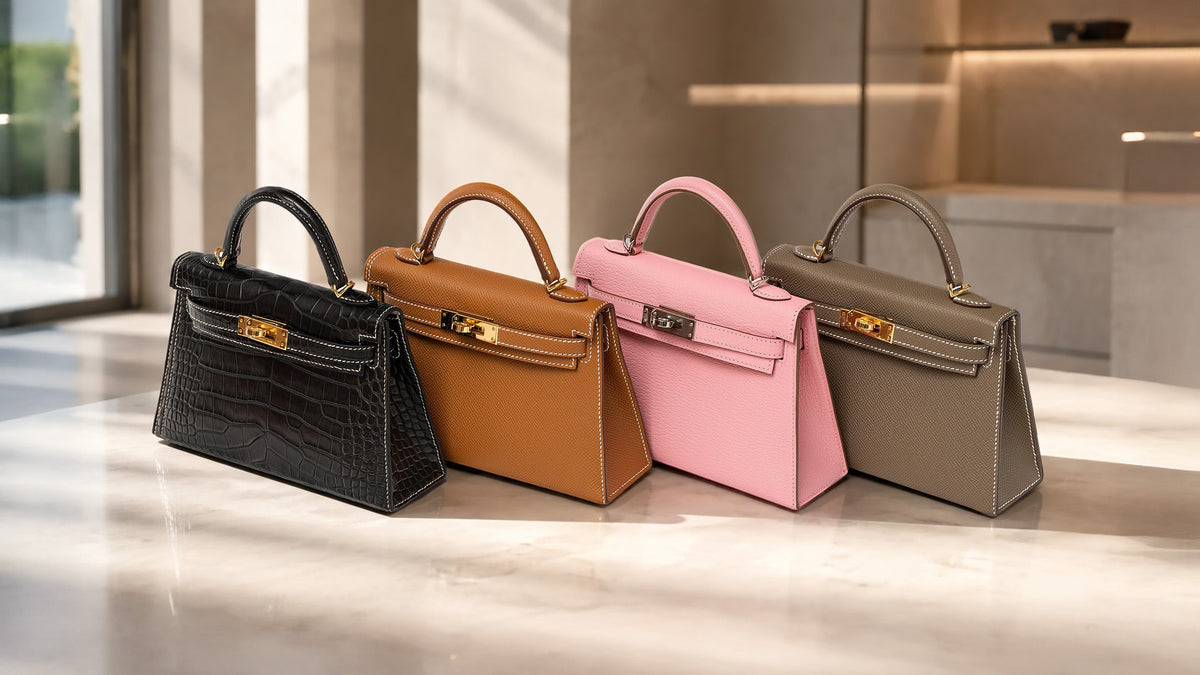
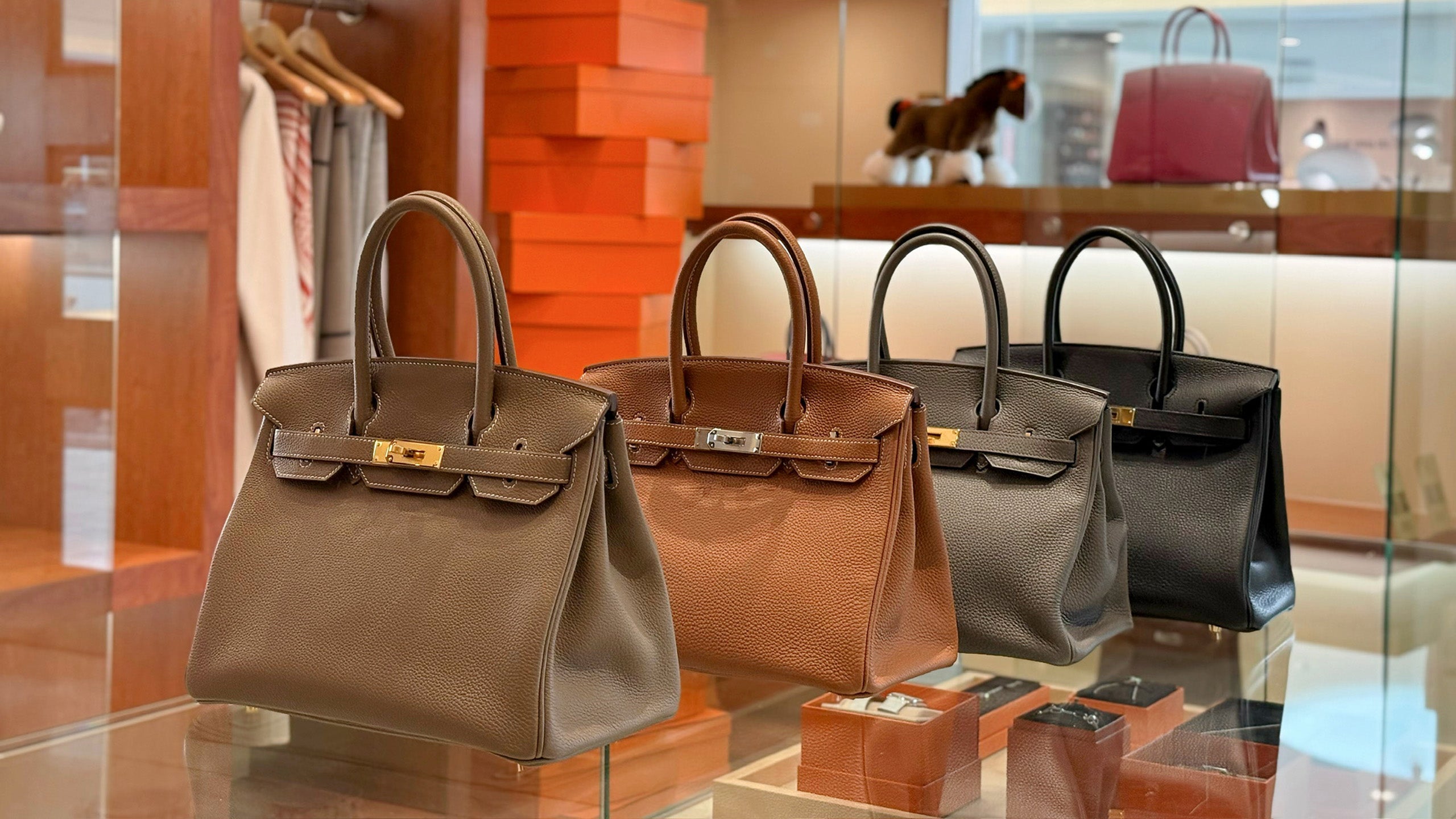
Some buyers are building around one model, such as the Kelly. Others may already own a Togo Birkin and want a different colour, size, leather, or finish. This groundwork matches real preferences to relevant inventory.
Matching Pieces With Active Market Demand
Buyer preferences are considered alongside current resale activity. Model, size, colour, leather, hardware, condition, and completeness can all influence how widely a piece appeals.
A classic Birkin, Kelly, or Chanel flap may attract broad interest, while rare colours and materials can appeal to a more specific collector. We assess each piece individually rather than assuming any configuration will sell automatically.
- Model and size: Recognizable silhouettes and practical proportions often appeal to buyers seeking long-term use.
- Leather and colour: Material, shade, and rarity help define both the audience and the positioning of the bag.
- Hardware and condition: Clean finishes, functional closures, and clearly disclosed wear support buyer confidence.
Balancing Privacy, Timing, and Purchase Readiness
Luxury buyers often value discretion as much as selection. Communication may take place by email, phone, or through a private appointment, depending on the buyer and the piece.
Some buyers know exactly what they want, while others prefer to compare options. A strong matching process respects both approaches and keeps the transaction focused on fit, confidence, and readiness.
What Makes a Handbag Attractive to Resale Buyers
Buyers usually weigh several factors before committing to a pre-owned luxury bag. Condition, completeness, materials, size, rarity, and presentation all shape how the piece is perceived and how confidently it can be evaluated.
Condition, Completeness, and Presentation
Condition is one of the first details buyers ask about. Clean linings, well-preserved corners, intact stitching, and minimal odour or staining generally strengthen presentation.
Structural integrity matters as much as appearance. A Chanel flap that does not close properly or a Birkin with stretched handles requires clear disclosure, even when the leather remains attractive.
Completeness also supports trust. Boxes, dust bags, receipts, locks, keys, clochettes, straps, authenticity cards, and service records may add useful context when available. These items do not replace a physical authentication review, but they can make the history and presentation of the piece clearer.
Leather, Colour, and Hardware Preferences
Leather affects how a bag wears and how buyers experience it. Grained leathers may disguise minor marks more readily, while smooth leathers can show handling more clearly.
Colour also shapes demand. Black, gold, étoupe, and other versatile shades often attract buyers who want an adaptable wardrobe piece. Bright or seasonal colours can be compelling, but they may appeal to a more specific collector.
Hardware is assessed for scratches, tarnish, plating wear, smooth movement, and overall harmony with the bag. Buyers do not expect every pre-owned piece to look untouched, but they do expect the condition to be disclosed accurately.
Rarity, Size, and Long-Term Desirability
Discontinued colours, uncommon leathers, limited finishes, and difficult-to-find configurations can distinguish a bag from more widely available examples. Rarity alone, however, does not determine value. The piece must still connect with a buyer who appreciates that combination.
Size is equally practical. Versatile proportions may appeal to buyers who intend to use the bag regularly, while very small or oversized formats can suit a narrower purpose. Long-term desirability reflects design, quality, condition, rarity, and usability.
Authentication and Documentation That Build Confidence
Authentication is central to connecting sellers with qualified buyers. Rome Station reviews each bag in person, considers brand-specific construction details, documents condition, and presents available accessories and records as supporting context.
Brand-Specific Craftsmanship Review
We look closely at leather, hardware, stitching, stamps, engravings, interior details, and finishing. These characteristics vary by brand, model, material, and production period, so they must be considered together.
We also assess the structure of the bag, including how handles attach, how seams are finished, and whether hardware moves and closes as expected. No single feature tells the whole story. Authentication depends on the relationship between multiple details and the overall integrity of the piece.
Condition Reporting and Detailed Photography
Condition reports should explain what a buyer needs to know in clear language. Instead of relying only on broad labels such as “good condition,” we identify visible scuffs, fading, staining, scratches, shape changes, repairs, or signs of use.
Detailed photography supports the report. Images should include the front, back, base, handles, interior, corners, hardware, stamps, and any area with notable wear. Clear disclosure is how trust is built. Buyers should be able to understand the piece before completing a purchase.
Provenance, Accessories, and Authenticity Protection
Original receipts, boxes, dust bags, care materials, and service records can add context, but they do not replace inspection of the bag itself. Many genuine older pieces no longer have every original accessory, particularly when they have changed hands over time.
Rome Station evaluates the bag first and treats supporting items as part of the complete picture. Every piece sold by Rome Station is backed by a lifetime authenticity guarantee, giving buyers lasting protection behind the evaluation.
Pricing Signals Sellers Should Understand
Pricing a Hermès or Chanel bag involves more than checking its original retail price or comparing it with an asking price online. A credible evaluation considers condition, configuration, demand, completeness, and relevant market activity.
Current Demand and Comparable Market Activity
Demand can change by model, size, colour, material, hardware, and condition. We review comparable pieces and recent market activity to understand how closely another sale reflects the bag being evaluated.
Useful comparisons share important characteristics with the seller's piece. Differences in size, leather, condition, or accessories can make a direct comparison misleading. Comparable information provides a starting point, not a guaranteed outcome.
How Condition Affects Buyer Expectations
Condition directly influences buyer confidence and pricing. Corners, handles, stitching, lining, odour, structure, hardware, and previous repairs all contribute to the assessment.
Two bags of the same model may be positioned differently because one has cleaner hardware, stronger structure, more complete accessories, or less visible wear. Explaining these differences helps sellers understand the evaluation and allows buyers to judge whether the price is appropriate for the actual piece.
Why Realistic Pricing Supports a Better Sale
Overpricing can limit serious interest, especially when informed buyers are comparing condition and comparable inventory. Underpricing can also be unhelpful because it may leave value unrecognized without necessarily improving the quality of the transaction.
Rome Station positions each piece according to its strengths and current resale conditions. Realistic pricing supports qualified interest and a smoother conversation between seller and buyer.
Selling Pathways Through Rome Station
Rome Station offers three ways to move forward with a Hermès or Chanel bag: consignment, direct buyout, and trade-in. Each pathway serves a different goal, whether the seller values broader marketing, a straightforward transaction, or the opportunity to refine a collection.
Consignment for Carefully Marketed Pieces
Consignment suits sellers who want Rome Station to market the bag to qualified buyers while retaining ownership until it sells. We manage photography, condition reporting, pricing guidance, presentation, and buyer communication.
This route can suit rare pieces or distinctive configurations that benefit from reaching a more specific collector. The process remains guided by market response.
Buyouts for a Direct Transaction
A direct buyout provides a simpler path for sellers who prefer certainty and convenience. Rome Station reviews the piece, confirms authenticity and condition, considers completeness and demand, and presents an offer based on the evaluation.
This option removes the need to wait for a separate buyer or manage a public listing, making it suitable for sellers who value a clear transaction.
Trade-Ins for Refining a Collection
A trade-in allows a seller to apply the value of one bag toward another piece from the Rome Station collection. This can be useful for collectors whose preferences have changed or who want to replace a less-used bag with a different model, size, colour, or leather.
Trade-ins are evaluated using the same core considerations as buyouts: authenticity, condition, completeness, rarity, and market relevance. The value is then applied toward the next purchase, keeping the collection-building process streamlined.
Preparing a Hermès or Chanel Bag for Resale
A well-prepared bag makes the initial evaluation clearer and more efficient. Sellers should gather available accessories, review the condition honestly, and provide accurate details and photographs before submitting the piece.
Gather Available Accessories and Records
Collect available items such as the box, dust bag, receipt, strap, lock, keys, clochette, authenticity card, or service documentation. Missing accessories do not prevent an evaluation, but a complete list clarifies what is included.
Assess Wear, Shape, and Structural Integrity
Review the leather, corners, base, handles, interior, hardware, stitching, and overall shape. Note any scratches, dryness, colour transfer, stains, odour, tarnish, loose threads, repairs, or areas where the bag no longer holds its original form.
- Leather: Look for scratches, cracking, dryness, stiffness, or colour transfer.
- Corners and base: Note scuffing, flattening, or loss of structure.
- Hardware: Identify scratches, tarnish, plating wear, or closure issues.
- Stitching and interior: Disclose fraying, looseness, stains, or repairs.
These details do not automatically disqualify a bag. They simply help create a more accurate condition assessment.
Share Clear Details for an Accurate Evaluation
Provide the model, size, colour, leather, hardware finish, purchase period, and known service or repair history when available. Clear photographs should show the exterior, interior, base, corners, handles, hardware, stamps, and visible wear.
Honest information supports a fair and informed assessment. The more accurately the bag is represented at the beginning, the easier it is to evaluate its condition, market fit, and appropriate selling pathway.
Final Thoughts
Connecting Hermès and Chanel sellers with qualified buyers requires more than access to a marketplace. It depends on authentication, clear condition reporting, informed pricing, thoughtful presentation, and a selling pathway that fits the owner's priorities. Rome Station brings those elements together for clients across Canada.
Fact Check and Data Sources
This article distinguishes official brand information from Rome Station's resale expertise. Hermès publishes guidance on leather care, repair, and the Birkin collection through its official website, while Chanel provides official information about handbag craftsmanship and care. These sources support general statements about materials, construction, and preservation, but resale demand, pricing, and buyer preferences are based on Rome Station's experience and market review rather than brand-issued resale data.
Frequently Asked Questions
How does Rome Station connect Hermès and Chanel sellers with qualified buyers?
Should I choose consignment, a direct buyout, or a trade-in for my bag?
What information should I provide when submitting a Hermès or Chanel bag?
Do I need the original receipt, box, or dust bag to sell through Rome Station?
How does condition affect buyer matching and resale pricing?
How does Rome Station support authenticity confidence for buyers?
Can I trade a bag I no longer use for a different Hermès or Chanel piece?
Love Hermès? See More from Rome Station
Add us to your Preferred Sources on Google to see our newest Hermès guides and insider tips first.