
How Proper Storage History Improves Van Cleef Sale Outcomes
Check out our Van Cleef & Arpels collection!
Van Cleef & Arpels pieces often fetch premium prices at auction, but the gap between a strong sale and a letdown usually comes down to one overlooked detail. Documented proper storage history boosts buyer confidence and can support higher sale prices for Van Cleef & Arpels jewelry. With delicate materials like mother-of-pearl, onyx, and those signature Mystery Set stones, storage isn’t just about keeping things pretty. It’s about proving value.
At the high end, Van Cleef & Arpels buyers aren’t just grabbing jewelry. They’re investing in pieces with stories, and storage history is a big part of that. Auction houses and private buyers often review storage documentation alongside certificates of authenticity, weighing both as signals of quality.
What really sets storage history apart for Van Cleef is how the brand uses specialized materials and techniques that react differently to their environments than standard jewelry. Think about enamel on certain vintage pieces or the complex mechanics of Zip necklaces. Each collection has its own set of vulnerabilities. If you know how to show you’ve cared for your piece, you’re not just selling something authentic. You’re offering something investment-grade.
Key Takeaways
- Documented storage history can help Van Cleef & Arpels pieces stand out and support stronger sale outcomes versus items lacking storage records
- Proper storage shields signature materials like mother-of-pearl and Mystery Set settings, while care documentation reassures buyers
- Today’s luxury buyers often treat storage provenance as a major trust signal alongside authentication documents when sizing up investment-grade jewelry
Why Storage History Matters for Van Cleef & Arpels Resale Value
Proper storage isn’t just about keeping Van Cleef & Arpels pieces looking good. It shapes how buyers see their condition, care, and overall integrity. When you can show consistent, protective storage, buyers feel more confident in a piece’s longevity, and it stands out as a stronger heirloom investment.
Impact of Storage on Gemstone Integrity
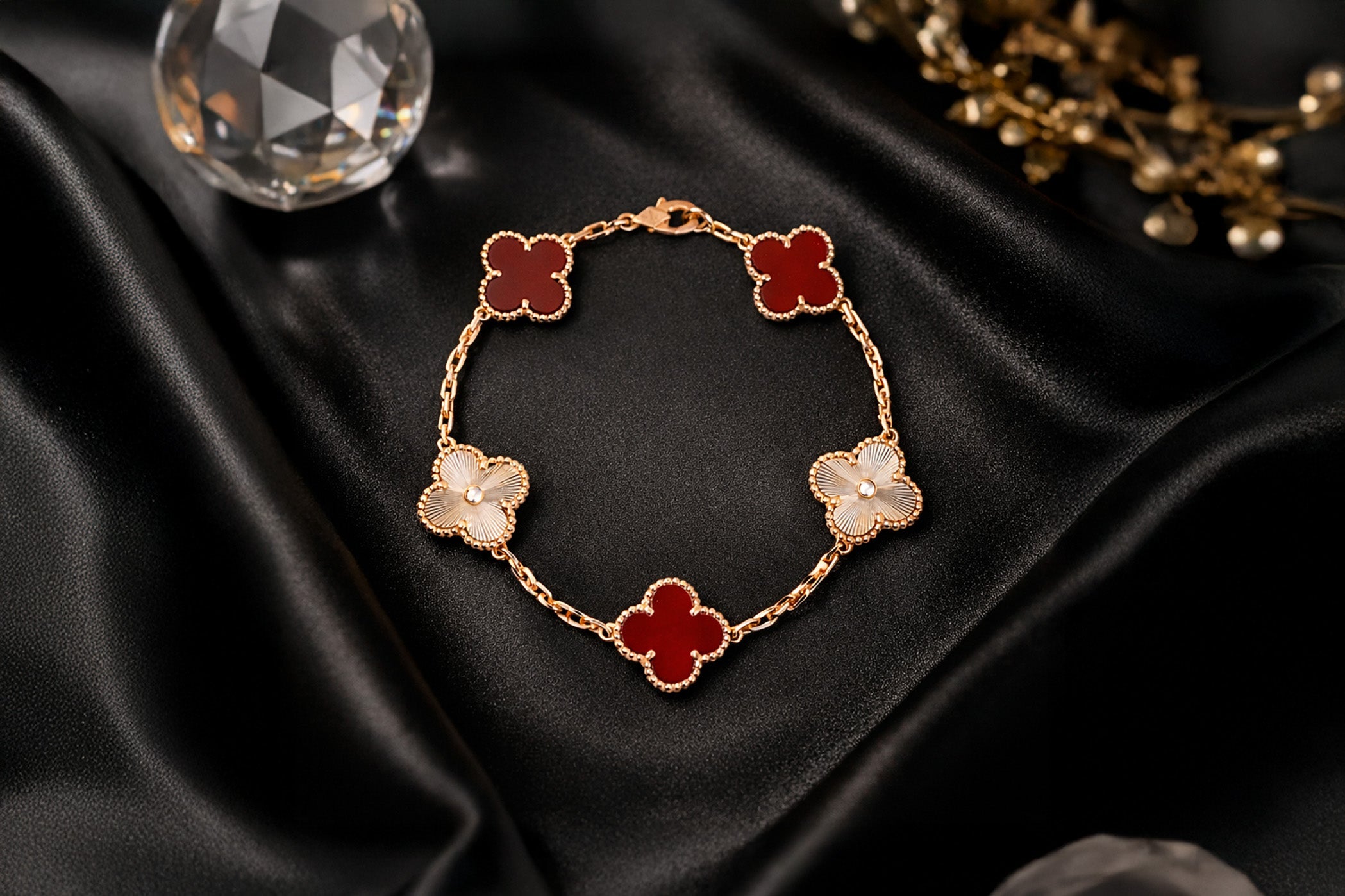
Van Cleef & Arpels collections like Vintage Alhambra and Magic Alhambra use materials that can deteriorate fast if stored wrong. Mother-of-pearl, onyx, and malachite don’t like humidity swings. They can crack, cloud, or lose color over time.
Diamonds and other gems need protection from abrasion. If Van Cleef pieces rub against other jewelry or hard surfaces, prongs can loosen and facets can pick up tiny scratches that reduce sparkle. That kind of damage drags down resale value.
Temperature swings can stress metal settings and can affect delicate components in some designs. Professional buyers may spot these issues during inspection and authentication.
Storage conditions that preserve gemstone integrity:
- Climate control (18-22°C, 45-55% humidity)
- Individual soft pouches or original Van Cleef boxes
- Keep pieces separate
- No direct sunlight or harsh artificial light
Effects on Perceived Value and Buyer Confidence
When you can show a clear storage history, like original boxes, insurance records, or vault receipts, suddenly your piece isn’t just a jewel. It’s a verified investment. Buyers see proof of care and value it more.
Authentication can go smoother when storage history is solid. If a buyer knows a Vintage Alhambra necklace lived its life in a climate-controlled safe and not a steamy bathroom drawer, they may be more comfortable paying a premium. Documentation reduces doubts about hidden wear or poor handling.
Storage history is especially helpful when you have the original Van Cleef & Arpels packaging. Branded boxes, certificates, and care booklets say “responsible ownership.” Pieces with a complete set of documents can command stronger buyer interest than identical ones missing those extras.
Buyers at this level expect transparency. Detailed storage documentation can act as provenance, supporting authenticity documents.
Heirloom Potential and Generational Value
Van Cleef & Arpels jewelry that’s stored right stays worthy of passing down, rather than turning into a repair headache. The Alhambra collection, for example, was built to last decades, but only if owners protect it from environmental damage.
Storage history becomes part of a piece’s story as it moves through generations. Families who keep their Van Cleef pieces in original boxes with paperwork preserve both their financial and sentimental value. That’s a big draw for buyers hoping to create their own heirlooms.
The brand’s long heritage means these pieces can gain significance over time. But if storage gets neglected, damage can wipe out that potential. A mother-of-pearl Alhambra pendant left in a humid drawer can lose its shine and its legacy appeal.
Buyers looking for heirlooms often scrutinize storage history. They’re not just buying for today. They’re thinking about future value for their own families.
Critical Aspects of Proper Van Cleef & Arpels Storage
How you store Van Cleef & Arpels jewelry makes all the difference, from slowing tarnish to protecting delicate stones. The right environment and storage methods help maintain both structure and beauty.
Ideal Conditions for Jewellery Longevity
Temperature stability is more important than most collectors think. Try to keep storage areas between 18°C and 22°C, with humidity around 45-55%.
Too much heat can affect delicate elements in certain designs, and rapid temperature swings can stress settings over time.
Light is an enemy over time. Malachite, amethyst, and mother-of-pearl can fade or discolor under direct sunlight or strong lighting. Store your pieces in dark, lined boxes and avoid direct UV exposure.
Air control needs a balance. Limiting exposure to sulfur compounds and contaminants can help slow tarnish on alloys. Anti-tarnish strips in storage boxes can help absorb sulfur in enclosed spaces.
Give each piece its own compartment. Diamonds can scratch softer stones like turquoise and malachite, and harder gems can mark metal settings if pieces touch.
Material-Specific Requirements: Gold, Stones, and Enamel
Gold Varieties
White gold needs extra care because its rhodium plating can wear over time. Use acid-free tissue or a clean, soft pouch instead of unknown fabrics that might contain reactive compounds. Yellow and rose gold are less prone to visible changes but still benefit from careful separation and gentle storage materials.
Precious Stones
Diamonds are tough but attract oils and dust that dull their sparkle. Opals can be sensitive to drying and sudden environmental shifts, and emeralds are often treated and can be sensitive to heat and harsh chemicals.
Sapphires and rubies are generally durable, but stones with inclusions or treatments can be more sensitive. Keep Alhambra pieces with onyx or malachite away from questionable storage materials and always store them separately from harder gems.
Delicate Materials
Pearls are fussy. Don’t store them in airtight containers. They benefit from a stable environment. Lay them flat so their silk thread doesn’t stretch.
Mother-of-pearl and turquoise are sensitive to chemicals from perfumes and lotions. Keep them away from other jewelry in their own compartments.
Avoiding Common Storage Mistakes
Storing jewelry in the bathroom is one of the worst choices. Steam and humidity swings can stress settings and affect stones over time. It can also accelerate tarnish on alloys and hardware.
Mixing jewelry in one compartment is a recipe for scratches. A diamond bracelet tossed in with an onyx pendant can damage both pieces beyond easy repair.
Some generic jewelry boxes use fabrics or adhesives that can contribute to tarnish or residue. Make sure your storage materials are acid-free and sulfur-free.
Some plastics and papers can trap moisture or release compounds that affect metals and finishes. Stick to proper jewelry pouches or acid-free tissues.
Leaving pieces in original Van Cleef boxes is great, if you also store those boxes properly. The packaging protects well, but it still needs a dry, dark, stable spot.
Signature Van Cleef & Arpels Materials and Their Vulnerabilities
Van Cleef & Arpels jewelry features everything from delicate mother-of-pearl to tough diamonds, and each material brings its own storage challenges. Knowing what harms these materials helps you avoid the kind of wear that hurts resale value.
Mother-of-Pearl and Other Soft Stones
Mother-of-pearl is a staple in the Alhambra collection, but it’s surprisingly fragile. With a Mohs hardness commonly cited around 2.5 to 4.5, it scratches easily and can dull or crack if the environment isn’t stable.
We’ve seen Vintage Alhambra pieces go dull from being stored near heaters or in bathrooms. The iridescence can fade if mother-of-pearl dries out or absorbs chemicals from beauty products.
Malachite is soft and can be sensitive to moisture and acids. Onyx and carnelian are harder but can still pick up scratches if they rub against diamonds or other harder materials.
Vulnerable stones in VCA collections:
- Mother-of-pearl: can dry, crack, or discolor
- Malachite: scratch-prone and moisture-sensitive
- Turquoise/lapis: porous and can absorb oils/chemicals
- Onyx/carnelian: more durable, but still scratchable
Care for Precious Metals and Prongs
Van Cleef & Arpels uses 18k gold, which feels luxurious but is softer than lower-karat alloys. Yellow gold can hide wear better than white or rose gold, which can show scratches and dents more easily.
Beaded edges on Perlée pieces and polished bezels on Alhambra motifs can dent if pieces knock together. Store each item in its own soft pouch to reduce metal-on-metal contact.
Prongs benefit from regular checks, especially on diamond pavé or Frivole settings. Environmental changes and everyday handling can contribute to loosening over time. If a stone comes loose, that’s both a financial and resale hit.
Zip necklaces with their moving parts need special care. Their mechanisms can stiffen or scratch if they collect dust or aren’t stored carefully.
Protecting High-Value Motifs and Settings
The craftsmanship in Van Cleef settings is what makes them valuable, but it also means they can be delicate. The Mystery Set technique hides prongs but depends on precise alignment. Poor handling, pressure, or rough storage can compromise that precision.
Alhambra motifs have bezels that can distort if pressed or stacked. We’ve seen gold around stones get visibly warped from being crushed under other jewelry.
Diamond pieces in Perlée and Frivole collections use pavé settings. Tiny prongs can bend, and if one stone loosens, others can follow. Store these pieces flat in their own compartments to avoid pressure.
The 18k gold chains can kink or stretch if stored poorly. Lay them flat or coil them loosely in pouches instead of hanging them.
Effect of Storage History on Authentication and Documentation
Complete storage documentation can make authentication easier and support stronger resale outcomes. Buyers and appraisers lean on provenance records to support authenticity and help set fair pricing for Van Cleef & Arpels jewelry.
Importance of Original Packaging and Paperwork
Van Cleef & Arpels packaging helps tell a story about where a piece came from. The signature boxes, authenticity documents, and receipts create a paper trail that authentication experts like to see.
Original documentation usually includes:
- Certificate of authenticity (when provided) and identifying details
- Original purchase receipt (with boutique and date)
- Warranty and service paperwork (when available)
- Care instructions and composition details
- Service records from authorized boutiques
Pieces with complete original packaging and paperwork often attract stronger buyer demand than identical pieces missing documents. Authentication is typically smoother when identifying details line up across records and the piece itself.
Missing paperwork can raise questions. Experts have to rely more heavily on physical inspection, which can take longer and add uncertainty. Some buyers walk away entirely if there’s no original documentation, especially on high-value Van Cleef & Arpels pieces.
Storage matters for paperwork, too. Documents kept in humid spots can warp or fade, making details hard to read. Keep documentation in protective sleeves in a stable, dry space.
How Proper Records Influence Appraisals
Professional appraisers pay attention to documented storage history when valuing Van Cleef & Arpels jewelry. If you can show service records from authorized boutiques, it’s a clear sign you’ve taken care of your pieces.
Service documentation tells a story. When records show regular cleanings, stone checks, or clasp adjustments, it signals preventive care, not just patching up damage. That difference matters during pricing discussions.
Appraisers may also consider how pieces were stored. Jewelry kept in bank safety deposit boxes or a quality home safe often shows less wear than items stored loosely in high-humidity areas. These details can appear in appraisal notes.
Documentation that strengthens appraisals:
- Photos of the piece over different years
- Insurance appraisals with updated values
- Boutique service receipts with details on work done
- Original purchase documents from Van Cleef & Arpels
- Independent authentication letters from recognized experts
If there’s a gap in storage history, things can get trickier. When a piece’s past is unclear, appraisers may factor in added risk around wear, repairs, or changes. That uncertainty can lead to more conservative valuations.
Role of Boutique Services in Maintaining Value
Van Cleef & Arpels boutiques don’t just sell jewelry. They offer service documentation that can matter at resale. If you get repairs or cleaning done at an authorized center, you’ll receive official records that many buyers trust.
Each boutique service visit comes with paperwork, such as date and work performed. This isn’t just bureaucracy. It helps show the piece was maintained through official channels.
It’s worth asking for detailed service notes, not just a basic receipt. The best documentation describes the condition check, the work performed, and recommendations for future care. That kind of thoroughness gives future buyers peace of mind.
Some boutiques keep digital records of purchases and service history. If you lose paperwork, they may be able to help confirm past service, depending on the situation and records available.
Benefits of boutique service documentation:
| Benefit | Impact on Resale |
|---|---|
| Service traceability | Makes buyers more comfortable |
| Professional maintenance records | Supports stronger pricing discussions |
| Consistency of service standards | Helps protect collection value |
| Expert condition checks | Supports appraisal confidence |
Third-party repair documentation may not carry the same weight for some buyers. Even if an independent jeweler is talented, buyers often prefer official service history when they’re evaluating authenticity and long-term value.
Linking Storage Quality to Van Cleef & Arpels Brand Heritage
Van Cleef & Arpels has built its name on meticulous craftsmanship and exclusivity since opening at Place Vendôme in 1906. Proper storage isn’t just about value. It’s also about honoring those traditions. When you follow careful preservation standards, you protect both the monetary value and the history attached to the piece.
Savoir-Faire and Craftsmanship Preservation
The Mystery Set technique was patented in 1933 and lets stones sit without visible prongs, thanks to precise rails carved into the metal. Pressure, abrasion, and corrosive exposure can compromise those rails and harm the signature invisible setting.
Alfred Van Cleef and Estelle Arpels built the Maison with a focus on technical excellence. Many pieces involve extensive handwork, from stone selection to final polish. If you store jewelry in acid-free materials and separate compartments, you help protect finishes and reduce wear.
We’ve come across vintage pieces that still look remarkably fresh, largely because owners used careful storage and protective cases. On the flip side, jewels stored loosely often show surface wear that can materially reduce buyer interest, even if the stones are intact. The story of craftsmanship is either protected or diminished by how you store your jewelry.
Exclusivity and Limited Editions Care
Van Cleef & Arpels may offer waiting lists for certain collections and also produces limited pieces. That makes provenance documents, like original boxes, certificates, and service records, especially helpful for collectors.
Renée Puissant, Estelle Arpels’ daughter, helped shape the Maison’s creative direction and identity through the early twentieth century. Keeping original packaging, identifying details, and service paperwork helps tie a piece to its specific release and ownership story.
For collectors, complete records and original cases can strongly influence buyer confidence compared to identical items missing those materials.
Maison Legacy and Visual Storytelling
The Van Cleef & Arpels patrimonial collection is often described as comprising more than 2,700 pieces preserved with archival care. You can mirror some of that mindset at home. Proper storage lets you photograph jewelry with its original box and documents, building the kind of visual story serious collectors want.
For good photos, you need pristine pieces. Tarnished clasps, cloudy stones from humidity, or crushed boxes can weaken presentation and resale appeal. We’ve seen sales where two similar Alhambra necklaces end up far apart in price largely due to condition and presentation.
Following careful preservation practices helps your listings stand out, showing good stewardship and supporting a stronger price from buyers who value how Van Cleef & Arpels pieces are kept.
Storage History in the Modern Luxury Market and Sale Channels
How you document storage directly shapes how buyers see value and authenticity, especially in today’s secondary market. Digital platforms now let you showcase provenance in ways that old-school sales never allowed.
Influencing Buyer Psychology on the Secondary Market
Storage history is a trust signal. When you show documented storage records, you’re giving buyers proof that goes beyond a quick look. Temperature stability, proper humidity, secure storage, and careful separation tell buyers you cared. That care supports value.
Luxury buyers want transparency. A Van Cleef necklace with documented stable storage can feel safer than one with an unclear past. This kind of documentation answers those unspoken worries about damage or neglect.
Confidence is everything in the secondary market. Storage records can reduce doubt, showing sellers are serious about preservation. Detailed storage histories can support stronger offers because they reduce perceived risk for buyers.
Marketing and Digital Storytelling for Sales
Instagram and other digital platforms let you turn storage documentation into a story. High-quality images of protective storage, original packaging, and preservation habits act as credibility markers that savvy buyers notice.
Digital marketing means you can tailor your message. Collectors want technical details about storage. Aspirational buyers love lifestyle shots with a hint of luxury care. Posts showing smart storage habits can boost trust and support better sale outcomes.
Role of Exhibitions and Social Media in Value Building
Physical exhibitions can display documentation right next to jewelry. When buyers can see both the piece and its preservation records, the connection is stronger.
Instagram can act like a virtual exhibition. Posts about protective cases, careful storage, and preservation routines attract engaged followers who care about stewardship. These platforms can help explain why storage history matters and how it protects investments.
We’ve noticed that storage-focused content often gets more engagement than product shots alone. That engagement means more visibility, and it can draw in more serious buyers. Exhibition-style content that mixes beauty with practical details can speak to both emotional and rational buyers.
Frequently Asked Questions
Storage history, material-specific care, and how you present your piece all shape how buyers judge Van Cleef & Arpels jewelry and what they’ll pay. Knowing this helps you position your jewelry more effectively in the resale market.
What are the key factors that affect the resale value of Van Cleef & Arpels jewelry?
Stone condition is at the top. Pristine mother-of-pearl, malachite, or onyx, with minimal scratching or cloudiness, commands stronger prices. Buyers look closely because damage often signals poor care and can affect longevity.
Original documentation makes a big difference. Receipts, service records, and other provenance documents support authenticity and improve buyer confidence. They can also help show stones and components have remained consistent over time.
The setting matters too. Loose prongs, bent bezels, or scratched gold can lower value because buyers see potential repair needs. Van Cleef’s 18k gold is softer than many lower-karat alloys, so it picks up wear faster if you don’t store it carefully.
Collection and rarity can drive prices up. Earlier pieces, limited releases, discontinued stones, or rare color patterns may command a premium when condition and provenance support the story.
How does the condition of Van Cleef & Arpels packaging influence potential buyers' perception?
Original packaging shows the seller cared enough to keep everything together. The pouch, box, and document holders create a complete package that signals careful ownership. Missing packaging can make buyers cautious.
Complete packaging can also speed up authentication and build trust. When everything arrives intact, it’s easier to evaluate authenticity. Buyers are often more comfortable paying more when there’s less to question.
The packaging protects the jewelry, too. Soft pouches help prevent scratches, and sturdy boxes protect against pressure. Sellers who kept the packaging often stored their jewelry better, which may mean the stones and settings are in better shape.
What tips can sellers follow to ensure their Van Cleef pieces maintain top-notch condition for future sales?
Store each piece in its original pouch inside a lined box. Keeping items separate helps prevent scratches and stops metals from rubbing against delicate materials like mother-of-pearl or malachite.
Keep jewelry somewhere stable, with steady temperature and moderate humidity, away from bathrooms or kitchens. Avoid attics, basements, or spots near vents. A dresser drawer in a climate-controlled bedroom can work well.
Take off your jewelry before using cosmetics, perfume, or cleaning products. Put it on last when getting ready and take it off first when you get home. It’s a small habit, but it helps protect stones and settings from chemicals.
Document how you store your jewelry and any professional servicing. Keep receipts from boutique cleanings or repairs, and note storage conditions. Buyers like seeing proof that jewelry was cared for.
Rotate what you wear if you have favorites. Giving pieces a break and storing them in the dark can help reduce long-term exposure risks.
Can you share insights on how the provenance of Van Cleef & Arpels jewelry impacts buyer interest and final sale price?
Documented ownership history can boost desirability and support higher pricing. When sellers can show original purchase receipts from Van Cleef boutiques, buyers gain confidence and can often date the piece more accurately.
Proof of careful storage can help, too. Sellers who can show stable storage, individual pouches, and regular professional maintenance may present their pieces as more collector-worthy.
Service records from Van Cleef boutiques help reassure buyers that work followed official standards. They can support buyer comfort compared to third-party repairs with limited documentation.
Celebrity or notable ownership can raise interest, but only if verified. Without solid documentation, those claims can backfire. Authenticated pieces with verified notable connections can sell for significantly more than standard examples.
Why is the material and craftsmanship knowledge crucial when consigning Van Cleef & Arpels items?
Knowing which stones need special care shows you’re a responsible owner. If you can explain how you stored malachite differently from onyx, buyers see you understand each material’s needs. That knowledge often leads to better-preserved jewelry and stronger outcomes.
Material expertise helps set realistic prices based on durability and demand. Perfect mother-of-pearl can deserve premium placement, while malachite with visible wear might need a price adjustment. Understanding hardness and porosity helps you make smarter decisions.
Understanding craftsmanship helps you explain Van Cleef’s signature techniques. Describing stone selection, precision setting, and specialized methods gives buyers context for value. Collectors often pay more when they understand what makes a piece special.
If you know vulnerabilities, you can explain condition issues honestly. For example, some materials can change subtly with age even when cared for. That transparency builds trust and reduces suspicion.
What strategies are effective for positioning Van Cleef & Arpels items to attract the right buyer demographic in the luxury market?
Focus on collectors who care deeply about stone condition and thorough provenance. These buyers ask about material sensitivity, storage habits, and documentation before they commit. If you have paperwork showing careful storage or original packaging, highlight it. These buyers notice and often reward documented care.
Talk up the storage history in your listings. Mention stable storage, individual pouches, and professional maintenance. Buyers at this level understand that proper storage protects their investment.
Show you know material-specific care. If you kept malachite away from humidity or protected mother-of-pearl from harsh conditions, share those habits. It reassures buyers you treated each piece with respect.
Love Hermès? See More from Rome Station
Add us to your Preferred Sources on Google to see our newest Hermès guides and insider tips first.