

How Interior Lining Condition Influences Chanel Price Offers
Check out our Chanel collection!
When you’re selling a Chanel bag, it’s tempting to focus on the leather, hardware, and those iconic CC logos. But time and again, sellers get blindsided when a flawless exterior doesn’t bring in the offer they expected.
The interior lining condition can make or break your resale price, and sometimes it’s the difference between top dollar and a disappointing lowball. Buyers and consignment partners dig deep, inspecting the inside for stains, tears, odors, and loose stitching that hint at how the bag’s been treated.
We’ve watched sellers lose hundreds, sometimes thousands, on bags that looked perfect until someone peeked inside. A gorgeous black lambskin Classic Flap with a stained or ripped lining? That instantly raises red flags about storage and use.
Consignment shops often turn away bags with serious interior problems, and private buyers get tough on price when they spot issues inside. The lining holds crucial authentication details, like serial numbers and brand stamps, so any damage there makes verification harder and shakes buyer confidence.
Knowing what buyers look for inside your Chanel and addressing lining issues before you list can seriously protect your investment. Whether it’s a recent purchase or a vintage gem from the ‘80s, the interior tells the real story, and that story shapes what someone’s willing to pay.
Key Takeaways
- Interior lining condition directly impacts resale value, sometimes lowering offers by hundreds or thousands
- Stains, tears, odors, and damage to authentication details like serial numbers reduce buyer confidence and complicate consignment
- Vintage Chanel needs special attention for lining wear, and professional restoration can pay off in higher sale prices
Why Interior Lining Matters for Chanel Bag Valuation
Interior lining condition hits price offers harder than most sellers expect. Buyers scrutinize the lining for wear, damage, and authenticity markers that might make or break a deal.
Impact on Chanel Price Offers
Interior condition can drop resale value by 10% to 20% for issues that seem small at first. Pen marks, makeup stains, and weird smudges are deal-breakers for many buyers who want a pristine experience, inside and out.
Sticky or peeling lining? That’s pricey to fix. Most consignment platforms downgrade bags when the lining shows separation or deterioration. We’ve seen bags go from “excellent” to “good” condition just because of interior issues, cutting offers by hundreds or more.
Odors are a nightmare. Even if the outside looks flawless, lingering perfume, smoke, or mildew smells make bags tough to sell. Buyers can’t smell in photos, so when they discover it after delivery, it often leads to returns or bad reviews.
| Interior Issue | Typical Value Impact |
|---|---|
| Light pen marks | -5% to -10% |
| Heavy staining | -15% to -25% |
| Peeling lining | -20% to -30% |
| Strong odours | -15% to -20% |
Buyer and Consignor Perceptions
Buyers see the interior as proof of how a bag was really used. If the outside’s perfect but the inside’s trashed, it looks like someone tried to hide the wear. That kills trust and negotiations.
Consignment shops know this game. They photograph interiors from every angle and point out every flaw to avoid disputes. Sellers who gloss over interior damage usually get lower offers, because the pros spot these issues in seconds.
Chanel shoppers aren’t all the same. Some want bags that look untouched inside and out, and they’ll pay a premium. Others are fine with interior wear if the price reflects it, since, honestly, most people only see the outside.
Vintage Chanel gets a little more forgiveness. Age-appropriate wear, like slight color changes or minor fabric thinning, is fine on bags from the ‘80s or ‘90s. Still, even vintage buyers hesitate at major damage or bad repairs.
Connection to Authenticity
Genuine Chanel bags have high-quality leather or fabric linings and meticulous stitching. Authenticators check lining material, texture, and construction as key points.
Lining color, pattern, and logo placement shift by era and style. Counterfeiters mess up these details, using cheap materials or the wrong burgundy. Lining quality is one of the first things we check for fakes.
Interior stamps and serial number stickers have to match specific formats for each production period. Chanel changed its authentication systems over the years, and knowing these timelines helps us spot legit bags versus replicas that only look good on the outside.
If the serial number area is damaged or missing, authentication gets trickier. Buyers get nervous, and consignment platforms get stingy with pricing.
Examples of Value Differences
A lambskin Classic Flap in excellent exterior condition can sell for around 75% to 80% of retail on the resale market. Add pen marks and light staining inside, and that can drop to 60% to 65%. Peeling lining? Now you’re looking at 50% to 55%.
We’ve handled two identical Medium Boy Bags in black caviar. One had a pristine interior and went for $4,200. The other, with makeup stains and sticky lining, sold for $3,400. That’s an $800 gap, just because of the interior.
Vintage bags follow the same pattern. A 1990s Classic Flap with clean lining can land $3,500 to $4,500, depending on size and hardware. The same bag with heavy interior wear or amateur repairs struggles to hit $2,500, even if the exterior has that dreamy vintage patina.
Key Features of Authentic Chanel Interior Linings
Genuine Chanel interiors stand out for their premium materials, sharp stitching, and color choices that match the bag’s era. These details help you spot the real thing, whether you’re buying or selling.
Lining Materials and Signature Textures
Chanel uses lambskin, canvas, twill, or grosgrain for its linings. Grosgrain, with its ribbed, sturdy feel, shows up in the Boy Bag and some seasonal lines. It should feel firm, never flimsy or snag-prone.
Canvas linings feel soft and natural, not stiff or plasticky. Twill has a diagonal weave you can see and feel. Higher-end models get leather interiors that match the exterior’s suppleness.
The lining sits flush against the bag’s walls, with no bubbling or sagging. Authentic Chanel interiors stay tight at the seams, with a seamless look throughout. If you feel roughness or see loose spots, something’s off.
Fakes usually use synthetic materials that feel scratchy or look too shiny. The texture difference is obvious if you compare a questionable bag to an authentic Classic Flap or vintage piece.
Stitching Standards and Craftsmanship
Chanel’s interior stitching matches the exterior’s precision. Each stitch is even, with no loose threads or wobbly lines. On many authentic bags, stitching is often around 10 to 11 stitches per inch, and consistency matters as much as the count.
Thread color always matches the lining, keeping things cohesive. High-stress areas get extra stitching, and even hidden spots by the hardware show care. Pocket placement follows strict specs, and zippers glide smoothly with branded pulls.
Red flags for fakes:
- Uneven stitch lines or spacing
- Thin, shiny thread that feels synthetic
- Glue marks or residue near seams
- Raw edges or stitches that stop abruptly
Chanel construction is primarily stitched, and visible glue residue is a red flag. Where panels meet, the stitching should be straight, with no puckering.
Colour Consistency by Collection and Era
Chanel uses specific interior colors that change over time. Black linings are common on modern classics. Burgundy (Bordeaux) pops up a lot in vintage pieces from the late ‘80s to mid-‘90s. Beige or cream usually comes with lighter exteriors.
The lining color stays consistent throughout the interior, from main compartments to pockets. Dye should be even, with no blotches or streaks.
| Era | Common Lining Colours | Notes |
|---|---|---|
| Pre-1995 | Burgundy lambskin | Signature for Classic Flap |
| 1995-2010 | Burgundy, black lambskin | Transitional period |
| 2010 to Present | Black, red lambskin | Modern standard |
Vintage linings might fade or develop patina, especially in lambskin near pocket edges and flaps. This aging is hard to fake and actually helps authenticate older bags. The original color should still be visible and match what Chanel used at the time.
Some wear is normal in pre-owned bags, but the core color should fit the model year’s specs.
Assessing Lining Condition: What Sellers and Buyers Look For
Lining condition shapes price offers for authentic Chanel bags. Both buyers and sellers zero in on wear patterns, cleanliness, and structure. Pristine interiors fetch top dollar; visible damage knocks off hundreds, sometimes more.
Signs of Wear and Common Red Flags
Interior lining shows wear over time, but certain issues raise eyebrows. Lambskin linings get a soft patina with use, which can be desirable in vintage pieces. What really matters: frayed edges by pocket seams, torn fabric near hardware, or thinning where things rub against the lining.
Discoloration is a big deal. Light-colored linings pick up stains from pens, makeup, or whatever ends up in your bag. Ink marks, foundation smudges, or denim transfer are all common, and they drop value. Some stains clean up with a pro, but permanent marks hurt resale.
Loose stitching along seams and pockets is a problem. If threads are coming undone or you see gaps, that’s a red flag for both authenticity and condition. Real Chanel bags use reinforced stitching that should hold up.
Scratches or scuffs on the leather patch with the serial number can make authentication tricky. If buyers can’t verify codes, they get nervous, and their offers drop.
Interior Cleanliness and Odours
Clean interiors just sell better. We always tell sellers to clean their bag’s interior before listing, get rid of crumbs, dust, and pocket debris. A quick wipe with the right cleaner makes a huge difference in photos and in person.
Odors are a deal-breaker for a lot of buyers. Cigarette smoke, perfume, mustiness, or pet smells get into linings and are tough to remove. Professional cleaning helps with some odors, but heavily scented bags often sell for less or not at all.
Food or drink spills leave stains and smells. Coffee, wine, or oily stuff can soak deep into the lining. Even if you can’t see the stain, the smell sticks around and makes buyers wary.
We’ve had buyers specifically ask about interior smell during authentication. A fresh, neutral scent suggests good storage and care. Anything strong? People start wondering about the bag’s history.
Fitting, Bubbling, and Sagging Issues
Proper lining fit is classic Chanel, a key sign of quality and condition. The interior should sit taut against the structure, with no bunching in corners or along seams. Bubbling happens when lining detaches or adhesive fails, creating bumps or wrinkles.
Sagging shows up when lining loses tension and droops away from the walls. It’s most common at the bottom or in older bags where the material’s stretched. Some settling is normal in vintage, but major sagging usually means the bag needs professional help.
We watch for wrinkles or puckers that weren’t part of the original design. Authentic Chanel linings are smooth and fitted, so any weird texture points to poor storage, water damage, or other problems. Humidity can warp leather linings or make fabric develop permanent creases.
Peeling or cracking in leather-lined interiors is a bigger issue. This kind of damage is tough to fix and can’t really be reversed without expert repair. Even small areas of peeling mean costly restoration, and buyers factor that into their offers.
Influence of Serial Numbers and Interior Authentication Details
Serial numbers and authentication details inside the bag matter a lot. They prove legitimacy and production era. Buyers look closely at code format, placement, and condition, and any issues here can lower offers.
Serial Number Location and Era Differences
Chanel puts the serial number inside the bag, usually on a leather tag or sticker in a bottom corner of the lining. Classic Flaps often have it on the left interior side, but other styles may put it on the right or near a pocket. Location shifts by model and year.
Code format has changed over time. From 1984-1986, it was 6 digits. Between 1986-2004, 7 digits. From 2005-2020, 8 digits. The first one or two digits indicate the series, which corresponds to a production year range, for example, “21” is 2015-2016, and “28” is 2019.
Starting in April 2021, Chanel began using microchips instead of serial stickers. It was a gradual rollout, so some 2021 bags may still have a hologram sticker depending on timing and category. Matching the authentication method to your bag’s era is crucial when sellers evaluate offers.
Authenticity Stamps and Tags
Real Chanel bags (pre-2021) have hologram stickers that shift under light. The numbers are printed in the classic Chanel font, sharp, even, and easy to read. The sticker should sit flat on the leather tag, with no bubbles or peeling edges. Fakes often miss the mark with bad hologram quality or weird, off-kilter fonts.
The serial number sits inside on a leather tag, stitched securely (never glued). The thread matches the interior, and the stitching shows the same care as the rest of the bag. Authenticity cards, if you have one, must match the interior code exactly, same digits, same font. If the numbers don’t match, that’s a huge red flag.
Newer bags with microchips have a small metal plate attached to the lining, finished to match the bag’s hardware. The engraving should be crisp and deep, with the plate solidly fixed in place.
Issues with Faded or Missing Codes
Faded serial numbers show up a lot in vintage bags. That’s normal, and it won’t kill authenticity if everything else checks out. Older leather tags just wear down over time. But if the code is completely illegible or gone, authenticating gets tricky, and buyers lose confidence, offers drop fast.
If the sticker or tag is missing, that’s a problem. Sometimes vintage bags lose their stickers after years of use, but buyers still want other proof, stitching, hardware, materials. No readable code? Even real bags take a big price hit because buyers feel like they’re gambling.
Tampered codes are a deal-breaker. If it looks scraped off, re-stamped, or replaced, most buyers just walk away. Counterfeiters sometimes steal legit codes and slap them on fakes, so a “real” number isn’t enough. That’s why you have to check the code along with lining, stitching, and hardware when you’re trying to authenticate a Chanel and figure out a fair price.
Interior Lining Condition and Chanel Hardware Value
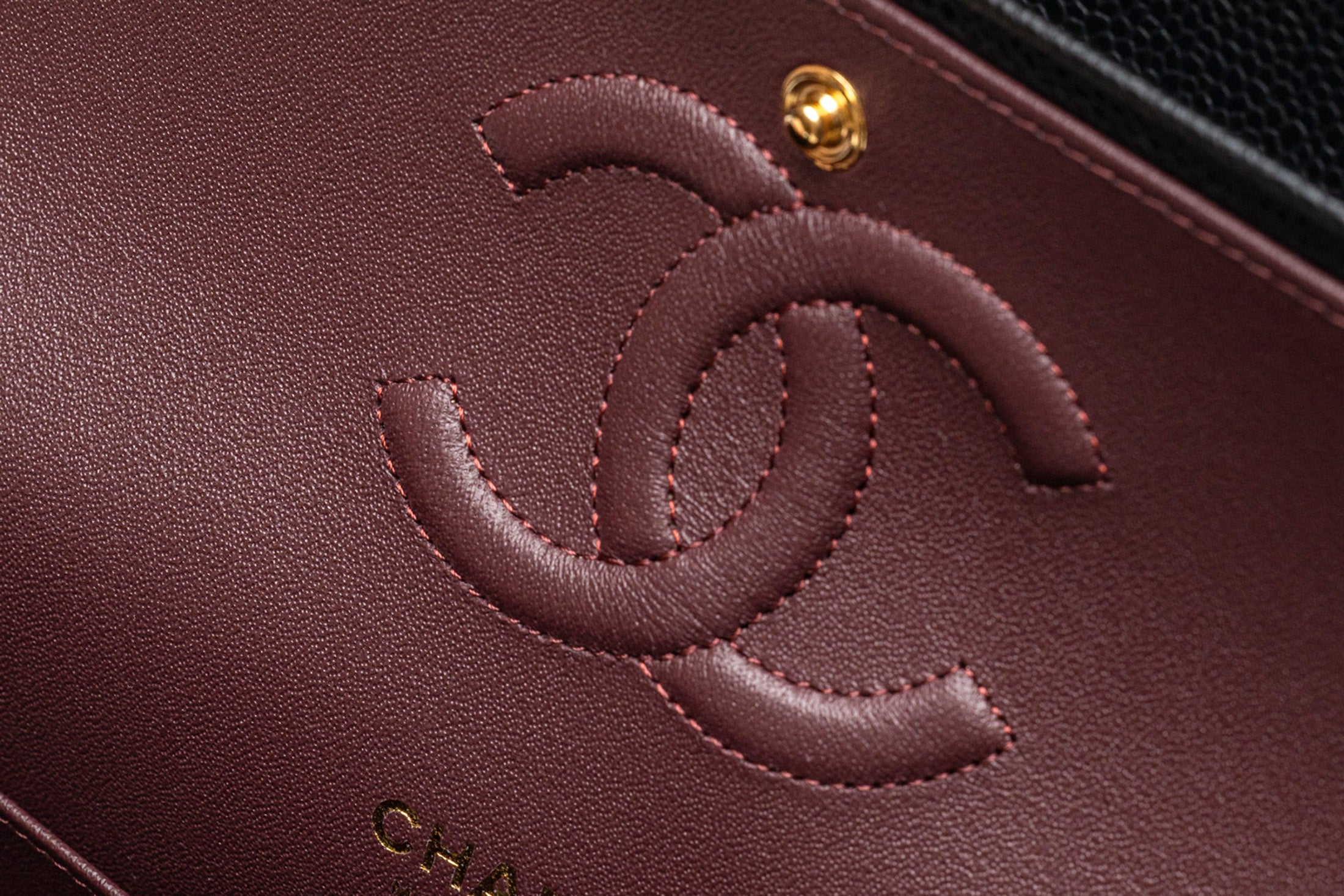
The lining’s condition totally shapes how buyers see the hardware, too. If the lining’s clean and tight, it signals careful ownership and storage, which usually means the metal bits, like the CC lock and interlocking logos, are in good shape.
Interplay with Hardware and Zipper Quality
When you look inside a Chanel, the lining tells you a lot about how the hardware’s been treated. A smooth, fitted lining with no bubbles or sagging means the bag hasn’t been overstuffed, so the stress points where hardware meets leather are protected.
You really notice this with the zipper. Bags with wrinkled or loose linings can also have zipper problems. Chanel uses several zipper types, including Lampo and EP, and good installation against a taut lining helps them work smoothly.
Key hardware signs linked to lining:
- Metal plate attachment - Loose lining often means loose screws or wobbly CC locks
- Chain strap mounting - Sloppy lining can weaken the chain anchor points inside
- Zipper pull weight - Saggy lining puts weird pressure on zippers
If buyers see lining wear along with hardware issues, they’ll slash their offer. The combo basically says the bag wasn’t stored in its dust bag, or it sat somewhere humid and both the fabric and metal suffered.
Links to Interlocking CC Logo and Lock Functionality
The CC logo’s condition often mirrors how the lining’s been treated, and that affects resale. Bags with stained or torn linings usually have CC logos that are tarnished or crooked. People who neglect the inside tend to be rough with the turn-lock, too.
For the CC lock to work right, the leather backing inside needs to stay firm. If the lining separates from the structure, the metal plate behind the lock shifts, making the turn-lock feel loose or unreliable.
If both the lining and hardware look beat up, authenticity comes into question. Fakes often have bad linings that give themselves away with hardware issues. The interior stamp color should match the outside hardware, and the lining’s condition affects how visible and crisp those stamps are.
Vintage and Preloved Chanel: Special Considerations for Lining Condition
Vintage Chanel linings have their own quirks, depending on the decade. The materials age differently than modern ones, and you really need to know what you’re looking at to judge value.
Typical Lining Issues by Decade
Bags from the 1980s often have satin linings that get brittle and tear along seams. Honestly, those early linings just weren’t as tough as what came later.
The 1990s saw a switch to burgundy grosgrain linings. These hold up better but tend to fray around pocket edges and corners after years of use.
Pre-1984 bags might not have serial numbers at all and can use suede or leather linings. Those need a specialist’s eye since they wear so differently from fabric linings.
Modern preloved Chanel (2000s and up) can show:
- Ink stains or color transfer from pens and makeup
- Sticky residue from pocket repairs
- Corner seam separation
- Light soiling near zippers
Lining Restoration and Value Recovery
Getting a pro to replace the lining can recover a meaningful portion of value lost to damage, but original linings often fetch more. Buyers who want true vintage usually prefer untouched interiors, even if they’re a little worn.
Full lining replacements on vintage bags can run $400 to $800, depending on size and complexity. It’s worth it if the damage knocks the value down by more than the restoration cost.
Small fixes, like reattaching a pocket or reinforcing a corner, are better for minor issues. They keep more of the original material, which buyers like.
One thing to keep in mind: Some collectors think lining replacements hurt originality, especially on rare pieces. Always be upfront about any restoration when selling. Being honest keeps buyers’ trust and can even help you get a fair price if the work was done right.
How Condition Influences Vintage Price Premiums
Pristine vintage Chanels with perfect original linings can get 30% to 50% premiums over similar bags with replaced or damaged interiors. It’s just rare to find old bags in such good shape.
Bags from the 1980s and early 1990s in excellent condition are getting harder to find. A Classic Flap from that era with intact lining can bring top dollar from collectors who want period-correct details.
Preloved bags from the 2010s onward can lose value faster for lining issues because buyers expect better care. A five-year-old bag with a rough lining makes people wonder how it was treated overall.
Vintage value by lining condition:
| Lining Condition | Value Impact |
|---|---|
| Pristine original | Full vintage premium (30% to 50% higher) |
| Minor wear, original | 10% to 15% reduction |
| Professionally restored | 20% to 30% reduction |
| Significant damage | 40% to 60% reduction |
The decade matters. Collectors will accept some patina on 1980s bags, but they want near-perfect linings on anything from the 2000s.
Frequently Asked Questions
Lining wear creates real headaches for Chanel sellers, from sticky spots to ink stains. Knowing how appraisers see these flaws, which materials last, and how to protect your bag’s lining can help you get better offers or avoid a dud when buying pre-owned.
What specific interior issues can significantly affect the resale value of a Chanel bag?
Pen marks and ink stains are super common and can drop a bag’s value by 10% to 20%. They’re especially obvious on light linings and tough to get out without a pro.
Sticky or peeling lining is a big warning sign. It happens when the backing breaks down, especially in humid places. A lot of consignment shops won’t even take bags with severe lining issues, or they’ll insist you fix it first.
Odors are deal-breakers. Perfume, smoke, or musty smells in the lining can slash value by 15% to 25%. Even if the outside looks perfect, buyers notice the smell right away.
Stains from makeup or food also hurt offers. Dark marks or discoloration signal heavy use and poor care, and buyers start to question how the bag was treated overall.
Can you explain how the type of lining material impacts the appraisal of a Chanel handbag?
Leather linings can hold value better than fabric. They just feel more luxurious and can last longer with proper care. Vintage Chanels with lambskin or calfskin interiors often age nicely and can justify higher prices.
Fabric linings are authentic too, but they stain, tear, and wear faster. Bags with fabric interiors can appraise 5% to 10% lower than leather-lined ones in the same condition.
Lining color matters. Burgundy and black hide wear better than beige or cream. Lighter linings show every little mark, which can drop the bag into a lower condition grade, even if the outside is flawless.
Quilted or logo-embossed linings add a touch of luxury that buyers notice. These details hint at authenticity and good craftsmanship, and they can nudge values up a bit when in great shape.
What are the top insider tips for maintaining the lining of a Chanel purse to maximize its consignment value?
Keep the inside clean by using pouches or organizers for your stuff. Pens, makeup, and keys loose in the bag are a disaster for the lining, just don’t do it.
Don’t spray perfume or hairspray near an open bag. Those products leave residue and stubborn smells that are expensive to clean.
Always store your Chanel in its dust bag, in a cool, dry spot. Humidity can make linings sticky or peely, especially in older bags with glued backing layers. Good storage really pays off.
Deal with spills right away. Blot with a clean cloth and let it air out. Don’t use harsh cleaners unless a leather pro says it’s safe.
A pro cleaning every few years isn’t a bad idea if you use the bag a lot. They can treat stains and freshen up the interior without damaging delicate materials, which helps keep resale value high.
In terms of condition and cleanliness, what should I pay attention to with the lining when purchasing a pre-loved Chanel?
Feel the lining for sticky or tacky spots. Delamination is expensive to repair and usually means the bag wasn’t stored well.
Check corners and seams for tears or loose stitches. These spots get the most stress, and problems there tend to spread. Small issues might be okay with a discount, but major damage is a red flag.
Smell the inside. Bad odors are tough to get rid of and might mean mold or mildew. If it reeks of perfume, someone could be covering up a worse problem.
Look for stains under good light. Photos can hide marks, so see the bag in person if you can. Pay special attention to the bottom and sides where stuff sits.
Check that logo stamps and interior pockets are intact and properly attached. Missing or badly fixed parts usually mean heavy use or botched repairs.
How does the condition of a Chanel bag's lining reflect its overall authenticity and craftsmanship?
Authentic Chanel linings have telltale signs. Logo stamps are sharp and in the right spot, stitches are even and tight, and the materials feel sturdy, not flimsy.
Leather-lined Chanels show the brand’s quality inside and out. When the lining matches the exterior’s craftsmanship, it backs up the bag’s authenticity and price.
Fakes often use cheap fabrics with thin feel or messy stitching around pockets and zippers. Real Chanel interiors have structure and weight, even with fabric linings.
The way the lining ages tells you a lot, too. Genuine Chanels develop a natural patina on leather linings and wear patterns that fit the bag’s age and style. Fakes either look weirdly perfect or wear out in odd ways.
Little details, like quilted pocket linings or embossed logos on metal zippers, show Chanel’s standards. These touches are pricey to copy and help authenticators spot the real deal.
What are the commonly seen lining damages that Chanel enthusiasts should avoid to maintain a bag's worth?
Pen marks and ink stains are everywhere, honestly. They're super noticeable. If you love your Chanel, stash your pens in a pouch, just don't let them roll around inside.
Overstuffing is a classic mistake. It pulls at the seams around pockets, sometimes tearing or fraying them. Sure, a good repair shop can fix it, but buyers see those repairs or the damage itself and start thinking about value drops.
Vintage bags from the '80s and '90s have their own quirks. Some linings get sticky as older adhesive breaks down. It's not cheap to fix, and honestly, it's a hassle.
Light-colored linings pick up color from denim and other fabrics way too easily. Once that happens, good luck getting it all out. That kind of staining sticks around and definitely doesn't help resale.
Love Hermès? See More from Rome Station
Add us to your Preferred Sources on Google to see our newest Hermès guides and insider tips first.