
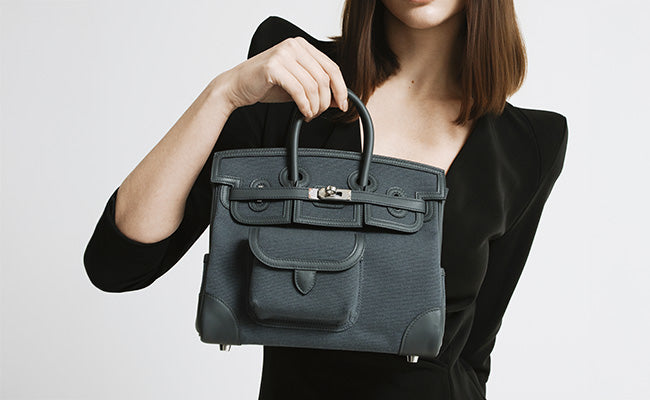


How Hermès Birkin Handle Wear Affects Resale Confidence
TL;DR
Hermès Birkin handle wear is one of the first condition details buyers notice in resale, and it can strongly influence buyer confidence, pricing, and time to sell. Darkened handles, uneven patina, loss of shape, cracking, or tacky texture can make buyers question how the bag was used and stored. Clean, well-supported handles, especially on sought-after sizes such as the Birkin 25, help a listing feel more trustworthy and desirable. For sellers, the best strategy is simple: document handle condition clearly, disclose wear honestly, protect the handles with silk wraps when appropriate, store the bag correctly, and seek professional care when needed.
Check out our Hermès collection and Birkin bags!
When a buyer looks at a Hermès Birkin on the secondary market, the handles often speak before the listing description does. They reveal how the bag was carried, how often it left the closet, and whether the owner protected the leather over time. For many collectors, Hermès Birkin handle wear is not a small detail. It is one of the clearest signs of care, use, and long-term resale confidence.
Unlike hardware, dust, or light surface marks, handle wear is difficult to ignore because it sits exactly where the bag is touched, carried, photographed, and inspected. Handles that show darkening, oil transfer, shape distortion, or visible cracking can make buyers nervous, even when the rest of the bag appears beautiful.
This market insight explains why handle condition matters so much in Hermès Birkin resale, how buyers evaluate different types of wear, and what sellers can do to preserve confidence before listing a bag.
Key Takeaways
- Handle condition is a primary resale signal because it reveals how a Birkin was carried, stored, and cared for.
- Darkening, uneven patina, misshaping, cracking, and glazing wear can reduce buyer confidence and make pricing more sensitive.
- Clear disclosure, close-up photography, careful storage, and preventive handle protection can support stronger resale presentation.
The Role of Handle Condition in the Secondary Market
Handle condition acts as a primary screening tool in resale. Buyers check handles early because they reveal how the bag was used, how it was cared for, and whether it may develop future condition concerns.
Why Handles Are a Resale Focal Point
Handles take a beating in a small, highly visible area. They absorb oils, moisture, and friction from regular use, which can speed up patina and place stress on the structure. On a Birkin 25, where the handles appear especially prominent in proportion to the bag, small marks or creases can stand out quickly.
Resale platforms and private buyers often use handle condition to help anchor grading. Clean, crack-free handles suggest careful ownership and can support stronger pricing. If handles show darkening, stiffness, cracks, or loss of shape, sellers may need to price more carefully, even if the rest of the bag looks strong.
Buyers usually look for these handle condition markers:
- Patina evenness: Is the colour change gradual and balanced, or patchy and uneven?
- Structural integrity: Are the handles flexible and rounded, with no cracks or splits?
- Surface texture: Does the leather feel smooth, or does it feel tacky, dry, or worn down?
- Stitching and glazing: Are the stitches tight and the edge finish intact at stress points?
Featured Products


First Impressions and Buyer Psychology
Handles dominate product photos and in-person inspections. A buyer picking up a Hermès Birkin almost always notices the handles right away, so the first tactile and visual impression is immediate.
Worn handles can raise concerns that go beyond the handles themselves. Buyers may see visible handle wear as a sign that the whole bag was used more heavily than described. That is why two similar bags can attract very different levels of interest based on how the handles look.
When someone is considering a Birkin on the resale market, handle condition can make or break confidence in the purchase. Even buyers who accept light body wear may pause if the handles look rough, because handle damage is highly visible and not always simple to reverse.
Common Types of Handle Wear and Their Causes
Handle wear on a Hermès Birkin usually falls into three main categories: darkening from handling, misshaping from weight or storage, and visible damage such as cracking, peeling, or worn glazing. Each type affects resale confidence in its own way.
Darkening and Discolouration
Handles darken when natural skin oils, lotion residue, sunscreen, and moisture transfer into the leather. This is especially noticeable on lighter Hermès colours such as Craie, Nata, Trench, Gris Perle, and Etoupe, where even subtle changes can be easier to see.
Over time, repeated handling can darken the leather through oil transfer and natural oxidation. Some patina is expected with age and use, but uneven darkening or blotchy marks tend to raise more concern.
The usual causes include:
- Carrying the bag regularly without handle protection
- Using hand creams, oils, sunscreen, or fragrance before carrying it
- Handling the bag in warm or humid weather
- Using the same bag often without rotating it with other pieces
In the secondary market, handle darkening affects confidence most when the rest of the bag is described as pristine or barely used. Buyers expect the condition story to match what they see. A bag presented as carefully stored should not show heavy handle wear without explanation.
Misshaping and Structural Wear
Handles can lose their shape when too much weight or poor storage habits stretch the leather. If a Birkin is overloaded frequently, the handles may thin, sag, flatten, or warp over time.
Sangles, the leather straps that close the bag, can also leave pressure marks if the bag is stored tightly or incorrectly for long periods. These details may seem small, but experienced buyers notice them because they suggest how the bag was handled when it was not being worn.
Main causes include:
- Carrying too much weight inside the bag
- Hanging the bag by its handles instead of storing it supported
- Letting the handles press flat against the body of the bag
- Storing the sangles too tightly or allowing pressure marks to form
Misshapen handles often tell buyers the bag saw heavier use, even if the front, corners, and interior still look presentable. Structural handle wear can be more concerning than light darkening because it suggests the bag may not have been rotated or stored with care.
Cracking, Peeling, and Glazing Wear
Physical damage ranges from tiny scratches to more serious cracking, peeling, or worn glazing. The way wear appears depends partly on the leather. Softer or smoother leathers may show surface changes differently from grained leathers such as Togo or Clemence.
Cracking can come from dried-out leather, especially when a bag has been exposed to heat, direct sunlight, very dry air, or inconsistent humidity. Peeling or tacky texture may appear when coatings break down or when the leather has been exposed to moisture, chemicals, or improper care products.
This kind of damage often comes from:
- Leaving the bag in direct sun, near heat, or in a car
- Contact with sharp jewellery, watches, rings, or charms
- Using unsuitable cleaning products or over-conditioning the leather
- Allowing water or moisture to sit on the handles
Visible cracking, peeling, or sticky texture can significantly weaken buyer confidence. A buyer may still consider the bag if the rarity, colour, or price is compelling, but the condition must be documented clearly and presented with care.
How Buyers Evaluate Birkin Handle Condition
Buyers judge handle condition through photos, in-person inspection, and the story behind how the bag was carried and stored. Because handles reveal use more directly than many other parts of the bag, they receive close scrutiny.
Trusted Visual Cues
Savvy buyers check colour consistency first, especially on lighter leathers where oil transfer can appear quickly. They compare the handle colour to the body of the bag to see whether patina is gradual, balanced, and appropriate for the age of the piece.
Shape is another major cue. If handles have lost their rounded form or appear flattened, buyers may assume the bag was overloaded or stored under pressure. On smaller sizes, slight softening may be acceptable depending on age and leather, but visible collapse can make buyers hesitate.
Texture also matters. Buyers may look for smoothing, grain loss, dryness, cracking, or tackiness. They often check the underside of the handles because that is where skin contact, moisture, and friction tend to show first.
Importance of Close-Up Photography
Good photography makes a major difference for buyers who cannot inspect the bag in person. Wide shots may show the silhouette beautifully, but they do not reveal the details that matter for handle condition.
Buyers want close-ups in natural light from several angles, especially the undersides and the points where the handles meet the bag. Showing both handles together also helps buyers see whether wear is symmetrical. If one handle looks different from the other, buyers may wonder if the bag was carried unevenly or stored poorly.
Photos that show grain, true colour, glazing, and any handle wraps help buyers judge the condition more confidently. Sellers who include close-ups of minor flaws show transparency and build trust before questions arise.
Questions Informed Buyers Ask
Experienced buyers do not just look. They ask specific questions. They may want to know whether the handles were wrapped with Twillies or another silk accessory, how often the bag was carried, and whether it was rotated or used daily.
Buyers may also ask what the bag usually held, whether it was ever overloaded, and how it was stored. For consignment or private resale, they may ask whether the bag has ever received professional care, what was treated, and whether receipts or documentation are available.
These questions help buyers understand not only how the bag looks now, but how it may age with continued use. A clear, honest condition history can make the resale process smoother and more credible.
Impact on Resale Value and Liquidity
Handle condition shapes both the price a seller can reasonably ask and how quickly a Birkin may sell. Buyers react strongly to signs of use, and handles are among the most visible indicators.
Price Sensitivity and Market Expectations
A Birkin with clean, well-preserved handles is easier to present as carefully maintained. When handles show darkening, structural wear, or visible damage, buyers often expect the price to reflect that condition.
Market expectations also depend on the bag. Rare colours, limited materials, or especially desirable specifications may allow buyers to accept more visible wear than they would on a more common version. However, with popular leather and colour combinations, buyers often have more options to compare, which makes handle condition even more important.
Collectors may accept a gentle, even patina on certain leathers, especially when it feels consistent with the bag’s age. Heavy darkening, cracking, sticky texture, or misshaping is different. Those details can shift the buyer pool toward people comfortable with restoration needs or visible cosmetic compromise.
Time to Sell and Perceived Attractiveness
Birkins with clean handles tend to create stronger first impressions. Clean handles suggest careful ownership and make the listing feel more trustworthy before the buyer even begins authentication review.
Listings with obvious handle wear may receive more questions, requests for additional photos, and more cautious offers. Buyers may ask about professional treatment, future repair needs, or whether the wear is more visible in person than it appears online.
Speed matters in resale. Sellers who disclose condition clearly and price realistically based on handle wear often have a smoother process. Buyers appreciate clarity, and handles are one of the fastest ways to judge how a bag was really used.
Maintenance Strategies and Preventive Care
Protecting Birkin handles requires careful habits, thoughtful storage, and professional guidance when needed. The goal is not to make a bag look unused forever, but to help it age predictably and preserve resale confidence.
Using Hermès Twillies and Handle Covers
Wrapping handles with Hermès Twillies or similar silk accessories creates a barrier between the leather and the oils, lotions, and friction that cause darkening and texture changes. This can be especially useful for light colours where wear appears quickly.
Hermès Twillies are small silk accessories that can be styled in many ways, including around bag handles. They add personality, but in resale, they also signal that the owner took preventive care seriously.
For regular use, especially in warmer weather, handle wraps can help reduce direct contact with the leather. They should still be kept clean, because fabric that has absorbed oils or residue can eventually transfer that back onto the handle.
Best Storage Practices
Storing a Birkin correctly helps prevent deformation and pressure marks. The bag should be supported without being overfilled. Handles should not be crushed against the body or left dangling in a way that stresses the leather.
Never hang a Birkin by its handles for long-term storage. That can stretch the leather and distort the handle shape over time. A stable shelf, breathable dustbag, and moderate conditions are safer than heat, direct sunlight, humidity, or very dry air.
Small details matter. Keeping the handles gently supported and avoiding unnecessary pressure from the sangles can help preserve the structure buyers want to see when the bag returns to market.
Professional Care and Documentation
Professional care may be appropriate when handles begin to show surface dirt, dullness, early glazing wear, or other condition changes. Hermès provides maintenance and repair services through its official aftersales channels, and buyers often respond well to documented care when it is disclosed clearly.
Documentation can be valuable. Receipts, service notes, and condition records help show that the bag was cared for responsibly. They also prevent confusion about what was treated and what remains part of the bag’s natural wear history.
Professional care is not a guarantee that every issue can be reversed. Deep cracks, significant misshaping, or severe texture changes may remain visible. Honest disclosure is still more important than trying to make a condition issue disappear.
What Sets Pristine Examples Apart in Resale
Pristine Hermès Birkin bags tend to attract stronger buyer attention because they reduce uncertainty. Collectors focus on condition, documentation, and specifications that feel rare, desirable, and well-preserved.
Collector Preferences
Buyers looking for pristine Birkins focus on details. Handles without darkening, scuffs, tacky texture, or structural change suggest the bag was lightly handled and stored properly. If the corners, sangles, hardware, and interior also remain clean, the overall condition story becomes stronger.
Store-fresh or near-pristine bags attract collectors who do not want restoration needs or visible compromise. They also photograph better, which helps online buyers feel more confident before viewing the bag in person.
Different leathers age in different ways. Grained leathers may disguise certain marks better, while smoother leathers can show scratches and texture changes more readily. Buyers who understand these differences often evaluate handle wear in relation to the leather, colour, and age of the bag.
Provenance and Documentation
Complete documentation reassures buyers. Original receipts, dust bags, boxes, clochette, lock, keys, care booklets, and service records all help create a clearer history. A bag with a strong condition report and supporting documents can feel easier to evaluate.
For higher-value resale, buyers often want confidence from multiple angles: visual condition, authentication, provenance, and seller credibility. Documentation does not replace condition, but it helps make the transaction more transparent.
Detailed photos of stamps, stitching, hardware, interior, corners, and handles support the same goal. The more clearly a buyer can understand the bag, the less room there is for uncertainty.
Why Birkin 25 Models Receive Extra Scrutiny
The Birkin 25 is especially sought after in the resale market because of its compact size, refined silhouette, and strong collector appeal. Because the proportions are smaller, the handles can appear more visually prominent in photos and in person.
Pristine Birkin 25 bags in classic neutral colours often receive close attention from collectors who want a polished, versatile piece. In this category, handle condition matters because buyers are often comparing several high-quality listings at once.
Exotic or highly limited Birkin 25 examples can draw even closer inspection. When rarity is high, buyers still expect condition to be described precisely, especially around handles, glazing, corners, and documentation.
Final Thoughts
Hermès Birkin handle wear matters because it is visible, tactile, and deeply connected to buyer confidence. A bag with carefully preserved handles feels easier to trust, easier to price, and easier to present in resale.
For collectors considering a sale, Rome Station offers a refined, expert-led resale experience built around authenticity, rarity, condition, and long-term value.
Fact Check and Data Sources
This article uses resale-focused condition insight and avoids unsupported hard resale percentages or fixed price claims. Market impact can vary by size, leather, colour, condition, documentation, rarity, and buyer demand.
For brand-specific context, Hermès identifies the Birkin as one of its official bag lines and notes that certain natural leathers may gain patina over time. Hermès also provides official care, maintenance, and repair guidance through its own channels. Relevant official references include the Hermès Birkin guide, Hermès leather care instructions, Hermès aftersales maintenance and repair, and the Hermès Twilly collection.
Frequently Asked Questions
Why does Hermès Birkin handle wear matter so much in resale?
What types of Birkin handle wear are most concerning to resale buyers?
How can buyers tell the difference between natural patina and damage?
Do Hermès Twillies help protect Birkin handles?
What photos should a seller include when listing a Birkin with handle wear?
Can professional care improve buyer confidence when handles show wear?
Why work with a Hermès resale expert when selling a Birkin with handle wear?
Love Hermès? See More from Rome Station
Add us to your Preferred Sources on Google to see our newest Hermès guides and insider tips first.