
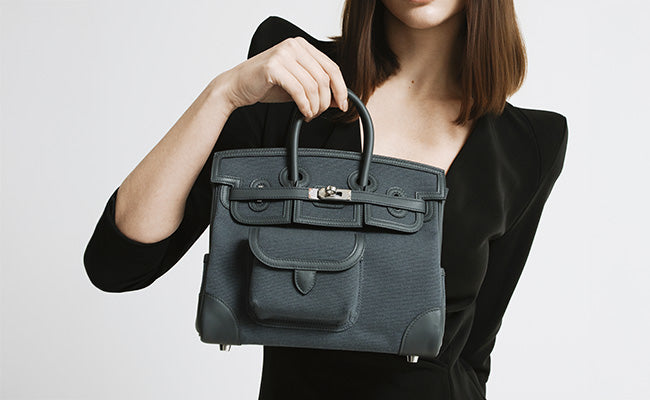


How Corner Wear Impacts Hermès Birkin Pricing in Consignment
TL;DR
Corner wear can meaningfully impact Hermès Birkin consignment pricing because buyers read the corners as a visible signal of overall care, storage, and use. Clean, sharp corners support stronger resale confidence, while rubbing, fading, compression, or exposed leather usually lowers buyer confidence and can lead to a more conservative valuation. For sellers, the best approach is to understand how condition grading works, disclose wear clearly, provide detailed photos, and work with an expert resale partner that can position the bag accurately for today’s market.
Check out our Hermès collection and Birkin bags!
On a Hermès Birkin, the smallest details can change the way buyers see the entire bag. Corners are one of the first areas specialists check because they carry the most visible signs of handling, storage, and daily use. In the Hermès Birkin resale market, corner wear is not just a cosmetic detail. It can influence condition grading, buyer confidence, pricing expectations, and how quickly a bag sells on consignment.
When we evaluate Hermès Birkin bags for consignment, the corners are among the first spots we check. Buyers care about condition, and it is not only about appearance. Corner condition often acts as a stand-in for overall care, which is why it matters so much in valuation. This guide explains how corner wear develops, how it affects pricing, what buyers notice, and how sellers can best position a Birkin for resale.
Key Takeaways
- Corner condition directly influences Hermès Birkin resale pricing because it affects both condition grading and buyer confidence.
- Buyers often read visible corner wear as a sign of broader use, storage habits, and long-term care.
- Clear disclosure, strong documentation, and expert consignment positioning help sellers set realistic expectations and attract serious buyers.
Featured Products


Corner Wear and Its Influence on Hermès Bag Value
Corner wear affects Hermès Birkin and Kelly bag pricing more than many sellers expect. Corners take repeated pressure during normal use, and visible deterioration in these areas can quickly shape how buyers judge a bag’s condition and value.
How Corner Wear Develops on Birkin and Kelly Bags
Corner wear on Hermès bags starts with repeated contact on surfaces. Every time a Birkin 30 or Kelly is placed on a table, floor, car seat, or counter, the bottom corners press against the surface. That pressure flexes the leather and eventually creates signs of stress.
The structured design of Hermès bags makes corners more vulnerable. A Birkin 25 holds its shape with rigid construction and internal support, so the corners often take the impact first. Softer, unstructured bags spread out pressure more evenly, but the sharper corners of a Birkin 35 or Kelly can focus wear in smaller areas.
Material matters as well. Togo and Clemence leathers may show softening, scuffs, or surface rubbing differently from Epsom or Box calf. Exotic skins such as crocodile or alligator wear in their own way, with scale edges and surface texture requiring careful inspection.
Visible Signs of Edge and Corner Deterioration
At first, corner wear may look like light scuffing or subtle color fading on the leather edges. The protective finish can appear dull, and the texture may feel slightly rough. Early wear is often subtle and may only be noticeable in direct light or close-up photos.
If wear continues, the damage becomes more visible. Buyers may see creasing, cracking, peeling, or color loss where the bottom panel meets the side structure. On a Birkin, the four bottom corners are usually the most closely inspected, especially the front corners that often receive more contact during use.
Common corner wear indicators include light surface scuffing, color fading, rough texture along the edges, visible creasing, cracking, peeling finish, exposed leather underlayers, and rounded or softened corners.
Why Corners Matter for Structure and Longevity
Corner wear instantly signals a bag’s use history, and buyers factor that into pricing right away. This is not just about appearance. It also relates to how much life the bag appears to have left and how well the structure has been preserved.
When corner wear goes beyond the surface, it can affect the bag’s structure. Deep cracks, missing finish, or softened corners can make it harder for the bag to keep its original shape. Older Birkin 35 bags, especially those used often without careful storage, may show this more clearly.
Corner condition and overall value go hand in hand for Hermès bags across sizes and styles. A Kelly or Birkin with clean corners tells buyers the owner likely cared for it carefully and stored it properly. That impression can make buyers more comfortable paying a stronger price.
How Condition Grading Shapes Consignment Pricing
Condition grading turns visible wear into pricing strategy. For Hermès Birkin consignment, corner damage receives close attention because it is easy for buyers to see and difficult to ignore once noticed.
Pristine Versus Worn: Grading Standards Explained
Most luxury resale evaluations use condition categories such as pristine, excellent, very good, good, or fair. A pristine Birkin has little to no visible handling, even leather color, sharp corners, and hardware that appears carefully preserved.
An excellent condition bag may allow for minor signs of handling, but the corners should still appear clean and well preserved. Very good condition may include faint corner softening or light scuffing. Good condition typically includes more visible corner wear, scratches, patina, or signs of regular use.
Each step down in condition can influence the final consignment value. The exact adjustment depends on the model, size, leather, color, hardware, completeness, and current buyer demand, but condition remains one of the strongest pricing factors.
The Role of Corner Wear in Condition Assessments
Corner wear comes up in almost every Hermès resale evaluation because those points take the most stress. Specialists check for corner rub, compression, color loss, surface dryness, cracking, and whether the structure remains firm.
A little softening may still keep a bag in an excellent or very good condition category, depending on the rest of the piece. Moderate rubbing and visible color change may move the bag into a lower grade. Severe damage, exposed underlayers, or misshapen corners can place the bag into a more conservative condition category.
Common assessment points include corner rub, compression, color transfer, press marks, edge softening, and texture changes. Together, these details tell the story of how the bag was used, stored, and maintained.
Factors That Drive Birkin Valuation Beyond Corners
Corner condition matters, but it is not the only factor that shapes Birkin resale value. Leather type, size, hardware, color, accessories, and documentation all influence buyer confidence and listing performance.
Leather Type and Finish
Togo and Clemence leathers are common in the Hermès resale market because they are textured, practical, and familiar to many buyers. Togo has a fine grain and generally holds structure well, while Clemence is softer and more relaxed. Both can perform well in consignment when condition is strong.
Box calf is more delicate from a resale presentation perspective. Its smooth finish can make scratches and surface marks more visible, which means buyers may expect cleaner examples when paying a premium. Epsom has a structured, embossed finish, but pressure marks and edge wear can still affect desirability.
Exotic skins sit in their own pricing category, but material alone does not outweigh condition. A rare skin with visible wear still requires careful pricing, while a more common leather in excellent condition can attract stronger interest from buyers seeking confidence and wearability.
Size and Model Preferences
Birkin 25 and Birkin 30 bags are especially desirable in many resale settings because they align with current collecting and styling preferences. Smaller sizes can feel more versatile for collectors who want a refined everyday or occasion piece.
Birkin 35 bags attract a different buyer. They often appeal to clients who want more function, presence, or capacity. Birkin 40 bags have a more selective audience and may require more precise positioning, especially if there is visible wear.
| Size | Market Position | Buyer Consideration |
|---|---|---|
| Birkin 25 | Highly desirable | Condition and rarity are closely scrutinized |
| Birkin 30 | Broad resale appeal | Strong balance of function and collectibility |
| Birkin 35 | More practical and selective | Condition can strongly influence buyer response |
| Birkin 40 | Niche audience | Requires careful pricing and presentation |
Hardware, Accessories, and Completeness
Palladium and gold hardware are widely recognized and generally easy for buyers to understand. Rose gold and brushed finishes may appeal to specific collectors, particularly when paired with desirable colors or recent production.
Complete sets matter more than many sellers realize. Original boxes, dust bags, care booklets, ribbons, receipts when available, clochette, lock, and keys all help support buyer confidence. A Birkin with its core accessories can feel more complete and easier to trust than a similar bag sold without them.
Missing pieces do not always prevent a sale, but they can affect perception. Buyers may wonder how the bag was stored, handled, or maintained. For top-tier listings, completeness supports a stronger presentation.
The Role of Buyer Psychology in the Resale Market
Buyer confidence in Hermès resale comes down to availability, authenticity, and condition transparency. A buyer may love a bag’s color and size, but visible wear or unclear disclosure can quickly slow down the decision.
Scarcity and Immediate Availability
Birkin resale offers something boutiques rarely provide: certainty. In the resale market, buyers can see the exact bag, inspect its specifications, review its condition, and decide whether it fits their collection.
Scarcity feels different in resale. In retail, scarcity is often about allocation and timing. In resale, scarcity is about unique inventory. Each Birkin has its own color, leather, hardware, year, condition, and story.
Many buyers first come to resale for access, then stay because they appreciate the control. They can compare several Birkins, evaluate condition differences, and make a decision based on what is actually available rather than waiting for an uncertain offer.
Trust in Authenticity and Condition Disclosure
Authentication is central to Hermès resale. The stakes are high, the details are technical, and buyers want more than general reassurance. They want confidence that the bag has been reviewed carefully and described accurately.
Condition disclosure is equally important. A new boutique bag is expected to be pristine. A consigned Birkin must be evaluated on its actual condition, which means corner wear, hardware scratches, patina, interior marks, and structure should be clearly shown and explained.
Buyers often accept flaws when they are disclosed honestly. What damages confidence is omission. A bag with visible corner wear, priced fairly and described clearly, can feel more trustworthy than a bag labeled excellent with issues that appear later in photos or in person.
How Hermès Price Changes Affect Resale Expectations
Retail price changes can influence how both buyers and sellers think about consignment, but resale pricing still follows its own rules. Condition, scarcity, size, color, leather, and buyer demand all matter.
Retail Pricing and Market Ripples
Hermès may adjust retail pricing over time, and those changes can influence how sellers think about their bags. However, a higher boutique price does not automatically mean every resale Birkin increases by the same amount.
Buyers compare the full picture. They consider the resale premium, the condition grade, the desirability of the exact specification, and the confidence they feel in the seller. When retail pricing changes, buyers may become even more attentive to condition details such as corner wear.
Seller and Buyer Expectations
Sellers often hope their bags will appreciate alongside retail increases, but the resale market plays by its own rules. Supply, condition, color, size, hardware, documentation, and availability all influence the final outcome.
Buyers now approach consignment strategically. They may value immediate access, but they still expect pricing to reflect condition. If a bag has visible wear, especially on the corners, it should be priced and presented in a way that aligns with the market and the buyer’s expectations.
Optimizing Hermès Birkin Sale Outcomes in Consignment
If you want to achieve the strongest possible result when selling a Hermès bag, focus on condition presentation, documentation, and expert positioning. These details build trust and help buyers feel confident.
Condition Strategies to Maximize Returns
Even small condition differences can influence how a Birkin is valued. Corner wear receives close attention because buyers can see it clearly and often use it to judge the rest of the bag.
Start with a professional assessment before listing. A specialist can evaluate how the leather, corners, structure, hardware, and accessories work together in the final condition grade. Light corner softening may still be acceptable in a strong listing, while deeper wear requires more careful pricing.
Storage and presentation also matter. Keeping the original dust bag, box, clochette, lock, keys, and relevant documentation can support credibility. Bags stored carefully, with corners protected and structure maintained, are often easier to position with confidence.
Consignment Listing Best Practices
Honesty about condition reduces buyer hesitation. Clear, close-up photos of all four corners in natural light help buyers understand the true condition before making an inquiry. For Hermès resale, buyers expect detailed reporting, not vague descriptions.
A strong listing should include photos of all four corners, leather type, year stamp or blind stamp details where appropriate, hardware finish, measurements, accessory completeness, and clear notes about any wear. Descriptions should be precise but not exaggerated.
Working with a consignment partner that understands Hermès authentication and condition assessment can make the process smoother. Serious buyers tend to prefer expert guidance, transparent condition reporting, and a seller who understands the value of trust.
Final Thoughts
Corner wear may seem like a small detail, but in Hermès Birkin consignment, it can shape condition grading, buyer confidence, and final pricing. Sellers who disclose wear clearly and position their bags with expert support are better prepared for a strong resale experience.
For a refined, transparent, and confidence-led selling process, Rome Station offers trusted Hermès resale expertise for collectors, private clients, and sellers across Canada.
Fact Check and Data Sources
This article is based on widely accepted luxury resale evaluation practices, including condition grading, visible wear assessment, accessory completeness, and buyer confidence factors. Brand-specific references to Hermès craftsmanship, leather goods, and Birkin category context should be understood through official Hermès materials where available, including Hermès.
Any discussion of resale value is directional rather than guaranteed. Final pricing depends on the exact bag, condition, leather, size, color, hardware, documentation, market demand, and expert authentication review.
Frequently Asked Questions
How much does corner wear affect Hermès Birkin resale pricing?
Why do buyers care so much about Birkin corner condition?
Can a Birkin with corner wear still sell well on consignment?
Which corner wear details should be disclosed when selling a Birkin?
Does leather type change how corner wear is judged?
Should I repair corner wear before consigning a Hermès Birkin?
How does Rome Station evaluate a Birkin with corner wear?
Love Hermès? See More from Rome Station
Add us to your Preferred Sources on Google to see our newest Hermès guides and insider tips first.