How Chanel Selects Leathers for Different Bag Categories
Check out our Chanel collection!
Chanel's leather choices aren't just about looks. The brand matches specific leather types to different bag categories based on durability, use, and how the bag is built. So that soft lambskin you spot on a clutch? It’s there for a reason, totally different from the tough caviar leather on a daily tote.
Getting a sense of how Chanel picks its materials gives you a peek into both their craftsmanship and the practical thinking behind luxury bags. The leather you get really shapes how the bag wears over time and how much fuss it needs. Collectors who pay attention to these differences usually end up happier with their purchases (and their bags look better for longer).
Chanel’s team looks at leather thickness, texture, scratch resistance, and how well each type supports quilting or hardware. Chanel has invested in tanneries and has said it works with tanneries in France, Italy, and Spain, using finishing techniques to balance beauty and function for every bag style.
Key Takeaways
- Chanel chooses leather types for bags based on durability and structure, not just how they look
- Lambskin fits formal or special occasion bags; caviar leather is for daily use designs
- Knowing about leather selection helps with authentication, care, and picking bags that fit your routine
The Art of Leather Selection at Chanel
Chanel’s process blends strict sourcing, hands on quality control, and a growing focus on sustainability. Chanel has said it prioritizes traceable, responsible supply chains and works with tanneries in parts of Europe to keep standards consistent.
Sourcing and Origins of Chanel Leathers
Chanel works with European tanneries, including suppliers in France and Italy, to support consistent quality and seasonal finishes. The calfskin for caviar and lambskin bags comes from hides that meet specific grain and thickness standards.
They work with tanneries that have long supplied luxury houses. These partnerships keep Chanel’s leathers consistent from season to season and let them access rare finishes, like the aged calfskin on Reissue 2.55 bags.
Each leather type calls for its own process and finish. Caviar leather is calfskin embossed to create its signature pebbled look, while lambskin is finished to stay smooth and soft. Goatskin needs an even grain for structured bags.
Chanel operates leather workshops at Verneuil en Halatte, north of Paris, where artisans make bags like the 2.55 and the 11.12 and inspect skins before they go into production. That development work helps leathers match the feel of each collection.
Quality Control and Craftsmanship Standards
Every hide that comes into Chanel’s workshops gets checked for thickness, color, and flaws. Artisans reject anything with scars, uneven grain, or odd dye results that might mess up the finished bag.
Chanel’s craftspeople cut pieces carefully to avoid flaws and get the most out of each hide. This selective process means bag quantities are limited, and explains why some colors or finishes disappear after a while.
They have strict rules for how leather should behave during construction. Lambskin has to drape smoothly; caviar needs enough body to hold its shape. Chanel checks each leather batch for flexibility, color fastness, and how it handles hardware.
Sustainability and Ethical Considerations
Chanel announced in 2018 that it would stop making products from exotic skins like python and crocodile, which was a big shift for them. This move lines up with the growing awareness around wildlife and ethical production.
Chanel has said it aims for supply chains that are traceable, sustainable, and responsible, and it works with tanneries in countries like France, Italy, and Spain. Chrome tanning still happens across the leather industry, but leather articles sold in the EU are subject to limits on chromium VI in items that touch skin.
When you buy a Chanel bag, you’re getting materials built to last decades, not just a season. The resale market shows how well Chanel leathers can age. Caviar and lambskin bags from the ‘90s still sell strong if they’ve been cared for. That longevity makes these bags a lot more sustainable than anything fast fashion offers.
Signature Chanel Leather Types
Chanel relies on a handful of core leather types for their bags, each picked for its feel and how it performs. Lambskin is all about softness, caviar leather brings durability, calfskin is versatile and comes in different finishes, and goatskin adds structure to many modern designs.
Lambskin: The Icon of Soft Luxury
Lambskin is probably Chanel’s most famous material. It’s from young sheep and has a super smooth, slightly shiny surface that just screams luxury.
Chanel lambskin feels soft and supple. That’s why it’s the go to for Classic Flaps and evening bags, where elegance wins out over practicality.
But let’s be honest. Lambskin scratches easily and shows wear from friction, water, and pressure. It’s really best for people who rotate their bags or save them for special days.
Iridescent lambskin gets a pearly coating that shifts color in the light. These limited editions can command higher prices, but need extra care to keep the finish looking good.
Chanel makes both quilted and smooth lambskin bags. Quilted hides small marks better, but both need regular conditioning with a colorless cream and should be stored in dust bags.
Caviar Leather: The Durable Favourite
Caviar leather is actually grained calfskin that’s embossed for that pebbled look. This process makes the leather more scratch resistant and able to handle years of use.
It feels firm, way firmer than lambskin. Each grain catches the light a bit differently, adding some depth. Chanel caviar leather is everywhere: Classic Flaps, Boy bags, WOCs.
For first time buyers, caviar’s a safe bet. It shrugs off scratches, rain, and bumps. It keeps its shape and doesn’t need much care beyond the occasional wipe with a dry cloth.
The downside? Caviar bags keep their structure and don’t soften much over time. Some people love that, others wish they’d break in a bit more.
Calfskin and Its Variations
Chanel uses several calfskin finishes beyond caviar. Aged calfskin has a distressed look for that vintage vibe on Reissue 2.55 bags. Wrinkles and marks are part of the charm.
Glazed calfskin is polished for extra shine but still resists scratches better than lambskin. You’ll see it in seasonal and limited collections.
Metallic calfskin gets metallic pigments for anything from a subtle shimmer to a mirror finish, depending on the bag. The coating can show wear, especially on corners.
Pebbled calfskin isn’t as uniform as caviar. Its grain is more organic, showing up on casual bags like the Deauville tote where toughness matters more than a formal look.
Quilted calfskin just means any calfskin with that classic diamond stitching, used across all sorts of finishes.
Goatskin and Other Special Leathers
Goatskin leather falls between lambskin and caviar for both feel and durability. It’s naturally grainy, which helps it resist scratches even without embossing.
Chanel uses goatskin in styles like the Boy bag, Chanel 19, and the Gabrielle line. It holds its shape but has more give than caviar, so bags keep structure but develop character with wear.
It feels a bit rougher than lambskin. That texture works well for designs with heavy hardware, where softer leather could pucker.
Iridescent leather isn’t just for lambskin. It pops up on caviar too. Chanel adds color shifting coatings for statement pieces that catch the eye. These need careful storage, away from sunlight and hard surfaces, to keep the finish intact.
Goatskin doesn’t need as much care as lambskin and feels more interesting than caviar. A simple wipe now and then keeps it looking good.
How Chanel Matches Leather to Bag Styles
Chanel doesn’t just toss any leather on any bag. They match leathers to bag types based on how the bag will be used, how it needs to hold up, and the look they’re after.
Classic Flap and 2.55 Reissue: Tradition Meets Innovation
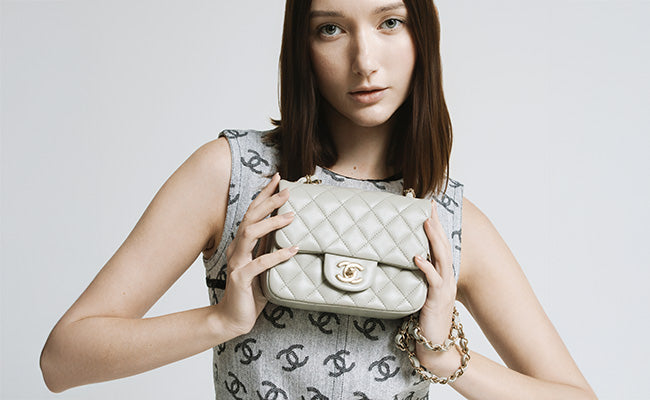
The Classic Flap mostly comes in caviar or lambskin. Caviar is everywhere because it stands up to daily use and keeps the bag’s quilted shape. The texture hides scratches, which is pretty important when you’re carrying a bag that costs more than some people’s cars.
Lambskin versions are for those who want that soft, luminous finish. They look and feel incredible, but you have to be careful. Corner wear and surface marks show up faster on lambskin than caviar.
The 2.55 Reissue is a different story. It usually features aged calfskin with a crinkled, vintage look that fits the bag’s heritage vibe. Scuffs just blend in. Some Reissues use softer, unstructured lambskin for a slouchier, more relaxed feel.
Boy Bag and Wallet on Chain: Modern Icons
The Boy Bag, launched in 2011, is more masculine and boxy. Caviar leather is standard because it’s tough enough for the chunky chain and hardware. The pebbled look matches the Boy’s edgy style better than delicate lambskin.
Seasonal Boy Bags sometimes use grained calfskin or goatskin for extra structure. These leathers keep the shape sharp. You’ll spot patent leather Boy Bags in limited runs, super shiny and definitely statement making.
The Wallet on Chain is all about practicality with a touch of elegance. Caviar is the default, since this little bag gets a lot of handling, under your arm, tossed in bigger bags, out for dinner. The crossbody strap and constant touching mean scratch resistance is a must. Lambskin WOCs exist but show wear faster around the edges and card slots.
Totes, Shopping Bags, and Seasonal Pieces
The Deauville Tote skips leather for the most part, using canvas with leather trim. Makes sense for a beachy, casual bag. When Chanel does make full leather totes, it’s usually caviar or goatskin for their structure and ability to hold up under weight.
Bigger shopping bags need leathers that won’t collapse. Grained calfskin is common here. It keeps shape without being heavy. The Chanel 19 Bag is intentionally slouchy, using soft, puffy lambskin that wrinkles on purpose.
Seasonal and runway bags are where Chanel gets creative. Patent leather, metallics, and iridescent finishes show up in limited editions, where the wow factor matters more than long term durability. Vintage Chanel bags from the ‘90s and early 2000s sometimes feature python or crocodile, but Chanel announced it would stop using exotic skins in 2018.
Exotic and Limited Edition Chanel Leathers
Chanel’s rarest bags use materials that really stand out, from python to galuchat. Since Chanel’s 2018 exotic skins announcement, pre owned bags with these leathers have become harder to find and can command a premium.
Galuchat and Stingray Leather
Galuchat, made from stingray or shark, is one of the most unique textures you’ll see on a luxury bag. It’s covered in tiny pearl like beads that catch the light, almost like jewelry.
Galuchat is tough and water resistant. It barely scratches and can get shinier with use. The center “crown” or “eye” is a natural feature often used as a focal point on the hide.
Chanel has released galuchat in limited runs and seasonal pieces. You’ll find them in classic colors like black, grey, and navy, but sometimes in bright shades too.
It’s a firm, structured leather, so bags keep their shape. After Chanel’s 2018 exotic skins announcement, authenticated galuchat pieces in great shape can sell for a premium.
Python, Alligator, and Crocodile
Python leather’s scale patterns are wild. Size and arrangement shift across the skin, so every piece is a bit unpredictable. Chanel used python on bold statement bags, sometimes in strong colors or with a shimmery finish that made the texture pop.
Alligator and crocodile sit at the top of Chanel’s exotic leather game. Alligator has smaller, neat rectangular scales, while crocodile brings bigger, more varied shapes and a pronounced center ridge. Both can age beautifully, picking up a deep patina over the years.
You’d mostly see these exotics on Classic Flaps, Boy Bags, or special orders, and the prices can hit five figures and up. Working with these skins takes real skill. Every scale has to line up just right, especially at the seams and corners.
After Chanel’s 2018 exotic skins announcement, python, alligator, and crocodile bags became harder to find. We double check these for authenticity since high prices always seem to attract fakes.
Patent and Iridescent Finishes
Patent leather is all about shine, glossy, mirror like, and impossible to ignore. Chanel gets that effect by coating calfskin or lambskin with a lacquer that bounces light in every direction.
A patent Chanel bag is a go to for evenings out or special events. But it’s a bit high maintenance; it picks up color from denim or dark clothes and can crease if you’re not careful. Storing it stuffed and wrapped in white tissue helps keep it looking sharp.
Iridescent leather takes things up a notch, shifting colors depending on the light. Iridescent caviar and calfskin show up by the mid 2010s, and collectors went nuts for the color changing effect.
You’ll spot both patent and iridescent leathers in everything from Wallet on Chains to oversize totes. They’re perfect if you want something that stands out from the usual classics.
Evaluating Leather Performance and Aesthetics
Chanel doesn’t just pick leathers for looks. They consider durability and visual appeal before matching them to bag styles. Scratch resistance matters for everyday bags, while texture and how the leather ages help decide if it’s better for evening or casual use.
Scratch Resistance and Durability
Caviar leather is hands down one of the most scratch resistant options Chanel offers. That pebbled texture hides small scuffs and daily wear, so it’s a strong pick for anyone who wants a bag they can actually use.
Lambskin is on the opposite end. It’s super soft but shows scratches and corner wear quickly. You can see this in secondhand Chanel bag prices. Pristine lambskin sells high, but noticeable wear can drop value fast.
Goatskin and aged calfskin fall somewhere in between. Goatskin’s natural grain resists scratches without being as textured as caviar. Aged calfskin’s already distressed look means new marks just blend in.
Patent leather, despite the drama, is pretty delicate. The shiny finish can crack or pick up color from other materials, so it’s not the best choice for a daily carry.
Texture, Shine, and Colour Performance
Texture is a big deal in Chanel’s leather lineup:
- Caviar: Pebbled, structured, matte to slightly glossy
- Lambskin: Smooth, soft, subtle sheen
- Aged calfskin: Wrinkled, vintage, some shine
- Patent: Mirror gloss, no grain at all
Color looks different depending on the leather. Caviar’s texture adds depth and shadow, while lambskin gives a more even, saturated color. Scratches on dark lambskin show up as lighter lines, but caviar hides them better.
Metallic and iridescent finishes can show up across different leathers, but they’re more common in seasonal drops than in the classic lineup.
Ageing, Patina, and Resale Value
Caviar tends to change less with age. That’s a big reason it often holds value well when it’s kept in good condition.
Lambskin changes more. If you baby it, it can develop a soft glow that some collectors love. But scratches and corner wear are obvious, and condition makes a big difference in resale value.
Aged calfskin is made to look worn, so more use just adds to its character. People expect it to look vintage, so resale values can stay steadier than you’d expect.
Patent leather is tricky as it ages. Creases don’t come out, and the shine can dull or crack. That makes it harder to keep its value over time.
Care, Authentication, and Collecting Chanel Leathers
If you’re collecting or investing in Chanel, you’ve got to know how to care for each leather, spot fakes, and understand what makes certain bags collectible. Each leather needs its own care routine, and real versus fake usually comes down to details that knockoffs get wrong.
Proper Care for Each Leather Type
Caviar leather is low fuss. A wipe with a soft cloth after use keeps dirt out of the texture, and a bit of leather cream now and then helps. Stuff it with acid free tissue to keep its shape.
Lambskin needs more attention. Use a special conditioner, don’t let it rub against rough things, and rotate your bags to avoid corner wear. Leather spas can fix small scratches, but deep ones are usually permanent.
Aged calfskin is forgiving. Its distressed finish hides new marks. Just a light conditioning once or twice a year keeps it happy. Patent leather should stay away from other bags to avoid color transfer, and cotton dust bags work better than plastic for storage.
Authentication Tips for Leather Identification
First thing we check is the texture. Real caviar has rounded pebbling that feels solid, not plasticky. Fakes often get the grain wrong, either too regular or too fake looking.
Lambskin should be buttery with a gentle shine. If it feels stiff or has an unnatural gloss, that’s a red flag. Stitching is another giveaway: Chanel often has more than 9 stitches per inch, commonly around 10 to 11, within each quilted diamond.
Vintage bags need extra scrutiny. Older ones have different hardware and serial numbers. Before 2021, Chanel bags used serial number stickers and authenticity cards; in 2021, Chanel began switching to microchips inside many bags. When we check older Chanel for resale, we expect patina on aged calfskin, but we’re careful to tell it apart from damage on lambskin or caviar.
Collectible and Discontinued Leathers
Some Chanel leathers are just more valuable. Iridescent caviar and metallic finishes from limited collections can command a premium over standard colors. Since Chanel announced it would stop using exotic skins in 2018, pre owned python and alligator pieces are harder to find and often priced accordingly.
Vintage lambskin bags in burgundy or navy from the ‘90s are hot right now. Those colors barely show up in new collections. Bold patent colors (like red or purple) attract collectors too, but condition matters a lot since patent can crack.
The resale market really loves medium Classic Flaps in black caviar, versatile and tough. Still, rare leathers or discontinued styles can outperform the basics if they’re in excellent shape.
Frequently Asked Questions
Chanel’s leather choices come down to quality, source, and how they want each bag to function. They look at feel, appearance, and durability to match leathers to different bag styles.
What are the telltale signs of premium leather quality in Chanel handbags?
Top quality Chanel leather feels supple but solid, not flimsy or stiff. The grain is even, with no odd patches or discoloration.
We check for tight, neat stitching that hugs the leather, and hardware that’s firmly attached with no gaps. The finish should be consistent across the bag, with smooth seams and edges.
There’s also a subtle, natural smell, never plasticky or chemical. Press the leather gently; it should bounce back, not hold a dent. Inside, the lining should be just as clean and well finished.
How does Chanel's selection process for leathers enhance the durability and longevity of their bags?
Chanel selects leathers for strength, finish, and long term wear, then matches each leather’s thickness to the bag’s structure. Classic Flaps tend to use denser skins to hold their shape, while slouchier bags use softer leather.
We’ve also noticed stress points like corners and straps often get extra support. That’s a big reason these bags can last, even with regular use.
Can you identify the factors that influence the tactile feel and appearance of leather on Chanel classics?
Finishing makes a big difference. Caviar gets embossed for that pebbled look, while lambskin is finished to stay smooth and soft.
Thickness matters too. Thicker skins feel firmer and hold structure better, while thinner skins feel lighter and more flexible.
What role does the leather's origin play in Chanel's choice for their handbag collections?
Chanel has said it works with tanneries in France, Italy, and Spain as part of its supply chain. Consistent sourcing helps the house keep materials and finishes stable across seasons.
Where the leather comes from can affect its grain, density, and finishing options. That’s why long term supplier relationships matter for consistency.
How does Chanel balance traditional craftsmanship with modern techniques in their leather selection?
Chanel still relies on artisans to hand inspect hides for flaws, just like in the old days. But they also use modern tools for consistent color matching so bags stay aligned across seasons.
They use finishing steps that protect against water and stains while still keeping the leather feeling like leather.
In what ways does the type of leather dictate the final aesthetic and function of different Chanel bag categories?
Caviar leather’s textured surface does a great job hiding daily wear, so it’s perfect for crossbody styles and totes that get handled a lot. The pebbled finish helps the bag stay looking polished, even after years of use.
Lambskin, on the other hand, feels smooth and luminous, giving off a more elevated vibe. It’s delicate, so it’s not the most practical, but it shines when you want that extra bit of luxury.
Aged calfskin comes with a deliberately distressed look, making it a natural fit for vintage inspired designs like the Reissue 2.55. Since it already looks a bit worn, new scratches blend in with the patina instead of screaming for attention. Patent leather’s high gloss finish turns heads and makes for bold statement pieces, though it’s not the most versatile. Colour transfer and creasing are real concerns.
Love Hermès? See More from Rome Station
Add us to your Preferred Sources on Google to see our newest Hermès guides and insider tips first.