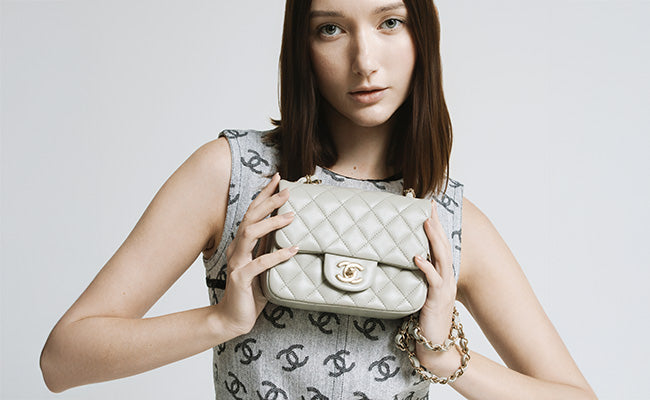

How Chanel Price Increases Affect Resale Demand in the Consignment Market
Check out our Chanel collection!
Chanel's ongoing price hikes have created an interesting shift in the luxury consignment world. Demand for pre-owned pieces keeps climbing, even as retail prices soar.
In August 2025, the brand bumped U.S. handbag prices by 4-7% across most core styles, pushing the Medium Classic Flap to a wild $11,300.
These hikes push buyers into the consignment market, where they can grab authentic Chanel bags at slightly more reasonable prices, and sellers get to enjoy stronger resale values on bags they've held for years.
Chanel bag prices have more than doubled since 2016. The Medium Classic Flap, which was $4,900 less than a decade ago, now sits well above $11,000.
This shift has changed how collectors approach the secondary market. Pristine bags from just a few years back often sell for what people paid new, or even more.
The way Chanel's retail pricing strategy ripples through consignment is worth paying attention to.
If you want to buy, sell, or just hold onto your collection, understanding these trends can help you time things right and maybe even make a bit of profit along the way.
Key Takeaways
- Chanel’s price hikes have made consignment a more attractive entry point for buyers, and a better bet for sellers.
- Classic styles like the Medium Flap and Boy Bag see the strongest resale demand, thanks to their timeless look and limited availability.
- Buying pre-owned Chanel in excellent shape often beats retail value-wise, and still feels like a solid investment.
Understanding the Latest Chanel Price Increases
Chanel rolled out another round of increases in August 2025, bumping up most handbag styles by 4-7%. The Medium Classic Flap now costs $11,300. This fits the pattern we’ve seen for years, but the pace and scale of these hikes keep shaking up how collectors and first-timers think about the brand.
2025 Price Hikes and Impact on Key Styles
The August 2025 increase hit nearly every major Chanel handbag line. Classic Flap bags went up by $500 across all sizes. The Medium Classic Flap? $11,300. Small Classic Flap? $10,900. Maxi? $12,800.
Mini styles didn’t escape either. The Classic Mini Square jumped to $5,200, and the Mini Rectangular is now $5,400, both up 4%. The Boy Bag line saw similar bumps, with prices now between $6,700 and $7,600.
Other icons followed along: the Chanel 2.55, Chanel 19, and Chanel 22 all got pricier. Curiously, the Chanel 25 line didn’t budge this time, one of the few that stayed put.
These increases landed right before Matthieu Blazy’s debut collection in October 2025, which feels intentional, especially since Chanel’s been without a creative director since Virginie Viard left in June 2024.
Frequency and Timing of Chanel Price Adjustments
Chanel has raised prices at least once a year since 2016, but often it’s twice. The August 2025 hike was the biggest U.S. jump since March 2024, keeping up a steady, predictable rhythm for anyone tracking the market.
The Medium Classic Flap has gone from $4,900 in 2016 to $11,300 in 2025. That’s a massive leap, way beyond normal inflation. The Wallet on Chain and Boy Bag have climbed too, just not quite as steeply.
Price jumps usually land in spring and late summer, right before busy shopping seasons. Earlier in 2025, some thought the hikes might cool off, but August proved Chanel isn’t slowing down anytime soon.
Comparing Chanel Increases to Other Luxury Brands
Chanel’s pricing stands out, even among luxury heavyweights. Hermès, for example, usually bumps prices once a year early in the year. Chanel’s twice-yearly increases hit buyers more often.
The percentage jumps are similar, most luxury brands have gone up 4-8% annually lately, blaming higher production costs and demand. But Chanel’s frequent hikes add up faster.
One big difference: resale. Hermès Birkin and Kelly bags go for multiples of retail because of their scarcity. Chanel bags, even in pristine shape at places like Sotheby’s, usually sell closer to retail. Chanel’s resale demand is strong, but it hasn’t reached Hermès levels, at least, not yet.
Why Chanel Raises Prices: The Strategy Behind the Tag
Chanel’s approach to pricing is layered. They want to stay exclusive, cover real costs, and keep up with what other luxury giants like Hermès are doing.
Brand Positioning and Exclusivity Moves
Chanel uses price increases to cement its spot at the top. Moving the Medium Classic Flap from $4,900 in 2016 to $11,300 in 2025? That’s not just inflation, it’s a message. These aren’t just bags, they’re status symbols and investment pieces.
Higher prices create a sense of scarcity without actually making fewer bags. When you see regular 4-7% jumps, it nudges some buyers out, but draws in collectors who see value in holding long-term.
It also sets Chanel apart from brands like Burberry and Gucci. By pricing closer to Hermès, Chanel makes sure its Classic Flap and Boy Bag are mentioned in the same breath as the Birkin or Kelly. They know being “too attainable” isn’t an option at this level.
Economic Factors and Supply Chain Pressures
Real costs do play a role. Production got pricier during COVID, leather, labor, manufacturing, all of it. Inflation in raw materials is still a hassle.
Chanel sticks to making bags in France and Italy, where labor isn’t cheap. Their commitment to European craftsmanship means higher overhead. Tariffs and trade issues, especially in the U.S., add another headache.
But honestly, rising costs don’t tell the whole story. Other luxury groups like LVMH and Richemont face similar challenges, yet Chanel pushes prices harder. It’s as much about market positioning as it is about covering costs.
Following Hermès and Luxury Market Influences
Chanel keeps a close eye on Hermès, the gold standard for luxury pricing. Hermès has waitlists for their top bags, and Birkins can sell for multiple times retail at auction. Chanel wants that kind of buzz for the Classic Flap.
The resale gap says a lot. A pristine Chanel Medium Classic Flap at Sotheby’s sells near retail; Hermès pieces, though, go for way more. Chanel keeps raising prices, maybe hoping to close that gap.
There are signs Chanel might be easing off the gas after some pushback. The market has its limits, and even loyal collectors can get priced out. Lately, it feels like Chanel is focusing more on long-term brand value than squeezing out short-term gains.
Chanel in the Consignment Marketplace
Chanel’s rising retail prices are changing the game for buyers and sellers in consignment. Pre-owned purchases look more appealing, and authenticated vintage pieces are in higher demand than ever.
How Price Increases Affect Resale Demand
When Chanel pushed prices up by 4-7% in August 2025, the Medium Classic Flap hit $11,300, and buyers started looking elsewhere. Many who might have gone to a boutique now hunt for pre-owned options.
A Chanel bag bought two years ago can now sell for what you paid, or even more. That’s wild. Sellers on The RealReal and Fashionphile can list bags at prices that beat the boutique but still make a tidy profit.
So, the consignment market wins on two fronts. Buyers get top-quality Chanel for less than retail, and sellers know their bags hold value, making that initial splurge feel smarter.
Classic styles in neutral colors? Those are always hot. They keep their value best in the resale world.
Key Trends in Pre-Owned Chanel Sales
Buyers have clear favorites. Classic Flap bags in black caviar or lambskin leather always attract the most attention and fetch prices closest to retail.
Limited editions like the Chanel Graffiti Art School Backpack from 2014 or rare Chanel minaudières often sell for more than their original prices. Collectors who missed out the first time are eager to pay up for these.
Vintage is having a real moment, too. A Medium Classic Flap from the 1990s, which sold for around $1,200 back then, can now go for over $7,000. Collectors love tracking down bags from specific years, treating them as both fashion and investments.
Condition is huge. Bags in mint shape, with original packaging and receipts, get premium prices. If a bag shows wear, expect a steeper discount.
Consignment Platforms and Global Demand
Big consignment platforms have stepped up to handle the Chanel rush. The RealReal and Fashionphile now offer authentication, buyer protection, and global shipping to reach customers worldwide.
They make it easy for sellers, too, handling authentication, photos, listings, and shipping. Depending on the platform and payment choice, sellers usually get 60-85% of the final sale price.
Chanel’s global appeal is undeniable. Demand is especially high in Hong Kong, London, and New York, where auction houses and resellers have entire departments dedicated to handbags.
Consignment also opens the door to styles you just can’t find in boutiques anymore. Discontinued colors, seasonal releases, and vintage pieces create a marketplace full of surprises for collectors who want something different.
Chanel Bag Styles with the Strongest Resale Demand
Some Chanel styles always outperform the rest in consignment. Classic designs and limited releases draw the highest prices. The Classic Flap is king, but Boy Bags and discontinued pieces are hot tickets for serious collectors.
Classic Flap and Iconic Models
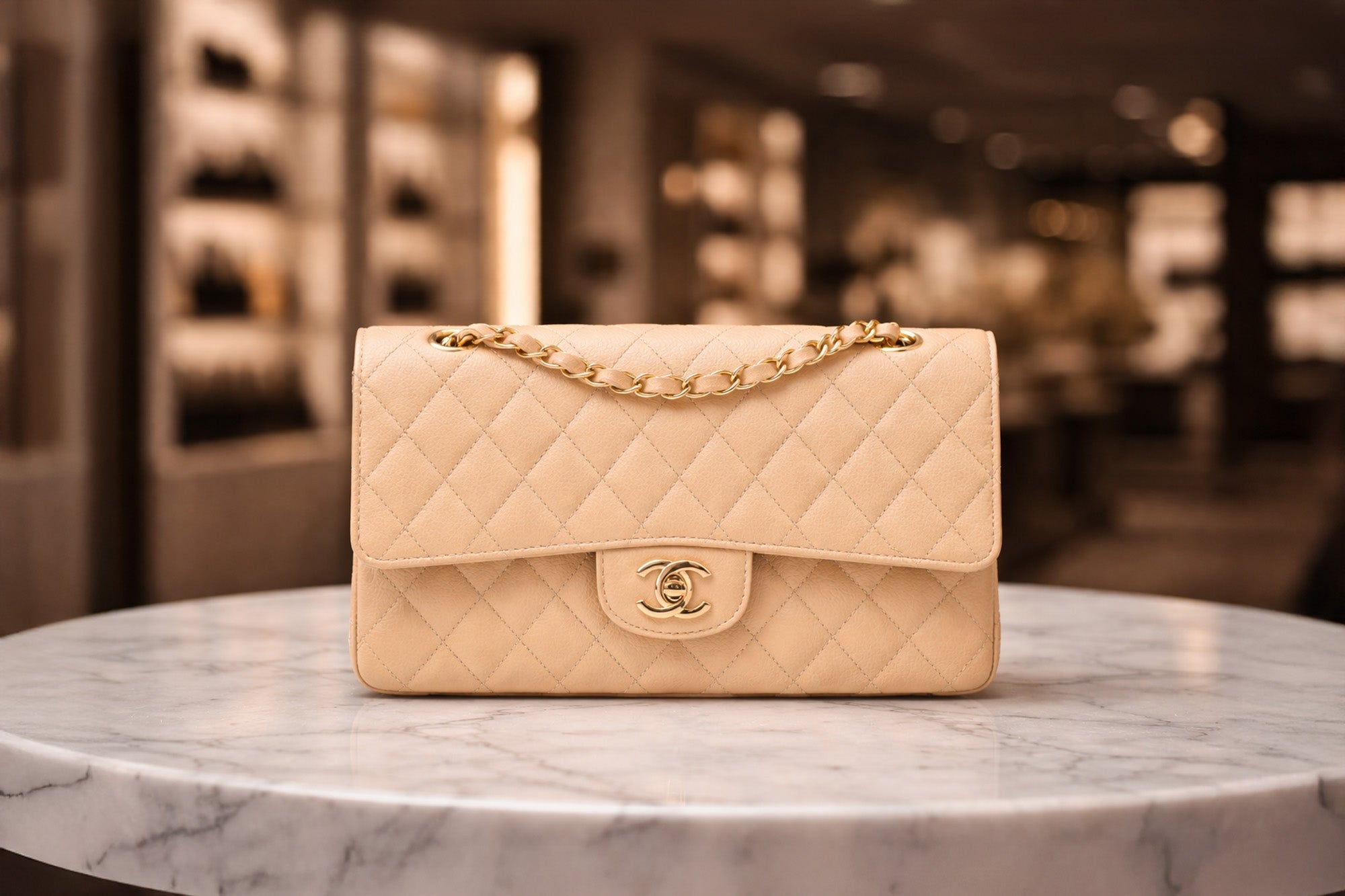
The Chanel Classic Flap is at the top of every wish list. It often sells close to (or above) current retail, especially if it’s pristine and in a neutral color like black or beige. The Medium Classic Flap, retailing at $11,300, sometimes matches or beats that price on the resale market if it’s in great shape.
The Chanel 2.55 and its modern reissues hold their own, too. These bags have decades of history and the mademoiselle lock collectors love. Vintage 1990s models have sold for over $7,000, despite originally costing only about $1,200.
Mini Square and Mini Rectangular bags are getting more popular. At $5,200 and $5,400, they appeal to buyers looking for an entry-level Chanel. Smaller size doesn’t mean smaller resale value, they hold strong.
Boy Bag and Wallet on Chain Standouts
The Boy Bag has carved out its own following. With prices now between $6,700 and $7,600, demand is solid for both new and older versions. Its edgier vibe brings in a different crowd than the Classic Flap, which helps keep resale prices steady.
The Wallet on Chain is a smart choice for new collectors. Its price has risen a bit slower than the Classic Flap, so it’s more approachable, but still holds up well in resale. It works as a wallet or crossbody, so it appeals to a wide range of buyers.
Both benefit from Chanel’s regular price hikes, which boost the value of older inventory compared to what’s in boutiques now.
Limited Editions and Discontinued Releases
Limited editions and discontinued styles get the biggest premiums. The 2022 CC "In Love" Chanel Heart Bag is a perfect example, collectors are constantly searching for these hard-to-find pieces. If one turns up in great shape, it usually sells for well above retail.
The Chanel Graffiti Art School Backpack from 2014 and various Minaudières often fetch much more than their original prices. These rare bags are more like wearable art than accessories, and scarcity only pushes prices higher.
Bags from previous creative directors are getting more attention, too. With Virginie Viard out in June 2024 and Matthieu Blazy stepping in, collectors are snapping up styles from recent seasons, figuring they’ll soon be even tougher to find.
Market Dynamics: Supply, Scarcity, and Global Factors
Chanel’s pricing strategy isn’t happening in isolation. A lot of market forces, think supply restrictions, currency swings, and trade rules, shape how price hikes ripple through the consignment world.
Limited Supply and Waitlists
Chanel’s been taking cues from Hermès, especially when it comes to controlling how many bags hit the shelves. They intentionally limit boutique inventory, creating that “can’t-get-it-anywhere” vibe. Waitlists for the Classic Flap and Boy Bag have gotten ridiculous, with some shoppers waiting months just for a shot.
This engineered scarcity sends buyers straight to the consignment market. If you can’t get your dream bag in-store, you’ll look elsewhere, and that pushes up the value of pre-owned pieces.
Hermès has played this game forever with the Birkin, but Chanel’s only ramped things up in recent years. It’s made the secondary market a battleground, especially for rare colours and limited editions that often fetch well over retail.
Currency Fluctuations and Regional Pricing
Exchange rates are a big deal for luxury shoppers and resellers. When the euro’s strong, buying in Europe gets pricier for outsiders. But if the euro dips, suddenly Europe’s a bargain.
Chanel doesn’t raise prices equally everywhere. That creates regional price gaps, and savvy collectors know how to play the system. For example, a Medium Classic Flap can cost a lot less in Paris than New York, even after accounting for VAT refunds.
These differences drive where the action is on the resale market. If one country’s prices drop, buyers swoop in. Some collectors watch exchange rates as closely as they watch Chanel’s next price hike.
Tariffs, Trade, and Cross-Border Arbitrage
Tariffs on European luxury goods have made the U.S. one of the priciest places to buy new Chanel bags. So American shoppers are more likely to hunt consignment deals or buy abroad.
Resellers take advantage of these price gaps. They buy where it’s cheaper and sell where it’s not, pocketing the difference. It’s not just about new bag prices, these policies change how pre-owned bags move around the world.
Consignment platforms have to keep an eye on tariffs and trade rules when they’re deciding how to price and source inventory.
Investment Value: Holding, Buying, and Selling Chanel Bags
Chanel bags aren’t just accessories, they’re assets that move with retail price shifts. Buyers and sellers who pay attention to timing can do surprisingly well.
The way resale values react to price hikes shapes when to buy, sell, or hold, and how Chanel stacks up against other luxury investments like Hermès.
How Resale Values Track Price Hikes
Every time Chanel bumps up retail prices, the secondary market responds fast. When they raised prices 4-5% in August 2025 (about $500 more for Classic Flaps), pre-owned bags instantly got pricier on places like FASHIONPHILE and The RealReal.
Let’s look at the numbers. A Classic Jumbo Flap bought for $6,400 in 2019? Now it’s $12,200 new in 2025. That’s a 91% leap in six years. Well-kept bags often sell above their original price.
You’ll rarely find pre-owned core styles like the Medium Double Flap or Reissue 2.55 listed below current retail. Limited editions and vintage pieces can go for multiples of what they once cost. Chanel’s steady price hikes create a kind of safety net, values don’t crash the way they might for other brands.
This trend isn’t just for the Classic Flap. Chanel 19, Chanel 22, Boy Bags, Wallet on Chain, they all ride the same wave.
Best Timing to Buy or Sell Pre-Owned
Right before Chanel announces a price increase? That’s when sellers have the upper hand. Buyers rush to snag bags before the next jump, so things move quickly.
If you’re selling, list your bag two to four weeks ahead of a rumored hike. Buyers who track these cycles can sometimes score deals right after a price increase, before pre-owned prices catch up.
Best times to buy:
- Just after a price hike (before resale adjusts)
- Mid-year, when there’s a lull between big announcements
- When a bunch of certain styles or colours hit the market
Best times to sell:
- 2-4 weeks before a price increase
- After a hyped limited edition launches
- When boutiques are low on stock
There’s a noticeable uptick in consignment activity mid-year, when everyone’s bracing for the next round of price hikes. Bags sell faster during these windows than in slower retail cycles.
Comparing Chanel to Other Investment-Grade Bags
Chanel’s in a league of its own. Hermès Birkin bags might appreciate faster and have infamous waitlists, but Chanel offers easier entry and still holds value.
The Chanel Classic Flap has jumped 665% since the ‘90s, from $1,150 to over $11,000. That’s on par with some traditional investments, and you can actually use the bag. Hermès bags might rise faster, but you’ll need more upfront cash and a lot of patience to get one.
On resale platforms, Chanel bags move fast, second only to Hermès. Regular price increases mean built-in appreciation, something Louis Vuitton or Gucci can’t really match.
Quick comparison:
| Factor | Chanel | Hermès Birkin |
|---|---|---|
| Retail accessibility | Usually in boutiques | Waitlist or allocation only |
| Entry price point | $4,000-$12,000+ | $10,000-$50,000+ |
| Resale demand | High and steady | Extremely high, rare supply |
| Appreciation rate | 90%+ in 6 years | 100%+ in similar spans |
For collectors, Chanel’s easier to buy and sell. Classic Flaps are liquid, try selling a Birkin overnight and see how that goes. Both are investment-grade, but Chanel feels a bit more approachable.
Frequently Asked Questions
Chanel’s price moves shake up the consignment market, affecting everything from resale values to how buyers act. Here’s what collectors and shoppers are asking right now.
What drives the surge in resale value for Chanel bags post price increase?
Simple: when Chanel hikes retail prices, pre-owned bags look like bargains by comparison. People want to save, so they buy before prices go even higher.
It doesn’t hurt that boutiques can rarely meet demand. If you can’t find your dream bag in-store, you’ll pay a premium for it secondhand. This extra demand props up resale prices.
Condition and authenticity matter a lot. Bags in top shape with full packaging and receipts get prices closest to retail. If a bag shows wear, expect a discount.
How does the jump in Chanel's retail prices impact consignment market trends?
Recent 4-7% price hikes (August 2025) have pushed more buyers to consignment. Why pay $11,300 for a new Medium Classic Flap if a gently used one is thousands less?
That $500 bump made older pre-owned and vintage bags especially appealing. A 1990s Medium Classic Flap selling for $7,000 at auction is a deal compared to today’s retail, even if it’s decades old.
Sellers who bought before the hikes can now list at a profit, making consignment more attractive as an exit, not just a way to offload unwanted bags.
Can we expect resale Chanel bags to hold their value in light of continuous retail price hikes?
History says yes, at least for now. The Medium Classic Flap more than doubled in retail price since 2016, and resale values followed.
But it’s not a guarantee for every bag. Neutrals and classic sizes hold up best. Trendy or less popular colours? Not so much. Condition still trumps everything.
If Chanel keeps this up, a Medium Classic Flap could top $20,000 retail in five years. Will resale values keep pace? Hard to say, buyers have their limits, even in luxury.
What's the savvy shopper's guide to navigating consignment finds amidst Chanel's pricing fluctuation?
Timing is everything. After a retail price hike, there’s often a lag before consignment prices catch up, so act fast if you’re looking for a deal.
Stick to classic styles in great shape, with full documentation. The Mini Square ($5,200 retail) and Mini Rectangular ($5,400) are good entry points, especially if you find a recent one below retail.
Always compare consignment prices to current retail. Some platforms list pristine bags almost at retail, which only makes sense if the style’s sold out in boutiques. Aim for 15-25% below retail for real savings.
Is the consignment market seeing a shift in supply and demand following Chanel's price adjustments?
Supply has gone up, owners are cashing out while resale prices are strong. Bags bought years ago can now sell for as much or more than they cost new, so rotating collections or cashing out makes sense.
Demand’s shifting too. There’s more interest in discontinued and limited-edition styles, since their prices are “locked in” while everything else keeps climbing.
The Boy Bag, now $6,700 to $7,600 after recent hikes, is hot on consignment. Buyers see value there, since Classic Flaps are pricier both new and pre-owned.
How is buyer sentiment towards pre-loved Chanel items affected by the brand's new pricing strategy?
Acceptance of pre-owned Chanel has really taken off as retail prices keep climbing. What used to feel like a budget workaround now seems more like a smart move, people see consignment as a way to get the same luxury without the sticker shock.
That old stigma about buying pre-owned? It's fading, especially with younger shoppers who care about sustainability and, honestly, just want to be practical with their money.
If you can grab a pristine consignment bag for $9,000 instead of paying $11,300 retail, it doesn't feel like you're settling. It's just a clever way to shop.
Still, people worry about authenticity. Most buyers now stick with well-known auction houses or verified consignment sites. They're okay paying a bit more for peace of mind, real bags, real policies, no nasty surprises.