
How Chain Thickness Influences Van Cleef & Arpels Resale Value
Check out our Van Cleef & Arpels collection!
When people sell Van Cleef & Arpels jewelry, they usually zero in on the gemstones or the collection name. But there's this other, less obvious detail that quietly shapes what buyers will pay: the chain thickness.
Chain thickness can really sway Van Cleef & Arpels resale value, affecting both durability and how the piece looks, with some collections fetching higher prices for their trademark delicate or chunky chains.
Collectors react differently to thin and thick chains in the various Van Cleef lines. Take the Alhambra line; it has certain chain gauges that are now part of its signature look. Swap in a replacement chain that differs from the original specifications, and resale value can decline noticeably. Stick with the original thickness, though, and you’ll usually maintain or even boost the piece’s worth.
If you know how chain thickness plays into value, you can price your jewelry more accurately and meet buyers' expectations. Whether it’s a dainty Frivole pendant or a bold Magic Alhambra necklace, the chain matters more in final offers than most sellers realize.
Key Takeaways
- Chain thickness influences Van Cleef & Arpels resale value through both perceived durability and collection authenticity.
- Pieces with original chain specs hold more value than those with swapped or modified chains.
- Thicker chains usually bring premiums in statement pieces, while finer chains work better for smaller motifs.
The Direct Impact of Chain Thickness on Resale Value
Chain thickness has a pretty direct effect on what pre-owned Van Cleef & Arpels pieces fetch. Thicker chains often have more precious metal and give off that solid, substantial vibe that luxury jewelry buyers seem to crave.
Why Chain Girth Catches the Eye of Luxury Buyers
Thicker chains just look and feel valuable. When you check out Van Cleef & Arpels jewelry on the resale market, those heftier chains carry more gold, which bumps up the basic metal value right away.
But it’s not just about gold content. A chunky chain screams luxury and durability, buyers investing in pre-owned Van Cleef & Arpels notice that. Thinner chains, though elegant, sometimes come off as a bit too fragile for some folks.
Weight really does matter here. Thicker chains weigh more, and since gold is priced by weight and purity, you get a higher starting point when selling. Buyers often pick up a piece and judge its worth by how it feels in their hand.
Balancing Durability and Elegance in Van Cleef Pieces
Van Cleef & Arpels really nails the balance between strength and elegance in their chains. Chains designed to balance durability and elegance typically fall within a moderate thickness range appropriate to each collection.
Thicker chains hold up better over time, which shows when it’s time to resell. A chain that hasn’t stretched or suffered link damage keeps its value much better than a thinner one that’s showing its age.
Even the delicate Van Cleef chains have impressive structure, but buyers tend to pay more for chains with both substance and style. For example, a 3mm chain on an Alhambra necklace gives you longevity without losing that feminine feel.
Common Chain Thicknesses in Popular Collections
Alhambra Collection:
- Standard necklaces: 2.5mm to 3mm
- Bracelets: 2mm to 2.5mm
- Long sautoirs: 2mm for that drapey movement
Perlée Collection:
- Beaded chains: 1.5mm to 2mm
- Bangles: 3mm to 4mm
The Alhambra’s usual 2.5mm chain balances delicacy and durability, which is probably why it does so well on the resale market. Thinner chains under 2mm look lovely but sometimes make buyers worry about longevity.
Chain Thickness Across Iconic Van Cleef & Arpels Collections
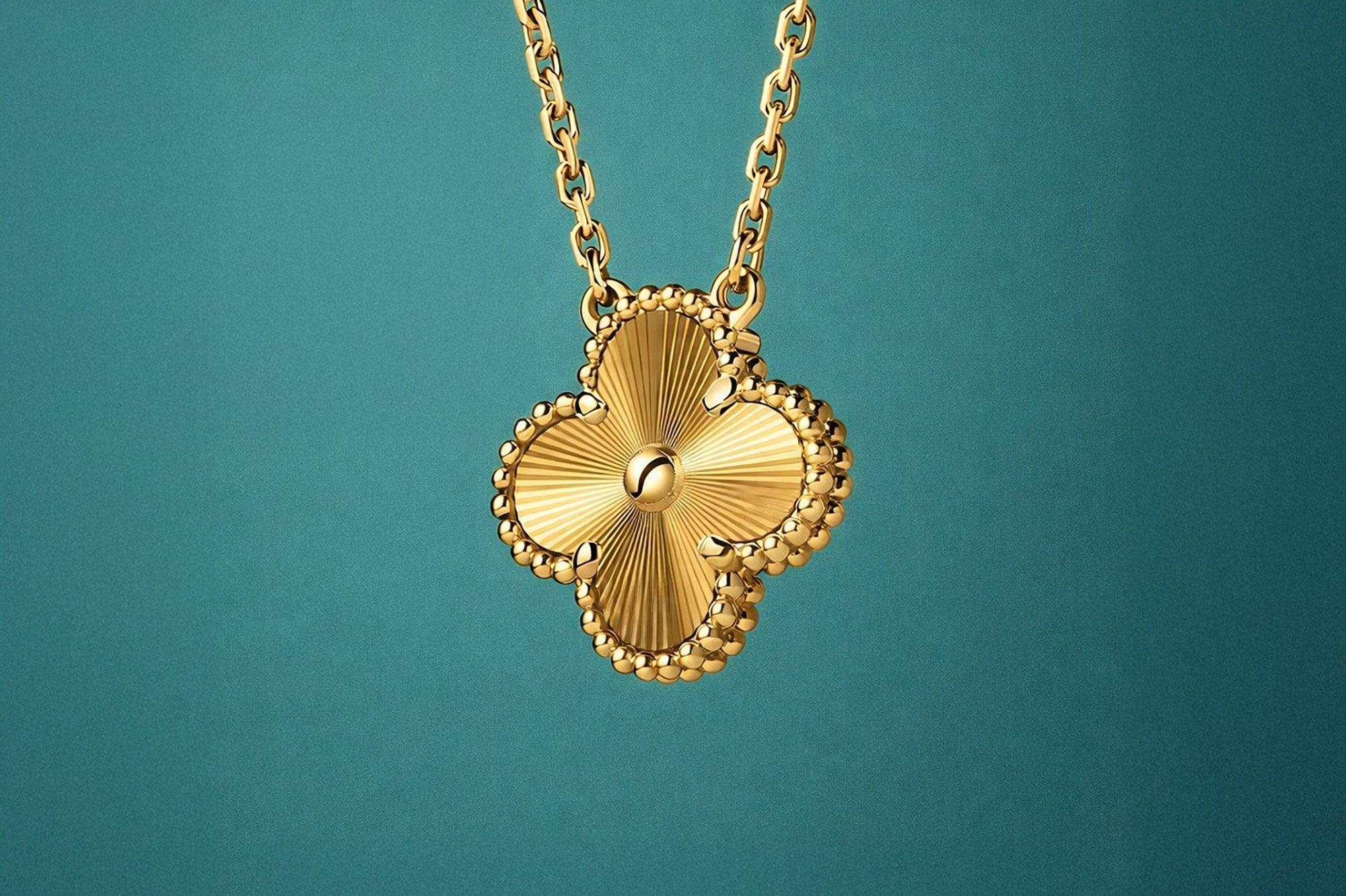
Different Alhambra lines use their own chain gauges, and that really shapes both how the jewelry looks and how it sells. The range goes from the ultra-delicate Sweet Alhambra to the hefty Magic Alhambra, with Vintage Alhambra sitting right in the middle as the classic standard.
Chain Gauge in Alhambra Necklace Variations
The Vintage Alhambra collection sets the benchmark for Van Cleef & Arpels’ chain standards. Its signature medium-gauge chain, typically measuring between 1.8mm and 2.1mm, features a distinctive diamond-cut cable design. These faceted links catch and reflect light in a way that standard smooth links cannot, providing the "sparkle" collectors expect.
While the aesthetic remains timeless, the chain gauge has evolved slightly over the decades; modern iterations are engineered to be sturdier and more substantial than the finer chains found on pieces from the 1970s and 80s.
This consistency within specific eras is a vital tool for authentication in the secondary market. Whether you are looking at a 16-inch (10-motif) or a 32-inch (20-motif) necklace, the chain thickness remains uniform. This standardization allows collectors to have predictable weight expectations, which directly influences the valuation and final offer price.
Sweet Alhambra Compared to Vintage Alhambra Chains
Sweet Alhambra chains are noticeably thinner, usually around 1.5-2mm. That works for the smaller motifs but changes the resale picture a bit.
Sweet Alhambra tends to attract buyers who want something subtle or stackable. The lighter chain means there’s less gold, so the melt value drops, but some buyers just love the understated look.
The price difference between Sweet and Vintage Alhambra comes down to both materials and how they’re positioned. Vintage’s chunkier chain helps it anchor the collection, while Sweet Alhambra is more of an entry-level piece.
Magic Alhambra and the Appeal of Statement Chains
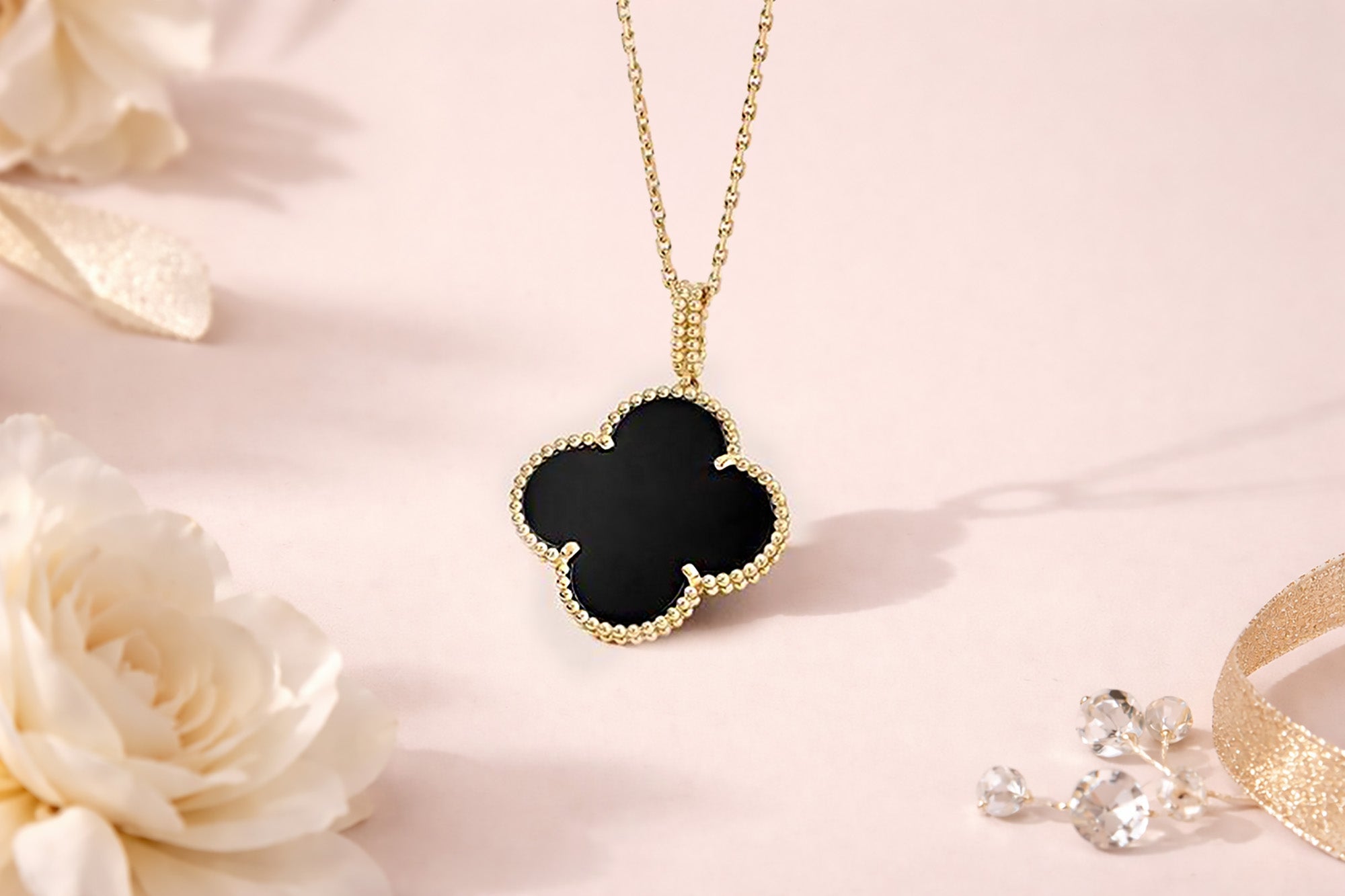
Magic Alhambra ramps things up with chains that are noticeably sturdier, typically around 2.5mm to 3mm, depending on the design. These are built to handle larger motifs and make a real statement.
That extra weight means more gold and, usually, higher resale values. Buyers looking at Magic pieces want that solid, substantial feel you just don’t get with thinner chains.
Statement chains like Magic Alhambra’s are rarer than the standard Vintage ones, and that scarcity, plus the extra gold, helps them hold value even when the market shifts.
Resale Value Differences: Thin vs. Thick Chains
When you’re selling Van Cleef & Arpels jewelry, chain thickness creates clear pricing tiers. The market values delicate and chunky pieces differently, based on both material and what’s trending.
Perceptions of Quality and Heft
Thicker Van Cleef chains usually bring higher resale prices, mostly because there’s just more precious metal. Buyers look at pre-owned Van Cleef & Arpels and immediately connect weight with gold value.
A heavy chain feels more luxurious. That tactile quality matters when you’re selling because buyers often associate heft with serious, investment-grade jewelry. Thin chains, while beautiful, can sometimes seem more like starter pieces.
But Van Cleef’s craftsmanship does add value, even for thin chains. Their delicate chains often involve intricate work that takes real skill. Some buyers appreciate this and are willing to pay above melt value for a finely made thin chain, though thick chains still tend to get better offers.
Trendiness and Desirability in Current Markets
The pre-owned Van Cleef & Arpels market shifts with trends. Right now, there’s solid demand for both dainty layering chains (1.5-3mm) and bold statement pieces (5mm+). The mid-range thicknesses? They sometimes hang around longer in inventory.
Thin chains work great with Van Cleef pendants, like the Alhambra, so they’re always in demand. Bolder chains pull in collectors who want their jewelry to stand out. Pieces that match current style trends, whether that’s minimalism or maximalism, tend to sell faster and closer to the asking price, no matter the thickness.
Complementary Factors that Amplify Value
Chain thickness isn’t the only thing that sets resale value. Documentation, original packaging, and condition all come into play and can make a big difference for buyers and collectors.
Certificates of Authenticity and Documentation
Authenticated pieces often command meaningfully higher resale prices than comparable items without documentation. Certificates of authenticity are hard proof of origin, which matters a lot when you’re selling through auctions or reputable dealers.
Original receipts help too; they show when and where the piece was bought and for how much. This reassures buyers that the jewelry hasn’t been altered since leaving Van Cleef.
Service records from Van Cleef & Arpels show the piece has been cared for. These records tell buyers it’s structurally sound. When we sell pieces with full documentation, we almost always see quicker sales and better offers.
Original Packaging and Presentation
That signature Van Cleef & Arpels box, pouch, and bag complete the whole experience. Original packaging can meaningfully increase buyer confidence and resale value, particularly for collectible collections like Alhambra.
Vintage packaging, especially from the 1960s through 1980s, is collectible in its own right. The different logos and materials make those old boxes pretty desirable.
Complete packaging matters most for certain collections. Alhambra pieces with their original pouches and boxes hold value better than those sold loose. This goes for bracelets, necklaces, and earrings, no matter the chain thickness.
Condition and Chain Maintenance
Chain condition has a big impact on resale, regardless of thickness. Scratches, dents, or stretched links can all lower offers. Condition plays a major role in resale outcomes, with well-maintained pieces retaining significantly more value than those showing wear.
Getting your jewelry professionally cleaned and serviced before selling is worth it. Van Cleef & Arpels boutiques can fix minor issues like loose clasps or tarnishing, and the cost usually pays off in a higher sale price.
Links should move freely, and clasps need to close securely. Any repairs should be done by Van Cleef & Arpels to keep authenticity, and value, intact.
Chain Thickness Considerations by Jewelry Type
Different Van Cleef & Arpels pieces need different chain specs, and knowing these helps you keep both function and resale value strong. Pendants, bracelets, and signature collections like Perlée each have their own requirements.
How Chain Gauge Matters for Pendants and Necklaces
Van Cleef pendant necklaces usually stick to chains between 1.5mm and 2.5mm. That’s enough support without overpowering delicate motifs like Alhambra or vintage butterflies.
Chains under 1.5mm can wear out early, especially where the clasp connects. You don’t see chains above 3.0mm much, except in men’s or statement pieces.
The brand keeps chain proportions consistent with their pendants. For example, a 20-motif Alhambra necklace uses about 2.0mm links, which keeps things balanced. Swapping in a mismatched chain, even if it’s authentic Van Cleef, can cut resale value by 15-25%.
Collectors really care about original specs. It’s a good idea to check gauge measurements against Van Cleef’s documentation before making any changes.
Bracelets, Between the Finger Rings, and Chain Style
Van Cleef bracelets use thicker chains than necklaces, usually 2.0mm to 3.5mm. The Sweet Alhambra bracelet is around 2.2mm, while Magic Alhambra uses a heavier 2.8mm chain for its bigger motifs.
Between the finger rings are a different beast. They connect two rings with delicate chains, usually 1.2mm to 1.8mm thick. The chain needs to flex but not tangle.
Rings with chain elements get premium prices if the chains are original and intact. If the chain is kinked or replaced, value drops a lot. The construction is specialized, and experienced buyers can spot non-original chains right away.
Perlée Rings and Unique Chain Detailing
The Perlée collection is a bit different, no traditional chains here. Instead, you get beaded gold edging, each bead about 1.5mm across, creating that signature look.
These beads connect directly, forming a solid, unified surface. Perlée rings come in single, double, or triple rows, but the bead size stays the same.
Perlée rings are tougher than chain-link rings for daily wear. The solid beaded design resists stretching and misshaping. Collectors especially prize unworn Perlée rings where the beads are still perfectly round and evenly spaced.
Expert Tips: Maximizing Your Van Cleef & Arpels Sale
Working with the right buyer and knowing where to sell can really change what you get for your Van Cleef pieces. Honestly, the difference between a so-so offer and a great one usually comes down to who you trust and what they know about the market.
Choosing the Right Luxury Jewelry Buyer
Not everyone out there gets what makes Van Cleef & Arpels special. If you want a fair shot at top dollar, stick with buyers who focus on high-end brands, not your average jewelry shop or pawn broker.
Try to find buyers who have GIA-certified appraisers on their team. These folks actually know how to spot the little things that make Van Cleef stand out, like Mystery Set techniques or those perfectly polished Alhambra motifs.
What to look for:
- Real experience with Van Cleef & Arpels
- A clear and honest evaluation process
- Pricing that reflects current market trends
- Secure, straightforward transactions
A good luxury jewelry buyer will notice details others miss: production years, rare clasps, limited editions. Plus, they usually have connections to collectors who are actively hunting for Van Cleef, which can mean much better offers for you.
Where to Sell Van Cleef for Top Offers
There are basically three main ways to sell Van Cleef jewelry, and each has its own perks. Most people get the best mix of speed and value from dedicated luxury jewelry buyers.
Auction houses are an option if you’ve got something super rare or worth over $50,000, but they’ll take 15-25% in commission and the process drags on for months. Online marketplaces like Vestiaire Collective put you in front of global buyers, but you’re dealing with shipping risks and the headache of authentication disputes.
Specialized buyers who focus just on luxury brands, offer immediate payment, real authentication, and competitive prices, no seller fees. If you go this route, you’re tapping into networks of collectors who don’t mind paying a premium for authentic Van Cleef in good shape.
Frequently Asked Questions
Chain thickness on Van Cleef & Arpels pieces directly affects both how sturdy they are and how they look, so yeah, buyers really do care. The way gauge impacts resale value changes a lot depending on the collection. Some designs get a boost from heftier chains, while others do better with something more delicate.
Does a beefier chain on a VCA piece ensure a better resale price?
Not always. Thicker chains usually mean more gold and a sturdier feel, which some buyers love. But unless the chain matches the original design, you might not see that extra value.
We’ve noticed that swapped or replaced chains, even if they’re chunkier, often hurt the value because they mess with authenticity. Buyers pay the most for pieces that stick to the original specs.
Take the Alhambra collection. A 20-motif necklace with its proper chain thickness can sell for 12-15% more than one with an aftermarket chain, even if the replacement is heavier.
Can the thickness of a VCA chain affect its desirability in the secondary market?
Definitely. Thicker chains give a sense of substance and presence, which some buyers are after, while thinner chains are easier to layer and can feel more versatile.
The market has clear preferences by collection. Perlée pieces with their original chunky chains sell faster than ones with swapped-in thinner chains. Sweet Alhambra designs? They’re supposed to have delicate chains, and buyers expect that.
Seasonal trends pop up too. Sometimes, everyone seems to want thin, layer-friendly chains, and at other times, bold statement pieces with hefty chains take over.
How significant is the role of chain thickness in the valuation of VCA jewelry at auction?
Chain thickness is a big deal, usually one of the top five things auction houses look at, right up there with provenance, condition, stone quality, and rarity. They’ll tweak estimates by 8-15% just based on the chain.
Auction catalogues almost always list chain specs because serious bidders are watching for those details. A Vintage Alhambra necklace with paperwork confirming the original chain can go for 20-30% more than a similar piece where no one’s sure about the chain’s authenticity.
We’ve seen two almost identical pieces sell months apart with a £1,500 price gap, mostly because one had a confirmed original chain and the other just had a “close enough” replacement. Uncertainty gets penalized.
What's the sweet spot for chain thickness when reselling Van Cleef & Arpels necklaces?
It’s always the original spec for that piece. Van Cleef & Arpels really does engineer their chain thickness to match the motif size, length, and how the necklace is supposed to hang.
For Vintage Alhambra 20-motif necklaces, the chain is usually about 2mm wide, and collectors know to look for that. Even a half-millimetre difference can raise red flags and bring prices down.
Magic Alhambra pieces get thicker chains, usually 2.5-3mm, to hold up the bigger motifs. If you try to sell a Magic piece with a thinner chain, or the other way around, buyers notice immediately.
Are there certain Van Cleef & Arpels collections where chain thickness matters more for resale value?
Chain thickness matters most in collections where the chain is part of the design’s look. The Perlée collection is a great example, the chain and those beaded motifs work together, and any change throws off the vibe.
Vintage Alhambra necklaces are another big one. The balance between motif and chain is the collection’s signature, and buyers in this segment are really picky about specs.
Between the Finger rings and some pendant designs don’t get as much scrutiny on chain thickness since the chain is just there to hold the main element. Still, original chains get a premium.
How does chain thickness impact the overall wear and tear of VCA pieces, and does this influence resale value?
Thicker chains spread out stress across the links, so you get less stretching and fewer weak spots as the years go by. That extra durability usually means better condition grades when it’s time to resell, and that’s where pricing really shifts.
After looking at hundreds of VCA pieces, it’s clear: thinner chains almost always show more wear, especially near clasps and jump rings. They end up needing professional repairs more often, and once a piece has a restoration history, even if the work’s flawless, resale values tend to drop by 10–20%.
The secondary market can be pretty harsh about visible wear, especially with high-end jewelry. A Vintage Alhambra with a nice, thick chain and barely any wear after a decade might get 85–90% of its original retail value. But if the chain’s thin and looks tired? Suddenly you’re looking at 65–70%, if you’re lucky.
There’s more, too. Thicker chains just don’t kink or tangle as easily. They keep looking sharp longer and don’t need as many trips to Van Cleef & Arpels for fixes. A clean service record? That makes a big difference when it comes to resale appeal.
Love Hermès? See More from Rome Station
Add us to your Preferred Sources on Google to see our newest Hermès guides and insider tips first.