
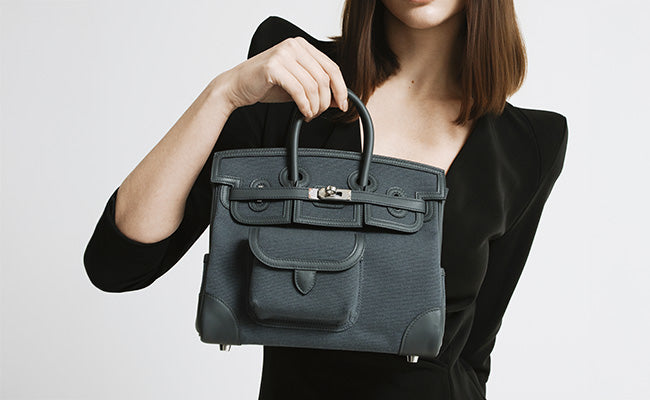


How Buyer Psychology Influences Hermès Bag Sales in Consignment Stores
TL;DR
Buyer psychology influences Hermès bag sales in consignment stores through three forces: perceived scarcity, confidence in authenticity, and the appeal of immediate access. At retail, Birkin and Kelly availability remains store-based, while consignment offers the chance to evaluate a specific bag now, with visible condition, provenance, and pricing. That shift changes the decision from pursuing access to selecting the right piece. In practice, the Hermès bags that move fastest in consignment are usually the ones that combine trusted authentication, strong specifications, and a sense that the exact bag may not appear again soon.
Check out our Hermès collection and Birkin bags!
A Hermès bag rarely sells on leather alone. Buyer psychology influences Hermès bag sales in consignment stores because the purchase is tied not just to design, but to access, trust, and timing. Birkin, Kelly, and Constance handbags are sold exclusively in Hermès stores, which helps explain why the secondary market carries a different kind of emotional weight for collectors and first-time buyers alike.
In a boutique, the process can feel private and unpredictable. In consignment, the same purchase becomes more legible: the buyer can see the exact bag, review its condition, compare asking prices, and decide whether the convenience is worth the premium. This article looks at how scarcity, craftsmanship, model desirability, and platform trust shape demand, and why those factors help explain which Hermès bags attract immediate interest in the resale market.
Key Takeaways
- Scarcity remains the core psychological driver, but in consignment it is intensified by immediate availability.
- Authentication, condition reporting, and provenance are not side details. They are central to buyer confidence.
- Birkin and Kelly demand is shaped not only by model prestige, but also by the exact combination of size, leather, color, hardware, and platform trust.
Featured Products


Why Hermès Creates Such Strong Buyer Motivation
Hermès performs unusually well in consignment because the brand already carries a powerful mix of heritage, exclusivity, and product discipline before the bag ever reaches the secondary market. Those brand conditions shape how buyers interpret value once the piece appears for resale.
Exclusivity turns attention into urgency
Scarcity is the first trigger. Hermès keeps its most coveted handbags inside a highly controlled retail environment, and the fact that Birkin and Kelly are sold exclusively in Hermès stores reinforces the idea that access is limited and selective. In consignment, that same scarcity becomes visible in a more immediate way. A buyer is no longer imagining what might become available one day. They are judging the exact bag in front of them, often with the awareness that a specific size, leather, hardware, and color combination may not reappear soon.
That is why urgency in the secondary market often feels sharper than urgency at retail. The bag is available now, but only once. For many buyers, especially those with a very specific brief, that is a more persuasive trigger than abstract brand desire alone.
Prestige remains powerful in the secondary market
Hermès also benefits from the kind of prestige that survives a change in channel. The symbolic value of the bag does not disappear because it is purchased through consignment. If anything, the resale setting can intensify its meaning. The buyer is not simply acquiring a luxury accessory. They are acquiring a bag that already carries cultural recognition, visual authority, and the perception of discernment.
In this context, social signaling still matters, but it tends to become more nuanced. A well-chosen Hermès bag in the secondary market often signals fluency rather than impulse. The buyer is seen as someone who understands the model, the materials, and the market, not just the logo.
Craftsmanship and heritage support the price conversation
The strength of the brand story matters because Hermès itself frames the house around artisanal continuity, transmission of know-how, and objects designed to last. The company states that it has remained faithful to its artisanal model since 1837, and it emphasizes strict quality criteria from material selection through final production. Hermès also operates formal training pathways dedicated to passing on leather craftsmanship.
For consignment buyers, this heritage is not just a marketing backdrop. It becomes part of the justification for paying a premium in the secondary market. Buyers inspect stitching, leather grain, hardware, shape retention, and overall finish because the expectation of quality is so high. The purchase feels more rational when the object appears to embody durability, technical skill, and continuity with the house’s wider history.
Why Consignment Changes the Purchase Decision
The psychological logic of a Hermès purchase shifts once the bag enters consignment. The boutique experience is about access and relationship. The resale experience is about visibility, verification, and immediate choice. That shift changes what buyers pay attention to and why they are willing to act.
Immediate access replaces retail uncertainty
One of the strongest appeals of consignment is immediacy. Buyers who already know what they want may prefer a clear, immediate option over a less transparent retail path. The secondary market becomes a release valve for demand that the boutique system does not fully satisfy. This is especially true for buyers seeking a particular size, a discontinued color, or a combination that may not be readily available through stores.
That does not mean consignment replaces the prestige of boutique purchase. It means the buyer is making a different trade-off. In many cases, certainty of selection outweighs the allure of waiting. The emotional reward shifts from being chosen at retail to securing the right bag on the buyer’s own terms.
Authentication, condition, and provenance reduce hesitation
Trust is the second major trigger. In Hermès resale, buyers are rarely purchasing on aesthetics alone. They are evaluating risk. The more clearly a consignment store explains authentication, documents condition, and presents provenance, the easier it becomes for a buyer to move from interest to commitment.
Condition reporting matters because Hermès buyers tend to be detail-oriented. Corner wear, handle darkening, hardware scratches, interior marks, and shape retention all influence how secure the purchase feels. Provenance matters for the same reason. Original receipts, full sets, service history, and consistent documentation do not merely make the listing look better. They help transform uncertainty into confidence.
That is why trusted consignment platforms can outperform weaker listings even when the bags themselves are similar. A buyer may hesitate over a slightly cheaper listing if the authentication story is vague or the condition photography leaves room for doubt. In this category, reassurance is part of the value proposition.
Pricing visibility reframes value
Consignment also changes the way price is interpreted. In a boutique, buyers have little room to compare identical opportunities side by side. In the resale market, pricing is more visible and often easier to contextualize against condition, rarity, and completeness. That transparency does not make buyers less emotional. It makes them feel more informed.
As a result, resale premiums can still feel justified when the bag is highly desirable, well-documented, and immediately available. The decision becomes less about whether the bag is expensive in the abstract and more about whether this exact piece makes sense relative to other available options. For Hermès, where nuance matters, that comparison mindset often works in favor of strong listings.
Which Hermès Bags and Specifications Trigger the Fastest Response
Not every Hermès bag creates the same reaction in consignment. Even within the same model family, buyer interest can shift depending on the emotional story attached to the bag and the practicality of the specific configuration. The most successful listings usually align both.
Birkin and Kelly attract different kinds of desire
Hermès itself traces the Kelly to a design created by Robert Dumas in the 1930s, later renamed after Grace Kelly in 1956. The Birkin, meanwhile, is officially linked to a 1984 encounter between Jean-Louis Dumas and Jane Birkin. Those origin stories still shape how each model is read in the market today.
| Model | Main psychological driver | How that shows up in consignment |
|---|---|---|
| Birkin | Status, rarity, and immediate acquisition | Buyers often respond quickly when the listing combines a sought-after size, classic leather, and a familiar neutral palette. |
| Kelly | Heritage, structure, and collector appeal | Buyers tend to focus on silhouette, construction, and whether the bag feels timeless, refined, and complete. |
The Birkin tends to trigger urgency through its reputation for difficulty and its broad cultural recognition. The Kelly often triggers a slightly different response. It appeals to buyers who are drawn to structure, history, and a more overt sense of design lineage. Both models are powerful in consignment, but the emotional route into the sale is not always the same.
Specifications often determine whether interest becomes action
Once the model has drawn attention, specifications usually decide the outcome. Size plays a major role because it shapes how useful the bag feels in daily life. Leather matters because buyers often weigh durability, scratch resistance, and silhouette retention alongside appearance. Color matters because neutral shades tend to feel safer and easier to integrate, while rarer seasonal colors can be highly persuasive for the right buyer.
Hardware contributes more than many listings acknowledge. It can influence the visual temperature of the bag, the degree of formality, and whether the overall combination reads as classic or highly specific. Condition then becomes the final filter. Even when demand is strong, buyers remain sensitive to whether wear feels honest and acceptable or distracting enough to alter value.
This is why two bags in the same model can perform very differently in consignment. The market does not respond only to the name on the listing. It responds to how convincingly the full package aligns with buyer expectations.
Trust in the seller can matter almost as much as the bag
For high-value resale, the platform or store itself becomes part of the product. Buyers often reward businesses that make the process feel controlled, legible, and professional. Detailed photography, precise grading, responsive service, fair return policies, and a consistent authentication narrative all reduce perceived risk.
That trust can also encourage repeat purchasing. A buyer who has one strong experience with a Hermès consignment store is more likely to return because the psychological burden of verification is lower the second time. In that sense, trust does not merely close the sale. It compounds over time.
Final Thoughts
Hermès bags perform so strongly in consignment because they sit at the intersection of scarcity, craftsmanship, and trust. When a listing combines the right specifications with credible authentication and immediate availability, buyer psychology does much of the selling. For collectors navigating the resale market with greater confidence, Rome Station offers a more considered way to evaluate what truly makes a piece compelling.
Fact Check and Data Sources
This article intentionally avoids unsupported resale percentages, timing promises, and precise price claims. Brand-specific references are grounded in official Hermès materials, including Hermès, contemporary artisans since 1837, Kelly bag, and Six generations of artisans. Observations about urgency, buyer confidence, and listing performance are presented as market insight rather than fixed rules, since resale outcomes vary with condition, rarity, timing, and seller credibility.
Frequently Asked Questions
Why do some buyers choose consignment over buying Hermès at retail?
Because consignment offers immediate access to a specific bag. For many buyers, especially those seeking an exact combination, certainty and convenience outweigh the appeal of waiting for retail availability.
What matters most when evaluating a Hermès bag in consignment?
Authentication, condition, provenance, and the overall quality of the listing. Buyers want to feel that the bag is genuine, accurately described, and priced in a way that makes sense for its exact attributes.
Do Birkin and Kelly buyers think about the purchase differently?
Often, yes. Birkin demand tends to be driven more by urgency, status, and immediate acquisition, while Kelly demand often leans more heavily on structure, heritage, and collector appeal.
Which details usually make a Hermès listing more persuasive?
A desirable size, a strong leather choice, versatile color, well-preserved hardware, and clear documentation. The more complete and credible the presentation, the easier it is for a buyer to commit.
How important is the consignment platform itself?
Very important. In Hermès resale, buyers are not only buying the bag. They are also buying the confidence created by the seller’s authentication process, service standards, transparency, and reputation.
Love Hermès? See More from Rome Station
Add us to your Preferred Sources on Google to see our newest Hermès guides and insider tips first.

