
How Brand Recognition Shapes Chanel Buying Decisions
Check out our Chanel collection!
When someone reaches for a Chanel bag or thinks about splurging on the iconic No. 5 fragrance, it’s more than just a shopping trip. They’re buying into over a century of brand recognition, something that turns a simple purchase into a statement about who they are, what they value, and, honestly, how they want to be seen.
Brand recognition is a major psychological force behind why people choose Chanel, instantly connecting the brand with luxury, exclusivity, and that elusive sense of timeless style, often making price a secondary concern. Of course, this didn’t just happen overnight.
Chanel’s spent more than 110 years shaping a brand so strong that just seeing those interlocking Cs can make someone want to open their wallet. The company keeps a tight grip on distribution, uses celebrity faces to amp up the dream, and makes sure every move feeds into the mental shortcuts we use when we’re eyeing luxury goods. If you’re into authenticating, reselling, or just admiring luxury, digging into how Chanel’s brand works can actually help you understand why people pay thousands for a bag or hundreds for a lipstick.
For those of us who work with luxury goods or just love them, looking at Chanel’s brand influence is pretty eye-opening. The mix of heritage, craftsmanship, and a sense of “not for everyone” creates a buying mindset you just don’t see with most brands.
Key Takeaways
- Chanel’s brand recognition triggers instant associations with luxury, making people buy even when the price seems wild
- Scarcity, tight distribution, and famous faces keep Chanel’s status aspirational and exclusive
- Knowing how Chanel’s brand works helps with authenticating, pricing for resale, and understanding what makes buyers tick
The Power of Chanel's Brand Recognition
Chanel’s brand recognition comes from three big things: visual symbols you just can’t miss, a heritage story rooted in Coco Chanel’s own rebellious streak, and a design approach that doesn’t chase trends. All of this builds trust and emotional pull for buyers.
The Role of Visual Identity and Iconic Symbols
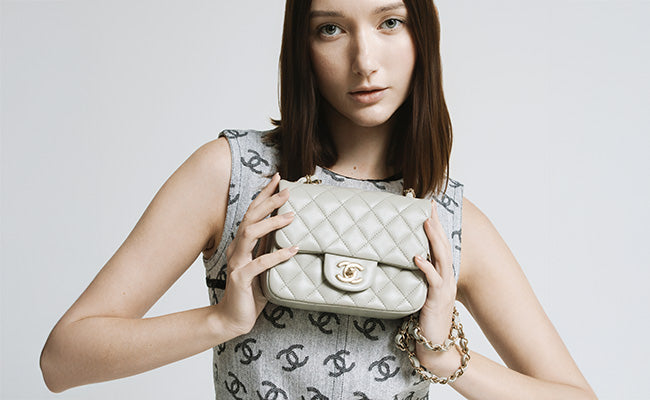
The interlocking CC logo is basically a luxury shortcut. Instead of slapping logos everywhere, Chanel places theirs with intention, so it actually means something when you see it. The quilted diamonds, chain straps, and camellia flower are all unmistakable.
You’ll spot this visual language in every category. The 2.55 bag’s clasp, the J12 watch’s ceramic bracelet, and the N°5 bottle’s clean lines all show restraint. Even without a logo, buyers know these are Chanel.
Key Chanel visuals:
- Quilted leather, always with diamond stitching
- Interlocking chains that double as hardware
- Black and white as go-to colors
- Gold and ruthenium metal details
- Structured, but never stiff, silhouettes
Consistency here isn’t just for looks. It helps with authenticating and keeps resale values high. People can spot a fake or an oddball piece, which protects the brand and the buyer. Recognition feeds desire, and desire circles right back to recognition.
Storytelling and Heritage Influence
Coco Chanel’s life is basically the brand’s legend. She tossed out corsets, made the little black dress a thing, and always put comfort first, without losing an ounce of class. Buyers lean on this story when they’re justifying a splurge.
Chanel keeps the story alive with archives and the Inside Chanel videos. These aren’t just for show. They teach buyers where designs come from, making every purchase feel like a slice of fashion history.
The heritage angle also reassures buyers about longevity. If you buy a Classic Flap, you’re told Gabrielle Chanel wore something similar in the ‘50s, and someone will still be carrying it in 2050. That kind of continuity makes a high price feel less risky.
Chanel’s Métiers d’Art collections highlight the brand’s partnerships with specialist ateliers. Buyers get a peek at old-school techniques like feather work, embroidery, and pleating that go back generations. This openness builds trust in the materials and the making, which matters for condition checks and resale.
Timeless Design and Elegance
Timeless elegance at Chanel means you can’t really pin down what year a piece came from. The brand skips trends and flashy extras that make things look dated. A tweed jacket from 2015? Still looks right with pants from 2025.
That’s a big deal for buyers. Investment pieces stay relevant, so cost per wear drops and resale gets easier. We see Chanel items from the ‘80s that still look current. Good luck finding that with trend-chasers.
Chanel’s design focus is all about proportion, fabric, and finish. Buttonholes look clean, linings sit flat, hardware feels just right. These details matter for authentication and push up consignment prices.
Colors stay classic. Black, white, beige, navy, red, those are the anchors. Sure, there are softer shades now and then, but most pieces mix and match across years. That encourages collecting, not just one-off buys. It’s a smart way to keep customers coming back while keeping the brand instantly recognizable.
Psychology Behind Chanel Buying Decisions
Why do people buy Chanel? It’s a mix of social status, emotional ties, how we see luxury, and the fact that we just know the brand. These factors shape buying in ways that regular shopping just doesn’t touch.
Aspirational Value and Social Signals
Let’s be honest: a lot of Chanel’s pull comes from what it says about you. The brand is a silent badge. It hints at wealth, sophistication, and a certain taste level without you saying a word.
Chanel leans into exclusivity with high prices and limited stock. Scarcity isn’t just about numbers. It’s about making the product more desirable. A Chanel bag isn’t just a bag. It’s a ticket into a club most people can’t join.
The CC logo is a quick way to signal status in circles where that matters. Studies show people pick products that reflect who they are or want to be. For Chanel fans, the brand image often matches their self-image, or the one they’re aiming for.
This signaling doesn’t stop at the boutique. In resale markets, authentic Chanel still holds power because it keeps sending the same status signals. Basically, we buy brands that tell the story we want to tell.
Emotional Connection and Brand Loyalty
Chanel loyalty usually starts with a feeling, not a spreadsheet. The brand forges emotional bonds through stories about its heritage, artistry, and Coco Chanel’s legacy.
You can see this in how customers buy. One bag leads to another, and before you know it, they’re building a collection. This loyalty comes from good experiences, steady quality, and the emotional payoff of owning something special.
The sensory side is huge. The heft of a flap bag, the scent of No. 5, the feel of that quilted leather, these are things you remember. Touch and smell can stir up strong emotions, nudging people back to the brand.
Chanel keeps its emotional edge even when the market’s shaky. The messaging stays true to its values but adapts just enough to keep buyers engaged.
Consumer Perceptions of Luxury
People see Chanel as luxury because the brand triggers all the right psychological buttons. The high price itself is a kind of proof. If it costs this much, it must be special.
Luxury shopping is often about rewarding yourself, not just filling a need. Chanel frames itself as an investment, not just an expense, which helps buyers justify the splurge. Heritage and craftsmanship give people something to point to when they’re second-guessing.
Exclusivity is baked in through limited distribution and a strong legacy. Chanel typically avoids discounting in its boutiques, so owning a piece still feels rare.
Research shows luxury buyers want both personal satisfaction and outside validation. Chanel hits both: it feels special to own, and everyone else knows what it means.
Influence of Brand Awareness
Chanel’s brand awareness is off the charts, especially in luxury circles. That makes buying easier. If you already know the brand, there’s less hesitation and less risk.
Decades of steady visuals and celebrity tie-ins keep Chanel in the spotlight. Even first-time luxury buyers often pick Chanel because it feels familiar and safe.
Brand awareness boosts the resale scene too. People seek out authenticated Chanel because they trust it’ll hold value. The brand’s reputation makes it a safer bet than lesser-known names. You see it in resale prices. Authentic Chanel commands a premium based on name alone.
Awareness isn’t just about the first buy. It shapes collecting and loyalty over time. Once you’re in the Chanel world, all those psychological triggers keep you coming back.
Exclusivity and Scarcity as Drivers of Desire
Chanel’s skill with exclusivity and scarcity turns bags into coveted treasures, not just fashion accessories. Limited editions, tight distribution, and steep prices keep the sense of rarity alive, and that’s what really drives demand.
Limited Editions and Waitlists
Chanel drops limited editions that become instant collector bait. These pieces might have special materials, seasonal colors, or unique designs you’ll never see again. The 19 Bag and some Boy Bags have sparked waitlists that can stretch out.
Waitlists do two things: they make the product feel scarce and build anticipation. By the time someone gets the call, the wait has only made them want it more.
Scarcity works on a simple principle: if it’s hard to get, it feels more valuable. Chanel knows that if something’s always available, it stops feeling special.
Maintaining Exclusivity with Controlled Distribution
Chanel fashion and leather goods don’t let just anyone sell them. No big online marketplaces. Availability stays tightly controlled through official boutiques and select authorized channels. This keeps the brand from feeling overexposed.
Some boutiques even have purchase limits. Maybe you can only buy a limited number of classic styles each year, or you need a history with the brand before they’ll offer you something rare. It’s a bit of gatekeeping, but it makes the bags feel even more exclusive.
Tight control also helps fight fakes and grey market sales. Chanel knows where every real bag comes from, which helps keep the brand’s reputation solid and makes authentication easier.
Premium Pricing as a Marker of Luxury
Chanel’s prices aren’t just high. They’re strategic. The company raises prices regularly, and classic flaps have risen sharply over the last decade. This isn’t just about profit. It’s about keeping the brand in the luxury stratosphere.
High prices naturally limit who can buy. When a medium classic flap is over $10,000 CAD, it’s a real status symbol. People pay these prices partly because the cost itself signals exclusivity.
Retail prices also set the tone for resale. When Chanel keeps prices up, resale values follow, and the bags start looking like investments, not just purchases. That financial angle adds another layer to why people buy.
Brand Experience: Retail, Events, and Omnichannel Touchpoints
Chanel’s brand experience goes way beyond just selling products. It’s about immersive stores, exclusive events, and a digital presence that all reinforce the luxury vibe and nudge people toward buying.
Experiential Marketing and Fashion Shows
Chanel’s fashion shows aren’t just about the clothes. They’re full-on spectacles. From transforming the Grand Palais into Parisian streets or even a rocket launch, these events get massive media buzz and social chatter.
These shows do a lot for the brand. They cement Chanel’s creative status and produce aspirational content that reaches way beyond the front row. The message? Chanel’s always at the top of its game.
The brand also hosts smaller client events and exhibitions, building deeper connections with loyal customers. These experiences stick with people and often lead to purchases, especially when they see a piece in person at an event.
Flagship Stores and Pop-Up Stores
Chanel’s flagship shops (think Rue Cambon, Bond Street, Fifth Avenue) are like shrines to the brand. The architecture, the service, the atmosphere, it’s all carefully designed to ooze heritage and exclusivity.
Inside Chanel’s flagship experience:
- VIP rooms for top clients
- Personal consultations and styling
- Access to rare and exclusive pieces
- Brand history woven into the décor
Pop-ups are a different play. Chanel sets up shop in unexpected places like beach clubs and ski resorts for a limited time. These temporary stores bring the brand to new crowds and create a sense of urgency. Miss it, and you’re out of luck.
Omnichannel and Digital Innovation
Chanel’s taken its time with digital, rolling out e-commerce for beauty and eyewear first, while fashion and handbags remain boutique-focused. The goal? Keep control over how customers experience the brand, no matter where they shop.
Omnichannel means connecting physical stores with digital tools: online booking, virtual consults, and channels that help sales staff keep in touch with clients. Whether you’re in-store or on your phone, the brand experience stays consistent.
Chanel’s digital approach leans more toward storytelling than just selling. The website and app are packed with editorials, behind-the-scenes looks, and product histories. It’s less about fast checkouts, more about drawing you into the brand’s world.
Product Icons, Craftsmanship, and Materials Associated with Chanel
Chanel’s reputation comes from unmistakable materials, signature pieces, and craftsmanship that buyers recognize right away. The brand’s focus on quality and consistent design gives buyers confidence and keeps resale values strong.
Handbags and the Classic Flap
The Classic Flap stands as Chanel's most recognized handbag, with roots in the 2.55, first released in February 1955. Later, Karl Lagerfeld introduced the version with the now-famous CC turn-lock. Collectors chase this bag for its quilted lambskin or caviar leather, the woven chain strap threaded with leather, and its often deep burgundy lining, details that scream authenticity.
Craftsmanship sets genuine pieces apart from fakes. Each Classic Flap can take hours of hand-stitching. Diamond quilting lines up neatly across seams and flap edges. The chain has a certain heft, hardware engravings go deep, and the inside pockets are built with care. Savvy buyers check all this before handing over their money.
The Boy bag, which came out in 2011, brings a boxier look with chunkier chains and bold, masculine hardware. Both the Classic Flap and the Boy bag keep their value because Chanel rarely messes with their signature design codes. This makes it easier to judge their condition for resale.
Tweed, Quilting, and Leather Goods
Tweed is everywhere in Chanel’s world, on jackets, bags, shoes, and even tiny wallets. The brand sources tweeds from specialty mills and Métiers d’Art partners, mixing in metallic threads, sequins, and wild textures that crank up the wow factor. Buyers often talk about the origin of a tweed when sizing up rare editions.
Quilting isn’t just for bags. You’ll spot it on wallets, card holders, and other accessories. The diamond pattern ties everything together visually and feels nice to the touch, adding structure without a lot of extra hardware. Lambskin feels soft and ages gracefully, while caviar leather is tougher and holds its shape longer.
Quality in leather goods comes down to the edges, stitching, and interior finish. Chanel’s stitching tends to look even and clean, and the hardware holds up well over time, details that matter for resale value.
Fine Jewellery, Fragrance, and the House Icons
Chanel No. 5, launched in 1921, is still the brand’s most famous fragrance. That bottle, rectangular, minimalist, instantly recognizable. The scent itself, all aldehydic florals, is everywhere in pop culture. For many, it’s the first Chanel purchase before they even consider splurging on a bag or jewelry.
The camellia flower pops up across the brand, from brooches to rings and bag charms. It’s become a symbol for Chanel, instantly linking a piece back to the house’s heritage. Collectors often go out of their way for camellia pieces. They just feel more “Chanel.”
Coco Crush jewelry borrows the quilted motif and reimagines it in gold. The J12 watch, with its ceramic case, is another standout. These repeating design elements create a common thread across everything Chanel makes, so buyers can spot the brand’s DNA no matter what they’re looking at.
Chanel's Brand Strategy in a Global Luxury Landscape
Chanel holds its ground in the luxury world with selective distribution, strict pricing, and storytelling that always circles back to couture roots. Chanel walks the line between old-school luxury and modern expectations, tweaking its approach for each region but never losing that core identity.
Positioning Versus Competitors
Chanel sits in a unique spot, staying independent while many rivals sit under big luxury groups. The brand leans heavily on beauty and fragrance for reach, while keeping fashion and leather goods tightly controlled.
Some luxury houses grow faster by licensing and spreading out retail. Chanel, on the other hand, skips third-party marketplaces entirely. That keeps pricing tight but means you can’t just buy Chanel anywhere. The brand avoids outlets, insisting on full-price sales.
In 2023, Chanel reported revenues of about $19.7 billion. The brand’s regular price hikes show confidence in its icons and a loyal client base. Chanel controls every detail, from boutique vibes to digital content, keeping everything consistent and justifying those sky-high prices.
Role of Brand Values and Sustainability
Sustainability matters more than ever, especially for younger buyers coming in through beauty. Chanel launched Mission 1.5°, aiming for science-based emissions targets and weaving sustainability into company bonus criteria. The brand stopped using exotic skins like python and crocodile, responding to ethical concerns, changes that shift the product line but send a clear message about values.
Chanel’s sustainability messaging is pretty understated. Instead of shouting about recycled packaging or resale programs, the brand highlights its support for artisans through Métiers d’Art. It frames this as preserving culture, not just ticking environmental boxes. This appeals to people who care about longevity and repair, not flashy green campaigns.
Transparency around sourcing and labor is a sticking point for savvy buyers. Still, the focus on specialist ateliers and craftsmanship boosts the perception of quality, which, in a roundabout way, supports sustainability by encouraging people to keep and repair their pieces instead of tossing them.
Market Segmentation and Personalization
Chanel sorts clients by lifetime value, shopping habits, and region, tailoring experiences without splintering the brand. VIP couture clients get private appointments, first dibs on rare pieces, and invites to shows in far-off places. Beauty buyers come in through fragrance and makeup, with digital try-ons and educational content nudging them toward fashion in the future.
Regional differences shape how Chanel serves clients. Asia-Pacific generated more than $10 billion in revenue in 2023, with appointment systems and platform-specific service blending into the luxury retail experience. In Europe, boutiques ride the wave of tourism and flagship makeovers to boost sales. The Americas focus on deepening relationships with local clients through styling sessions and trunk shows.
Emerging markets get unique treatment. In the Middle East, clients prefer private salons and exclusive capsules tied to local events. China’s digital scene demands platform-specific content and seamless service. Chanel keeps this all balanced with strict global standards. No matter where you shop, you get the same design cues, packaging, and stories.
Personalization runs deep. Clienteling systems track preferences, purchases, and milestones. Sales associates use this info to suggest pieces, recommend new categories, and add thoughtful surprises. This approach turns cultural cachet into real loyalty, bumping up average spend and cross-category shopping among top clients, without resorting to discounts.
Ambassadors, Influencers, and Celebrity Endorsements
Chanel takes a different tack with ambassadors and celebrity endorsements. Instead of one-off deals, the brand picks people who genuinely reflect its identity and builds lasting relationships.
Celebrity Endorsements and Their Impact
Celebrity endorsements give brands instant recognition. When we see someone famous with a product, we automatically transfer some of their appeal to the brand. Psychologists call it the "halo effect."
According to a Nielsen global study, 92% of consumers say they trust recommendations from people they know more than ads. For Chanel, this means choosing ambassadors who actually fit the brand vibe. They don’t just grab any big name for a quick campaign.
Chanel works with actors, musicians, and artists who really use and love the products. Authenticity matters, a lot. In luxury, people can sniff out a fake partnership from a mile away. Chanel keeps its ambassador roster tight, focusing on quality over quantity, which only boosts its exclusive aura.
Unlike mass-market brands that might flood social media with influencers, Chanel keeps its official partnerships rare. This lets each ambassador get the spotlight and ensures the collaboration fits into the bigger marketing picture.
Inside Chanel and Storytelling Campaigns
The Inside Chanel video series is a masterclass in digital storytelling. These short films dig into the brand’s history, from Coco’s early designs to today’s twists on classics.
Each episode zooms in on something specific, the birth of Chanel No. 5, the story behind the quilted bag, whatever. The production feels more like a mini-movie than a typical brand video.
This content does double duty. It teaches potential buyers about craftsmanship and history, and it gives loyal customers more reasons to stay connected. When you know the story behind a Classic Flap, the price starts to make sense. It’s not just about materials.
The series is also super shareable. Some collectors and fans use these videos to better understand design history and explain Chanel’s legacy to newcomers.
Kristen Stewart and the Face of Modern Chanel
Kristen Stewart’s been with Chanel since 2013, and she’s arguably one of the brand’s most successful modern ambassadors. She brings an edgier, more androgynous vibe to the table, definitely a shift from past faces.
Stewart does more than just pose in ads for fragrance, makeup, and bags. She shows up at Chanel shows, wears the brand on red carpets, and mixes pieces into her personal style. This kind of visibility reaches all sorts of audiences.
Her appeal especially clicks with younger shoppers who might find traditional couture a bit stiff. Stewart makes Chanel feel approachable but still prestigious. She’ll pair a gown with sneakers or rock a tweed jacket in unexpected ways.
The partnership shows Chanel gets how modern endorsements work. Stewart’s active film career and public visibility keep her in the spotlight, and her creative credibility fits right in with Chanel’s support of the arts.
Frequently Asked Questions
Brand recognition shapes buying decisions through psychology, perceived quality, and smart marketing, all positioning Chanel as the ultimate luxury investment. Knowing how this works helps both buyers and sellers navigate the market with more confidence.
What psychological factors influence a consumer's decision to purchase a Chanel handbag?
Status signaling is huge. Buying a Chanel bag isn’t just about the leather or the hardware. It’s about joining an exclusive club that signals taste, success, and cultural savvy.
Scarcity makes us want things more. Because Chanel limits distribution and keeps availability tight, the fear of missing out kicks in. When you know you can’t just walk in and grab one, the desire goes through the roof.
Social proof is everywhere. Celebrities, influencers, and professionals carry Chanel, which validates our own cravings. It’s a feedback loop that just keeps strengthening the brand’s pull.
Emotional ties to the brand’s heritage matter too. Coco’s story of freeing women from restrictive fashion hits a nerve. Buying Chanel connects us to a legacy of empowerment and bold change in women’s style.
How does the quality and craftsmanship of Chanel products impact customer loyalty and repeat purchases?
Exceptional craftsmanship stands out. You can feel and see the difference. Chanel’s attention to detail, from the quilting to the hardware, creates a sensory experience that knockoffs just can’t match. That’s the trust builder.
Materials that last turn purchases into investments. A well-cared-for Chanel bag can stick around for decades, making the price tag feel more reasonable. When your first buy holds up, you’re more likely to come back.
Consistency across product lines builds confidence. If one Chanel item impresses, you trust the next will too. That reliability takes the guesswork out of luxury shopping.
Chanel’s repair and restoration services show real commitment. Knowing you can keep your pieces in top shape encourages you to stay loyal and maybe even buy more.
Can the condition of a pre-loved Chanel piece significantly affect its resale value?
Condition is everything for resale. A pristine Classic Flap with barely any wear, shiny hardware, and original packaging can fetch top dollar. Bags with scratches, tarnished chains, or cracked leather? Expect much less.
Authentication gets trickier with wear. Heavy use can hide or damage authentication details, making buyers nervous. Clear stamps, intact serials, and clean labels reassure buyers and support higher prices.
Hardware tells the story. Tarnished or scratched hardware can suggest heavy use. Bright, intact hardware suggests careful ownership and boosts value.
Documentation matters too. Receipts and service records can make up for minor flaws. Sometimes, a slightly worn bag with solid paperwork outperforms a pristine one with nothing to back it up.
What strategies do savvy consignors use to maximise returns on their Chanel investments?
Timing the sale is key. Trends in styles, colors, and sizes shift. Listing a classic black medium flap when waitlists peak will get you more than selling during a market flood.
Professional cleaning and conditioning pay off. Spending a bit on leather care can boost your sale price, especially if the bag looks close to new. Buyers will pay extra for pieces that present well.
Complete packaging adds value. Keeping boxes, dust bags, authenticity cards, and receipts can help with authentication and make the unboxing feel special for the next owner.
Choosing where to sell matters. Consignment channels with authentication services attract serious buyers willing to pay fair prices. Private sales might avoid commissions, but they often bring lower offers and more risk.
In what ways do Chanel's marketing campaigns and brand storytelling contribute to its high recognition in the luxury market?
Celebrity partnerships create those aspirational connections that really push recognition. When big names represent Chanel, the brand just feels tied to success and cultural buzz. These endorsements aren’t just business deals. They’re mixed into stories about elegance and empowerment.
Chanel’s heritage storytelling sets it apart in a big way. The brand constantly nods to Coco Chanel’s revolutionary role in women’s fashion, adding a layer of emotional depth that you just don’t get from brands focused only on products. Honestly, it’s like we’re buying into a legacy of challenging norms that’s lasted for generations.
Fashion show spectacles grab headlines and light up social media feeds. Chanel’s big shows aren’t your average runway events. They’re more like cultural happenings. This dramatic approach keeps Chanel in the thick of fashion conversations, year after year.
Limited edition releases stir up both urgency and exclusivity. When Chanel drops a special collection with only a handful available, the media goes wild. People rush to share the news on social, and suddenly everyone’s talking about it. In a way, we all end up doing a bit of the brand’s marketing ourselves.
Chanel’s social media strategy walks a fine line between being accessible and staying exclusive. Their content mixes behind-the-scenes peeks and lifestyle shots, but never slips into anything that feels too ordinary. Somehow, they keep that aspirational vibe alive, while still making followers feel like they’re part of something special.
How do authentication processes reassure buyers about investing in a Chanel or fine jewellery piece?
Professional authentication knocks down the biggest hurdle in luxury resale. When trusted experts check stitching, hardware, serial numbers, and materials, you get a level of confidence that seller promises just can't match. That peace of mind honestly helps justify the premium prices.
Multi-point inspections catch even the sneakiest fakes. Authenticators pore over everything, fonts on stamps, hardware measurements, you name it. It’s nearly impossible for counterfeiters to get every detail right, so having an expert on your side feels essential for these pricey pieces.
Documentation and certification matter for resale. A certificate from a recognized service becomes part of the piece’s story and helps out if you ever want to sell it later. Paying for authentication upfront is really just protecting the value down the line.
Technology keeps making authentication better. Digital databases, sharp imaging, and comparison tools let experts spot even tiny discrepancies.
Love Hermès? See More from Rome Station
Add us to your Preferred Sources on Google to see our newest Hermès guides and insider tips first.