

Hermès Reconditioning: When Spa Services Raise Value, and When to Skip
Check out our Hermès collection and Birkin bags!
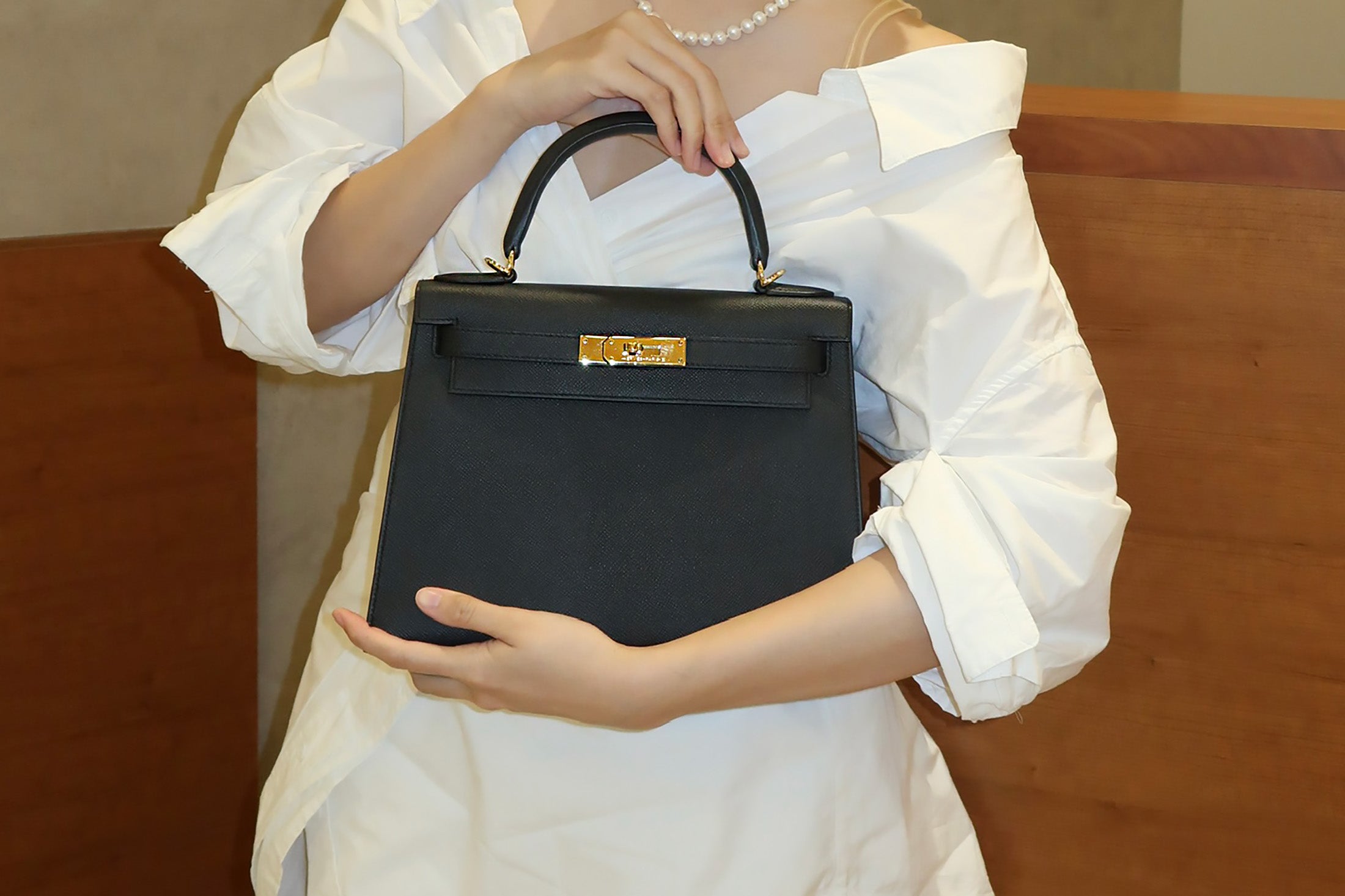
Your Hermès bag is starting to show its age, and you're wondering if the official Spa service will really protect your investment, or if there's a smarter move.
Hermès Spa services usually help preserve or even bump up resale value for authenticated bags that need real restoration.
Still, they're not always the best call for quick fixes, vintage pieces, or anything missing proper paperwork. It really comes down to your bag’s condition, your budget, and whether you’re thinking about reselling.
Plenty of Hermès owners stress over this decision. Honestly, it's not always black and white. If you send your bag to Hermès, you get original materials and top-notch craftsmanship, but you’ll be waiting months and paying a hefty sum.
Go with a third-party restorer, and you’ll save money and time, but Hermès won’t ever service your bag again. That’s permanent, so it’s not something to take lightly.
But once you know what actually impacts value, and when official services matter, it gets way less overwhelming. Here’s when Hermès reconditioning is worth it, and when you might want to skip.
Key Takeaways
- Hermès Spa keeps your bag original and helps with resale, but won’t touch bags that have had outside repairs
- Official reconditioning makes sense if you want to resell and your authenticated bag needs serious work
- Third-party services are cheaper and faster, but your bag loses access to Hermès repairs forever
What Is Hermès Reconditioning?
Hermès reconditioning is basically professional maintenance and repairs for Hermès products, mostly through the brand’s official Spa program. They handle everything from scuffed leather and scratched hardware to loose stitching and structural repairs, using trained artisans and original stuff.
Overview of the Hermès Spa
The Hermès Spa (or After Care, if you’re in Paris) is the brand’s in-house service for fixing up leather goods, bags, ready-to-wear, silks, home stuff, jewelry, and watches. You can bring your bag to certain Hermès boutiques, where artisans check it over and give you a repair estimate.
If the repair can’t be done there, your bag heads to Paris for service. The whole idea is that Hermès bags should last a lifetime, with the right care.
Common Hermès Spa services:
- Zipper repair or swap
- Stitching reinforcement
- Hardware cleaning, shining, or replacement
- Handle replacement
- Leather cleaning and conditioning
- Scratch repair on box calf and other leathers
- Lost stone replacement for jewelry
- Watch servicing
The spa doesn’t clean bag interiors, so that’s on you. After you drop off your item, you’ll get an email with the cost and estimated timing, then another when it’s ready to pick up.
Hermès-Trained Artisans and Original Materials
A big plus with the Hermès Spa: the artisans working on your bag trained with Hermès. They use the same methods as the original makers. Even better, they’ve got access to original leathers, threads, hardware, and components, so repairs match your bag’s specs.
That’s a big deal, since Hermès uses materials and techniques that outside repair shops just can’t duplicate. The artisans know the quirks of each Hermès leather, whether it’s delicate box calf or sturdy Togo.
Official vs. Third-Party Repairs
Third-party restoration is an option, usually cheaper and more flexible. Some independent leather pros have decades of experience with luxury bags.
But there are trade-offs. Third-party places can’t get original Hermès materials or hardware. They use lookalikes, but they’re not exact. For collectors and resellers, that matters, non-original parts can make a bag seem less authentic and hurt resale.
The price difference is real. Third-party repairs often cost 30-50% less than Hermès Spa. You’ll also get your bag back faster, since it doesn’t have to go to Paris. For bags you plan to keep and use, or for small fixes, third-party work can be a good call.
When Hermès Spa Services Can Increase Your Bag's Value
Hermès Spa services can give your bag’s resale value a real boost if they restore structure and keep original craftsmanship, especially for bags with minor to moderate wear that would otherwise make buyers nervous.
Preserving Craftsmanship and Authenticity
Hermès Spa uses the same artisans, workshops, and materials that made your Birkin or Kelly in the first place. That’s huge when you’re talking about bags that can fetch thousands, or tens of thousands, on the resale market.
Every repair keeps the signature saddle stitching Hermès is famous for. Third-party shops, no matter how skilled, can’t quite duplicate that. Hardware replacements come from Hermès’s own stock, so your bag keeps its original finish, no generic substitutes.
If your bag has an official Hermès repair history, authentication gets easier. Bags with documented Spa services often sell faster because buyers trust the work. The boutique keeps records of every service, so there’s proof for picky collectors.
Approved Repairs and Restoration Techniques
Strategic fixes hit the exact problems that kill resale prices: corner wear, handle darkening, and tarnished hardware.
High-value repairs:
- Corner and edge restoration – Fixes the most obvious signs of age
- Handle conditioning/replacement – Gets rid of that dark patina from hand oils
- Hardware re-plating – Restores locks, keys, and clasps to their original shine
Stitching repairs can stop small issues from turning into big ones. A loose stitch now can become a split seam later, which can knock 30-40% off your bag’s value. The Spa catches these things early.
Deep cleaning gets rid of surface stains without harsh chemicals that dry out leather. A professionally cleaned bag just looks better in resale photos, and buyers notice.
Impact on Secondary Market Value
A Hermès Spa service, with receipts, can add 15-25% to your bag’s resale value compared to a similar bag with no pro maintenance. Buyers really do pay for peace of mind.
Exotic leather bags get the biggest bump. A crocodile Birkin with verified hardware and leather work can pull prices close to unworn, especially if common issues like scale lifting or color fading are fixed.
Timing matters. A bag fresh from the Spa, with proof of recent service (within the last year), sells for more because buyers know they won’t need to do anything right away. If you’re thinking of selling, try to get Spa work done 2-3 months before you list.
Keeping Spa service records helps your bag’s provenance. Some collectors specifically hunt for bags with documented maintenance, and some resale sites now ask for this during authentication.
When to Think Twice Before Sending Your Hermès Bag
Hermès Spa can work magic, but sometimes it’s not the right move. Over-restoring can actually take away the charm of vintage pieces, and counterfeit bags get rejected, sometimes awkwardly.
Potential Risks of Over-Restoration
Not every scuff or patina needs fixing. Some collectors love the natural aging of leather, especially on vintage Hermès bags, it tells a story. If you send a bag for unnecessary spa treatments, you risk erasing the character that makes old bags special.
Too much conditioning or color touch-up can change the leather’s look and feel. Box calf, for example, develops a patina over time that many people want to keep, not restore. Even with original techniques, the Spa can’t always recreate the exact worn-in vibe that comes with years of use.
Think about the cost, too. Fixing minor wear on handles or corners might run $300 to $750, but if your bag is otherwise in great shape and the wear adds personality, it might not be worth it.
Issues with Authenticity and Counterfeits
Hermès Spa only takes real bags. They’ll reject counterfeits, which protects the brand, but can also lead to some pretty uncomfortable moments if you didn’t know your bag was fake. When you bring a bag in, staff check it carefully before accepting it.
If Hermès decides your bag is counterfeit, they won’t give it back. That’s a big risk if you bought from unofficial sources or the resale market without getting it authenticated. It’s smart to have your bag checked by a reputable service before you try the Spa, especially if you bought it pre-owned.
Getting rejected can be embarrassing, and might even flag your profile at the boutique. Better to find out ahead of time than at the Hermès counter.
Restrictions on Modified or Previously Repaired Bags
Hermès Spa won’t take bags that have been customized or seriously altered by others. If you’ve added painted designs, swapped hardware for non-original pieces, or made big changes, they’ll probably say no. They’re strict about keeping things original.
Bags fixed by unauthorized shops can also get turned away. Even if the work looks great, if it’s not Hermès-approved materials or saddle stitching, the Spa might refuse further work.
Small leather goods and belts rarely make sense for Spa. Many Hermès fans on Reddit point out that Spa repairs on $300 to $500 items often cost more than just replacing them. The boutique will take these, but you should really think about whether it’s worth it.
Navigating the Hermès Spa Process
The Hermès Spa process means booking at a boutique, waiting months for artisan work, and budgeting for premium prices that depend on what you need done.
How to Book a Service at a Hermès Boutique
You’ll need to bring your bag to a boutique that offers Spa services. Not every location does, so call first.
At the boutique, a specialist checks your bag and notes any damage or wear. They’ll take photos of scratches, stains, hardware issues, and anything structural. This helps decide what repairs are possible and if Hermès will even accept the bag.
You don’t need a purchase receipt or proof of authenticity if your bag’s real, but Hermès can still turn you away if they think it’s fake or too far gone. The specialist gives a ballpark estimate, though the final price might change once the artisans take a look.
You’ll leave your bag at the boutique and get a service receipt. The boutique stays your main contact the whole time.
Step-by-Step Repair Timeline
After drop-off, your bag goes to a Hermès repair workshop. The first assessment by artisans takes 2-4 weeks. They’ll confirm what can be done and give you a final quote.
Once you say yes, the real repair work starts. Simple stuff like edge painting, corner repair, or hardware swap usually takes 3-6 months. Big jobs, like restoring exotic leathers or rebuilding structure, can stretch to 8-12 months.
The boutique lets you know when your bag’s ready. You pay the final bill and check the work before leaving. If something’s not right, speak up immediately.
Pricing Factors and Cost Range
Hermès Spa pricing depends on leather type, how much work your bag needs, and if hardware needs swapping. You’ll see everything from $200 for touch-ups to $2,000+ for major restoration.
Typical repair costs:
- Edge painting/glazing: $200-400
- Corner repair: $300-600
- Handle replacement: $800-1,200
- Hardware replacement: $150-500 per piece
- Strap replacement: $600-1,000
- Full refurbishment: $1,500-3,000+
Exotic leathers cost more, sometimes double. Box calf and delicate finishes also push up the price, since they need extra care.
You pay when you pick up the bag, not when you drop it off. Most boutiques take major credit cards.
Alternatives to the Hermès Spa
Third-party restoration gives you more options and usually costs less than Hermès, but you give up authenticity and can’t go back to Hermès for repairs.
Third-Party Restoration Pros and Cons
Independent leather specialists will take on repairs Hermès won’t, like full color changes, hardware swaps (say, gold to palladium), or big structural changes. They’ll even work on bags Hermès says are too old or damaged.
Upsides:
- Cheaper, often 60-70% less than Hermès Spa
- Quicker, usually 2-4 weeks instead of months
- Custom jobs and creative fixes
- Will work on vintage bags without paperwork
Downsides:
- Resale value usually drops, even with great work
- Authentication gets harder with non-original parts
- Quality can be hit or miss
- No official warranty or documentation
Materials and techniques vary a lot. Some use premium European leathers close to Hermès, others go with cheaper stuff. Stitching might be hand-done or machine-made, and the thread might not match exactly.
Honestly, results are all over the place. We’ve seen third-party work that’s nearly perfect, and we’ve seen repairs that ruined a bag’s value. Sometimes it’s a gamble.
Impact on Hermès Service Eligibility
If you let a third-party restorer work on your Hermès bag, you’re out of luck with the brand’s official Spa services, forever. This isn’t just a short-term thing. Once someone outside Hermès touches that bag, their workshop won’t touch it again.
Doesn’t matter if it’s just a little edge paint or a quick hardware polish, any outside work means Hermès will refuse service for life.
They do this to protect their quality standards and authenticity. Hermès can’t vouch for the materials or methods used by others, so they just won’t risk it.
Collectors and resellers really need to pay attention here. A bag that Hermès won’t service loses a lot of its appeal to serious buyers who want that official restoration option. Authentication services might flag non-original repairs, which can make future sales or insurance a pain.
If you’re even half-considering selling down the road, think this through. Saving a few bucks now with third-party work might end up costing you way more later.
When Alternative Services Make Sense
Sometimes, third-party restoration makes sense. If you’re using your bag every day and resale isn’t a concern, independent specialists can be a lifesaver.
Alternative services are handy for:
- Minor cosmetic stuff like scuffed corners or a bit of colour transfer
- Bags missing purchase docs or authenticity proof
- Vintage pieces from the '70s or '80s that Hermès won’t take
- Repairs you need in a hurry for an event
- Bags you’re definitely keeping, not flipping
If you’re nowhere near a Hermès boutique, that’s a real issue. Shipping these pricey bags is always stressful, and having a trusted local expert can be a relief.
Let’s be honest, budget matters. Not everyone wants to drop $800 to $1,500 on official restoration for a daily bag. Sometimes $200 to $300 with a good third-party pro is just smarter, especially for something like an Evelyne or a Garden Party that sees a lot of action.
The main thing? Be real about your goals. If your Hermès is more about daily use than investment, third-party restoration gives you flexibility without the hefty price.
Smart Tips for Hermès Bag Care and Value Retention
How you handle and store your Hermès bag day to day makes a bigger difference than any spa treatment. Good habits now can save you from expensive fixes later.
Everyday Hermès Bag Maintenance
Honestly, prevention is way easier than repair. Before using a bag, we empty it and give it a quick once-over with a soft, lint-free cloth to wipe off dust and oils.
Daily Protection Basics:
- Wrap a Twilly scarf around handles to keep them from darkening
- Keep bags away from rough or sharp stuff
- Don’t overfill, extra weight strains seams and messes with the shape
- Never hang by the handles; it stretches and ruins the leather
- Watch for denim transfer, especially with lighter leathers
If there’s a spill, we blot with a dry microfiber cloth, never rub. Surprise rain? We grab clear covers (older Hermès bags sometimes have their own raincoats tucked in the dust bag). After each outing, we let the bag air out before putting it away.
Best Practices for Long-Term Preservation
Storage is huge for keeping Hermès bags looking good. We stuff each one with acid-free tissue or bag pillows to help it keep its shape, but we don’t overdo it.
Our Storage Routine:
- Stand bags upright in their original dust bags, never plastic
- Keep humidity around 40 to 50% (yep, we use a hygrometer)
- Store away from sunlight, heaters, and radiators
- Rotate bags every season so leather doesn’t get stuck in one position
- Keep light colours separate to avoid colour transfer
Every few months, we check on stored bags, adjust the stuffing, and let them breathe. Exotic leathers get silica gel packets close by (but not touching). In our experience, keeping temperature and humidity steady does more good than fancy cleaning products, most problems like cracking or mould just don’t happen if you get the environment right.
Frequently Asked Questions
Official Hermès spa services can help preserve or even boost your bag’s value, but prices range from $100 to $1,000 depending on what you need done. Timing, what you ask for, and knowing what Hermès will or won’t fix all matter.
What's the deal with sending your Hermès bag for a spa day, is it truly worth it?
You can access Hermès spa services through any official boutique. After-sales reps take a look, then send your bag off for restoration. It takes months, these artisans really take their time and let materials rest between steps.
You don’t pay until your bag comes back, fully restored. They’ll clean the leather, replace hardware, repair straps, and redo stitches.
But here’s the catch: Hermès won’t change original designs or touch interior goatskin linings (too delicate, apparently). And if your bag’s had outside repairs? They’ll send it right back.
Ever wonder if primping and pampering can bump up your Birkin's value?
Getting a bag restored by Hermès usually helps keep or raise its resale value. Their artisans use the real materials and techniques, so the bag stays authentic.
Buyers notice when a bag’s been looked after. Clean leather, working hardware, and neat stitching say a lot about how you’ve cared for it.
It’s especially worth it for rare colours or discontinued styles, condition makes a huge difference in market value. A well-cared-for vintage piece can really appreciate, while a neglected one just doesn’t.
Is the Hermès refinishing magic always a win, or are there times you might just say 'nah'?
Honestly, sometimes it’s better to skip the spa. If your bag has a little patina but still holds its shape, that can actually add character, especially on leathers like Box calf or Barenia.
If repairs are going to cost 30 to 40% of what your bag’s worth, it might be smarter to sell it as-is. Some buyers actually want fixer-uppers.
And Hermès won’t do cosmetic tweaks, no changing stitch colours or swapping leather types. If you want to customize, their services won’t fit the bill.
Got a pre-loved Kelly that's looking a bit 'meh'? Should you splurge on a pro touch-up or save your loonies?
Spa services make the most sense for pre-loved bags with real structural issues. Loose hardware, fraying handles, or peeling corners? That’s worth fixing, since it affects both use and value.
Always check authenticity first. If you send in a fake, Hermès will confiscate and destroy it, no refunds, no bag, end of story.
Little scratches or light patina? Usually not worth a pro restoration unless you’re prepping to sell. Sometimes those marks just show your bag’s story.
How often should your cherished Hermès companion get the luxury spa treatment?
If you use your bag daily, figure on professional care every 3 to 5 years, depending on wear and leather type. Delicate leathers like Togo and Clemence show marks faster than sturdy Box calf.
You can stretch the time between spa visits with good storage and regular conditioning at home. Stuff your bags, keep them in dust bags, and avoid sun and humidity.
Bags you use occasionally can go 7 to 10 years without a pro touch. If you see cracked leather, tarnished hardware, loose stitching, or sagging you can’t fix at home, it’s probably time for a visit.
What's the skinny on DIY vs. professional pampering for your high-end Hermès leather goods?
For routine care, we can handle most of it ourselves, gentle brushing, a dab of specialized leather conditioner, and storing things properly goes a long way. That’s usually enough to keep our investment looking sharp without much risk.
But when it comes to serious repairs? Yeah, let the Hermès artisans do their thing. If we try to fix hardware, mess with seams, or swap out leather panels, Hermès will spot it immediately and say nope to any future spa treatments. They’re strict about non-authorized work.
Sure, there are third-party restorers out there, but using them means Hermès might permanently reject your bag for official service. That’s a big gamble if you ever want the brand’s expertise again, something to chew on if a major issue pops up later.
Love Hermès? See More from Rome Station
Add us to your Preferred Sources on Google to see our newest Hermès guides and insider tips first.