

Hermès Birkin Lock, Keys, and Clochette: What They Mean in Resale
TL;DR
A Hermès Birkin lock, keys, and clochette are not just decorative extras. For buyers, they help confirm that a pre-owned Birkin is complete, carefully maintained, and easier to evaluate for authenticity and long-term value. The lock and keys should feel substantial, show clean engraving, and belong together as a matched set. The clochette should match the bag’s leather and colour, with wear that makes sense for the bag’s age. Missing, mismatched, or replacement accessories do not automatically make a Birkin a poor purchase, but they should be reflected clearly in the listing, the authentication review, and the final price.
Check out our Hermès collection and Birkin bags!
A Birkin may be famous for its shape, leather, and rarity, but experienced buyers know that the smallest details often reveal the most. The Hermès Birkin lock, keys, and clochette are among those details. They are easy to overlook at first glance, yet they can influence buyer confidence, resale desirability, and how complete the bag feels in hand.
If you are considering a pre-owned Hermès Birkin, do not brush off the lock, keys, and clochette as simple accessories. These pieces help preserve the original design language of the bag and give buyers another layer of information when reviewing authenticity, condition, and care history.
This guide explains what each piece does, where it sits on the Birkin, how to inspect it, and why a complete set matters when buying through the luxury resale market.
Key Takeaways
- A Birkin with its original lock, keys, and clochette generally feels more complete and can inspire stronger buyer confidence.
- Matching hardware, crisp engraving, consistent leather, and natural wear patterns are important details to review before purchase.
- Missing or replacement accessories are not always deal breakers, but they should be disclosed, authenticated, and reflected in the buying decision.
Featured Products


Decoding the Birkin Lock, Keys, and Clochette
A Birkin’s hardware is not just for show. The lock, keys, and clochette work together as part of the bag’s signature system. When reviewed carefully, they help buyers understand whether the bag appears complete, consistent, and properly cared for.
Purpose and Functionality of the Lock
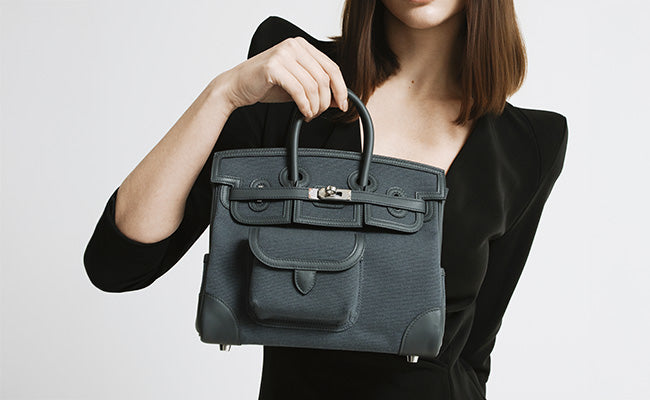
The H padlock on a Birkin is both a closure element and a recognizable design detail. It sits naturally within the bag’s front hardware arrangement and is one of the first accessories buyers notice when reviewing a pre-owned piece.
Most collectors treat the padlock as a charm and rarely use it to lock the bag in everyday wear. Still, it remains a must-have detail for many resale buyers because it helps keep the bag’s original presentation intact. A Birkin without its lock can still be desirable, but the absence should be acknowledged clearly.
A genuine Hermès lock should feel substantial and well finished. The engraving should appear clean, balanced, and refined, with no blurry lettering, rough edges, or unusual spacing. The finish should also make sense alongside the rest of the bag’s hardware.
Role of the Keys and Clochette
Every Birkin is traditionally accompanied by keys that belong with the lock. These keys are usually tucked into a bell-shaped leather clochette, which is made to hang from the handle. The clochette keeps the keys discreetly stored while adding one of the bag’s most recognizable finishing touches.
The clochette should match the bag in leather, colour, and overall quality. If the clochette looks noticeably different from the bag, it may be a replacement, which deserves closer review during authentication.
Most buyers loop the clochette over a handle, partly for storage and partly for the classic Birkin look. The lock may hang nearby or be kept separately to reduce wear. Either approach can be acceptable, as long as the original pieces are present and properly documented.
Authenticity Indicators Buyers Should Review
When checking the lock, keys, and clochette on a pre-owned Birkin, buyers should look for consistency rather than judging one detail in isolation. The hardware, leather, colour, stitching, and wear should all tell the same story.
- The lock and keys should be reviewed together as a matching set.
- Engravings should appear crisp, consistent, and properly aligned.
- The clochette should match the bag’s leather and colour.
- The hardware finish should be consistent with the rest of the bag.
- Wear should feel natural for the bag’s age, use, and storage history.
If original pieces are missing, the bag may still be authentic and desirable, but the buyer should understand how that affects completeness and resale confidence.
How the Lock and Clochette Sit on the Birkin
The lock and clochette are not random add-ons. They belong to a larger closure system that gives the Birkin its iconic front profile. Understanding how these parts interact helps buyers spot misplaced, replaced, or poorly maintained details.
Touret, Sangles, and Pontets
The touret is the central turning clasp on the front flap. The sangles, or leather straps, slide through it to help secure the bag. The pontets are the metal brackets on the sides that guide and hold those straps in position.
You do not need to use the padlock to keep the bag closed. Most owners rely on the touret and sangles, leaving the lock displayed or stored with the clochette. This is why light wear around the lock may be normal, while heavy pulling or distortion around the strap area should be reviewed carefully.
Pontets are fixed into the leather, so wear around them can offer clues about use. Loose fittings, uneven wear, or deep pressure marks may suggest the bag has been handled heavily.
How the Lock and Keys Are Secured
The clochette is a small leather pouch that holds the keys. It attaches to the handle with a slim leather strap and usually hangs close to the lock. The effect is elegant, practical, and immediately recognizable.
Some buyers like the lock displayed on the front closure. Others prefer keeping it on the clochette or storing it inside the bag to avoid scratches. Both choices are common, but from a resale perspective, the important point is whether the lock, keys, and clochette are present, consistent, and well preserved.
If the keys are missing or the clochette has been replaced, buyers should expect that detail to influence the overall assessment. This is especially important for rare colours, exotic skins, special orders, and limited editions where a matching accessory is harder to replace convincingly.
Sangles, Tiret, and Their Function
The sangles are the two leather straps that wrap across the front of the Birkin and thread through the touret. Each strap ends with a metal plaque to help keep it in place. The tiret is the small horizontal leather strip under the touret, positioned between the two sangles.
When the bag is locked, the padlock can pass through the tiret to secure the straps. In everyday use, many owners leave the bag unlocked because the tiret and lock are often more about the visual identity of the Birkin than practical security.
On pre-owned bags, buyers may notice creasing or stretching on the tiret if the lock was used often. Light signs of use can be normal, but heavy distortion should be considered as part of the condition review.
Hardware Finishes and Buyer Appeal
The hardware finish on a Birkin shapes the bag’s personality. It affects how the leather colour reads, how formal the bag feels, and how easily it fits into a buyer’s wardrobe. For resale buyers, consistency across all hardware is especially important.
Gold, Palladium, and Permabrass Hardware
Gold hardware has a warm, classic look and pairs beautifully with many Hermès leathers and neutral shades. It is often associated with a traditional Birkin aesthetic and remains highly sought after among collectors.
Palladium hardware has a cooler, silvery tone. It gives the Birkin a cleaner and more contemporary feel, especially on colours like Noir, Etoupe, Blue Nuit, and cooler neutrals.
Permabrass sits between gold and palladium with a soft champagne tone. It can be especially elegant on colours that do not call for a strong yellow gold or bright silver contrast. Buyers should look closely to ensure the lock, keys, plaques, clous, and other visible hardware share the same finish.
Rarer Finishes and Special Orders
Some Birkins appear with rarer hardware finishes, including brushed finishes, rose gold tones, ruthenium, or special-order combinations. These details can increase collector interest, but they also require careful review because replacements or mismatched components are easier to notice on rare specifications.
Special order Hermès bags may feature combinations that are not widely available in regular production. In these cases, the buyer should review the full presentation of the bag, including hardware finish, stitching, leather, colour placement, and accessories.
Rare hardware can make a bag more distinctive, but rarity alone should not replace authentication. The lock, keys, clochette, and other hardware must still be consistent with the bag.
Studs, Plaques, and Overall Hardware Consistency
The clous, or protective feet on the base of the bag, should match the main hardware finish. The front plaques and visible hardware should also show a consistent tone and level of wear.
If the lock looks much newer than the rest of the hardware, or if the keys and clochette appear unrelated to the bag, buyers should ask questions. This does not automatically mean the bag is not authentic, but it may suggest a replacement, repair, or incomplete set.
Before listing or purchasing a Birkin, all hardware should be reviewed together. The strongest examples are those where the lock, keys, clochette, studs, plaques, and zippers feel coherent in finish, quality, and age.
Variations Across Birkin Sizes and Editions
Birkin accessories can look slightly different depending on size, leather, and edition. The lock and key system remains familiar, but proportion, clochette size, and presentation can shift from one model to another.
Birkin 25, 30, 35, and 40
All Birkin sizes follow the same general lock and key concept, but the clochette changes in scale to suit the bag. A Birkin 25 has a smaller and more delicate presentation, while a Birkin 40 gives the clochette and hardware more visual presence.
| Birkin Size | Clochette Proportion | Base Stud Placement | Typical Buyer Use |
|---|---|---|---|
| Birkin 25 | Smallest and most delicate | Compact spacing | Light daily use and dressier styling |
| Birkin 30 | Balanced and versatile | Moderate spacing | Everyday wear with refined capacity |
| Birkin 35 | More substantial | Wider spacing | Work, travel essentials, and classic carry |
| Birkin 40 | Largest visual scale | Widest spacing | Travel, larger capacity, and statement styling |
The key point for buyers is not whether the clochette looks identical across sizes. It is whether it looks correct for that specific bag.
Kelly Comparisons
Kelly bags also use a lock, keys, and clochette, but the overall structure of the bag changes how those pieces are presented. The Kelly has a more structured top-handle silhouette and a different closure feel, while the Birkin has its signature open-top presence with sangles and touret.
For buyers comparing Birkin and Kelly models, the same inspection logic applies. Accessories should match the leather, colour, hardware finish, and overall condition of the bag. A complete, consistent presentation is always easier to evaluate.
Limited Editions and Special Pieces
Shadow Birkins, special orders, and Faubourg-inspired editions may involve unusual leather, colour, or hardware combinations. These bags often attract more scrutiny because small inconsistencies can affect buyer confidence.
On special pieces, the lock, keys, and clochette should be reviewed with even more care. Buyers should make sure the accessory set aligns with the specific edition, not only with general Birkin expectations.
Even when a bag is rare, the essentials remain the same: original-looking hardware, consistent finish, matching leather, clean workmanship, and a complete presentation whenever possible.
Leather, Exotic Skins, and Clochette Matching
The clochette should feel like a natural extension of the Birkin. Its leather, colour, texture, and condition should align closely with the bag itself. This is one of the clearest ways buyers can assess whether the accessory appears original to the piece.
Common Hermès Leathers
Togo leather is often seen on Birkins and has a pebbled texture that tends to hide light handling well. A Togo clochette should reflect that same grain and structure.
Epsom leather is more structured, with an embossed grain that helps it hold shape. Swift leather is smoother and softer, which can show handling more readily. Chèvre has a refined grain and lighter feel, while Box calf has a smoother, more formal look and often requires careful preservation.
When inspecting a clochette, buyers should compare the grain, sheen, colour, and flexibility against the bag. If the clochette looks noticeably different, the listing should explain why.
Exotic Skin Clochettes
For exotic Birkins, the clochette becomes even more important. Crocodile, alligator, and lizard clochettes should match the bag’s skin type, tone, and overall finish. A mismatched exotic clochette is difficult to overlook and can raise immediate questions.
Collectors often pay close attention to scale patterns, colour consistency, and the way the clochette has aged. On rare or investment-grade pieces, even a small accessory can influence how complete the bag feels.
Because exotic pieces require specialized handling, buyers should prioritize expert review before purchase.
Colour Matching and Patina
Colour matching is a major part of clochette evaluation. Classic shades such as Noir, Gold, Etoupe, and Rouge H may remain highly desirable, but the clochette should still match the bag naturally.
Some colour variation may occur over time because leather evolves with light, handling, and storage. What matters is whether the patina feels consistent. If the bag and clochette have aged together, the colour story usually feels coherent. If one looks much newer, darker, lighter, or differently textured, buyers should pause and ask for more detail.
Why Complete Sets Matter in Resale
In luxury resale, completeness helps reduce uncertainty. A Birkin with its lock, keys, and clochette intact gives buyers more confidence because the bag feels closer to its original presentation.
What a Complete Birkin Set Usually Includes
A strong pre-owned Birkin listing should clearly identify which accessories are included. At minimum, buyers often look for the lock, keys, and clochette. Other inclusions may vary by purchase history, age, and seller documentation.
- Lock
- Keys
- Clochette with strap
- Dust bag, when available
- Rain cover, when applicable
- Box, ribbon, receipt, or service documents, when available
Not every pre-owned Birkin will include every original item. However, the listing should be transparent so the buyer understands exactly what is being offered.
How Missing Accessories Affect Buyer Confidence
Missing keys, lock, or clochette can affect resale desirability because buyers may wonder how the bag was stored, whether pieces were lost, or whether accessories were replaced. The effect depends on the bag’s rarity, condition, leather, colour, and overall market demand.
A highly desirable Birkin may still attract strong interest even with a missing accessory. However, a complete set usually makes the buying decision easier and can help support stronger confidence.
The issue is rarely just practical. Most buyers will not lock their Birkin every day. The concern is completeness, originality, and the confidence that comes from seeing the full accessory set together.
Replacement Accessories and Documentation
Replacement accessories are not automatically unacceptable, but they should be handled carefully. Buyers should ask whether the replacement came through Hermès service and whether any documentation is available.
Without documentation, replacement hardware can create uncertainty. The lock may be authentic Hermès hardware but not original to that bag. The clochette may match closely but still differ in leather, colour, or age.
For a high-value purchase, the safest approach is to work with an expert resale partner that can review the bag, the accessories, the documentation, and the condition together.
Condition Issues Buyers Should Watch For
Condition tells a story. Light wear can be normal on a pre-owned Birkin, but certain signs on the lock, keys, and clochette may affect value and buyer confidence.
Common Lock and Key Wear
Light surface scratches on the lock are common, especially if it has been displayed on the bag. Fingerprints, small marks, or gentle hairline scratches do not necessarily suggest poor care.
Deeper scratches, dents, heavy tarnishing, uneven finish, or bent keys deserve closer inspection. These details may suggest harder use or improper storage. The hardware should still operate properly and look consistent with the rest of the bag.
Clochette Wear
The clochette is handled often and can show creasing, softening, edge wear, or colour variation. Moderate wear may be acceptable if it matches the bag’s age and use.
Cracking, staining, heavy distortion, or a colour that does not align with the bag may reduce confidence. Because the clochette is small, its condition can be easy to overlook in photos, so buyers should request clear images before purchasing.
Storage and Handling
It is often best to keep the lock and keys protected when the bag is not in use. Leaving a lock hanging for long periods may create unnecessary pressure or cause surface marks, especially on softer leathers.
Keep hardware away from moisture and store the bag in a cool, dry place away from prolonged direct light. Avoid chemical cleaners or polishing products that are not intended for Hermès materials. If the bag needs professional attention, it is better to use appropriate luxury leather care or Hermès service guidance rather than attempting aggressive at-home fixes.
Final Thoughts
The Hermès Birkin lock, keys, and clochette may be small, but they play an important role in how a pre-owned bag is evaluated. For buyers, a complete and consistent set supports confidence, authenticity review, and long-term desirability.
For a refined buying experience, Rome Station helps clients review rarity, condition, completeness, and authenticity with the level of care a Hermès purchase deserves.
Fact Check and Data Sources
This article focuses on buyer education and avoids unsupported hard resale figures. Statements about value impact are framed directionally because resale outcomes vary by leather, colour, size, rarity, condition, and documentation.
Hermès describes the clochette as a leather casing that houses a key in its official product language for Kelly-inspired fine jewellery, supporting the use of the term in relation to Hermès leather goods. Source: Hermès Kelly Clochette necklace.
Care guidance in this article is aligned with Hermès’ official recommendations to protect leather from humidity, prolonged light, and extreme heat, and to avoid unsuitable market care products. Source: Hermès Care and Repair FAQ.
For maintenance and repair, Hermès directs clients to its official after-sales service and store network. Source: Hermès After-Sales Service.
Frequently Asked Questions
Why do the lock, keys, and clochette matter when buying a pre-owned Hermès Birkin?
Is a Hermès Birkin still worth buying if the lock or keys are missing?
How can I tell if the clochette belongs with the Birkin?
Do replacement locks or keys reduce buyer confidence?
Should I use the lock on my Birkin every day?
What should I ask before buying a Birkin with missing accessories?
How does Rome Station help buyers evaluate Birkin accessories?
Love Hermès? See More from Rome Station
Add us to your Preferred Sources on Google to see our newest Hermès guides and insider tips first.