
Birkin Sellier vs Retourne: Which Structure Lasts Longer?
Check out our Hermès collection and Birkin bags!
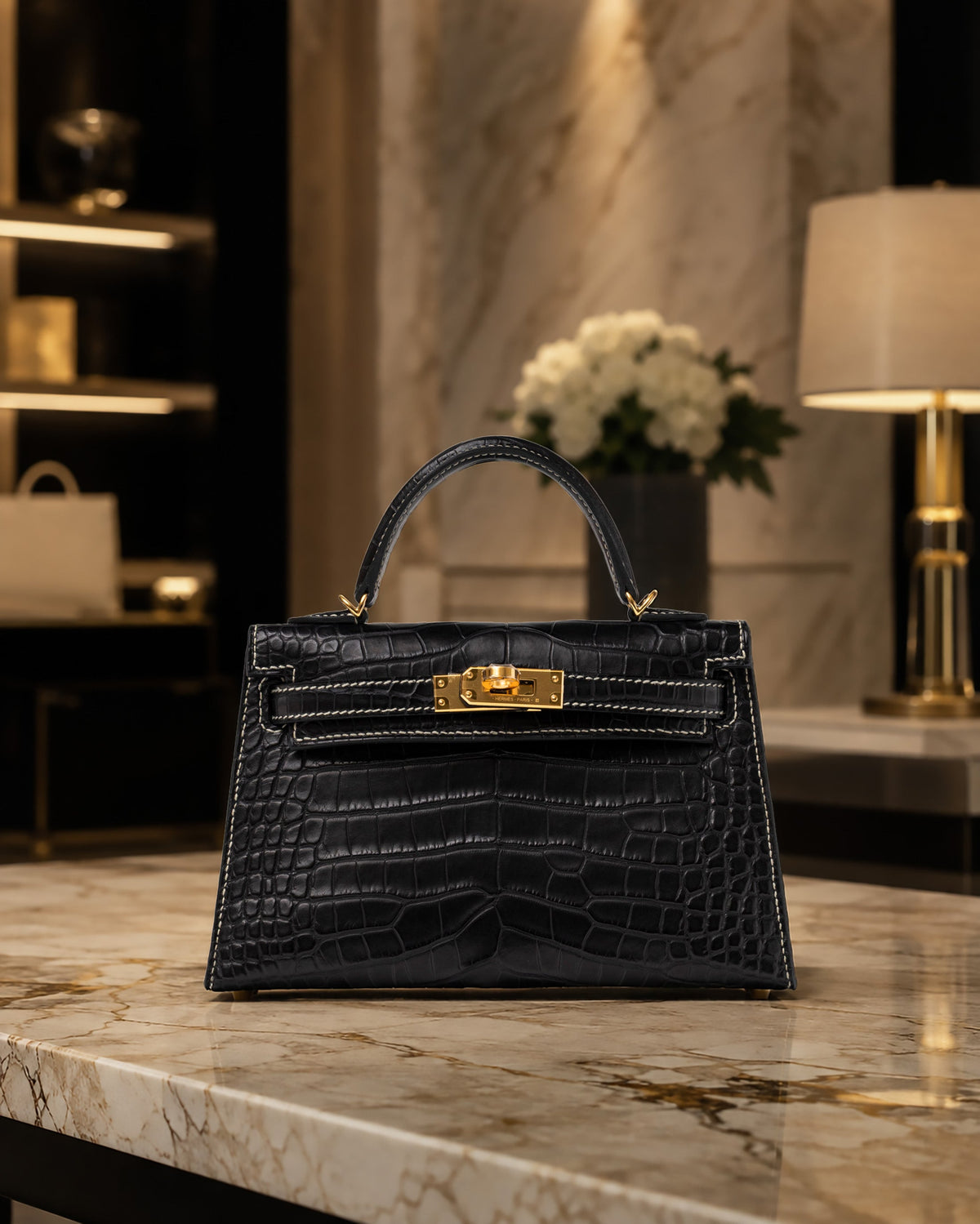
When collectors debate Birkin Sellier versus Retourne, they usually focus on looks or how formal they feel, but honestly, the real question is: which one holds up longer? Sellier’s rigid construction and exterior stitching help it keep its shape for years, while Retourne’s softer build gives it flexibility but shows wear differently depending on the leather. Both styles can last decades with care, yet their durability shows up in unique ways.
The Sellier Birkin relies on firm leathers like Epsom and showcases visible exterior stitching for those crisp, sharp lines. That structure keeps sagging at bay, even if you use it every day. Retourne, on the other hand, is all about supple leathers, think Togo or Clemence, with stitching tucked inside and rounded edges. It feels more relaxed but can slouch over time, especially when you fill it up.
How each construction ages really depends on your lifestyle and what you want from your bag collection. So, let’s get into how stitching, leather, and daily habits affect the lifespan of both styles, and what the resale world and authentication experts say about their long-term value.
Key Takeaways
-
Sellier construction keeps a structured shape longer, thanks to rigid leathers and exterior stitching
-
Retourne bags develop a softer, slouchier vibe as they age, but still last with good care
-
Both styles keep their value, but longevity depends more on leather and maintenance than construction alone
Birkin Sellier vs Retourne: Key Differences in Structure and Longevity
How a Birkin is put together directly affects how long it keeps its shape and how it ages. Sellier’s rigid frame and exposed stitching fight off sagging, while Retourne’s softer, internally stitched build lets it relax and change over the years.
Side-by-Side Structure Comparison
Sellier construction shows off visible exterior stitching along every seam, reinforcing the edges and creating those sharp, angular corners. The leather panels are stitched with the finished side out, giving it that upright, almost architectural look, even empty.
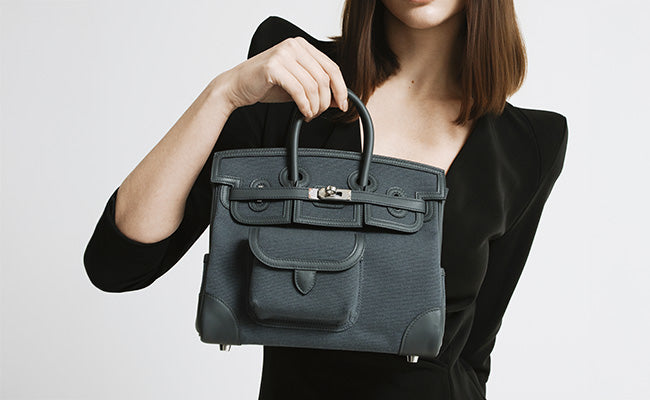
Retourne is stitched inside out, then flipped right-side out, hiding the stitching. This gives you those soft, rounded edges and a relaxed shape. The leather moves and flexes because there’s nothing on the outside holding it rigid.
Here’s how they compare:
| Feature | Sellier | Retourne |
|---|---|---|
| Stitching | External and visible | Internal and hidden |
| Edge profile | Sharp and angular | Soft and rounded |
| Structure | Rigid and upright | Flexible and slouchy |
| Typical leathers | Epsom, Box Calf | Togo, Clemence, Swift |
Longevity and Shape Retention
The Birkin Sellier keeps its shape for a very long time. Firm leather and external stitching work together to fight off sagging. Even after years, a Sellier can still look very crisp.
Epsom leather, a favorite for Sellier, doesn’t get much softer as time goes on. It’s tough, scratch-resistant, and holds those crisp lines with minimal fuss.
Retourne, by design, gets a natural slouch as the soft leather relaxes and molds to your things. Togo and Clemence leathers become more supple and pick up a nice patina over time, and some collectors actually love that look.
Both styles are tough if you take care of them. The hidden stitching in Retourne bags is protected from rubbing, which can help seams last. Sellier’s visible stitching, though, is reinforced and rarely gives out, even with heavy use.
Wear Patterns Over Time
Sellier bags mostly show wear at the corners and base. Those sharp edges meet hard surfaces and can scuff a bit, but the shape stays. With good storage and a little leather care, those marks are usually easy to manage.
Retourne bags wear in a different way. The corners get even softer and rounder, and the leather picks up that “lived-in” look. Sometimes the bag leans or slouches when you set it down, but honestly, that’s part of its charm.
Stress points aren’t the same, either. Sellier handles stay firm and upright, while Retourne handles soften and drape over your arm. It’s not about better or worse, just what you like in a luxury bag.
Retourne’s hidden stitching means seams almost never show thread wear. With Sellier, you can spot any issues early, but real problems are rare thanks to Hermès standards.
Understanding Sellier Construction
Sellier construction turns the Birkin into a sharply structured piece with exterior stitching and firm leathers. That rigid frame keeps its shape and gives it a formal edge.
Visible Exterior Stitching Explained
Sellier’s signature is the stitching right on the outside. Unlike Retourne, where the bag is stitched inside out, Sellier is stitched from the outside, leaving visible seams everywhere.
This technique comes from old-school saddle-making, where durability and precision count. The visible stitching creates those clean lines and sharp corners. Every stitch is done by hand, and since it’s all out in the open, the craftsmanship really has to be spot-on.
The exterior stitching also keeps the edges reinforced in a unique way. The seams sit flat on the leather, not tucked inside, which helps with those crisp corners. It’s a tricky method, and any mistake stands out.
Leathers Used for Sellier
Hermès usually picks firm, structured leathers for Sellier Birkins because they need to hold those sharp lines.
Common Sellier leathers:
-
Epsom - Embossed calfskin, rigid, scratch-resistant
-
Box Calf - Smooth, formal, glossy finish
-
Togo - Not common, but shows up sometimes
Epsom is the big one here. It’s stiff and fits the construction perfectly, so the bag doesn’t slouch or lose its shape. Box calf is also structured, but with a more polished vibe.
You almost never see soft leathers like Clemence or Swift in Sellier. They’re just not stiff enough for those sharp edges. Leather choice really does make a difference in how the bag keeps its form.
Benefits of Rigid Structure
A Birkin Sellier’s structure isn’t just for show. It stands up on its own, so you can grab things inside without having to hold it open, which is handy when you’re setting it down somewhere.
That rigid build also shields the bag’s shape during use. It won’t collapse or look deflated when it’s not full. The firm walls even help protect fragile items inside.
Style-wise, the structure just looks more formal and polished. A Sellier Birkin can take any outfit up a notch, especially when you want to make an impression.
Retourne Construction Unveiled
Retourne construction gives you a softer, more flexible Birkin, thanks to inside-out stitching that hides the seams and makes for rounded edges. This has been the standard since 1984, and it’s all about that relaxed silhouette that ages with personality.
Soft Edges and Relaxed Silhouette
Retourne is French for “turned,” and that’s exactly what happens. The bag is stitched inside out, then flipped, so all the seams stay hidden.
This creates those smooth, rounded corners with no visible stitching. The bag slouches and moves with you. It’s the classic Birkin shape most people picture.
Set a Retourne down and it settles into an easy, relaxed pose instead of standing stiff. The leather drapes naturally, and the corners are soft against your side when you carry it.
Honestly, this softer look photographs beautifully in real life. It feels approachable and lived-in, but still totally luxurious. The rounded edges also make it comfier for daily wear, especially when you fill it up.
Leathers Used for Retourne
Retourne pairs best with leathers that can handle being turned inside out. Togo is the go-to. It’s pebbled, soft, and perfect for this construction.
Clemence is another favorite. It’s even softer than Togo and gets a gorgeous slouch over time. Both have enough body to keep a bit of shape but still move with you.
Swift works too. It’s super soft, though it can scratch more easily. Some collectors actually seek out Swift Retourne bags just for that buttery feel.
You won’t find stiff leathers like Epsom here very often. The turning process needs leather that bends without cracking. Box calf does show up in Retourne sometimes, but it’s rarer since it needs a gentle touch.
Exotic leathers like crocodile or alligator also appear in Retourne. The hidden stitching protects the finish, and the natural flex works with the softer shape.
How Structure Evolves Over Years
Retourne bags change as you use them. The soft leathers slouch more over time, and most collectors love that. A brand new Togo Retourne holds its shape pretty well, but after a year or so, it settles into that signature relaxed look.
The hidden stitching actually protects the seams. Since the stress points are inside, thread damage is rare. Retourne is surprisingly tough for everyday use.
Patina develops differently here. Togo and Clemence darken a bit and get softer, adding to that lived-in luxury. The corners round out, and the leather just feels better with age.
Heavily used Retourne bags can lose some structure at the base. The bottom might spread a little when packed, and some people love that, while others do not. If you want a bag that never changes shape, Retourne’s evolution might not be for you.
But honestly, this aging is slow and graceful. Your Retourne Birkin won’t suddenly flop. It just gets softer and more comfortable, picking up the kind of character you can’t fake.
Comparing Real-World Use and Durability
Both constructions are built to last, but they age in their own ways and handle daily life a bit differently. Sellier keeps its sharp structure year after year, while Retourne picks up flexibility and character that a lot of collectors actually prefer.
Everyday Versatility
Retourne Birkins are shockingly adaptable. The soft leather means you can place them in an overhead bin, set them down at a café, or rest them on the backseat without needing to baby them. Togo and Clemence Retourne bags handle daily life well.
Sellier bags, though, need a bit more care. Owners tend to treat them almost like art, placing them upright and avoiding rough situations. The structure is beautiful, but it’s not as forgiving if you’re in a rush or on the go.
If you juggle gym bags and Hermès, Retourne fits better. Sellier really shines when your routine is more predictable and you can treat the bag gently.
Shape Retention vs. Slouch
Sellier keeps its original shape, period. Exterior stitching and firm leathers like Epsom mean the bag looks almost the same after five years. Corners stay sharp, walls stay up, and it stands on its own.
Retourne, meanwhile, develops a slouch, and honestly, that’s why a lot of people love it. Hidden stitching lets the leather relax, so you get softer corners and a more casual profile. Vintage Retourne Birkins with patina and slouch are especially loved by some collectors.
It’s not about better or worse. It’s about what you want: pristine lines or cozy, broken-in luxury.
Handling Overfilling and Daily Stress
Retourne bags are a bit more forgiving when packed heavily. The interior stitching lets the leather flex, and weight spreads out more evenly.
Sellier bags, though, have limits. The rigid walls don’t give, so overfilling puts pressure on corners and the base. The stitching is strong, but too much stuff can strain the leather.
For travel or days when you’re carrying everything, Retourne just works better. Sellier is best when you pack light and respect its shape.
Aesthetic and Lifestyle Impact
The way Sellier and Retourne are built changes how they fit into your wardrobe and daily life. One is polished and formal, the other is versatile and has that relaxed kind of luxury. Which one wins? That’s up to you.
Polished vs. Effortless Appeal
Sellier construction has this striking, architectural vibe that really grabs your attention. Those sharp corners and visible exterior stitches make the bag look intentional and polished, even if you’re just wearing jeans and a tee.
Sellier bags tend to photograph beautifully. The crisp lines play with the light, showing off the craftsmanship and precision. Sometimes, that structured silhouette almost looks like a little sculpture sitting on a table.
Retourne bags go in the opposite direction. With their soft, rounded edges and hidden stitches, they feel more approachable, luxury without the intimidation. As they age, the leather starts to slouch and mold to your habits, picking up character along the way. Some collectors love that their luxury handbags feel like old friends, not just display pieces.
So, really, it’s about the vibe you want. Sellier is for when you want to look deliberate and buttoned-up. Retourne is more relaxed, but still quietly confident.
Styling for Different Occasions
Sellier bags shine when you need structure. Think business meetings, formal dinners, or any event where you want your accessories to look sharp. The bag keeps its shape no matter what you toss inside, so it always looks put-together.
In our experience, Hermès Birkin Sellier styles just work with tailored outfits, blazers, crisp shirts, fitted trousers. The whole look lines up.
Retourne bags are way more flexible. They look great with jeans and a sweater, or even a flowing dress. The softer shape fits in anywhere, whether you’re running errands, traveling, or heading to a casual office. That’s probably why people grab their Retourne bags more often for daily life, even if their Sellier pieces are more prized.
Instagram and Collector Trends
Instagram has given Sellier construction a real spotlight. Those sharp lines and that structure just pop in photos, making Sellier bags favorites for luxury content. Influencers love using Sellier styles in flat-lays and styled shots.
On the flip side, Retourne bags show up more in lifestyle and travel posts. They look natural in action, carried through airports, tucked into an arm during a street style shoot. The softer shape feels more genuine in everyday moments.
Collectors talk about Sellier bags as statement pieces, while Retourne bags are the go-to workhorses. There’s a loyal following for both. Sellier is for people who want their bag to make a splash. Retourne is for those who care about comfort and wearability, but still want that prestige.
Market Value, Authentication, and Collector Insights
Sellier bags usually fetch higher resale prices and need careful authentication, partly because their rarity and visible stitching make them targets for fakes. Both styles hold value, but your choice can shift your collecting strategy and market positioning.
Resale Potential and Rarity
Hermès Sellier bags often go for more than Retourne versions on the resale market. That premium mostly comes down to scarcity, since Hermès doesn’t make as many Sellier pieces.
The Birkin 25 Sellier is especially coveted. That compact size and sharp lines are a killer combo. People who pick this one rarely feel the need to “correct” their choice later, which says a lot about its lasting appeal.
Sellier construction also helps preserve value. The rigid structure doesn’t hide wear, so careful owners get rewarded. If you keep your Sellier in good shape, it can hold value especially well because any issues are obvious from the start.
Retourne bags are classics and move faster on the resale market since there are more of them. They’re easier to find, easier to sell, and they attract buyers who want that relaxed Hermès Birkin look without all the formality.
Rarity is a big deal here. Special edition Sellier pieces, especially in unusual colors or exotic leathers, can jump in value if Hermès made only a small number to begin with.
Authentication Best Practices
Sellier bags put every stitch on display, which is both a blessing and a curse for authentication. You can spot irregularities quickly, but so can counterfeiters trying to fake it.
When you get a Sellier bag authenticated, check for even saddle stitching with consistent tension. Hermès artisans keep the stitch length and spacing uniform, and counterfeiters usually slip up here.
| Authentication Point | What to Check |
|---|---|
| Exterior stitching | Even spacing, consistent tension, no loose threads |
| Edge finishing | Sharp painted edges with no bubbling or peeling |
| Hardware stamps | Crisp lettering that matches known Hermès fonts for the year |
| Leather quality | No chemical smell, natural grain patterns, proper hand feel |
Retourne bags hide the stitching, so authentication focuses more on hardware, stamps, and overall build. The rounded edges should feel smooth, not rough or unfinished.
Professional authentication is worth it for high-value bags. It catches details you might miss and gives you documentation for resale.
Choosing According to Collector Strategy
Collectors who chase rarity and appreciation usually gravitate toward Sellier pieces. They’re harder to find and tend to stand out in a collection.
The Hermès Sellier construction is ideal if you plan to rotate bags and keep them pristine. The structure holds up with careful use, which helps long-term value.
Retourne construction is better if you want to actually use your luxury handbags without worrying too much. The softer leather and hidden stitching mean everyday use doesn’t affect value as quickly.
Some collectors go for both styles in different sizes or colors. That way, you get options for different occasions and hedge your bets on what the market will want next.
Think about your exit plan, too. Sellier bags draw serious collectors who will pay a premium, but they can take longer to sell. Retourne bags move faster and attract first-time Hermès buyers looking for that classic look.
Storage matters more with Sellier. They need proper stuffing and dust bags to keep those crisp lines. Retourne bags are more forgiving if your closet isn’t exactly museum-grade.
Frequently Asked Questions
Construction, leather, and care all play into how long your Birkin keeps its shape and value. Sellier and Retourne each have their own durability quirks that show up in daily life and resale.
How do different construction methods affect the longevity of luxury handbags?
Sellier uses exterior stitching and a firmer frame, so it resists sagging and keeps sharper lines over time. Retourne hides the stitching inside, which protects the seams and creates a softer shape that naturally relaxes with wear.
What care strategies can extend the life of my high-end leather accessories?
Stuff your bag lightly with tissue paper when stored, keep it in a dust bag, and avoid direct sunlight, heat, and excess humidity. Wipe off moisture quickly with a soft cloth, let the bag rest between uses, and do not overload it.
In terms of durability, how does the craftsmanship of Sellier compare to Retourne styles?
Sellier requires especially precise finishing because the stitching, corners, and edge work stay visible. Retourne is no less well made, but its softer build hides the seams and allows more natural movement in the leather as the bag ages.
When considering an investment-grade bag, which structure tends to maintain its shape and condition longer?
Sellier usually keeps its original silhouette longer, especially in firmer leathers like Epsom or Box calf. Retourne can still last for decades, but it is more likely to develop a relaxed slouch and rounder corners with regular use.
Could the resale value of my handbag be influenced by its structural design between Sellier and Retourne?
Yes. Structural design can affect resale. Sellier pieces often attract stronger collector demand because they are rarer and keep a crisper shape, while Retourne styles usually appeal to buyers who want comfort, versatility, and easier everyday wear.
Are there any specific leather treatment techniques that work best for maintaining the pristine condition of structured designer bags?
For structured bags, the safest approach is gentle routine care and professional service when needed. Hermès advises against commercial leather care products, so regular dusting, careful storage, quick attention to moisture, and after-sales cleaning are the best options.
Love Hermès? See More from Rome Station
Add us to your Preferred Sources on Google to see our newest Hermès guides and insider tips first.