

Barenia vs Togo: Which Leather Ages Better?
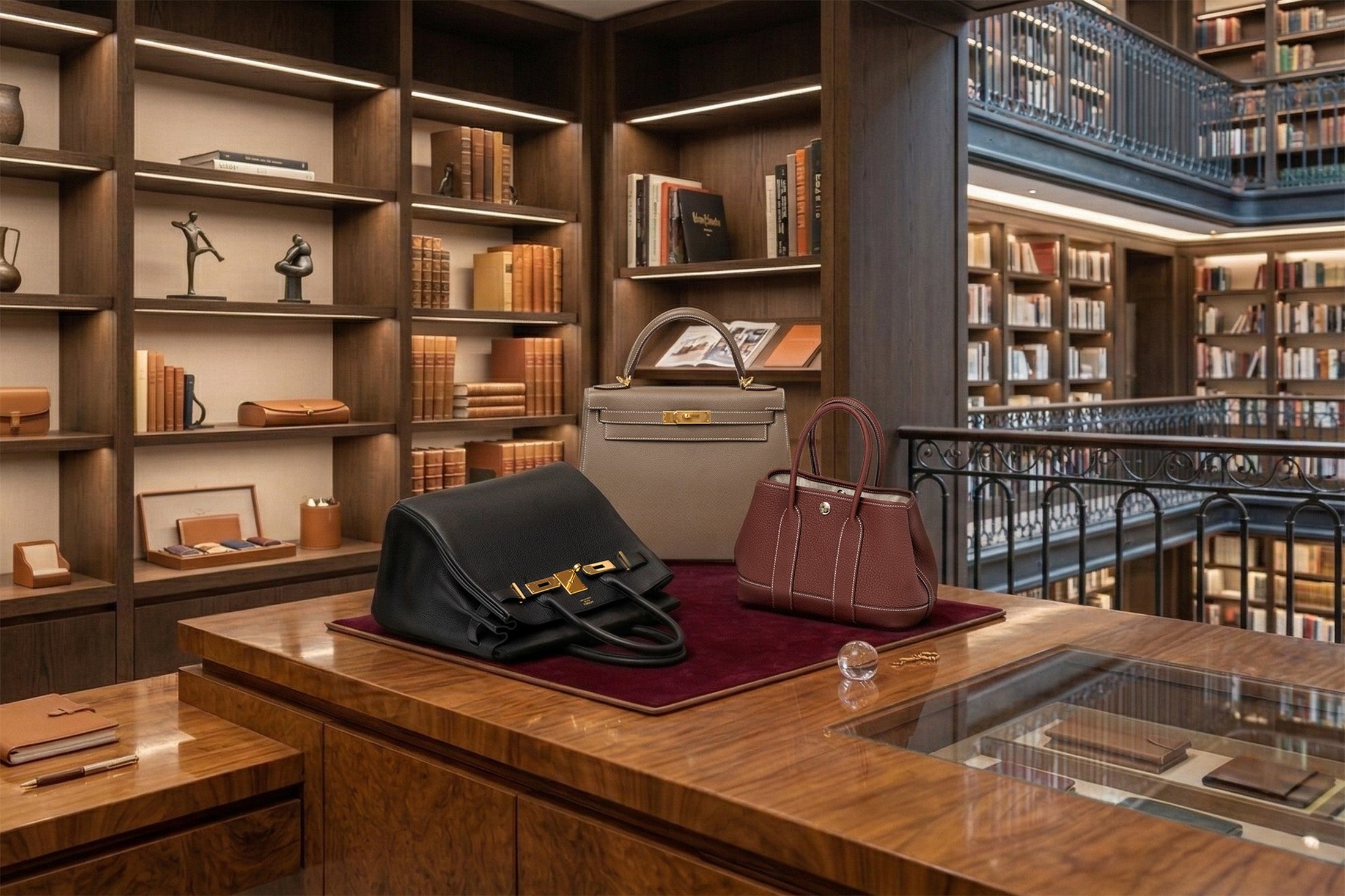
Check out our Hermès collection and Birkin bags!
When it comes to Hermès leathers, aging isn’t just a detail, it’s a big deal. Barenia develops a rich, darkening patina as it ages, turning more luxurious and lived-in, while Togo holds onto its original look and structure with barely any visual change. Fans swear by both, but their aging paths couldn’t be more different.
After years of handling these leathers, bags, wallets, you name it, the differences just pop once you get your hands on them. Barenia drinks up oils and moisture, leaving character marks and a deepening colour that some collectors absolutely love. Togo? It stays pretty much the same and shrugs off scratches and water better than Barenia ever could.
It’s not really about which leather is “better.” It comes down to your lifestyle, how you feel about patina, and whether you’re thinking about resale value. Maybe you want a bag that tells its story right on its surface, or maybe you prefer one that stays nearly spotless forever. Knowing how each leather holds up can really help you avoid regrets.
Key Takeaways
-
Barenia develops a unique patina and darkens over time, while Togo keeps its original look with barely any visible aging
-
Togo is more scratch-resistant and easier to maintain, which is great for daily use; Barenia needs more care and shows water marks more easily
-
Barenia’s rarity and aging quirks mean it often costs more and attracts collectors, making it a strong pick for collector-minded buyers
Barenia and Togo: Core Differences
Barenia and Togo really couldn’t be more different: different backgrounds, different ways of wearing in, and even different vibes. Knowing what makes each one tick helps you pick what actually fits your life and style.
Barenia Leather Origins and Qualities
Barenia is steeped in Hermès history. It started out as saddle leather and first appeared in handbags in the 1970s. It’s made from top-notch calf hides, almost flawless, which is why you don’t see it everywhere.
Barenia’s production is wild. It goes through both chrome and vegetable tanning, then soaks in a blend of nine oils for over a month. Hardly anyone knows this process. It’s easily one of the most labor-intensive leathers Hermès makes.
You can spot Barenia by its smooth, slightly shiny surface that shows off the hide’s natural veins and wrinkles. It feels waxy, smells amazing, and collectors can pick it out blindfolded. Standard Barenia, sometimes called Barenia Natural, usually sports white contrast stitching and a subtle debossed stamp.
Barenia Faubourg is the newer spin. It’s got a mild grain like Togo but keeps the same scent and feel as the classic.
Togo Leather Characteristics and Background
Togo is Hermès’ everyday workhorse, introduced in the 1990s for folks who actually use their bags. It’s made from calfskin and has a fine, pebbly texture that’s become a go-to for Birkins and Kellys.
It’s got a bit of slouch but holds its shape, resists scratches, and doesn’t show water marks like Barenia does. If you want your bag looking fresh for years, Togo’s forgiving.
Compared to Barenia’s complex production, Togo is tanned in a more standard way, so it’s easier to find in stores. It doesn’t develop much patina. What you see is pretty much what you get, even years down the line.
Key Visual and Textural Contrasts
| Feature | Barenia | Togo |
|---|---|---|
| Surface | Smooth, slightly glossy | Fine-grained, matte |
| Weight | Medium to heavy | Medium weight |
| Stitching | White contrast thread | Usually tonal |
| Stamp | Natural debossed | Coloured to match hardware |
| Scratch Resistance | Shows scratches easily (traditional); more resistant (Faubourg) | Good scratch resistance |
| Water Resistance | Can show water marks; traditional Barenia often handles light moisture better than Faubourg | Moderate water resistance |
Barenia feels buttery and waxy, while Togo is drier and more textured. The contrast is obvious when you touch them. Barenia is pure luxury but delicate, and Togo is practical but not as rich to the touch.
How Barenia Ages: Patina, Character, and Rarity
Barenia changes a ton as it ages, picking up a deep honey-gold patina that collectors go nuts for. Its rarity and tricky production make it one of the hardest Hermès leathers to find, and you really have to be okay with a bag that looks “lived in.”
Patina Development and Colour Evolution
Barenia starts off looking pretty understated, usually in neutrals like Fauve or Natural. The transformation is slow. Oils from your hands, sunlight, and just daily life work their magic.
In the first year, you’ll see darkening where you touch it most. By year three, the honey-gold glow is hard to miss. After five years, the leather peaks, showing off depth and warmth you just can’t fake.
Typical patina timeline:
-
0-12 months: Darkening at the touch points
-
1-3 years: Warmth and colour shift kick in
-
3-5 years: Golden tones really pop
-
5+ years: Full patina, almost antique
Every bag ages differently, depending on how you use it. Handles and flaps on Birkins and Kellys darken fastest, while wallets get a more even change.
Barenia Faubourg ages a bit faster because its grain grabs onto oils and light more easily.
Rarity and Collector Appeal
Barenia comes from specialist French tanning, and strict standards mean there’s never much to go around. Hermès is stingy with it, so Barenia bags are rare, especially compared to Togo or Clemence.
If you see Barenia in a store, it usually isn’t there in large numbers.
The history matters too. Barenia was first used for saddles and is still used for watch straps and riding gear. Owning a Barenia bag is like holding a piece of Hermès history.
Collectors chase well-aged Barenia. A 10- or 20-year-old bag with the right patina can sometimes sell for more than a new one, which is pretty unusual in luxury goods.
Barenia Faubourg is just as rare, but its extra structure appeals to those who want patina without too much slouch.
Everyday Wear, Maintenance, and Resilience
Barenia isn’t for perfectionists. Scratches, water spots, and marks? They’re going to happen, and honestly, that’s kind of the point.
It starts out firm but softens up with use. After a few years, a Barenia Birkin slouches more than a Togo, and the handles fit your grip perfectly.
Maintenance realities:
-
Water can darken it and leave marks
-
Scratches eventually blend in
-
Oils from hands speed up aging, and that’s a plus
-
Spa treatments can refresh, but not erase, patina
If you want a bag that stays spotless, Barenia probably isn’t it. It wears its history right on its sleeve.
Barenia Faubourg keeps its shape better, but still shows wear more than Togo or Epsom. Both get tougher with age, which is kind of amazing for such a soft leather.
If you’re patient and actually like the look of a bag that’s been around, Barenia will reward you. It looks better after five years than it did on day one.
Togo Leather Longevity: Structure, Shape, and Wear
Togo holds its shape impressively well, even after years of use. It gets a little softer, but doesn’t lose its form. Its resistance to damage and adaptability make it a solid choice if you want durability and looks.
Aging Process and Texture Retention
Togo builds character slowly, but that signature grain sticks around. Even after years, the fine pebbled texture is still there, and it never gets the shiny patina Barenia does.
Veau Taurillon Clemence is similar but slouches more over time. Togo, being lighter and firmer, resists that slouch.
Veining in Togo gets more visible but doesn’t hurt the look. Light scratches just blend in. Some Togo bags from the 1990s still look great, with just a bit of softening at the handles and corners.
Togo’s boarding process makes for a resilient surface that holds its texture longer than Clemence.
Resistance to Scratching and Stains
Togo is one of Hermès’ most scratch-resistant leathers. The grain hides small marks, and it doesn’t show wear like smoother leathers, think Swift or Box.
Water doesn’t mess up Togo if you wipe it quickly. You can use a damp cloth without worrying about stains or texture changes. That makes Togo easy to use, rain or shine.
Colours stay true over time. Dark shades like noir and étoupe barely fade, and lighter ones just warm up a bit. Togo doesn’t need the careful maintenance Barenia does.
Stain resistance is more about colour than leather. Light Togo bags need a little more attention around handles where oils build up, but the texture helps spread it out instead of making obvious dark spots.
Versatility Across Bag Styles
Togo works great for both Birkin and Kelly bags. It gives enough structure for Kellys but is soft enough for the rounded look. Structured bags keep their shape, but not in a stiff way like Epsom.
Size doesn’t matter much. Birkin 25s stay sharp, and Birkin 35s get a bit of slouch that some people actually prefer. Togo bags are lighter than Clemence, which makes a difference for bigger bags.
Garden Party and other casual styles in Togo are super practical. The scratch resistance means you can use them all the time without worrying about ruining them. Hermès uses Togo for almost every style except those that need exotics or heritage leathers.
Comparing Daily Life Performance
Barenia and Togo react totally differently to daily life, rain, scratches, and all the little accidents that come with actually using your bag. Here’s how they stack up.
Handling Water, Oils, and Weather
Barenia picks up water marks fast. It’s a natural calfskin with very little protective finish, so even a quick splash can leave a mark that takes a while to fade. Oils from your hands create patina, but also mean it reacts to everything.
Togo shrugs off water thanks to its tanning and texture. Light rain? No big deal. We’ve seen Togo bags go through all sorts of weather without drama.
If you live somewhere wet, Togo is just less stressful. Barenia needs more care. Watch out for rain and keep it away from lotions and creams, or you’ll see marks almost instantly.
Scratch Tolerance and Imperfection Camouflage
Barenia shows scratches from nails, keys, and daily handling right away. The smooth surface leaves nowhere to hide, though over time, the marks blend into the patina. Still, if you’re picky about condition, early days with Barenia can be tough.
Togo’s pebbled grain is much more forgiving. Scratches and scuffs just disappear into the texture, so you don’t notice them unless you’re looking for flaws. That’s a big plus if you use your bags a lot or travel with them.
Scratch visibility comparison:
-
Barenia: Shows everything, especially at first
-
Togo leather: Hides most marks, even with heavy use
Both leathers last, but Togo looks cleaner over time. Barenia’s charm comes from embracing its imperfections and letting it tell your story.
Weight, Shape, and Breaking-In Over Time
Barenia feels soft right out of the box, but in bigger bags, it lacks structure unless reinforced. It molds quickly to whatever you put inside and takes on a slouchy, laid-back shape. That buttery touch is what people rave about, though you might notice structured bags losing their crisp silhouette sooner than you’d like.
Togo, on the other hand, holds its shape for years. It’s got a natural body that keeps bags looking put together, but it never feels stiff or heavy. Breaking it in takes more time than Barenia, but honestly, Togo just works from day one, with no real adjustment period needed.
Barenia gets softer and more pliable as you use it, which a lot of collectors love for the luxe hand feel. Togo stays pretty much the same in weight and structure, so it’s a safe bet if you want your Hermès leather to look fresh for the long haul.
Collector Value and Investment Implications
Barenia can fetch higher resale prices than Togo, mostly because it’s rare and develops that dramatic patina everyone talks about. Both leathers hold their value well, but your choice might come down to whether you want stronger collector appeal or steady, reliable demand over time.
Resale Value in Ultra-Luxury Circles
Barenia bags can sell for more than Togo ones, especially if they’ve picked up a deep, even patina. We’ve seen Barenia Fauve Birkins and Kelly Selliers go for prices that rival some exotics, particularly when the patina shows careful use instead of neglect.
Togo is the most liquid leather in the Hermès resale world. People trust it. It’s forgiving, familiar, and doesn’t need a patina expert’s eye. If you need to sell fast, a Togo Birkin or Kelly will move quicker than almost anything else, sometimes even at retail, depending on colour and hardware.
But here’s the catch: if Barenia develops a poor patina or gets water-stained, resale value can take a hit. A well-aged Barenia is a collector’s dream, but a neglected one? More like a restoration headache.
Rarity Factors and Historical Releases
Hermès makes far less Barenia than Togo, so it’s one of those rare Hermès leathers that collectors chase down. Barenia Faubourg, the grained version, pops up even less and has its own cult following among folks who want Barenia’s soul with a bit more structure.
Togo’s been Hermès’ workhorse since the 1990s and shows up in almost every seasonal drop. Its ubiquity doesn’t hurt value. In fact, it keeps things stable. You’ll never have trouble finding comps or market data for a Togo Hermès bag.
Barenia’s history includes runs in Natural, Vert Olive, and Noir, all of which have become collectible over time. Togo’s endless colour options make it versatile, but Barenia’s scarcity is what gives it that mystique.
Birkin, Kelly, and Iconic Models in Each Leather
The Birkin in Togo is the go-to for many collectors: it’s tough, keeps its shape, and comes in every size and colour you can imagine. The Kelly Sellier in Togo is rigid and polished, though some purists say it lacks the warmth of softer leathers.
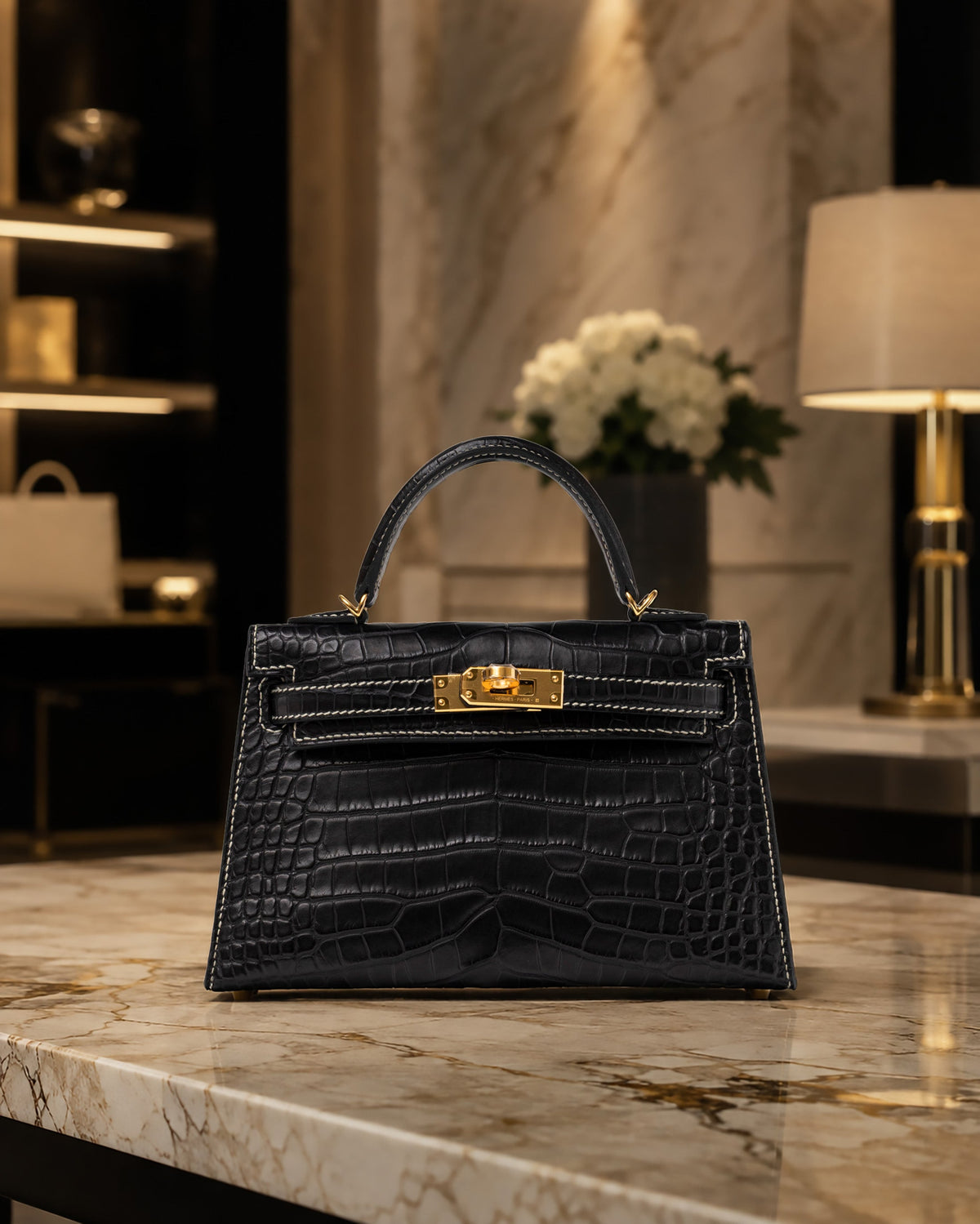
Barenia Kellys are especially coveted since the leather’s suppleness flatters the bag’s elegant lines, especially with Retourné construction. A Barenia Birkin is even rarer and far less common on the market.
Barenia also shows up on Hermès bags like the Bolide and Garden Party, where its casual patina matches the bag’s easygoing vibe. Togo rules these styles too, just without the same collector buzz.
Alternatives and Related Hermès Leathers for Collectors
Beyond Barenia versus Togo, Hermès offers other leathers worth a look for their aging quirks and durability. Barenia Faubourg bridges the gap with its textured grain, while classics like Clemence and Swift each have their own patina stories.
Barenia Faubourg, Clemence, and Swift: How They Stack Up
Barenia Faubourg is for those who love Barenia’s character but want more scratch resistance. It’s tanned the same way as smooth Barenia but has a subtle grain that hides marks better. It smells and feels familiar, but visually, it’s closer to Togo or Clemence with finer grains.
It ages with the same warm patina as smooth Barenia. Honestly, it’s a great middle ground for first-timers who want heritage but not the anxiety.
Clemence leather is similar in weight to Togo but has a flatter, softer grain. It’s slouchier, which some folks prefer for bigger bags. Both resist scratches well, though Clemence softens and gives a bit more over time. Neither gets that wild patina like Barenia, but they age gracefully and don’t freak out over water or nails.
Swift leather is a different beast: fine-grained, smooth, and more delicate. It shows scratches faster than grained leathers, but ages evenly, with no dramatic shifts like Barenia. Swift feels plush and looks polished, so it’s a hit for smaller bags and accessories that don’t see rough daily wear.
Box Calf, Epsom, and Exotic Skins in Aging and Patina
Box calf is Hermès’s most formal leather, think glazed, mirror-like finish. It scratches if you so much as look at it wrong, but collectors still prize it for the deep, glossy patina that builds with age. It needs careful handling and regular conditioning. You’ll mostly see it on vintage pieces and Kelly bags where elegance matters more than practicality.
Epsom leather is heat-pressed for a rigid, stable structure. It’s highly scratch-resistant and shrugs off water, making it one of the most carefree choices for everyday use. But don’t expect it to develop patina or soften. It’ll look almost exactly as you bought it, which appeals to those who want that pristine vibe forever.
Exotic skins like crocodile, ostrich, and goatskin (Chèvre Mysore, Chèvre de Coromandel) age on their own terms. Crocodile gets a subtle sheen and richer colour but needs careful moisture control. Ostrich is super tough, with quill bumps that hide wear. The chèvre leathers are crazy scratch-resistant and can look new for decades.
Other leathers worth a nod: Veau Grain Lissé (smooth calf), Negonda (fine-grained, scratch-resistant), and discontinued types like Courchevel, Chamonix, and Evercalf. Vintage fans also hunt for Vache Hunter, Vache Liégée, and Sikkim (or Veau Sikkim) for their unique textures.
Choosing the Right Leather for Your Needs
It really depends on how you use your bag and what kind of aging you want to see. For daily drivers that stay looking new, Togo, Epsom, or Clemence are solid, low-stress picks. If you want a bag that gets more character as it ages, Barenia or Box calf are in a league of their own.
Your climate and lifestyle matter. Barenia shows water spots fast if you live somewhere rainy. Swift scratches if you’re not careful. Epsom never softens, so if you like that broken-in feel, it’s not for you.
Investment collectors usually go for leathers that look great in photos for resale. Togo and Epsom keep a consistent look, while Barenia’s patina can be divisive. Some buyers love it, others want flawless. Exotic skins hold value best but require a bigger upfront spend.
First-timers? Togo, Clemence, or Barenia Faubourg are forgiving and let you learn the ropes. You can always add more delicate leathers like Swift, Box calf, or smooth Barenia once you know how Hermès leather behaves.
Match the leather to bag size, too. Big bags in heavy leathers like Clemence can get unwieldy. Smaller bags shine in Swift or goatskin. Exotic skins make a statement, but they don’t feel quite like the classic cattle leathers.
Frequently Asked Questions
Barenia develops visible patina over time, while Togo stays more consistent in look and shape.
How does the patina develop on Barenia and Togo leathers over time?
Barenia darkens, softens, and picks up patina with use, especially on handles and touch points. Togo changes far less, keeping its grain, colour, and overall look more consistent.
In terms of maintaining resale value, which leather is preferred by connoisseurs: Barenia or Togo?
Both are desirable for different reasons. Barenia can command stronger prices when the patina is attractive, while Togo is often easier to sell because of its practicality and wider appeal.
What are some expert tips for caring for Barenia and Togo leathers to ensure their longevity?
Keep Barenia away from rain, lotions, and excess moisture, and wipe it gently with a soft, dry cloth after use. Togo needs less upkeep, but both should be stored properly.
Can you explain the differences in scratch resistance between Barenia and Togo leathers?
Barenia shows scratches more easily because of its smooth surface, though lighter marks can blend into the patina over time. Togo’s pebbled grain hides small scuffs much better.
What should collectors know about the unique characteristics of Barenia and Togo leathers before making a purchase?
Barenia has heritage appeal, a waxy feel, and a patina-forward personality. Togo is easier, more durable, and more predictable, so the better choice depends on how you want your bag to age.
From a styling perspective, how do Barenia and Togo leathers complement luxury fashion ensembles?
Barenia pairs beautifully with tailored, classic wardrobes and feels more personal as it deepens in tone. Togo is versatile and polished, working just as easily with casual outfits as with dressier looks.
Love Hermès? See More from Rome Station
Add us to your Preferred Sources on Google to see our newest Hermès guides and insider tips first.